

Ochetomyrmex semipolitus
- Scientific Name
- Ochetomyrmex semipolitus
- Tribe
- Attini
- Subfamily
- Myrmicinae
- Author
- Mayr, 1878
- Distribution
- Found in 6 countries
Ochetomyrmex semipolitus Overview
Ochetomyrmex semipolitus is an ant species of the genus Ochetomyrmex. It is primarily documented in 6 countries , including Brazil, Colombia, Ecuador. Detailed taxonomic data and occurrence records can be further explored via authoritative databases such as AntWeb or the Global Biodiversity Information Facility (GBIF).
Ochetomyrmex semipolitus
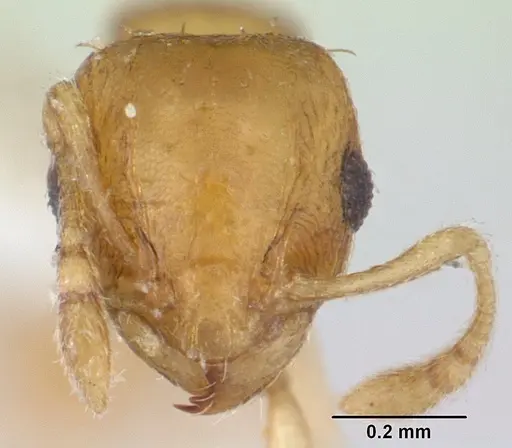
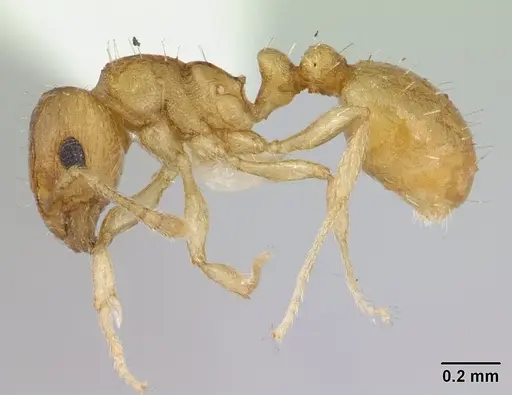
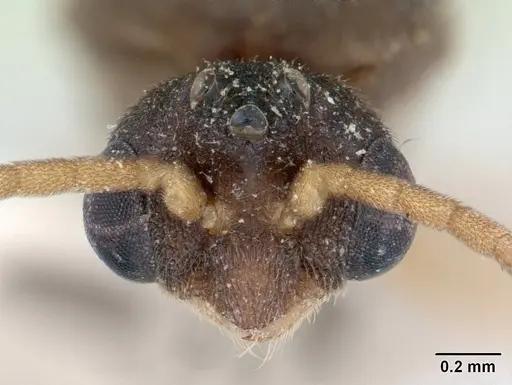
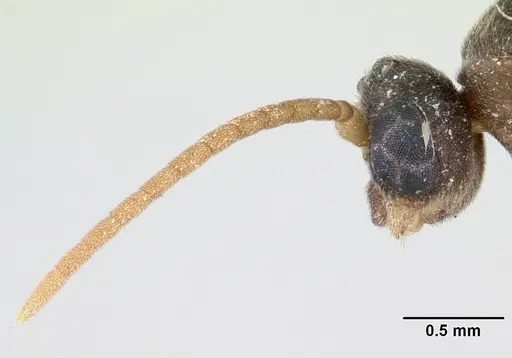
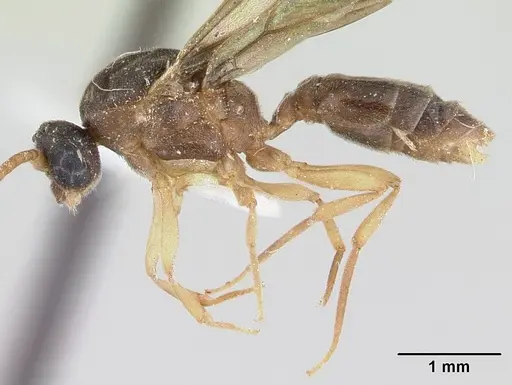
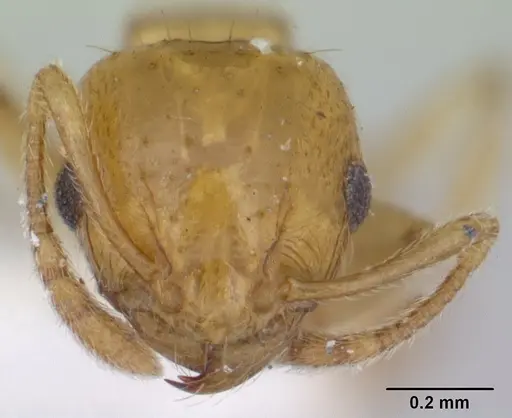
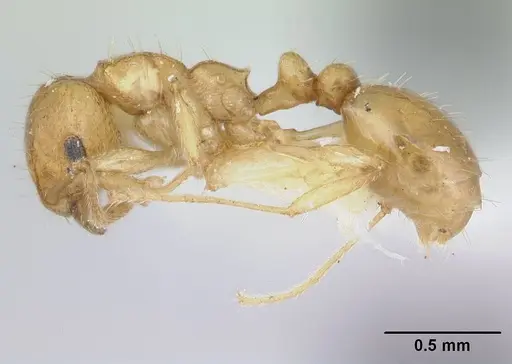
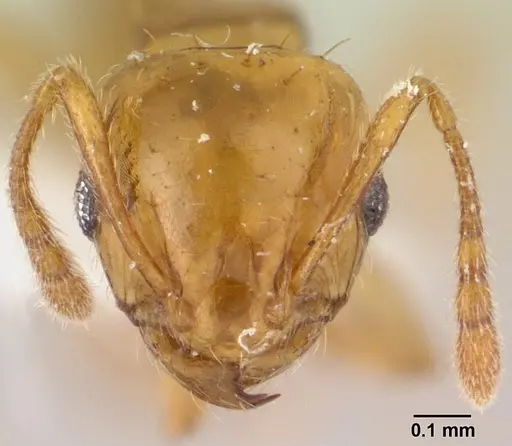
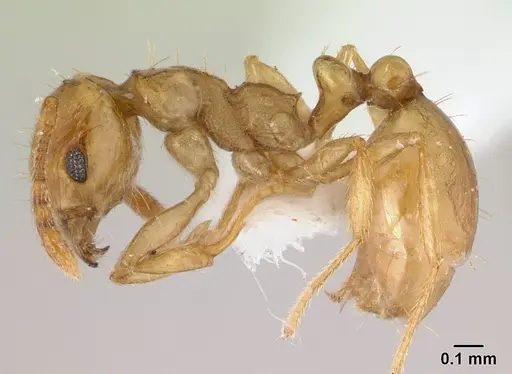
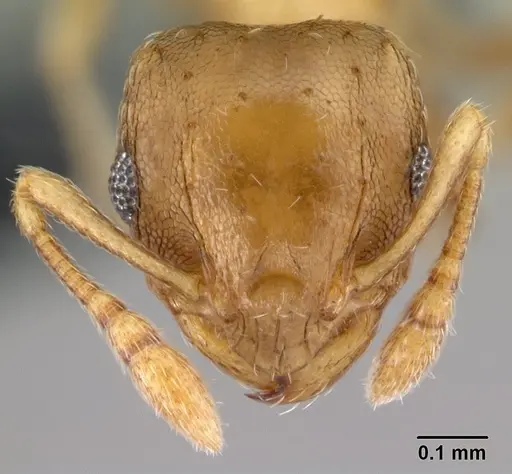
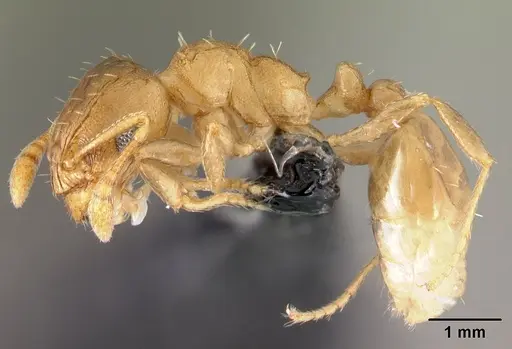
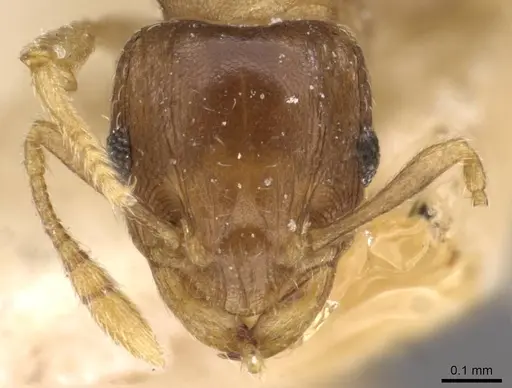
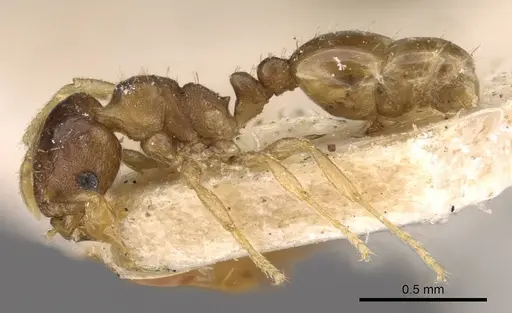
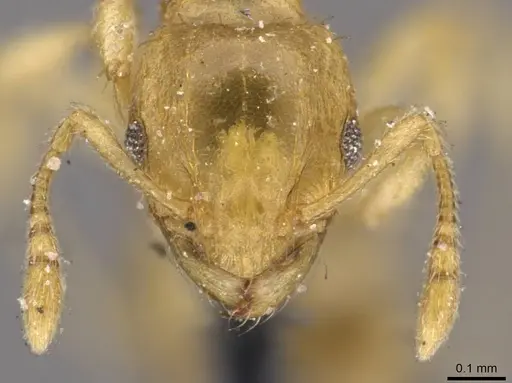
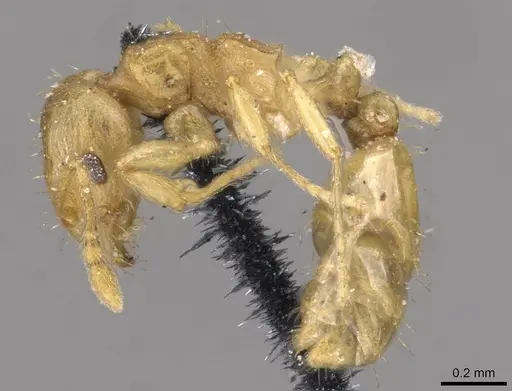
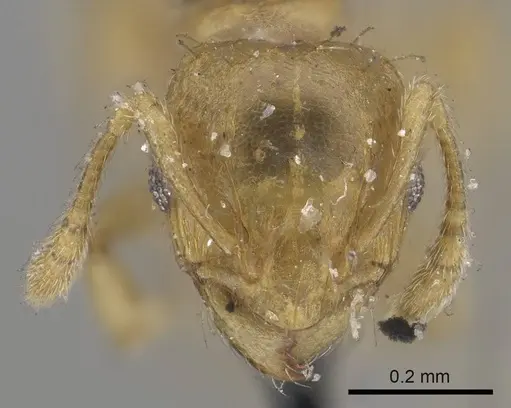
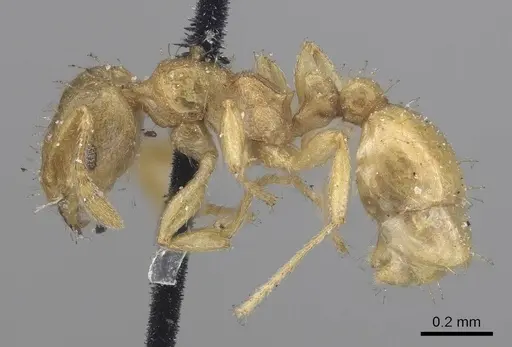
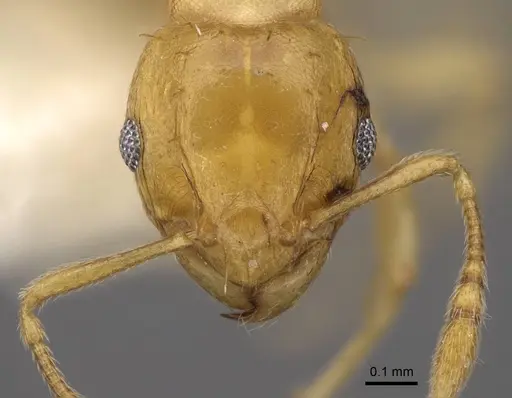
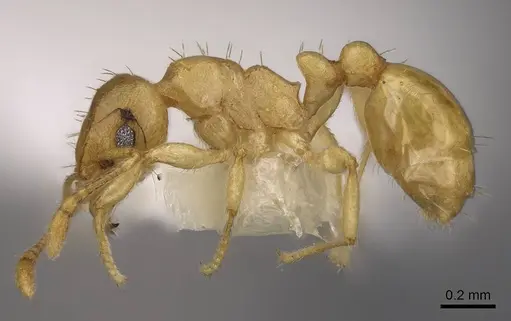
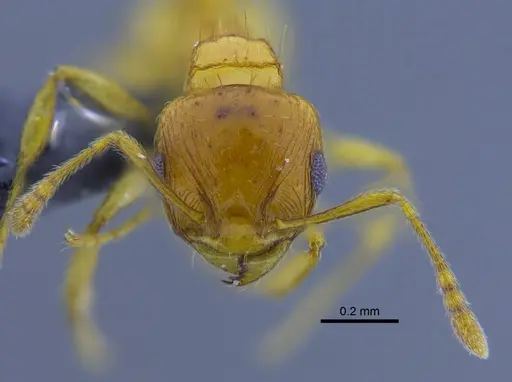
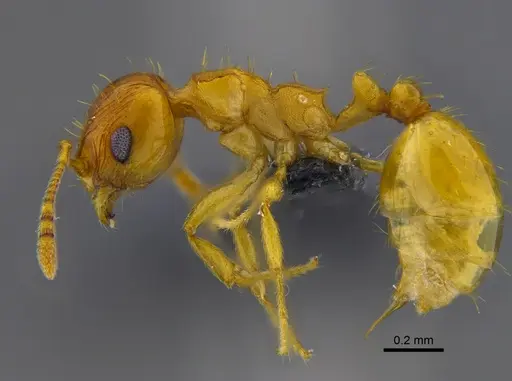
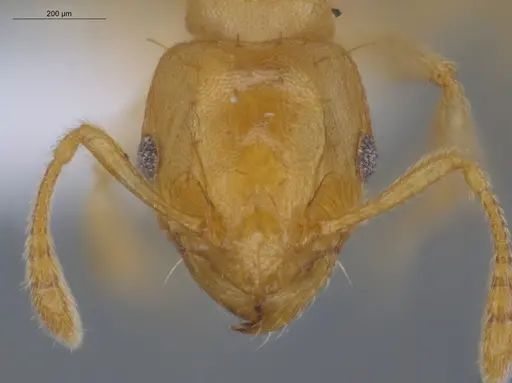
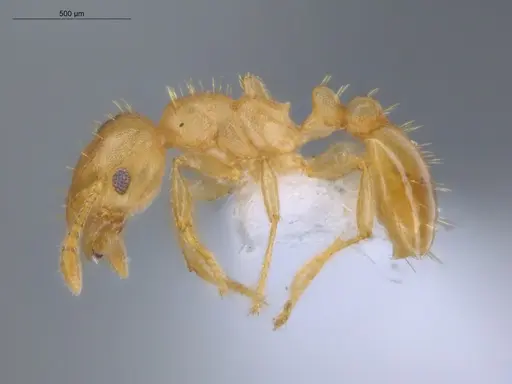
Ochetomyrmex semipolitus is a tiny, cryptobiotic ant native to South America, found across the Amazon and Cerrado regions from Colombia to Argentina [1][2]. Workers measure just 1.85-2.14mm and are brownish-black with distinctive frontal carinae (ridge-like structures) that stretch backward past the eyes and fine longitudinal lines on the face [1]. These ants live hidden within leaf litter on the forest floor, making them difficult to study in the wild [2]. They are monomorphic (all workers the same size) and belong to the tribe Attini, the same group that includes leaf-cutter ants, though this genus is not a fungus grower [2]. The species has a complicated taxonomic history with several synonyms, having been confused with the genus Pheidole due to their similar appearance [2].
Quick Summary
- Difficulty: Medium
- Origin & Habitat: South America, found in leaf litter of tropical lowland forests in the Amazon and Cerrado biomes, from Colombia and Guyana south through Brazil to Argentina [2][1]. They occur at elevations between 100m and 1,300m and are more common in pristine terra firme forest areas [3][2].
- Colony Type: Unknown, colony structure has not been documented in scientific literature. They likely form small colonies given their cryptobiotic lifestyle and small worker size.
- Size & Growth:
- Queen: Undescribed, queens have not been measured in scientific literature
- Worker: 1.85-2.14mm total length [1]
- Colony: Unknown, likely small to moderate given their cryptic lifestyle
- Growth: Unknown
- Development: Unknown, no development data exists for this species (Based on related Myrmicinae of similar size, estimate 4-8 weeks at optimal temperature. This is a rough estimate only.)
- Antkeeping:
- Temperature: Keep at 24-28°C, these are tropical forest ants that need warm, stable conditions. A heating cable on one side of the nest creates a suitable gradient.
- Humidity: High humidity is essential, they live in leaf litter in tropical forests. Keep the nest substrate consistently moist but not waterlogged. Provide a water tube as a humidity source.
- Diapause: Unlikely, as tropical ants from regions with minimal seasonal temperature variation, they probably do not require a true hibernation period. They may show reduced activity during cooler months.
- Nesting: These tiny leaf-litter ants need tight chambers and narrow passages scaled to their small size. A Y-tong (AAC) nest or plaster nest with small chambers works well. Provide a layer of moist substrate they can burrow into. Avoid tall, open spaces.
- Behavior: Very cryptic and shy, they spend most of their time hidden in leaf litter and substrate, rarely emerging into the open. They are likely generalist predators that hunt small arthropods in the micro-layer of forest floor debris [3]. Workers probably forage individually rather than in visible trails. They are not aggressive and unlikely to sting humans due to their tiny size. Escape prevention is important, their small size means they can slip through standard barriers.
- Common Issues: small size makes escape likely without fine mesh barriers, high humidity requirements can lead to mold if ventilation is poor, wild-caught colonies may be difficult to establish due to their cryptic nature, no information on founding behavior makes colony establishment unpredictable, tropical species may struggle in air-conditioned rooms with low humidity
Natural History
Ochetomyrmex semipolitus is one of the most cryptic ants in the South American fauna, spending its entire existence hidden within the leaf litter layer of tropical forests [2]. These tiny ants are monomorphic (all workers the same size) and cryptobiotic, meaning they live concealed in the micro-habitats formed by decomposing leaves and debris on the forest floor [2]. They are found across a wide geographic range spanning from Colombia and Guyana in the north, through the Amazon basin in Brazil, down to Argentina in the south [1]. The species is more common in the Amazon and Cerrado biomes and appears to be an indicator of habitat quality, their presence often correlates with pristine terra firme forest and high ant diversity [2][4].
The genus Ochetomyrmex contains only two species and has been historically confused with Pheidole due to their similar morphology [2]. This taxonomic confusion has likely led to underestimating their true distribution in scientific literature [2]. In Amazonian forests, they are classified as subordinate species, they have the ability to recruit to food and monopolize resources but do so less frequently than dominant species [5]. Studies show they can be locally dominant on certain understory plants, occupying nearly half of all monitored plants in some surveys [6].
Housing and Nest Setup
Because Ochetomyrmex semipolitus is a tiny leaf-litter species, your setup needs to reflect their natural micro-habitat. These ants are about 2mm long and spend their lives hidden in tight spaces between decomposing leaves and soil [1]. A Y-tong (AAC) nest or plaster formicarium with small, tight chambers works best, avoid large open spaces that would feel unnatural to them.
Keep the nest substrate consistently moist. In the wild, they live in the constantly humid environment of tropical forest leaf litter. The substrate should feel damp to the touch but never waterlogged. A water tube attached to the nest provides a reliable humidity source. Good ventilation is important to prevent mold, but avoid placing the nest in direct airflow that would dry it out.
Because of their very small size, escape prevention must be excellent. Use fine mesh on any openings and consider applying fluon or another barrier to the rim of the outworld. These ants can slip through gaps that seem impossibly small.
Feeding and Diet
Based on their classification as probably epigaeic generalist predators, these ants likely hunt small arthropods in the leaf litter layer [3]. In captivity, you should offer small live prey such as fruit flies, pinhead crickets, small mealworms, and other tiny insects. Dust prey with calcium powder occasionally for calcium supplementation.
The acceptance of sugar sources is uncertain, while some Myrmicinae readily accept honey or sugar water, this species' diet in the wild is not well documented. You can offer a small amount of honey water occasionally, but do not rely on it as a primary food source. Focus on providing varied protein sources.
Feed small amounts every 2-3 days, removing any uneaten prey after 24 hours. Because they are cryptobiotic, you may not see them emerge to feed immediately, they may drag prey back into their chambers before you observe it.
Temperature and Seasonal Care
As tropical forest ants from the Amazon and Cerrado regions, Ochetomyrmex semipolitus requires warm, stable temperatures. Aim for 24-28°C in the nest area. A small heating cable placed on one side of the nest can create a suitable temperature gradient, place it on top of the nest, not underneath, to avoid evaporating moisture too quickly.
These ants likely do not require a true hibernation period since they come from regions with minimal seasonal temperature variation. However, they may show reduced activity during cooler months. If your room temperature drops significantly in winter, a small heat source helps maintain activity.
Avoid placing the colony near air conditioning vents or in rooms with temperature fluctuations, tropical species are sensitive to sudden changes. A consistent room temperature in the low-to-mid 70s Fahrenheit (24-26°C) is ideal. [2]
Behavior in Captivity
This is one of the more challenging ants to observe in captivity because of their cryptobiotic nature. Unlike ants that readily traverse an outworld, Ochetomyrmex semipolitus will likely spend most of their time hidden within the nest substrate. You may see workers occasionally emerge to collect prey, but they are not a showy species.
They are not aggressive and unlikely to sting, their tiny size means even if they have a stinger, it cannot penetrate human skin. They should be considered a 'watching-under-a-magnifying-glass' species rather than an interactive one.
Colony growth is likely slow given the lack of documented large colonies in the wild. Do not expect rapid population increases. Patience is key with this species. [3][5]
Frequently Asked Questions
How long does it take for Ochetomyrmex semipolitus to produce first workers?
The egg-to-worker development time is unknown, no scientific data exists for this species. Based on similar small Myrmicinae, estimate 4-8 weeks at optimal temperature (24-28°C). This is a rough estimate only.
Can I keep multiple queens together?
Colony structure is unconfirmed for this species. Combining unrelated queens has not been documented and is not recommended. Most Myrmicinae are aggressive toward unrelated queens during founding.
Are Ochetomyrmex semipolitus good for beginners?
This species is not ideal for beginners. They require high humidity, warm temperatures, and their cryptic nature makes it difficult to observe colony activity. Additionally, almost no captive care information exists for this species.
What do Ochetomyrmex semipolitus eat?
They are likely generalist predators. Feed small live prey like fruit flies, pinhead crickets, and small mealworms. Sugar acceptance is uncertain, offer honey water occasionally but do not rely on it.
How big do Ochetomyrmex semipolitus colonies get?
Colony size is unknown. Based on their cryptic lifestyle and the fact that they are classified as subordinate species in the wild, colonies are likely small, probably under 100-200 workers.
Do they need hibernation?
Probably not, they are tropical ants from regions with minimal seasonal temperature variation. They may show reduced activity in cooler months but likely do not require a true diapause period.
When should I move them to a formicarium?
Keep them in a test tube setup initially. Move to a small Y-tong or plaster nest once the colony reaches 20-30 workers and you see them using the outworld regularly. Their small size means the transition chambers should be narrow.
Why can't I see my ants?
This is normal, Ochetomyrmex semipolitus is cryptobiotic, meaning they live hidden within leaf litter and substrate. They are not an outworld-active species. You may only see occasional foragers.
Is this species invasive?
No. Ochetomyrmex semipolitus is native to South America and has never been documented as invasive anywhere. However, never release any ant outside its native range.
References

This caresheet is licensed under CC BY-SA 4.0 .
CASENT0178481
View on AntWeb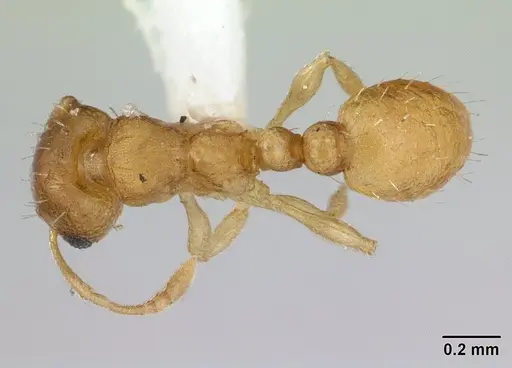
CASENT0178482
View on AntWeb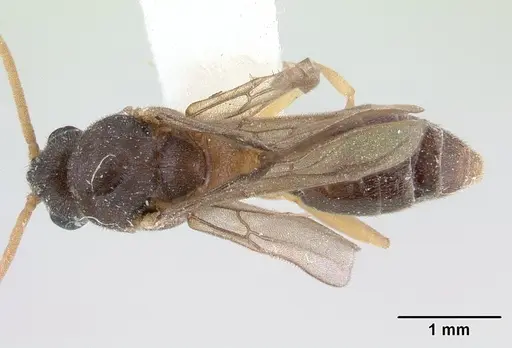
CASENT0178483
View on AntWeb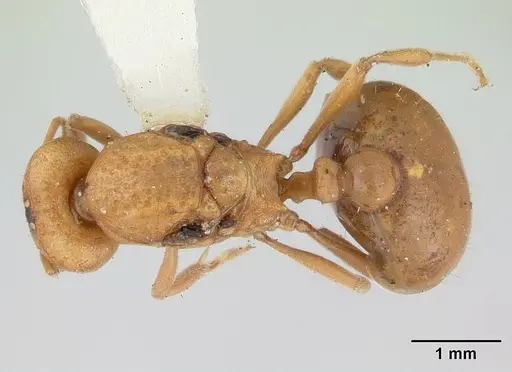
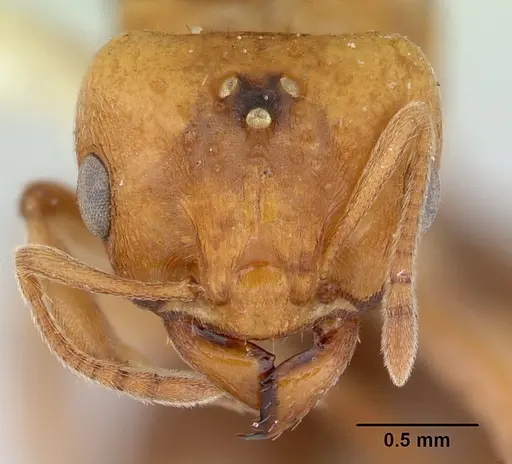
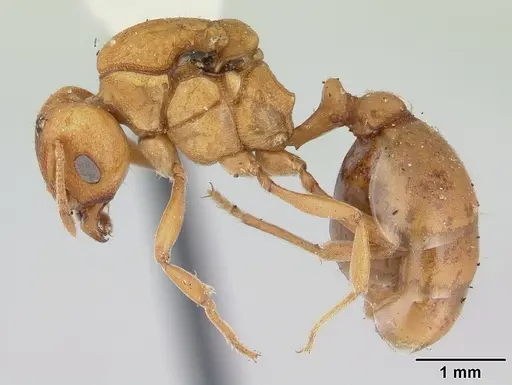
CASENT0178552
View on AntWeb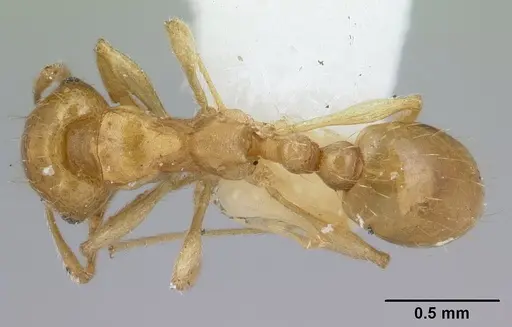
CASENT0179475
View on AntWeb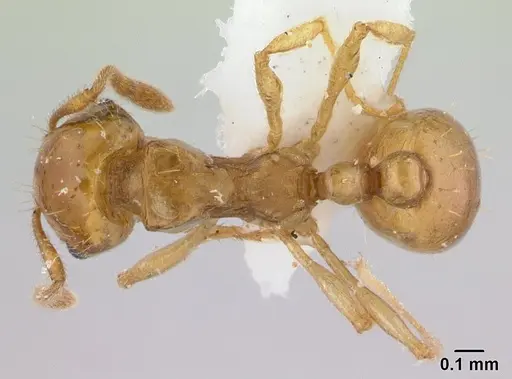
CASENT0179593
View on AntWeb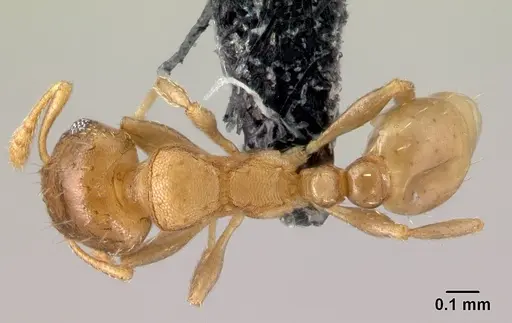
CASENT0909210
View on AntWeb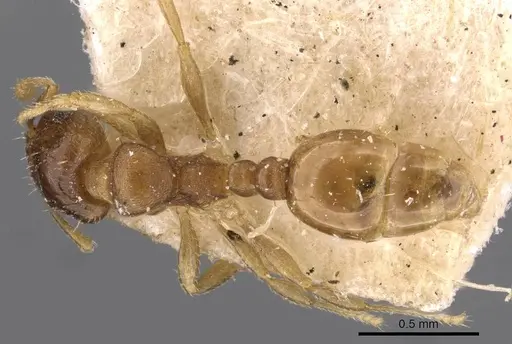
CASENT0909211
View on AntWeb
CASENT0919729
View on AntWeb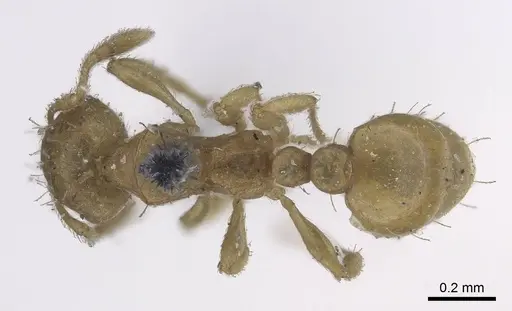
CASENT0922803
View on AntWeb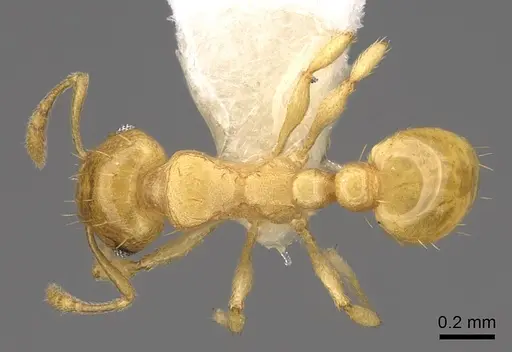
CBUMAGENT41910
View on AntWeb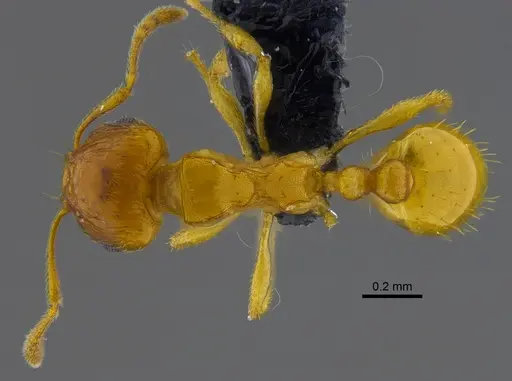
ECOFOG-IT14-0457-08
View on AntWeb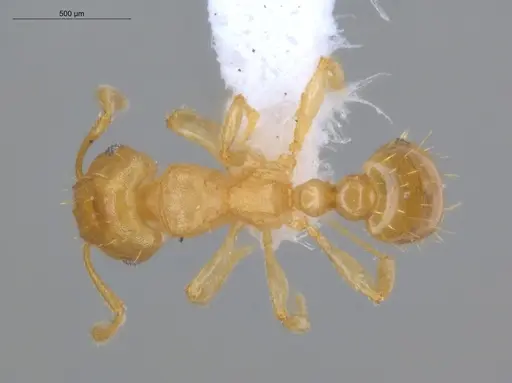
Literature
Loading...Loading products...