

Ochetellus punctatissimus
- Scientific Name
- Ochetellus punctatissimus
- Tribe
- Leptomyrmecini
- Subfamily
- Dolichoderinae
- Author
- Emery, 1887
- Distribution
- Found in 1 countries
Ochetellus punctatissimus Overview
Ochetellus punctatissimus is an ant species of the genus Ochetellus. It is primarily documented in 1 countries , including Australia. Detailed taxonomic data and occurrence records can be further explored via authoritative databases such as AntWeb or the Global Biodiversity Information Facility (GBIF).
Ochetellus punctatissimus
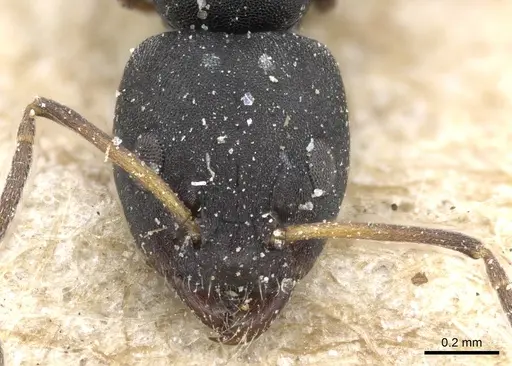
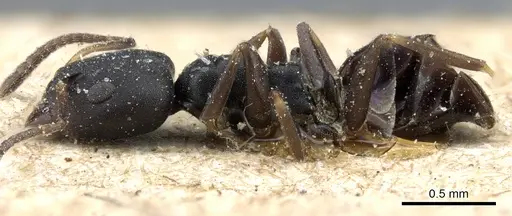
Ochetellus punctatissimus is a small ant species native to Australia, belonging to the subfamily Dolichoderinae. Workers are small, typically measuring around 3-4mm, with a dark coloration and distinctive punctate (dotted) surface texture on their body, which gives them their species name 'punctatissimus' meaning 'most dotted' [1]. The genus Ochetellus contains several Australian species commonly known as 'velvet ants' due to their somewhat velvety appearance, though they are true ants not related to the wasp family Mutillidae. These ants are found throughout Australia, with records from Tasmania and various mainland regions [2][1].
As a Dolichoderine ant, Ochetellus punctatissimus likely possesses the characteristic anal gland secretions that give many ants in this subfamily a distinctive smell when disturbed. They are opportunistic nesters that can adapt to various nesting situations in their native Australian habitat. While not as well-studied as some common pet ants, they represent an interesting species for antkeepers interested in Australian native species.
Quick Summary
- Difficulty: Medium
- Origin & Habitat: Native to Australia, found in Tasmania and mainland Australia. They inhabit sclerophyll forest communities and likely other Australian habitats [2][1].
- Colony Type: Likely monogyne (single-queen colonies), though this is inferred from typical Ochetellus behavior rather than specifically documented for this species.
- Colony: Monogyne
- Founding: Claustral
- Size & Growth:
- Queen: Estimated 5-6mm based on genus patterns
- Worker: Approximately 3-4mm [1]
- Colony: Likely moderate colonies of several hundred workers based on typical genus size
- Growth: Moderate
- Development: Estimated 6-8 weeks based on related Dolichoderinae species at optimal temperature (Development time is inferred from genus-level data since specific development has not been documented for this species)
- Antkeeping:
- Temperature: Keep at 22-26°C. Australian species generally prefer warmer conditions, but avoid overheating. A gentle temperature gradient allows workers to self-regulate
- Humidity: Moderate humidity around 50-60%. They likely prefer drier conditions typical of Australian sclerophyll habitats. Allow the nest to dry out partially between water additions
- Diapause: Likely requires a winter rest period of 2-3 months at 10-15°C, consistent with Australian temperate zone species. Reduce feeding and activity during this period
- Nesting: They are opportunistic nesters. In captivity, test tubes work well for founding colonies. Once established, they adapt to various nest types including acrylic, Y-tong, or naturalistic setups. Provide a shallow water reservoir
- Behavior: These ants are defensive and will readily alert the colony when the nest is disturbed. Workers are active foragers that likely search for honeydew and small insects. As Dolichoderines, they may release a defensive secretion when threatened. Their small size means escape prevention is important, use fine mesh barriers and ensure any connections between outworld and nest are secure. They are not aggressive toward humans but will defend their nest vigorously.
- Common Issues: colonies may fail if temperatures exceed 30°C, keep them in a cool location away from direct sunlight, escape prevention requires attention due to their small size, check all connections and use appropriate mesh, winter dormancy is important for colony health, skipping hibernation may weaken the colony over time, wild-caught colonies may carry parasites that can devastate captive colonies, limited availability means finding a colony may require connecting with Australian antkeepers
Housing and Nest Setup
Ochetellus punctatissimus adapts well to various captive setups. For founding colonies, a simple test tube setup works perfectly, fill a test tube one-third with water, plug the water end with a cotton ball, and place the queen in the tube. The queen will seal herself into a chamber and begin laying eggs. Once you have 10-20 workers, you can connect the test tube to an outworld for foraging. For established colonies, acrylic nests, Y-tong nests, or naturalistic setups all work well. These ants are not particularly demanding about nest materials but appreciate a clean, secure enclosure. Ensure any connections between the nest and outworld are snug, their small size means they can slip through surprisingly small gaps. A small water tube or cotton reservoir provides moisture, but avoid oversaturating the nest as they prefer moderately dry conditions.
Feeding and Diet
Like most Dolichoderine ants, Ochetellus punctatissimus is an opportunistic feeder that accepts both sugar sources and protein. Offer sugar water, honey, or diluted syrup as a constant energy source. For protein, provide small insects like fruit flies, small crickets, or mealworm pieces. They will also collect honeydew if you haveaphids available. Feed protein every 2-3 days, removing any uneaten prey after 24 hours. The amount depends on colony size, start with small portions and adjust based on how quickly they consume the food. Fresh water should always be available. Avoid overfeeding as decaying food can mold and harm the colony.
Temperature and Seasonal Care
Maintain temperatures between 22-26°C for optimal colony health and development. These Australian ants prefer warmth but will do fine at room temperature in most homes. Avoid placing the colony in direct sunlight or near heat sources that could cause overheating. During the Australian winter months (roughly June-August in the southern hemisphere), the colony will benefit from a cooling period. Reduce temperature to 10-15°C for 2-3 months to simulate winter. During this time, reduce feeding significantly, the colony will be less active and require less food. Do not cool suddenly, reduce temperature gradually over 1-2 weeks. Skipping this dormancy period may weaken the colony over time, though they can tolerate it if necessary.
Behavior and Colony Dynamics
Workers of Ochetellus punctatissimus are active foragers that search the outworld for food sources. When you first connect an outworld, workers may take a few days to venture out, this is normal. They are defensive of their nest and will quickly mobilize when the colony is disturbed. As with other Dolichoderines, they may release a pungent secretion from their anal glands when threatened, this is their primary defense mechanism and is harmless to humans. The colony will grow from a single queen through the claustral founding stage, where she raises the first workers (nanitics) entirely on her own. These initial workers are smaller than subsequent generations. Expect the colony to grow moderately over the first year, with growth rate depending on temperature and feeding.
Frequently Asked Questions
How long does it take for Ochetellus punctatissimus to raise first workers?
Expect first workers (nanitics) to emerge around 6-8 weeks after the queen lays eggs, assuming temperatures around 24°C. This timeline is based on typical Dolichoderinae development and may vary slightly. The queen will remain in her sealed chamber caring for the brood until the first workers emerge.
Can I keep multiple Ochetellus punctatissimus queens together?
This species is likely monogyne (single-queen) in nature. Combining unrelated queens is not recommended as they will likely fight. If you find a colony with multiple queens in the wild, this may indicate pleometrosis (multiple queens founding together) but it's best to keep only one queen per colony for successful captive keeping.
What temperature is best for Ochetellus punctatissimus?
Keep them between 22-26°C. Room temperature is usually suitable. Avoid temperatures above 30°C as this can kill the colony. A temperature gradient is ideal so workers can choose their preferred spot.
Do Ochetellus punctatissimus need hibernation?
Yes, they likely benefit from a winter rest period. Reduce temperatures to 10-15°C for 2-3 months during winter. Reduce feeding during this time. This mimics their natural seasonal cycle in temperate Australia.
How big do Ochetellus punctatissimus colonies get?
Based on typical genus size, expect colonies to reach several hundred workers over 1-2 years. They are not among the largest ant species but can form substantial colonies with proper care.
Are Ochetellus punctatissimus good for beginners?
They are moderately difficulty. They are not as forgiving as some common species but are not particularly demanding either. Their small size and need for escape prevention make them slightly more challenging than larger, hardier species. They are a good choice if you have some experience with basic ant keeping and want to try an Australian species.
What do Ochetellus punctatissimus eat?
They accept a varied diet. Offer sugar water, honey, or syrup as an energy source. For protein, provide small insects like fruit flies, small crickets, or mealworm pieces. They will also collect honeydew from aphids if available. Feed protein every 2-3 days and keep sugar water available constantly.
When should I move Ochetellus punctatissimus to a formicarium?
You can keep them in a test tube setup indefinitely if the tube remains clean. However, once the colony reaches 20-30 workers and you want to observe them more closely, you can connect the test tube to an outworld or move them to a proper formicarium. They adapt well to various setups.
Why are my Ochetellus punctatissimus dying?
Common causes include: temperature stress (too hot or too cold), mold from overwatering or decaying food, parasites from wild-caught colonies, or escape-related losses. Check your temperature, ensure food is removed if not eaten, and verify all connections are secure. If the colony is small, some worker mortality is normal, focus on the queen and brood.
References

This caresheet is licensed under CC BY-SA 4.0 .
CASENT0905059
View on AntWeb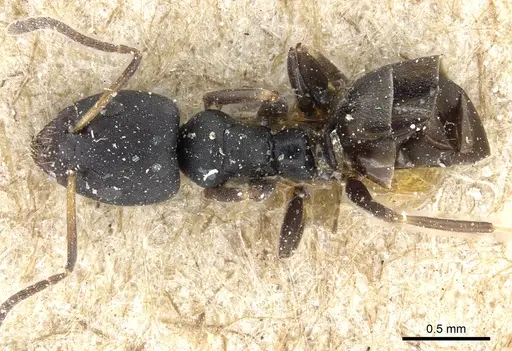
Literature
Loading...Loading products...