

Ochetellus flavipes
- Scientific Name
- Ochetellus flavipes
- Tribe
- Leptomyrmecini
- Subfamily
- Dolichoderinae
- Author
- Kirby, 1896
- Distribution
- Found in 1 countries
Ochetellus flavipes Overview
Ochetellus flavipes is an ant species of the genus Ochetellus. It is primarily documented in 1 countries , including Australia. Detailed taxonomic data and occurrence records can be further explored via authoritative databases such as AntWeb or the Global Biodiversity Information Facility (GBIF).
Ochetellus flavipes
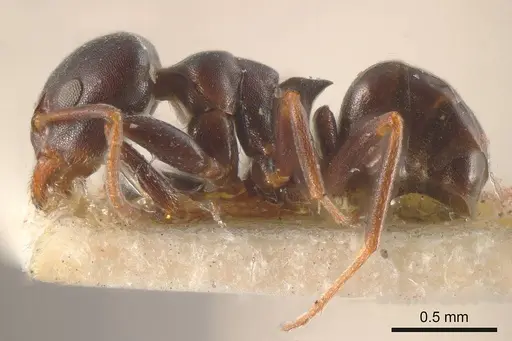
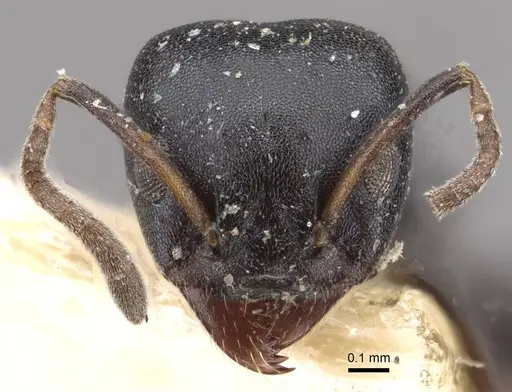
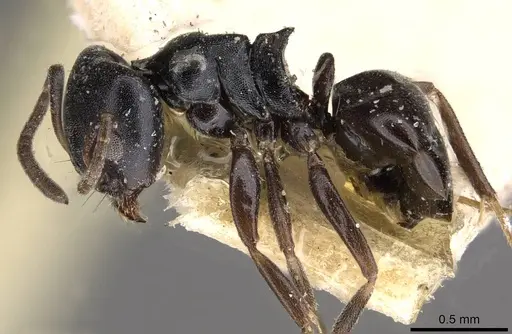
Ochetellus flavipes is a small, dark ant native to Australia, belonging to the Dolichoderinae subfamily. Workers measure around 3-4mm with a distinctive appearance featuring dark body coloration and pale legs, which gives them their species name 'flavipes' meaning yellow-footed. These ants are strongly associated with spinifex grass (Triodia) in arid and semi-arid regions across Australia, particularly in Western Australia and the Pilbara region [1].
What makes Ochetellus flavipes particularly interesting is their unique relationship with spinifex. They use the plant's resin to construct tunnels connecting their nests and foraging areas, a behavior that was traditionally known to local Aboriginal people who collected this same resin for use as a binding agent [1]. They forage using trail networks and collect honeydew from trophobionts (sap-sucking insects) that they protect in leaf shelters [2].
Quick Summary
- Difficulty: Medium
- Origin & Habitat: Arid and semi-arid Australia, particularly Western Australia and the Pilbara region. They nest in spinifex grass (Triodia) and are associated with wood or manmade structures [3][4].
- Colony Type: Likely monogyne (single queen colonies) based on typical Dolichoderinae patterns. Colonies are moderate in size with workers using trail networks for foraging [2].
- Colony: Monogyne
- Founding: Semi-claustral
- Size & Growth:
- Queen: Estimated 5-6mm based on genus typical sizes
- Worker: Approximately 3-4mm [3]
- Colony: Likely several hundred workers based on related Dolichoderinae
- Growth: Moderate
- Development: Estimated 6-8 weeks at optimal temperature based on genus patterns (Development time inferred from related Dolichoderinae species, actual timeline may vary)
- Antkeeping:
- Temperature: As a hot climate specialist [4], keep them warm at 24-30°C. They tolerate high temperatures in their arid native habitat.
- Humidity: Low to moderate, these are arid-adapted ants. Keep nesting area relatively dry, mimicking spinifex habitat conditions.
- Diapause: Unlikely required, as an Australian arid-adapted species, they likely remain active year-round in warm conditions. If kept in cooler climates, a brief cool period may slow activity but true hibernation is not expected.
- Nesting: Prefers dry, arid conditions. Y-tong (AAC) nests or plaster nests work well. They naturally nest in spinifex and wood, so provide appropriate nesting media. Avoid overly humid conditions.
- Behavior: These ants are relatively docile and not aggressive. They form foraging trail networks to collect honeydew from trophobionts [2]. Workers are active foragers but not particularly defensive. Their small size (3-4mm) means they can escape through small gaps, use fine mesh barriers and ensure excellent escape prevention.
- Common Issues: escape prevention is critical due to their small size, they can squeeze through tiny gaps, overly humid conditions can be harmful, these are arid-adapted ants, wild-caught colonies may have parasites, quarantine and monitor new colonies, colonies may decline if kept too cool, they need warm conditions year-round
Nest Preferences and Housing
Ochetellus flavipes naturally nests in spinifex grass (Triodia) and is often found associated with wood or manmade structures [3]. In captivity, they adapt well to various nest types including Y-tong (AAC) nests, plaster nests, or naturalistic setups with appropriate materials. The key is providing dry to moderately humid conditions, these are arid-adapted ants that do not thrive in damp environments. A small water reservoir for humidity is sufficient, avoid creating wet or waterlogged conditions. Because they naturally use resin to build tunnels, they may appreciate having some organic material in a naturalistic setup, but this is not required. Keep the nest area relatively compact as colonies don't start large.
Feeding and Diet
In the wild, Ochetellus flavipes forages using trail networks and collects honeydew from trophobionts (sap-sucking insects) protected in leaf shelters [2]. This means they are primarily sugar feeders in captivity. Offer sugar water, honey, or diluted syrup regularly. They will also accept small protein sources like fruit flies, small crickets, or mealworms. Since they naturally tend aphids and scale insects for honeydew, providing a sugar source should be their dietary foundation. Feed protein 1-2 times per week and keep sugar water available constantly. Remove uneaten prey after 24 hours to prevent mold.
Temperature and Seasonal Care
As a Hot Climate Specialist [4], Ochetellus flavipes requires warm conditions. Keep the nest area at 24-30°C for optimal colony health and development. They are adapted to arid Australian conditions and can tolerate higher temperatures than many other ant species. A heating cable on one side of the nest can help maintain warmth, but ensure there's a temperature gradient so workers can choose their preferred area. Unlike temperate species, they likely do not require a true hibernation period. If your room temperature drops below 20°C consistently, consider providing gentle heating. These ants are active year-round in their native habitat and will remain active in captivity if kept warm.
Behavior and Foraging
Ochetellus flavipes uses trail networks for foraging [2], which is an interesting behavior to observe in captivity. Workers will establish defined paths between the nest and food sources. They are not particularly aggressive or defensive, their primary defense is retreating into the nest. Colonies are relatively peaceful and can be kept alongside other ant colonies with proper barriers if needed. The workers are active foragers and will readily explore their outworld for food. Their small size means they are excellent climbers and can scale smooth surfaces, so escape prevention must be thorough. Use fluon on nest rims and fine mesh on any ventilation openings.
Colony Development
Colony growth is moderate. Queens are estimated at 5-6mm with workers at 3-4mm. Based on typical Dolichoderinae development patterns, you can expect first workers (nanitics) around 6-8 weeks after the queen lays her first eggs, provided temperatures are warm (around 26-28°C). Initial colonies grow slowly as the queen raises the first brood alone. Once established, growth accelerates as more workers contribute to brood care and foraging. A mature colony may reach several hundred workers. The colony will expand brood production as worker numbers increase. Regular feeding and warm temperatures are key to healthy colony development.
Frequently Asked Questions
Can I keep Ochetellus flavipes in a test tube?
Yes, you can start them in a test tube setup. Use a standard test tube with a water reservoir plugged with cotton. Keep it in a warm, dry location. However, because they prefer arid conditions, monitor humidity carefully, test tubes can become too damp. Consider transitioning to a Y-tong or plaster nest once the colony reaches 20-30 workers.
What do Ochetellus flavipes eat?
They are primarily sugar feeders. Offer sugar water, honey, or diluted syrup constantly. They also accept small protein sources like fruit flies, small crickets, or mealworms 1-2 times per week. In the wild, they collect honeydew from aphids and scale insects, so sugar should be their dietary foundation.
How long until first workers appear?
Expect first workers around 6-8 weeks after founding at optimal temperature (26-28°C). This is an estimate based on related Dolichoderinae species, actual timing may vary. The queen will lay eggs, which develop through larvae and pupae before emerging as workers. Keep the colony warm and feed the queen small prey items during the founding stage.
Do Ochetellus flavipes need hibernation?
No, they do not require hibernation. As an arid-adapted Australian species, they remain active year-round in warm conditions. If kept at room temperature (around 22-26°C), they will stay active throughout the year. Only reduce temperatures if your room is extremely warm (above 32°C), in which case a slight reduction may help.
Are Ochetellus flavipes good for beginners?
They are a medium-difficulty species. They are forgiving of some temperature variation and don't require complex humidity control. However, their small size means escape prevention is critical, and they need warm conditions year-round. If you're comfortable with basic ant keeping and can maintain warm temperatures, they make interesting pets with their trail-forming behavior.
When should I move them to a formicarium?
Move them when the test tube becomes crowded or the colony reaches around 30-50 workers. Signs include workers constantly clustering at the cotton, condensation issues, or the queen moving toward the water reservoir. A Y-tong or plaster nest works well for this species. Make the transition gradual by connecting the test tube to the new nest.
How big do Ochetellus flavipes colonies get?
Based on related Dolichoderinae species, colonies likely reach several hundred workers at maturity. Growth is moderate, expect several months to reach 50 workers, then faster expansion as the workforce increases. A well-fed colony in warm conditions can potentially reach 300-500 workers over a year or two.
Why are my Ochetellus flavipes dying?
Common causes include: too high humidity (they're arid-adapted), temperatures below 20°C, poor escape prevention allowing escapes, or insufficient sugar in their diet. Check that the nest is not too damp and that sugar water is always available. Also ensure they're in a warm location. If workers are dying outside the nest, it may indicate disease or stress, reduce disturbance and ensure proper care conditions.
Can I keep multiple queens together?
Based on typical Dolichoderinae behavior, this species is likely monogyne (single queen). Combining unrelated queens is not recommended as they likely will fight. If you acquire a wild colony, it will typically have one queen. Multiple queen arrangements (polygyne) have not been documented for this species.
References

This caresheet is licensed under CC BY-SA 4.0 .
ANTWEB1008190
View on AntWeb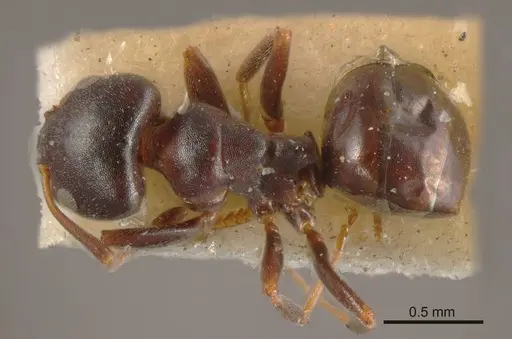
CASENT0909561
View on AntWeb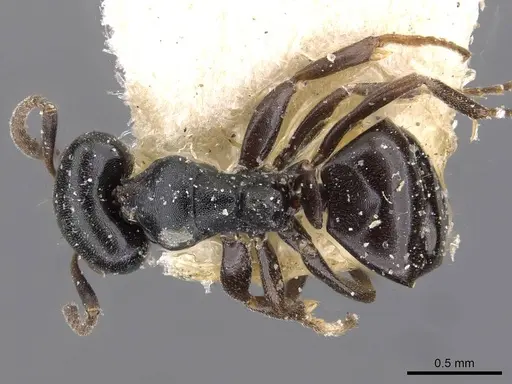
Literature
Loading...Loading products...