

Nylanderia vitiensis
- Scientific Name
- Nylanderia vitiensis
- Tribe
- Lasiini
- Subfamily
- Formicinae
- Author
- Mann, 1921
- Distribution
- Found in 2 countries
Nylanderia vitiensis Overview
Nylanderia vitiensis is an ant species of the genus Nylanderia. It is primarily documented in 2 countries , including Fiji, Wallis and Futuna. Detailed taxonomic data and occurrence records can be further explored via authoritative databases such as AntWeb or the Global Biodiversity Information Facility (GBIF).
Nylanderia vitiensis
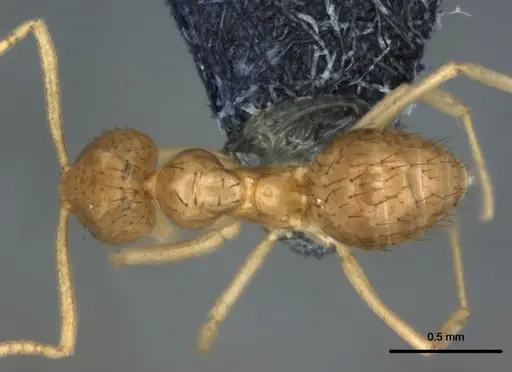
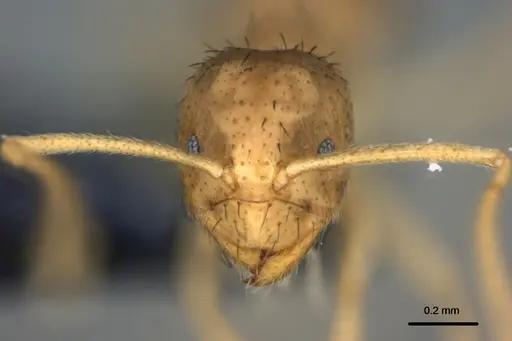
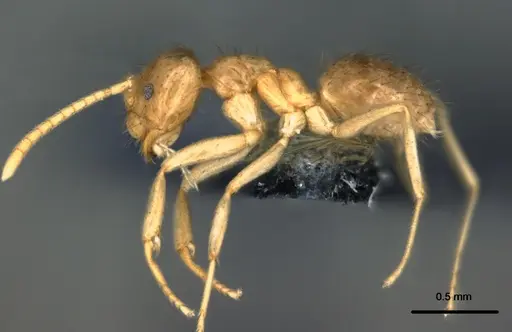
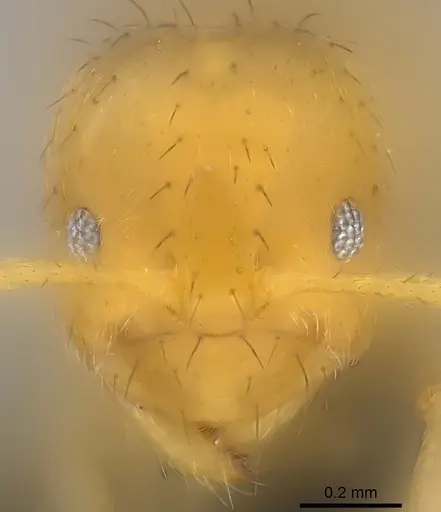
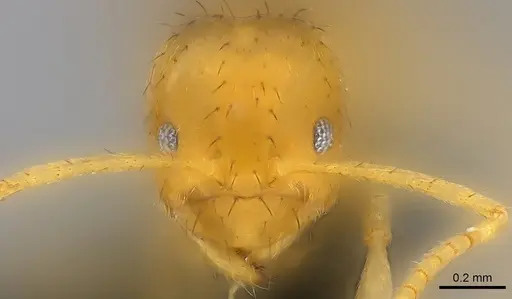
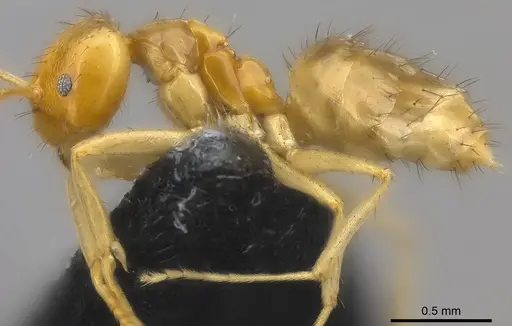
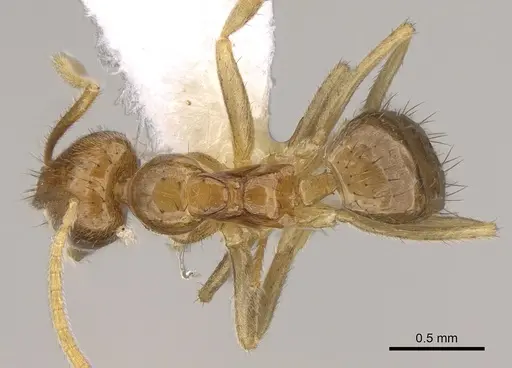
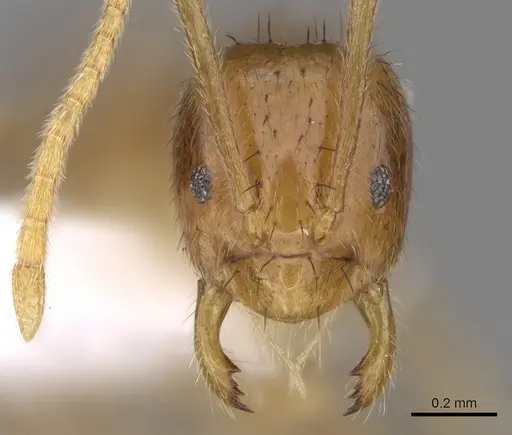
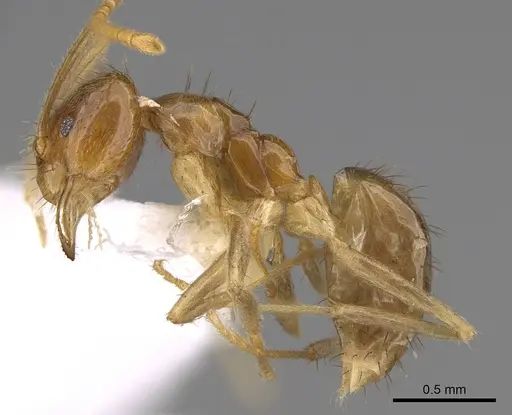
Nylanderia vitiensis is a small, shiny yellow-brown ant native to Fiji and the Society Islands in the South Pacific. Workers are tiny at around 2-3mm with notably small eyes and very sparse body hairs, giving them a smooth, almost glossy appearance. This species belongs to the Prenolepis genus group and is closely related to N. glabrior, from which it can be distinguished by its smaller eyes, paler yellow coloration, and finer body hairs [1]. In the wild, these ants nest in rotting logs and can be found foraging in both leaf litter and on vegetation across the Fijian islands [1].
Quick Summary
- Difficulty: Easy
- Origin & Habitat: Fiji and Society Islands (Tahiti, Raiatea), tropical Pacific islands. In the wild, they nest in rotting logs and forages in leaf litter and on vegetation [1].
- Colony Type: Likely polygynous (multi-queen) based on typical Nylanderia patterns. Colonies are frequently encountered in Fiji, suggesting large, established colonies are common [1].
- Colony: Polygyne
- Founding: Claustral
- Size & Growth:
- Queen: Estimated 4-5mm based on genus patterns
- Worker: Estimated 2-3mm based on genus patterns [1]
- Colony: Likely several hundred to a few thousand workers based on typical Nylanderia colony sizes
- Growth: Moderate, typical for tropical ants
- Development: Estimated 5-8 weeks at tropical temperatures (25-28°C) based on related Prenolepis genus-group species (Development time is estimated from related species, direct observations for this specific species are not available)
- Antkeeping:
- Temperature: Keep at 24-28°C (warm tropical conditions). Room temperature is acceptable if your home stays above 22°C. A small heating cable on one side of the nest can help maintain warmth if needed.
- Humidity: Maintain moderate to high humidity (60-80%). These ants come from damp tropical environments and prefer moist nest substrate. Keep the nesting area consistently damp but not waterlogged.
- Diapause: No, as a tropical species, they do not require hibernation. Maintain warm temperatures year-round.
- Nesting: Rotting wood nesting species, Y-tong (AAC) nests or plaster nests work well. They also do well in test tube setups kept humid. Provide some cover and dark spaces for the colony to feel secure.
- Behavior: These are active, fast-moving ants typical of the Nylanderia genus. They are not aggressive and pose no threat to keepers. Workers are small but quick and can be escape artists due to their tiny size, use fine mesh barriers and ensure any gaps in your setup are sealed. They are generalist foragers and will explore widely for food.
- Common Issues: escape prevention is critical due to their very small size, they can squeeze through tiny gaps, tropical species requires consistent warmth, cold temperatures will slow or stop colony growth, wild-caught colonies may harbor parasites that can devastate captive colonies, small colony size initially means they can be easily lost or stressed if disturbed too much, they are active foragers and may wander extensively in the outworld, ensure it is escape-proof
Housing and Nest Setup
Nylanderia vitiensis does well in standard ant keeping setups. For founding colonies, a simple test tube setup works perfectly, fill a test tube about 1/3 with water, plug with cotton, and place the queen in the dark. For established colonies, Y-tong (AAC) nests or plaster nests are ideal because they hold humidity well while providing dark chambers. These ants naturally nest in rotting wood, so a naturalistic setup with cork or wood pieces can also work. Keep the nest humid but ensure some ventilation to prevent mold. The outworld should be simple with easy access to food and water. [1]
Feeding and Diet
Like other Nylanderia species, these ants are generalist omnivores. They readily accept sugar sources (honey water, sugar water) and protein (small insects like fruit flies, pinhead crickets, mealworms). In captivity, offer a drop of honey water or sugar water a few times per week, and provide small protein prey items once or twice weekly. Remove any uneaten prey after 24-48 hours to prevent mold. They are active foragers, so place food near the nest entrance where workers can easily find it.
Temperature and Seasonal Care
As a tropical species from Fiji, Nylanderia vitiensis requires warm conditions year-round. Keep the nest area at 24-28°C for optimal brood development. They do not need hibernation or cooling periods. If your room temperature drops below 22°C, use a small heating cable on one side of the nest to maintain warmth. Avoid sudden temperature changes. These ants are accustomed to stable tropical conditions, so consistency is more important than exact temperature. [1]
Colony Development
A newly mated queen will seal herself in a small chamber and lay her first eggs. She will not leave to forage during this time, she lives entirely on her stored fat reserves (this is called claustral founding). The first workers, called nanitics, will be smaller than normal workers and will emerge after several weeks. Once nanitics arrive, the colony will begin growing more steadily. Expect moderate growth rates, a healthy colony should reach several hundred workers within a year or two under good conditions. The queen is long-lived and can produce workers for many years.
Handling and Observation
These ants are small and fast-moving, making them challenging to handle directly. They are not aggressive and do not sting, so there is no danger to keepers. For observation, use a magnifying glass or macro lens on your camera. They are most active when the nest is warm and food is available. Watch for workers leaving the nest to forage in the outworld, this is normal behavior and indicates a healthy, active colony.
Frequently Asked Questions
How long does it take for Nylanderia vitiensis to get their first workers?
Expect first workers (nanitics) to emerge in about 5-8 weeks at warm tropical temperatures (25-28°C). This is an estimate based on related species in the genus, as specific development timing for N. vitiensis has not been documented.
Can I keep Nylanderia vitiensis in a test tube setup?
Yes, test tubes work well for founding colonies. Keep the water reservoir filled and maintain humidity by occasionally misting the area around the cotton. Place the tube in a dark location to help the queen feel secure.
What temperature do Nylanderia vitiensis need?
Keep them warm at 24-28°C. As a tropical species from Fiji, they do not tolerate cold well. Room temperature is usually fine, but use a small heater or heating cable if your home is cool.
Are Nylanderia vitiensis good for beginners?
Yes, they are considered easy to keep. They are forgiving of minor mistakes, do not require hibernation, and are not aggressive. The main challenge is their small size requiring good escape prevention.
How big do Nylanderia vitiensis colonies get?
Based on typical Nylanderia behavior, colonies likely reach several hundred to a few thousand workers. They are probably polygynous (multi-queen), which supports larger colony sizes.
What do Nylanderia vitiensis eat?
They are generalist omnivores. Offer sugar water or honey regularly, and supplement with small insects like fruit flies or pinhead crickets for protein. They will readily accept both sweet and protein foods.
Why are my Nylanderia vitiensis escaping?
Their small size makes them excellent escape artists. Check for any gaps or cracks in your setup, no matter how tiny. Use fine mesh barriers (mesh smaller than 0.5mm) on any ventilation holes. Ensure lids fit tightly and consider using fluon or barrier tape on smooth surfaces.
Do Nylanderia vitiensis need a diapause/hibernation?
No, they do not hibernate. As a tropical species from Fiji, they need warm conditions year-round. Cold temperatures can slow or stop colony development and may even kill the colony.
Can I keep multiple queens together in one colony?
Nylanderia species are typically polygynous (multi-queen) in the wild, so multiple queens may be accepted. However, introducing unrelated queens to an established colony carries risks. It is generally safer to let each queen found her own colony separately.
References

This caresheet is licensed under CC BY-SA 4.0 .
Literature
Loading...Loading products...