

Nylanderia taylori
- Scientific Name
- Nylanderia taylori
- Tribe
- Lasiini
- Subfamily
- Formicinae
- Author
- Forel, 1894
- Distribution
- Found in 2 countries
Nylanderia taylori Overview
Nylanderia taylori is an ant species of the genus Nylanderia. It is primarily documented in 2 countries , including China, India. Detailed taxonomic data and occurrence records can be further explored via authoritative databases such as AntWeb or the Global Biodiversity Information Facility (GBIF).
Nylanderia taylori
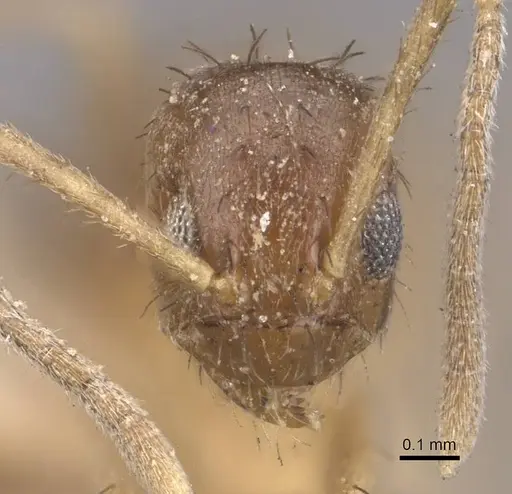
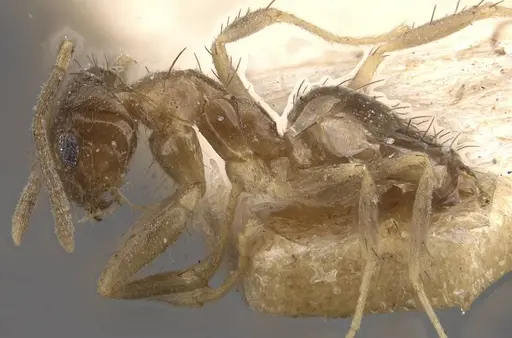
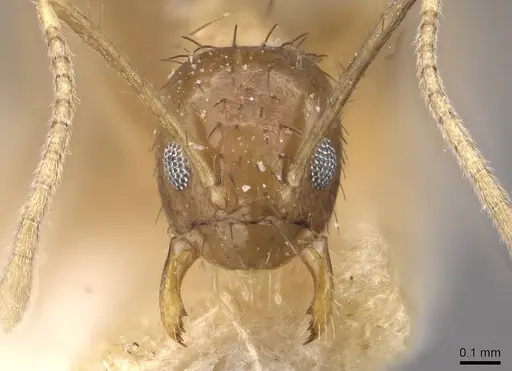
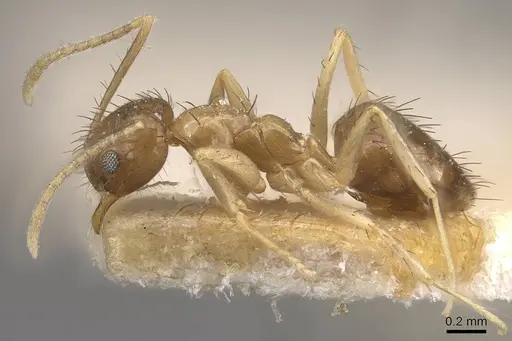
Nylanderia taylori is a tiny ant species native to South and Southeast Asia. Workers measure just 0.55-0.63mm, making them one of the smaller ants you'll encounter [1]. They have a brown head and gaster, with a mesosoma that ranges from yellow to brown, and their antennae and legs are yellowish [1]. Queens are slightly larger at 0.73-0.74mm with a lighter coloration pattern, yellow-brown head and mesosoma, yellow legs, and brown gaster [1]. This species is endemic to India and has also been recorded in Sri Lanka, Bangladesh, Nepal, and Bhutan [1][2][3]. What makes N. taylori interesting is its habitat specialization, it's a primary forest specialist that has never been found in secondary forest or rubber plantations, making it quite particular about its environment [4].
Quick Summary
- Difficulty: Medium
- Origin & Habitat: Native to India, Sri Lanka, Bangladesh, Nepal, and Bhutan. In India, it's been recorded across multiple states including Assam, Himachal Pradesh, Jammu & Kashmir, Kerala, Maharashtra, Orissa, Rajasthan, Sikkim, Uttarakhand, and West Bengal [2]. Found in primary forest habitats at elevations between 1000m and 3000m in the Himalayas [5][4]. Workers are typically collected from leaf litter, rotting wood, and underneath stones [1].
- Colony Type: Colony structure is unconfirmed. Based on typical Nylanderia patterns, likely single-queen colonies, but this has not been directly studied.
- Size & Growth:
- Queen: 0.73-0.74mm [1]
- Worker: 0.55-0.63mm [1]
- Colony: Unknown, no colony size data available
- Growth: Unknown, estimated based on related species
- Development: Unknown, no direct development data. Based on similar tiny Formicinae, estimate 6-10 weeks at optimal temperature. (Development time is unconfirmed for this species. Related Nylanderia species typically develop in 6-8 weeks under warm conditions.)
- Antkeeping:
- Temperature: Aim for 22-26°C. This species is found in subtropical to warm temperate forests in the Himalayas, so they prefer moderate warmth. Avoid temperatures below 18°C or above 30°C.
- Humidity: Keep substrate moderately moist. In nature they nest in leaf litter, rotting wood, and under stones, environments that stay damp but not waterlogged. Provide a moisture gradient so ants can choose their preferred spot.
- Diapause: Likely a mild winter rest period. Himalayan populations at higher elevations (up to 3000m) would experience cooler winters. Consider reducing temperature to 15-18°C for 2-3 months during winter.
- Nesting: Use a naturalistic setup with moist substrate, or a Y-tong/plaster nest that holds humidity well. Their tiny size means they need tight chambers and narrow passages. Avoid dry, airy setups.
- Behavior: These ants are small and fast-moving. As an opportunist functional group species, they likely forage actively and can adapt to varying conditions [5]. They are probably skittish and may flee when disturbed. Their tiny size means excellent escape prevention is critical, they can squeeze through remarkably small gaps. Expect them to be more active in warmer conditions.
- Common Issues: escape prevention is critical due to their very small size, primary forest specialist may be sensitive to habitat changes, slow colony growth can frustrate beginners, humidity control is important, too dry causes desiccation, limited availability as this species is rarely kept
Nest Preferences
In the wild, Nylanderia taylori workers are collected from leaf litter, rotting wood, and underneath stones [1]. This indicates they prefer humid, shaded microhabitats with access to decaying organic material. For captive care, a naturalistic setup with moist substrate works well, a mix of soil and sand that holds moisture without becoming waterlogged. Y-tong (acrylic) nests or plaster nests with good humidity retention are also suitable. Because of their tiny size, use tight-fitting chambers and narrow passages. Avoid setups that dry out quickly or have large, open spaces where these small ants might get lost or stressed.
Feeding and Diet
As an opportunist species, N. taylori likely has a flexible diet similar to other Nylanderia species. They probably consume honeydew from aphids and scale insects, small insects, and nectar. For captive feeding, offer sugar water or honey water as a constant energy source. For protein, provide small live prey like fruit flies, pinhead crickets, or other tiny insects. Given their minute size, prey items should be appropriately scaled, even springtails may be suitable. Feed protein 2-3 times per week and ensure sugar water is always available. Remove uneaten prey within 24-48 hours to prevent mold. [5]
Temperature and Seasonal Care
This species originates from Himalayan forests at elevations of 1000-3000m, suggesting they prefer moderate temperatures rather than extreme heat or cold [5]. Aim for a temperature range of 22-26°C during the active season. At higher elevations, they would experience distinct seasons, so expect some seasonal variation in activity. During winter, reduce temperatures to 15-18°C for 2-3 months to simulate their natural cycle. This mild diapause helps maintain colony health long-term. Use a heating cable on one side of the nest to create a temperature gradient, allowing ants to regulate their own exposure.
Behavior and Handling
Nylanderia taylori is an opportunist functional group species, meaning they're adaptable and can exploit various resources [5]. Workers are tiny and fast-moving, likely foraging actively across their territory. When disturbed, they'll probably flee quickly rather than stand and fight. Their small size (workers just 0.55-0.63mm) makes them excellent escape artists, you must use fine mesh barriers and tight-fitting lids. They are not aggressive and pose no sting risk to humans. Expect most activity during daylight hours when temperatures are warmest.
Field Collection Notes
If you're interested in collecting this species in the wild, focus on primary forest habitats in India, Nepal, Bhutan, or Sri Lanka. They have never been recorded in secondary forest or agricultural areas like rubber plantations [4]. Look under stones, in rotting wood, and within leaf litter at elevations between 1000-3000m. Use a sifting method to separate ants from leaf litter material. Remember that this species is endemic to India and surrounding regions, it's not widely distributed globally.
Frequently Asked Questions
How long does it take for Nylanderia taylori to produce first workers?
The exact development time is unconfirmed for this species. Based on similar tiny Formicinae ants, expect first workers (nanitics) approximately 6-10 weeks after the queen lays eggs, assuming optimal temperature around 24-26°C. Patience is key with this species.
Can I keep Nylanderia taylori in a test tube setup?
Yes, a test tube setup can work for founding colonies. However, because they require moderate humidity and are tiny, you'll need to ensure the tube doesn't dry out. Use a water reservoir and monitor moisture levels. A small container or vial is more appropriate than a large test tube given their minute size.
What do Nylanderia taylori eat?
They likely accept sugar sources (honey water, sugar water) and small protein prey like fruit flies, pinhead crickets, or other tiny insects. As an opportunist species, they're probably flexible feeders, but avoid offering prey too large for their tiny workers.
Are Nylanderia taylori good for beginners?
This species is rated as medium difficulty. While not the hardest species to keep, there's limited information available about their specific care requirements. They're sensitive to habitat conditions as a primary forest specialist. Beginners might find the limited data and their tiny size challenging.
Do Nylanderia taylori need hibernation?
Yes, a mild winter rest is recommended. Based on their Himalayan distribution at elevations up to 3000m, they experience cooler winters. Reduce temperature to 15-18°C for 2-3 months during winter. This helps maintain natural colony cycles.
Why are my Nylanderia taylori escaping?
Their tiny size (workers just 0.55-0.63mm) makes them exceptional escape artists. You need excellent escape prevention: fine mesh on all openings, tight-fitting lids, and barrier tape or fluon on container edges. Check for gaps as small as 1mm.
How big do Nylanderia taylori colonies get?
Colony size is unconfirmed for this species. Based on related Nylanderia species, colonies likely reach several hundred workers at maximum. Their growth rate appears moderate.
Can I keep multiple Nylanderia taylori queens together?
Colony structure is unconfirmed for this species. Combining unrelated queens is not recommended as it hasn't been studied. Most Nylanderia species establish single-queen colonies.
Where does Nylanderia taylori live in the wild?
This species is endemic to India and also found in Sri Lanka, Bangladesh, Nepal, and Bhutan. They live in primary forest habitats at elevations between 1000-3000m in the Himalayas. Workers are found in leaf litter, rotting wood, and under stones. They've never been found in secondary forest or plantations.
References

This caresheet is licensed under CC BY-SA 4.0 .
CASENT0911011
View on AntWeb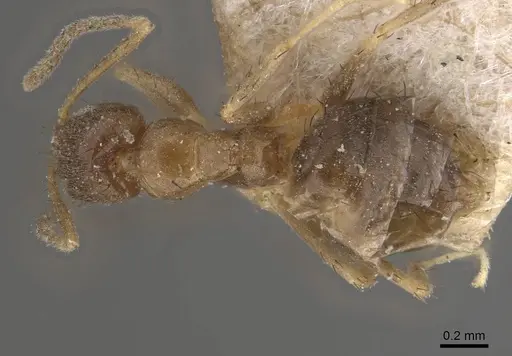
CASENT0911012
View on AntWeb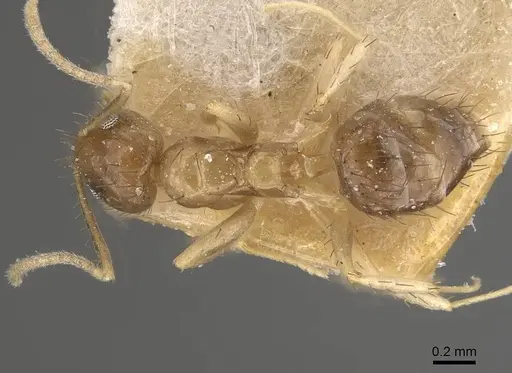
Literature
Loading...Loading products...