

Nylanderia tasmaniensis
- Scientific Name
- Nylanderia tasmaniensis
- Tribe
- Lasiini
- Subfamily
- Formicinae
- Author
- Forel, 1913
- Distribution
- Found in 2 countries
Nylanderia tasmaniensis Overview
Nylanderia tasmaniensis is an ant species of the genus Nylanderia. It is primarily documented in 2 countries , including Australia, New Zealand. Detailed taxonomic data and occurrence records can be further explored via authoritative databases such as AntWeb or the Global Biodiversity Information Facility (GBIF).
Nylanderia tasmaniensis
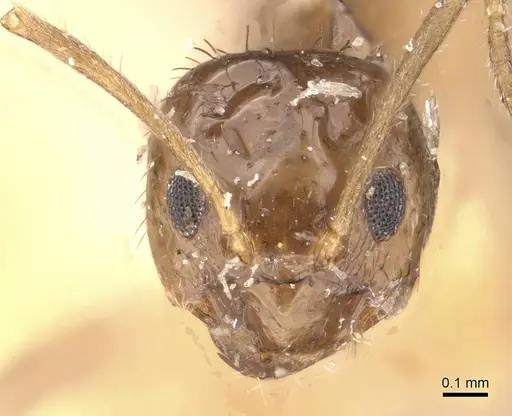
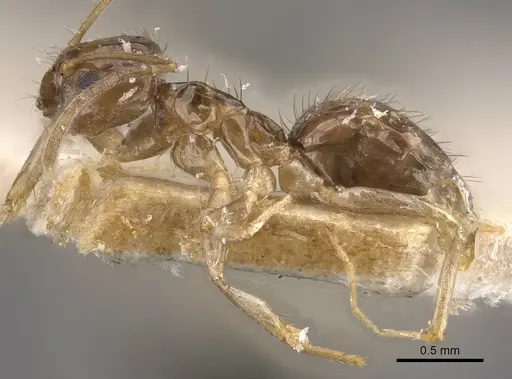
Nylanderia tasmaniensis is a small to medium-sized ant native to Tasmania and southeastern Australia, with populations also established in New Zealand. Workers measure approximately 2-3mm and display the characteristic 'crazy ant' movement pattern, erratic, rapid, and unpredictable foraging that gives these ants their common name. They have a dark brown to black coloration with somewhat slender build typical of the genus. This species belongs to the Formicinae subfamily, making them relatives of Lasius and Camponotus ants. In their natural habitat across Tasmania and New Zealand, they nest in soil, under stones, and in decaying wood, thriving in temperate forest edges and disturbed areas.
Quick Summary
- Difficulty: Medium
- Origin & Habitat: Native to Tasmania and southeastern Australia, with introduced populations in New Zealand. Found in temperate forest edges, sclerophyll woodland, and disturbed areas. Nests in soil, under stones, and in rotting wood [1].
- Colony Type: Colony structure is unconfirmed. Based on genus patterns, likely single-queen colonies, though multiple-queen arrangements are possible in some Nylanderia species.
- Size & Growth:
- Queen: Approximately 4-5mm (estimated based on genus similarity)
- Worker: 2-3mm [1]
- Colony: Likely several hundred workers based on typical Nylanderia colony sizes
- Growth: Moderate
- Development: Estimated 6-10 weeks based on related Formicinae species at optimal temperature (Development time is not specifically documented for this species, estimate based on genus-level data for similar temperate ants)
- Antkeeping:
- Temperature: Keep at room temperature, roughly 18-24°C. They tolerate cooler conditions better than many tropical species given their temperate origin. A gentle gradient with one side slightly warmer is ideal.
- Humidity: Moderate humidity around 50-70%. Keep the nest substrate slightly moist but allow some drying between waterings. They adapt well to varying conditions.
- Diapause: Likely requires a winter rest period given their temperate origin. Reduce temperature to 10-15°C for 2-3 months during winter months.
- Nesting: Accepts most nest types, test tubes for founding, Y-tong or plaster nests for established colonies. Provide moist substrate and some dry areas for flexibility. They do well in naturalistic setups with soil or sand substrates.
- Behavior: These ants are active and fast-moving, living up to their 'crazy ant' name with erratic foraging patterns. They are not particularly aggressive and typically flee from disturbance rather than attack. Workers are omnivorous, foraging for honeydew, small insects, and nectar. Their small size (2-3mm) means escape prevention requires attention, they can slip through small gaps. They are moderate climbers but not strong escape artists when proper barriers are used.
- Common Issues: small size makes escape likely without fine mesh barriers, limited specific care data means keepers must adapt based on colony behavior, winter dormancy requirements are not fully understood, observe colony for signs of seasonal slowing, wild-caught colonies may carry parasites that affect captive health, queen number and colony structure in captivity is not well documented
Housing and Nest Setup
Nylanderia tasmaniensis adapts well to various captive setups. For newly caught or purchased queens, a simple test tube setup works well, fill a test tube one-third with water, plug with cotton, and place the queen in darkness. The queen will seal herself in a chamber if claustral (as expected for Formicinae). For established colonies, Y-tong nests, plaster nests, or naturalistic setups with soil/sand all work. Provide a water tube for drinking and a foraging area. Because workers are only 2-3mm, ensure any connections between nest and outworld have no gaps. A thin layer of fluon around the rim of the outworld helps prevent escapes. [1]
Feeding and Diet
Like most Nylanderia species, these ants are omnivorous. They readily accept sugar sources, honey water, sugar water, or commercial ant nectar. For protein, offer small insects like fruit flies, small mealworms, or crickets. In nature, they also collect honeydew from aphids and scale insects. Feed protein roughly twice weekly and keep a sugar source available constantly. Remove uneaten prey after 24-48 hours to prevent mold. They are active foragers with good recruitment behavior, so food discoveries quickly bring more workers. [1]
Temperature and Seasonal Care
Being from temperate Tasmania and New Zealand, these ants prefer cooler conditions than many tropical ant species. Room temperature (18-24°C) is suitable, with slight warmth optionally provided on one side of the nest. They likely require a winter rest period, reduce temperatures to 10-15°C for 2-3 months during winter if your colony shows signs of slowing. This mimics their natural seasonal cycle. Do not feed during dormancy. Monitor colony activity, if workers become lethargic or cluster together, consider reducing temperature gradually. [1]
Behavior and Handling
Nylanderia tasmaniensis lives up to the 'crazy ant' reputation with their erratic, rapid movement. Workers forage individually and in small groups, covering ground quickly in seemingly random patterns. They are not aggressive and will typically flee from threats rather than engage. Workers have a mild formic acid spray as their primary defense, but it poses minimal threat to humans. Their small size (2-3mm) means they can slip through surprisingly small gaps, use fine mesh on any ventilation and check for gaps in your setup regularly. They are moderate climbers on smooth surfaces but can be contained with fluon barriers. [1]
Colony Development
Specific development data for this species is not documented in scientific literature. Based on related Formicinae ants, expect 6-10 weeks from egg to first worker (nanitic) at room temperature. The queen will remain sealed in her founding chamber until workers emerge. Initial colonies grow slowly, the first dozen workers may take months. Once established, growth accelerates. Maximum colony size is not documented but likely reaches several hundred workers based on typical Nylanderia patterns. Colonies appear to be single-queen based on genus observations, though this is not confirmed for this specific species.
Frequently Asked Questions
How long does it take for Nylanderia tasmaniensis to produce first workers?
Development time is not specifically documented, but based on related Formicinae species, expect 6-10 weeks from egg to first worker at room temperature (18-24°C). Initial founding can feel slow, be patient as the queen raises her first nanitic workers alone.
What temperature do they need?
Keep them at room temperature, roughly 18-24°C. They tolerate cooler conditions better than tropical species due to their temperate origin. A slight temperature gradient is ideal but not required.
Do they need hibernation or diapause?
Likely yes, given their origin in Tasmania and New Zealand, they probably need a winter rest period. Reduce temperature to 10-15°C for 2-3 months during winter if your colony shows seasonal slowing.
Can I keep multiple queens together?
Not recommended, combining unrelated queens of this species has not been documented. Based on genus patterns, they likely form single-queen colonies. If you catch multiple founding queens, house them separately.
Are they good for beginners?
They are moderately difficult, not the easiest starter species but not challenging either. Their small size requires attention to escape prevention, and winter dormancy adds complexity. They are more forgiving of temperature variations than tropical species.
What do they eat?
Omnivorous, offer sugar water or honey constantly, and protein (small insects like fruit flies or mealworms) roughly twice weekly. They will also collect honeydew if aphids are available.
How big do colonies get?
Colony size is not specifically documented, but based on typical Nylanderia patterns, expect several hundred workers at maturity. Growth is moderate over several years.
When should I move them to a formicarium?
Wait until you have 20-30 workers before moving from a test tube setup. Ensure the new nest has appropriate chamber sizes for their small workers and maintains proper humidity.
Why are my ants dying?
Common causes include: escape through small gaps (check your setup), improper humidity (too wet or too dry), stress from disturbance during founding, or parasites from wild-caught colonies. Review each parameter and make one change at a time.
References

This caresheet is licensed under CC BY-SA 4.0 .
CASENT0911024
View on AntWeb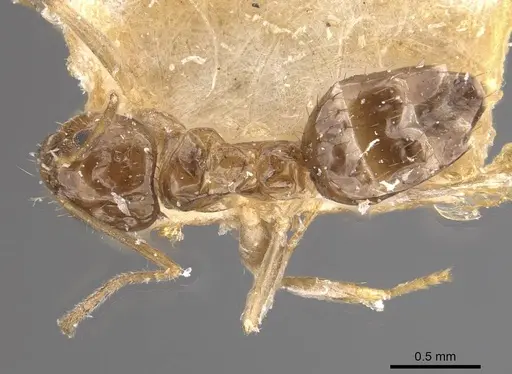
Literature
Loading...Loading products...