

Nylanderia silvestrii
- Scientific Name
- Nylanderia silvestrii
- Tribe
- Lasiini
- Subfamily
- Formicinae
- Author
- Emery, 1906
- Distribution
- Found in 1 countries
Nylanderia silvestrii Overview
Nylanderia silvestrii is an ant species of the genus Nylanderia. It is primarily documented in 1 countries , including Argentina. Detailed taxonomic data and occurrence records can be further explored via authoritative databases such as AntWeb or the Global Biodiversity Information Facility (GBIF).
Nylanderia silvestrii
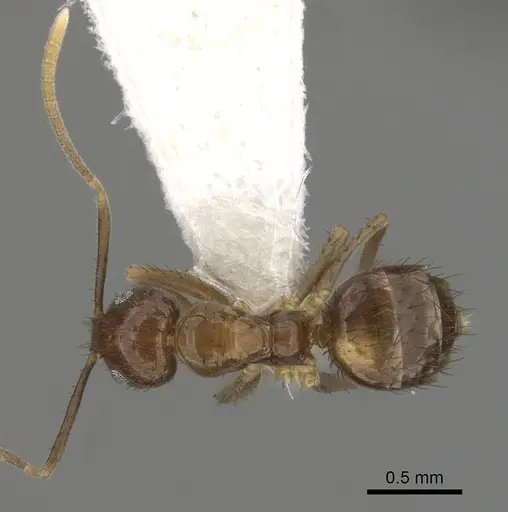
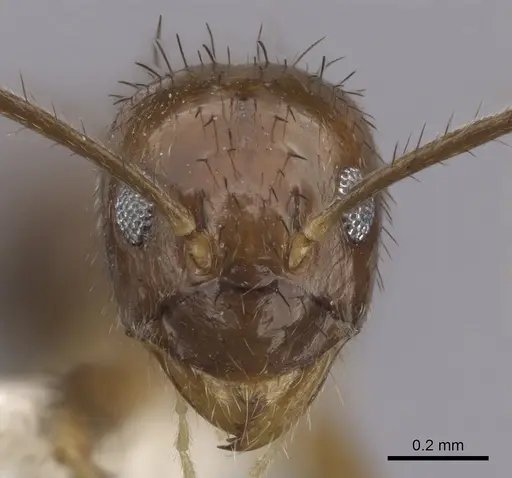
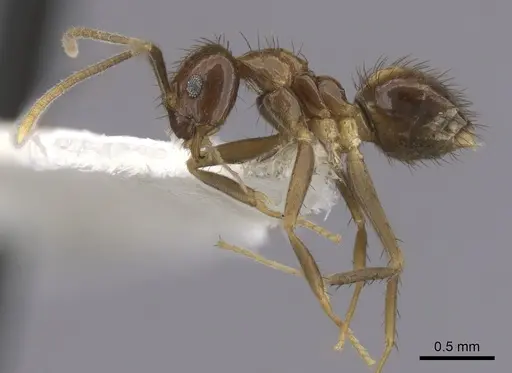
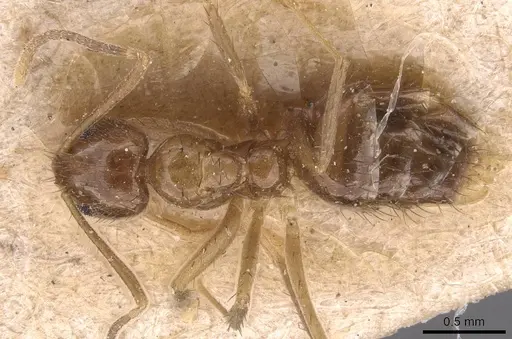
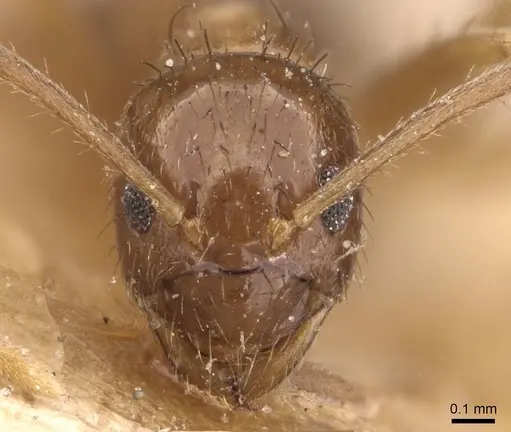
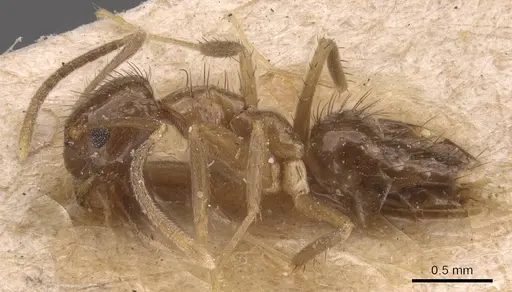
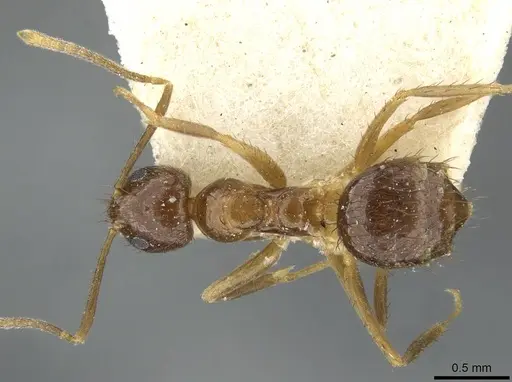
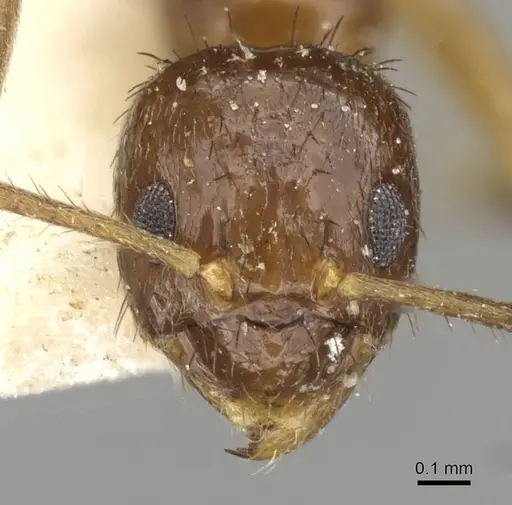
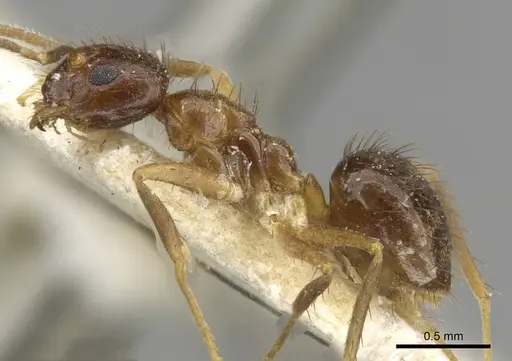
Nylanderia silvestrii is a tiny ant species native to Argentina, Uruguay, and surrounding regions of South America. Workers measure just 2.4-2.6mm, making them one of the smaller ant species you'll encounter in the hobby. They have a yellow-brown coloration with a darker head and gaster, and their body is notably shiny due to very sparse pubescence. Queens are larger at 4mm and have yellowish wings. This species nests in the ground in its native temperate to subtropical habitat. [1]
Quick Summary
- Difficulty: Medium
- Origin & Habitat: Native to the Neotropical region, specifically Argentina and Uruguay. Found in ground nests across temperate to subtropical areas of southern South America. [1][2]
- Colony Type: Colony structure is unconfirmed. Based on related Nylanderia species, they likely form single-queen colonies, though this has not been directly documented for this specific species.
- Size & Growth:
- Queen: 4mm [1]
- Worker: 2.4-2.6mm [1]
- Colony: Unknown, no colony size data available
- Growth: Unknown, no development timing data available
- Development: Estimated 6-8 weeks based on typical Nylanderia genus patterns at warm temperatures (Development timeline is not directly studied for this species. Estimates based on related species in the genus.)
- Antkeeping:
- Temperature: Keep at room temperature, roughly 20-26°C. Being from temperate Argentina, they can tolerate cooler conditions than tropical species but prefer warmth. A gentle gradient allowing them to choose their preferred temperature works best.
- Humidity: Moderate humidity around 50-70%. Keep the nest substrate slightly moist but allow some drying between waterings. They naturally inhabit areas with variable moisture.
- Diapause: Likely required. Based on their Argentine/Uruguayan origin, they probably need a winter rest period of 2-3 months at cooler temperatures (around 10-15°C). Say 'Unknown' if no data.
- Nesting: Ground-nesting species. In captivity, they do well in test tubes with moist cotton as a water reservoir, or in small acrylic/plaster nests. Their tiny size means they need appropriately scaled chambers, avoid large, open spaces.
- Behavior: These ants are small but active foragers. They likely forage for nectar, honeydew, and small insects. Based on related species, they are probably not aggressive and will flee rather than fight. Their tiny size makes them excellent escape artists, use fine mesh and tight-fitting barriers. Queens are winged at 4mm and winged reproductives have been collected June-August, suggesting nuptial flights occur during the Southern Hemisphere's winter months. [1]
- Common Issues: escape prevention is critical due to their very small 2.4-2.6mm worker size, slow founding phase, claustral queens may take months to raise first workers, winter diapause requirements are not well understood but likely needed, limited availability in the antkeeping hobby means established colonies are rare, small colony size means they are sensitive to disturbance during founding
Housing and Nest Setup
For such tiny ants, you'll need to scale your setup appropriately. Test tubes work well for founding colonies, use a small water reservoir with cotton to maintain humidity. The tube should be narrow enough that the queen and workers can easily move between the water chamber and the foraging area. Once the colony grows beyond 20-30 workers, you can connect a small outworld for feeding. Acrylic nests with narrow chambers or small plaster nests also work well. Whatever you choose, ensure all connections are tight, these ants will find any gap. A small outworld area allows you to observe foraging behavior and offer food without disturbing the nest. [1]
Feeding and Diet
Based on related Nylanderia species, these ants are omnivorous and will accept both sugar and protein sources. Offer sugar water, honey, or diluted maple syrup as a constant carbohydrate source. For protein, small prey items like fruit flies, pinhead crickets, or tiny mealworms work well. They are small predators and will hunt small insects. Being ground-nesting ants, they likely also forage for honeydew in the wild, so occasional sweet offerings are appreciated. Feed protein 2-3 times per week, and keep sugar available constantly. Remove uneaten prey after 24 hours to prevent mold.
Temperature and Seasonal Care
Nylanderia silvestrii comes from temperate Argentina and Uruguay, so they experience seasonal temperature changes in the wild. Keep them at roughly 20-26°C during the active season, room temperature is usually suitable. During winter, they likely need a cooler period around 10-15°C for 2-3 months to simulate their natural cycle. This diapause period helps regulate their biological rhythms and promotes healthy reproduction in spring. Watch for increased activity in late winter/early spring, which may indicate they're ready to break dormancy. Avoid sudden temperature swings, gradual changes are safer. [1]
Colony Development and Growth
The founding phase for this species is likely slow, as it is for most small ants. The queen measures 4mm and is claustral (seals herself in to raise first workers), living off stored fat reserves until her first brood emerges. Workers are tiny at 2.4-2.6mm, so the first workers (nanitics) will be very small. Expect the first workers to appear 6-8 weeks after founding, though this is an estimate based on related species. Growth rate is slow compared to larger ants like Camponotus. Be patient during founding, disturbing the queen or moving the nest during this critical period often leads to colony failure. Once established, colonies may grow to several hundred workers over multiple years. [1]
Behavior and Temperament
These are small, non-aggressive ants that prefer to flee rather than fight when threatened. They are active foragers and will search out food throughout their territory. Workers are fast-moving despite their small size. Their tiny size means they can be overlooked as pests in the wild, but in captivity they make fascinating observation subjects. They do not have a painful sting, their stingers are too small to penetrate human skin effectively. Winged reproductives (both queens and males) have been collected from June to August in the Southern Hemisphere, suggesting nuptial flights occur during winter in their native range. [1]
Frequently Asked Questions
How long does it take for Nylanderia silvestrii to produce first workers?
Based on typical Nylanderia patterns, expect 6-8 weeks from egg to first worker at warm temperatures (around 24-26°C). This is an estimate since development hasn't been directly studied for this species.
What do Nylanderia silvestrii ants eat?
They are omnivorous. Offer sugar water, honey, or maple syrup constantly for carbohydrates. For protein, provide small live prey like fruit flies, pinhead crickets, or tiny mealworms 2-3 times per week.
Do Nylanderia silvestrii ants need hibernation?
Yes, likely required. Being from temperate Argentina/Uruguay, they probably need a 2-3 month winter rest at 10-15°C to maintain healthy cycles.
Are Nylanderia silvestrii good for beginners?
They are moderately difficult. Their tiny size makes escape prevention challenging, and founding colonies can be slow and fragile. They are better suited for keepers with some experience with small ant species.
How big do Nylanderia silvestrii colonies get?
Colony size is not well documented, but based on related species, they likely reach several hundred workers over 2-3 years. They are not among the largest ant species.
What temperature is ideal for Nylanderia silvestrii?
Keep them at 20-26°C during the active season. Room temperature is usually suitable. They can tolerate cooler conditions than tropical species due to their temperate origin.
Can I keep multiple Nylanderia silvestrii queens together?
Combining unrelated queens is not recommended as it hasn't been documented for this species. If the species is monogyne, queens will fight. Even if they tolerate each other initially, conflict may develop.
When do Nylanderia silvestrii have nuptial flights?
Winged reproductives have been collected in June-August in the Southern Hemisphere (their winter). This suggests nuptial flights occur during cooler months in their native range.
Why are my Nylanderia silvestrii escaping?
Their tiny 2.4-2.6mm size means they can squeeze through incredibly small gaps. Use fine mesh (at least 0.5mm), seal all connections with tape or fluon, and check for gaps daily. Escape prevention must be excellent.
References

This caresheet is licensed under CC BY-SA 4.0 .
Literature
Loading...Loading products...