

Nylanderia sharpii
- Scientific Name
- Nylanderia sharpii
- Tribe
- Lasiini
- Subfamily
- Formicinae
- Author
- Forel, 1899
- Distribution
- Found in 2 countries
Nylanderia sharpii Overview
Nylanderia sharpii is an ant species of the genus Nylanderia. It is primarily documented in 2 countries , including China, Hong Kong. Detailed taxonomic data and occurrence records can be further explored via authoritative databases such as AntWeb or the Global Biodiversity Information Facility (GBIF).
Nylanderia sharpii
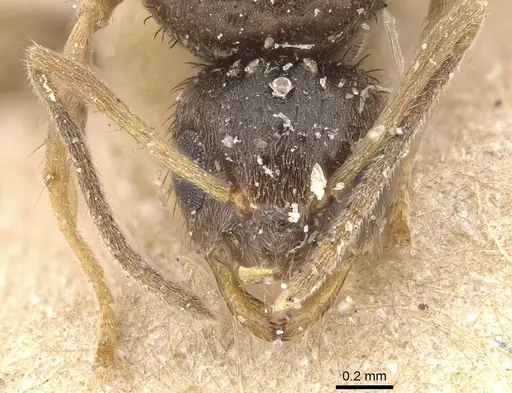
Nylanderia sharpii is a small ant species originally described from Hawaii, where it is native, and now known to also occur in parts of China. Workers are tiny, typically measuring 2-3mm, with the characteristic appearance of Nylanderia ants: slender build, relatively long legs, and a generally pale to reddish-brown coloration. The genus Nylanderia belongs to the Formicinae subfamily and is part of the Lasiini tribe. These ants are highly adaptable and have been found nesting in leaf litter, under stones, and across multiple strata from ground level to arboreal habitats [1].
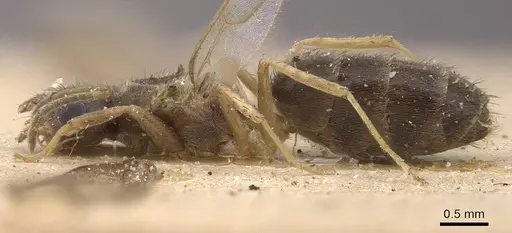
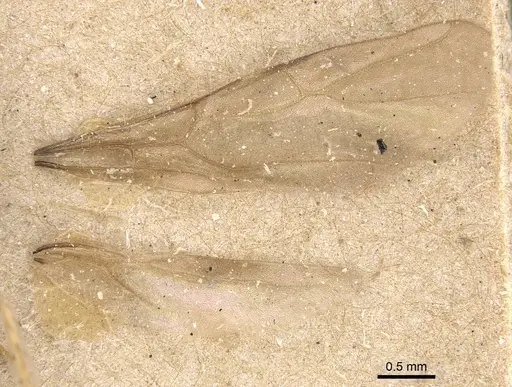
One of the most interesting aspects of this species is its swarming behavior. Nuptial flights occur on warm, moist evenings, with documented swarms on August 26 and 27 in Hawaii [2]. The alates (winged reproductives) are strongly attracted to lights, which is useful information for keepers hoping to catch wild queens. As a native Hawaiian species that has also spread to China, N. sharpii represents an interesting case of potential range expansion and adaptability.
Quick Summary
- Difficulty: Easy
- Origin & Habitat: Native to Hawaii, with established populations in China. Found in leaf litter and across multiple strata including arboreal, ground, and subterranean levels [1].
- Colony Type: Colony structure is not well-documented in available research. Most Nylanderia species are facultatively polygyne (can have multiple queens), but specific data for N. sharpii is lacking.
- Size & Growth:
- Queen: Estimated 4-5mm based on genus patterns, not directly measured in available literature
- Worker: Estimated 2-3mm based on genus typical size
- Colony: Unknown for this specific species, related Nylanderia often reach several hundred workers
- Growth: Moderate, estimated based on typical Formicinae development
- Development: Estimated 6-8 weeks at optimal temperature based on related Formicinae species (Development time is inferred from genus patterns as specific data for this species is unavailable)
- Antkeeping:
- Temperature: Keep at 22-26°C. Based on their Hawaiian origin and tropical distribution, they prefer warmer conditions. A heating cable on one side of the nest can create a gentle gradient if room temperature falls below this range.
- Humidity: Moderate to high humidity preferred. They naturally inhabit leaf litter and ground environments, so keep the nest substrate consistently moist but not waterlogged. Provide some drier areas for the ants to self-regulate.
- Diapause: Likely minimal or no true diapause given their tropical Hawaiian origin. However, a brief cool period (2-3 months at 15-18°C) may be beneficial to simulate seasonal slowing.
- Nesting: Highly adaptable. In captivity, they do well in test tubes, Y-tong nests, or plaster nests. Their small size means narrow chambers work well. They accept various nest materials but prefer some soil or substrate to burrow in.
- Behavior: Generally calm and non-aggressive. Workers are active foragers and will readily explore their environment. As small ants, they pose minimal sting risk to humans, their stingers are present but too small to penetrate human skin effectively. They are prolific explorers and will investigate food sources quickly. Escape prevention is important due to their tiny size, use fine mesh and ensure all connections are sealed.
- Common Issues: escape prevention is critical due to their very small size, they can squeeze through standard gaps, colonies may be slow to establish initially, patience is needed during the founding phase, wild-caught colonies may carry parasites that can devastate captive populations, overfeeding can lead to mold issues in their nest environment, their attraction to lights means alates may fly toward room lights during nuptial flights
Housing and Nest Setup
Nylanderia sharpii adapts well to various captive setups. Test tubes work excellently for founding colonies, use a standard test tube setup with a water reservoir separated by a cotton plug. The small size of these ants means chambers and passages should be appropriately scaled. For established colonies, Y-tong (acrylic) nests or plaster nests with narrow tunnels work well. These ants will readily accept both naturalistic setups with soil and more artificial formicarium designs.
Because they naturally nest in leaf litter and across multiple strata, including some ground contact is beneficial. A small outworld area allows workers to forage and explore. Ensure all connections between nest and outworld are sealed with appropriate barriers, their small size makes them expert escape artists. Fluon applied to the edges of connections provides an effective barrier. [1]
Feeding and Diet
Like most Formicinae, Nylanderia sharpii is omnivorous and will accept a variety of foods. In captivity, offer sugar sources such as sugar water, honey, or diluted maple syrup, these ants have a sweet tooth and will readily consume them. For protein, provide small insects like fruit flies, pinhead crickets, or mealworm pieces. Given their tiny size, prey items should be appropriately small.
In their natural habitat, they likely forage for honeydew from aphids and scale insects, as well as small arthropods. They are foragers and will send workers to investigate food sources quickly. Feed protein 2-3 times per week, and keep sugar water available at all times. Remove uneaten prey after 24-48 hours to prevent mold issues.
Temperature and Seasonal Care
As a species native to Hawaii, N. sharpii prefers warmer conditions. Maintain nest temperatures between 22-26°C for optimal colony growth and development. They can tolerate slightly cooler temperatures but may become less active. A heating cable placed on one side of the nest can create a temperature gradient, allowing ants to self-regulate.
Regarding diapause, their tropical origin suggests they do not require a true hibernation period. However, some keepers report success with a brief cool period (2-3 months at 15-18°C) during winter months to simulate natural seasonal slowing. This is optional but may help synchronize breeding cycles. Monitor colony activity, if workers remain active and brood continues developing, they may not need any cool period. [2]
Colony Founding and Growth
Queens of N. sharpii can be caught during their nuptial flights, which occur on warm, moist evenings, documented swarms happened in late August [2]. Alates are strongly attracted to lights, making light traps an effective way to catch queens. After mating, the queen will dig a small chamber and seal herself in to begin claustral founding (this is inferred from typical Formicinae behavior, as it hasn't been directly documented for this species).
The founding phase can take 4-8 weeks before the first workers (nanitics) emerge. Initial colony growth is slow as the queen raises her first brood alone. Once workers establish, growth typically accelerates. A healthy colony may reach several hundred workers over 1-2 years under good conditions. Patience is key during the founding phase, disturbing the nest too often can cause queen stress and abandonment.
Behavior and Temperament
Nylanderia sharpii workers are active and curious foragers. They are not particularly aggressive and pose minimal threat to keepers. Their small size means they are unlikely to sting effectively, any sting would be barely perceptible to human skin. Workers explore their environment systematically and will quickly discover food sources.
These ants are highly adaptable and can establish colonies in various environments, which explains their success in both their native Hawaii range and their introduced Chinese populations. They are not dominant or aggressive toward other ant species, making them suitable for species-only setups. Their small size and exploratory nature mean escape prevention should be a priority, regularly check all connections and use appropriate barriers. [1]
Frequently Asked Questions
How long does it take for Nylanderia sharpii to produce first workers?
Expect 6-8 weeks from egg to first worker at optimal temperature (22-26°C). This timeline is estimated from related Formicinae species, as specific development data for N. sharpii is not available. The queen will remain sealed in her founding chamber during this time.
What do Nylanderia sharpii eat?
They are omnivorous. Offer sugar water, honey, or maple syrup as a constant carbohydrate source. For protein, provide small insects like fruit flies, pinhead crickets, or mealworm pieces. Feed protein 2-3 times per week.
Can I keep multiple Nylanderia sharpii queens together?
Colony structure for this specific species is not well-documented. Most Nylanderia are facultatively polygyne, but combining unrelated queens has not been studied for N. sharpii. It is not recommended to attempt combining foundress queens without documented success.
What temperature do Nylanderia sharpii need?
Keep them at 22-26°C. Their Hawaiian origin indicates they prefer warmer conditions. A heating cable on part of the nest can provide warmth if room temperature is lower.
Are Nylanderia sharpii good for beginners?
Yes, they are considered easy to keep. They are adaptable, tolerate various nest setups, and are not aggressive. The main challenges are their small size (requiring good escape prevention) and the need for patience during colony founding.
When do Nylanderia sharpii alates swarm?
Nuptial flights occur on warm, moist evenings, with documented swarms in late August in Hawaii [2]. Alates are strongly attracted to lights, which can help keepers catch reproductives.
How big do Nylanderia sharpii colonies get?
Colony size is not specifically documented, but related Nylanderia species typically reach several hundred workers. Expect 1-2 years to reach a moderate-sized colony under good conditions.
Do Nylanderia sharpii need hibernation?
Probably not, their tropical Hawaiian origin suggests they do not require a true diapause. Some keepers provide a brief cool period (15-18°C for 2-3 months) in winter, but this is optional.
Why are my Nylanderia sharpii escaping?
Their very small size means they can squeeze through tiny gaps. Use fine mesh barriers, apply Fluon to connection points, and check all seals regularly. Even small gaps that other ants cannot pass will allow these tiny ants to escape.
References

This caresheet is licensed under CC BY-SA 4.0 .
CASENT0903123
View on AntWeb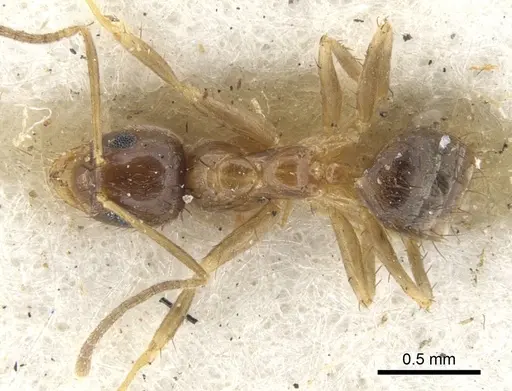
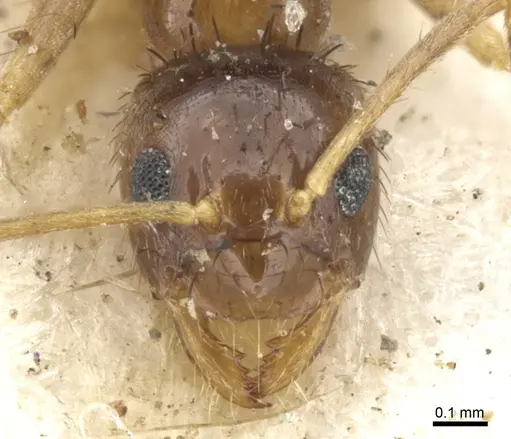
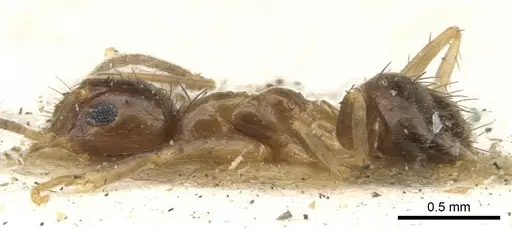
CASENT0911023
View on AntWeb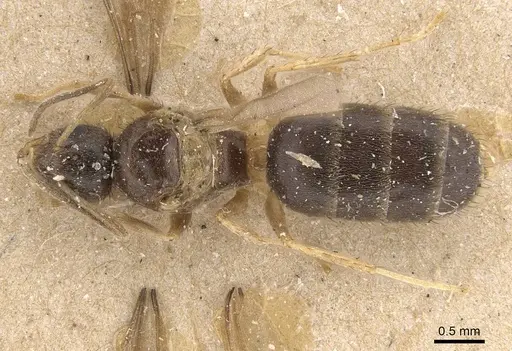
Literature
Loading...Loading products...