

Nylanderia parvula
- Scientific Name
- Nylanderia parvula
- Tribe
- Lasiini
- Subfamily
- Formicinae
- Author
- Mayr, 1870
- Common Name
- Northern Crazy Ant
- Distribution
- Found in 1 countries
Nylanderia parvula Overview
Nylanderia parvula (commonly known as the Northern Crazy Ant) is an ant species of the genus Nylanderia. It is primarily documented in 1 countries , including United States of America. Detailed taxonomic data and occurrence records can be further explored via authoritative databases such as AntWeb or the Global Biodiversity Information Facility (GBIF).
Nylanderia parvula - "Northern Crazy Ant"
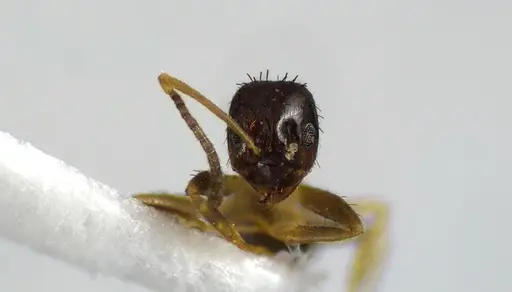
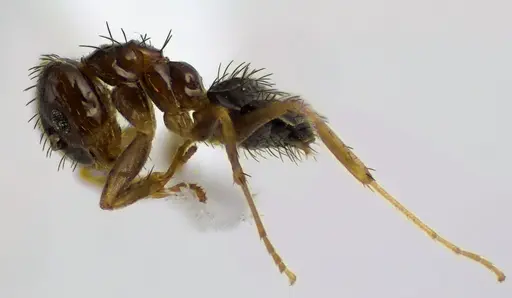
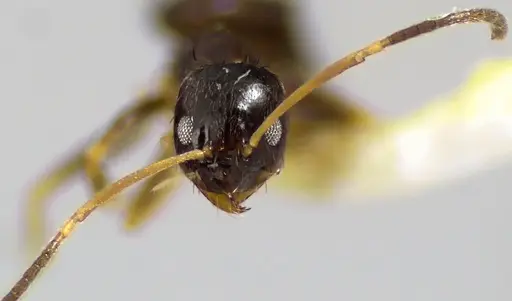
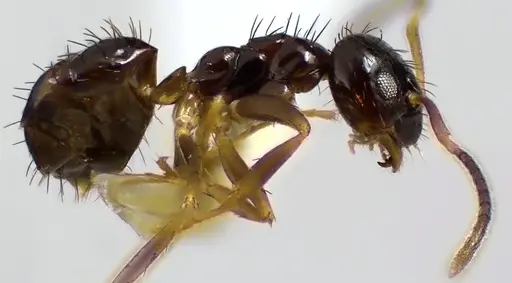
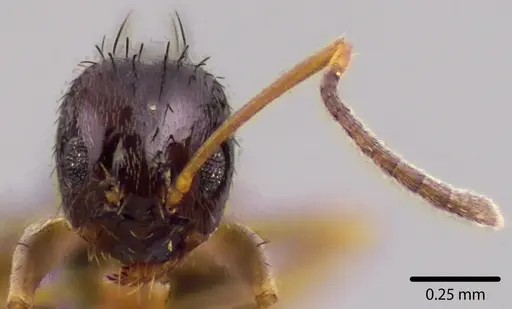
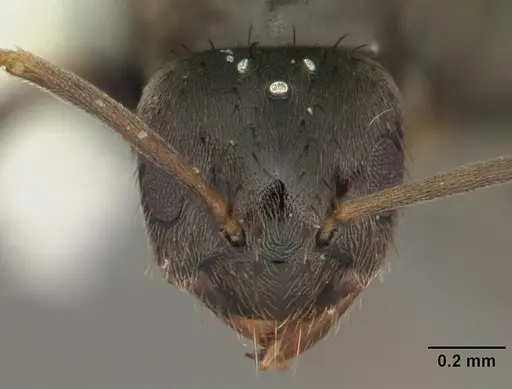
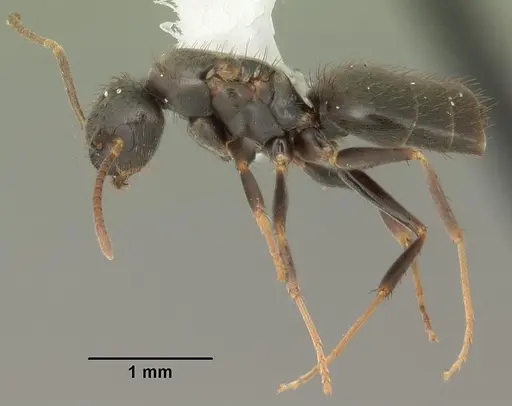
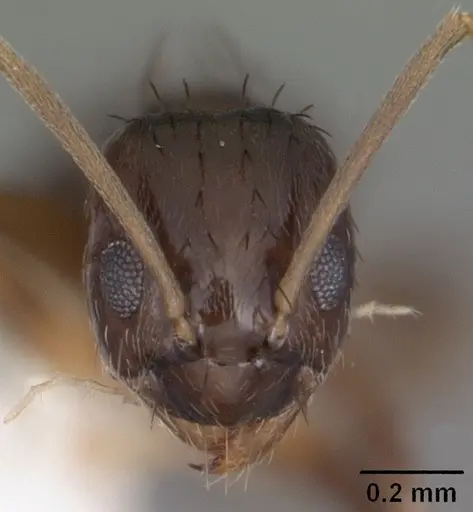
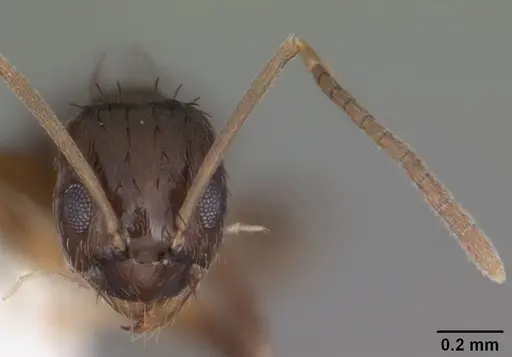
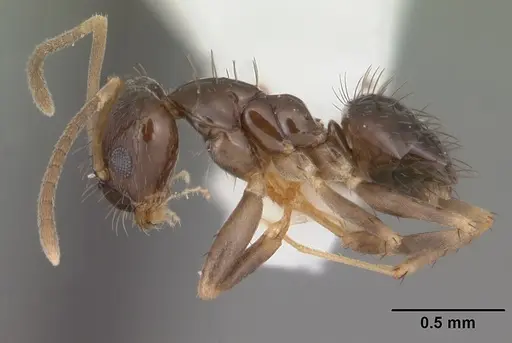
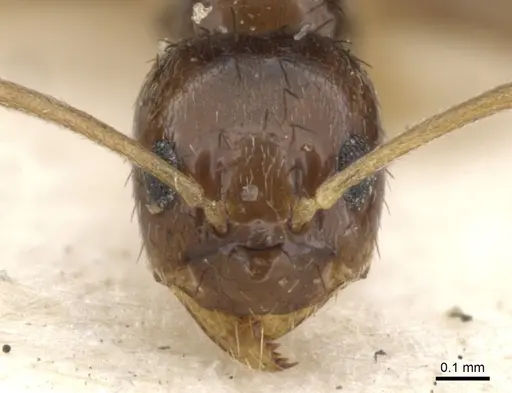
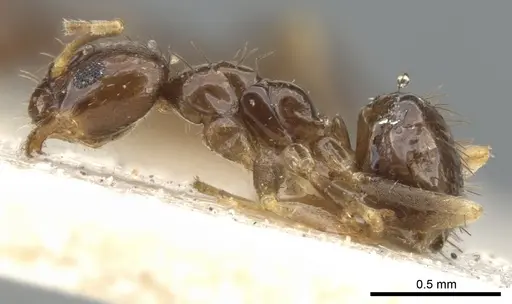
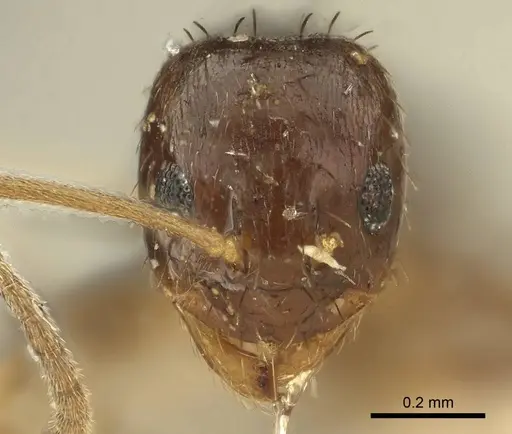
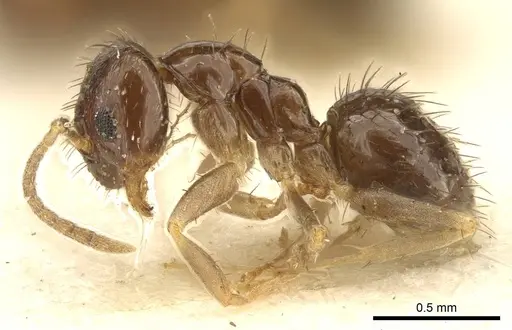
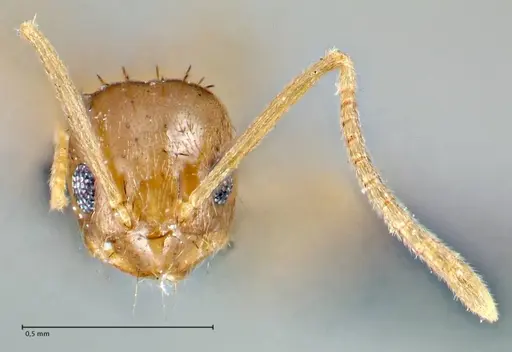
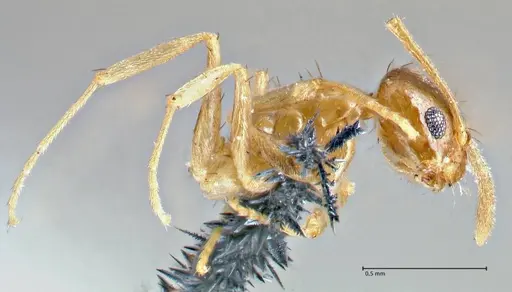
Nylanderia parvula is a tiny ant species native to the eastern half of North America, ranging from Ontario, Canada down to Florida and west to Texas and Nebraska. Workers measure just 1.6-2.3mm and are uniformly dark brown to black in color, with noticeably lighter antennae and mandibles that are often grayish yellow. Their leg joints appear yellowish, especially the feet. This species is one of only two Nylanderia species in the Nearctic region that lacks erect hairs (called macrosetae) on the antennae scapes, a key identification feature that separates them from similar species. Queens are substantially larger at 3.3-4.8mm and appear nearly black with dense body hair.
This ant is remarkably adaptable and thrives in various habitats across its range, from sandy pine barrens in the Northeast to mixed deciduous forests in the Great Smoky Mountains and sandy pine-oak woodlands in the Southeast. They nest under stones and at forest edges, with colonies extending up to 30cm below the surface. Notably, N. parvula serves as the host for the social parasite Nylanderia deceptrix, which invades their colonies. They also play an important ecological role by dispersing seeds, carrying them away from parent plants to help with plant reproduction.
Quick Summary
- Difficulty: Easy
- Origin & Habitat: Eastern United States and southern Ontario, Canada, found in sandy pine barrens, mixed deciduous forests, pine-oak dune woodlands, and forest edges [1][2]
- Colony Type: Single-queen colonies (monogyne). Queens are the primary reproductives, with colonies producing alate queens and males in summer that overwinter and mate the following spring [3][1].
- Colony: Monogyne
- Founding: Claustral
- Size & Growth:
- Queen: 3.31-4.84 mm [1]
- Worker: 1.63-2.31 mm [1]
- Colony: Colony size data limited, based on related Nylanderia species, likely several hundred workers [1]
- Growth: Moderate, brood development peaks in June with highest brood counts (722.7 ±116.1), declining through summer [3]
- Development: 6-8 weeks (estimated based on genus patterns for similar Nylanderia species) (Reproductives are reared in mid-summer in northern parts of range and late summer in the south, then overwinter and fly the following spring [1]. Queen pupal length: 3.31-3.89 mm [3].)
- Antkeeping:
- Temperature: Room temperature (20-24°C) is suitable. As the most northern-ranging Nylanderia species in the Nearctic, they tolerate cooler conditions better than tropical relatives. Keep in the low-to-mid 20s°C range for optimal activity.
- Humidity: Moderate humidity. They prefer sandy, moist substrates and are commonly found in pine barrens with damp soil. Keep the nest substrate lightly moist but allow some drying between waterings.
- Diapause: Yes, colonies enter winter dormancy. Reproductives (alates) are produced in summer, overwinter as winged adults, and fly the following spring [1]. Keep colonies cool (around 10-15°C) for 2-3 months during winter.
- Nesting: Use test tubes for founding colonies. Established colonies do well in Y-tong nests or naturalistic setups with sandy substrate. They nest under stones and in leaf litter in the wild, so provide some cover and a substrate they can dig into. Chambers have been found up to 30cm deep in the wild [1].
- Behavior: These are active, opportunistic foragers that readily explore their surroundings. Workers are non-aggressive and typically flee when disturbed. They are known to forage on turf and in forests, searching for honeydew, small insects, and seeds. Because of their very small size (under 2.5mm), escape prevention must be excellent, they can squeeze through standard test tube barriers. They are not aggressive and do not sting. Colonies can be found nesting under stones and at forest edges, often marked by small crater-like nest entrances in sandy soil.
- Common Issues: escape prevention is critical, their tiny size allows them to squeeze through standard barriers, colonies may fail if kept too dry, they prefer moist sandy substrates, winter dormancy is required, colonies need a cool period to survive long-term, wild-caught colonies may host the social parasite Nylanderia deceptrix, watch for unusual workers, slow founding compared to larger ant species, patience needed during claustral period
Housing and Nest Setup
Nylanderia parvula is a small ant that does well in standard test tube setups for founding colonies. Use a test tube filled with water, stopped with a cotton ball, providing a humidity chamber. For larger colonies, Y-tong (AAC) nests work well, or you can create a naturalistic setup with sandy substrate that mimics their natural pine barrens habitat. In the wild, they nest under stones and in soil with chambers extending up to 30cm deep, so provide depth for tunneling. They prefer some cover and darkness, these ants are not bold foragers in bright conditions. Escape prevention is critical because of their tiny size, standard test tube barriers may need reinforcement with fluon or finer mesh. [1][2]
Feeding and Diet
Like other Nylanderia species, these ants are opportunistic feeders that will accept a variety of foods. They naturally forage for honeydew from aphids and scale insects, small insects, and seeds. In captivity, offer sugar water or honey as a constant energy source. For protein, provide small insects like fruit flies, small mealworms, or other tiny arthropods. They are known seed dispersers in the wild, so they may show interest in small seeds, though this should be considered supplementary. Feed protein 2-3 times per week and keep sugar water available at all times. Remove uneaten food after 24-48 hours to prevent mold.
Temperature and Seasonal Care
As the most northern-ranging Nylanderia species in North America, N. parvula tolerates cooler temperatures better than most of its relatives. Keep colonies at room temperature in the low-to-mid 20s°C (around 20-24°C). They can tolerate brief cooler periods, which aligns with their range extending into Ontario, Canada. During winter, colonies require a diapause period, reproductives are produced in summer, overwinter as alates, and fly the following spring. Provide 2-3 months of cool temperatures (10-15°C) during winter to allow natural dormancy. This mimics their natural cycle and is essential for long-term colony health. [1]
Colony Development and Growth
Colony growth follows a seasonal pattern tied to their native climate. Brood development peaks in June with the highest brood counts (averaging over 700 larvae and pupae per colony), then declines through summer. Reproductive pupae (future queens and males) appear only in July. The alates then overwinter and conduct their nuptial flights the following spring. This means founding colonies may take longer to establish than tropical species, queens seal themselves in (claustral founding) and rely on stored energy until first workers emerge. First workers (nanitics) will be smaller than mature workers. Expect 6-8 weeks from egg to first worker at warm temperatures, with growth being moderate rather than rapid. [3][1]
Ecological Role and Interactions
In the wild, Nylanderia parvula plays an important ecological role as both a seed disperser and a participant in the ant community. They remove and disperse seeds, helping plants colonize new areas, this is particularly important in fire-maintained habitats like longleaf pine sandhills. They serve as the host for the social parasite Nylanderia deceptrix, which invades their colonies and is the only known parasitic ant species in Massachusetts. They also host beetle species like Atinus monilicornis. In their native range, they are among the most common ants in suitable sandy habitats and compete with other opportunistic species. This background explains why they are adaptable and relatively resilient in captivity. [3]
Behavior and Temperament
These are calm, non-aggressive ants that focus on foraging rather than defending territory. Workers are small and quick-moving, actively exploring their environment for food sources. They are not defensive and do not possess a painful sting, while technically they have a stinger, it is too small to penetrate human skin effectively. When disturbed, they are more likely to flee than to attack. Their small size makes them vulnerable in mixed ant communities, so keep them isolated from larger ant species. They are active foragers both during the day and at night, reflecting their opportunistic nature. Workers will readily recruit nestmates to food sources through chemical trails.
Frequently Asked Questions
How long does it take for Nylanderia parvula to produce first workers?
Expect 6-8 weeks from egg to first worker at optimal temperatures (around 22-24°C). This is based on typical Nylanderia genus development patterns, as specific timing for this species has not been documented. Queens are claustral, they seal themselves in and raise the first brood alone using stored fat reserves.
What do Nylanderia parvula eat?
They are opportunistic feeders that accept sugar sources (honey, sugar water) and protein (small insects like fruit flies, pinhead crickets, mealworms). In the wild, they also collect honeydew from aphids and disperse seeds. Offer protein 2-3 times per week and keep sugar water constantly available.
Do Nylanderia parvula need hibernation?
Yes, they require a winter dormancy period. In the wild, reproductives are produced in summer, overwinter as alates, and fly the following spring. Keep colonies cool (10-15°C) for 2-3 months during winter to mimic this natural cycle.
Are Nylanderia parvula good for beginners?
Yes, they are a good beginner species. They are small, non-aggressive, and have straightforward care requirements. The main challenges are escape prevention (due to their tiny size) and providing proper winter dormancy. They are widely available and adapt well to captivity.
How big do Nylanderia parvula colonies get?
Colony size data is limited, but based on related Nylanderia species, colonies likely reach several hundred workers. In the wild, they are common and widespread, suggesting stable colony populations. Growth is moderate, brood peaks in June then declines through summer.
Can I keep multiple Nylanderia parvula queens together?
No, this species is monogyne, colonies have a single queen. Multiple unrelated queens will fight. Only one queen per colony should be kept. The related species N. deceptrix is a social parasite that invades N. parvula colonies, so watch for unusual workers that might indicate parasitism.
What temperature do Nylanderia parvula need?
Room temperature (20-24°C) is ideal. As the most northern-ranging Nylanderia in North America, they tolerate cooler conditions better than tropical relatives. Keep them in the low-to-mid 20s°C range and avoid temperatures above 28°C.
Why are my Nylanderia parvula escaping?
Their tiny size (workers are only 1.6-2.3mm) makes them excellent escape artists. Standard test tube barriers may not be sufficient. Apply fluon (insect barrier) to all rim edges, use fine mesh over any openings, and ensure all connections are sealed. Check barriers daily during the founding stage.
When do Nylanderia parvula alates fly?
Nuptial flights occur in spring after overwintering. Reproductives are reared in mid-summer in northern parts of the range and late summer in the south. They then overwinter as winged adults and fly the following spring to mate.
What type of habitat do Nylanderia parvula prefer?
They thrive in sandy, moist habitats like pine barrens and pine-oak dune woodlands. They nest under stones and at forest edges, with colonies extending up to 30cm below the surface. In captivity, provide a sandy, slightly moist substrate and some form of cover or darkness.
Is Nylanderia parvula invasive?
No, Nylanderia parvula is a native North American species found throughout the eastern United States and into Ontario, Canada. It is not considered invasive and is actually one of the most common ants in its native range.
References

This caresheet is licensed under CC BY-SA 4.0 .
ANTWEB1041607
View on AntWeb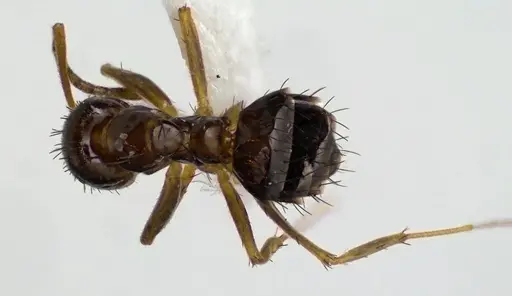
ANTWEB1041627
View on AntWeb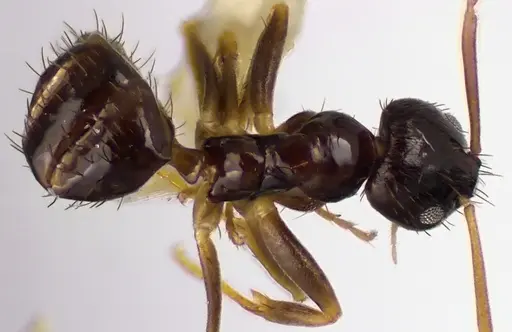
ANTWEB1041738
View on AntWeb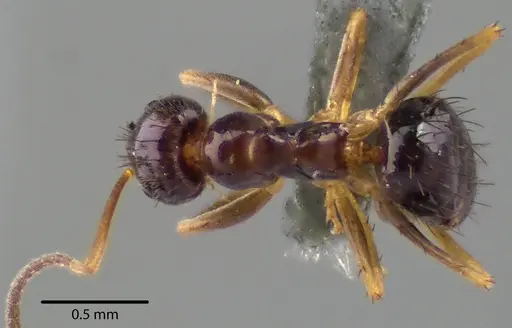
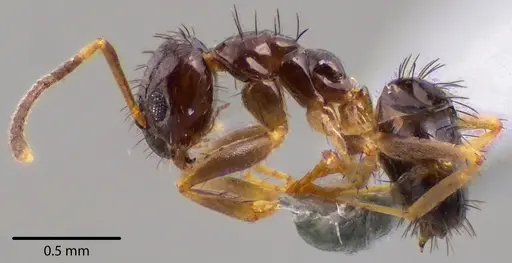
CASENT0003319
View on AntWeb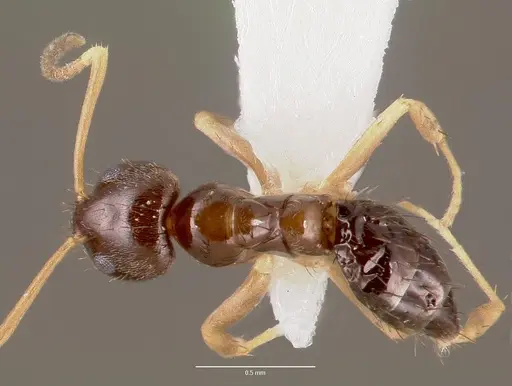
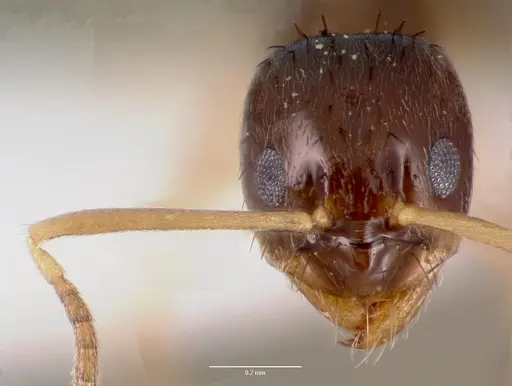
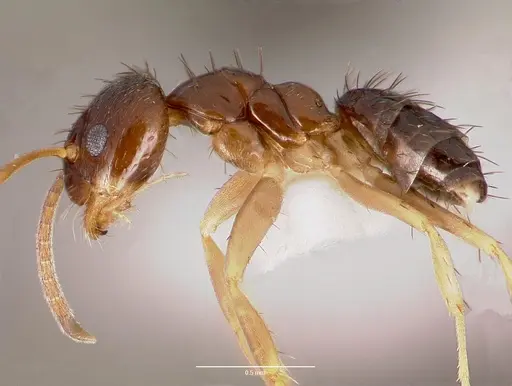
CASENT0104227
View on AntWeb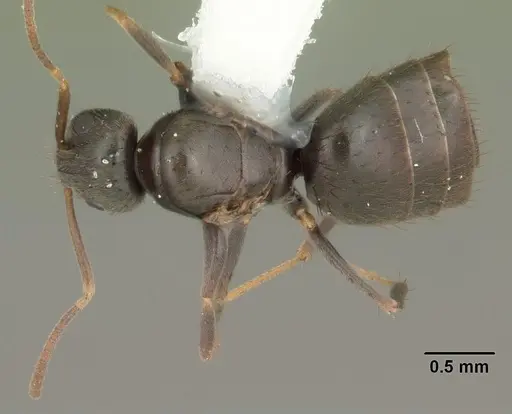
CASENT0104230
View on AntWeb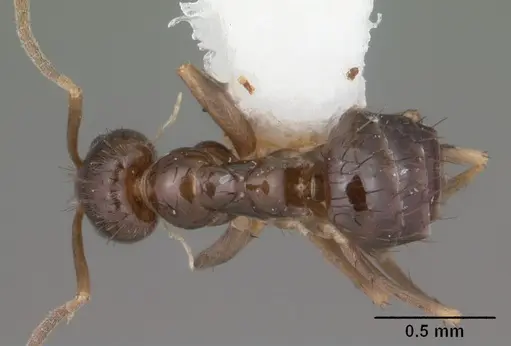
CASENT0903132
View on AntWeb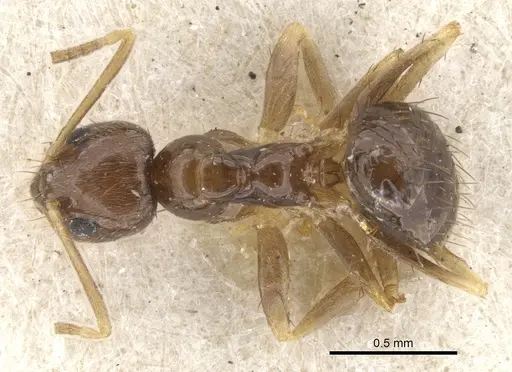
CASENT0915727
View on AntWeb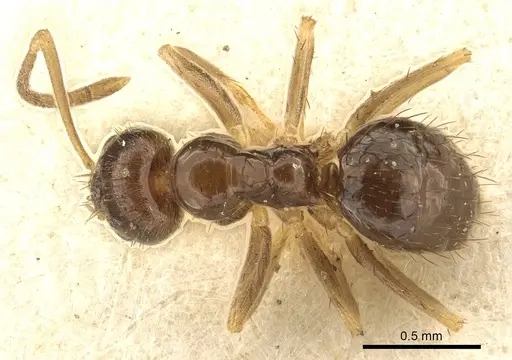
FOCOL2721
View on AntWeb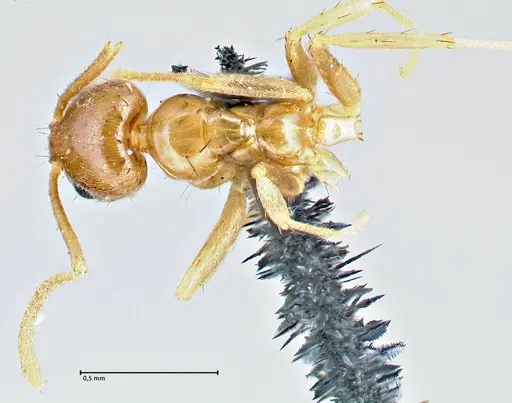
Literature
Loading...Loading products...