

Nylanderia nuggeti
- Scientific Name
- Nylanderia nuggeti
- Tribe
- Lasiini
- Subfamily
- Formicinae
- Author
- Donisthorpe, 1941
- Distribution
- Found in 1 countries
Nylanderia nuggeti Overview
Nylanderia nuggeti is an ant species of the genus Nylanderia. It is primarily documented in 1 countries , including Papua New Guinea. Detailed taxonomic data and occurrence records can be further explored via authoritative databases such as AntWeb or the Global Biodiversity Information Facility (GBIF).
Nylanderia nuggeti
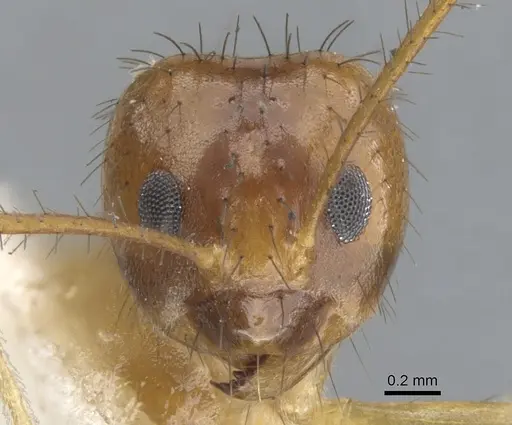
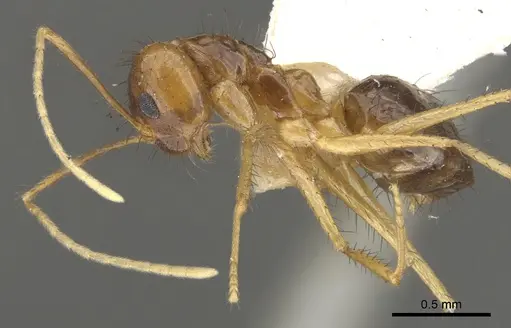
Nylanderia nuggeti is a small ant species native to New Guinea, first described by Donisthorpe in 1941. Workers are tiny, measuring around 2-3mm, with the typical pale to reddish-brown coloration common in the genus. This species belongs to the Formicinae subfamily and is part of a clade that diversified approximately 15 million years ago in the lower montane habitats of New Guinea. In the wild, they nest in tropical rainforest canopies at elevations between 200-900 meters, with peak abundance around 900m elevation [1]. The genus Nylanderia contains many species that are adaptable and often found in disturbed habitats, though this particular species appears to prefer intact forest environments.
Quick Summary
- Difficulty: Medium
- Origin & Habitat: New Guinea (Papua New Guinea and Indonesian Papua), specifically found in tropical rainforest canopies at elevations between 200-900 meters [1]. The species is part of a clade that evolved in lower montane habitats of New Guinea, suggesting it prefers warm, humid forest conditions.
- Colony Type: Colony structure is unconfirmed. Based on typical Nylanderia patterns, colonies are likely small to moderate in size with single or multiple queens. More research is needed on their exact colony structure.
- Size & Growth:
- Queen: Estimated 4-5mm based on genus typical size, not directly measured for this species
- Worker: Estimated 2-3mm based on genus typical size [2]
- Colony: Likely small to moderate, related species typically reach several hundred workers
- Growth: Moderate, inferred from tropical elevation preferences
- Development: Estimated 4-6 weeks based on related tropical Nylanderia species (Development is likely faster than temperate species due to tropical origin. Temperature-dependent, warmer conditions within their range may speed development.)
- Antkeeping:
- Temperature: Keep at 24-28°C. This species comes from warm tropical elevations in New Guinea, so they need consistent warmth. A heating cable on one side of the nest creates a gradient allowing workers to self-regulate [1].
- Humidity: Keep humidity high, think damp tropical forest. Maintain moist but not waterlogged nest substrate. Provide a water tube for drinking access. Mist occasionally but allow drying between waterings.
- Diapause: Unlikely, as a tropical species from consistent elevations, they probably do not require a hibernation period. However, slight temperature reduction during winter months may be beneficial if room temperature drops significantly.
- Nesting: Based on canopy nesting observations, they likely prefer humid nests with some vertical space. A Y-tong (AAC) nest or plaster formicarium works well. Provide a connection to an outworld with access to sugar and protein sources. Keep nest relatively dark as they prefer sheltered conditions.
- Behavior: These are small, active ants that forage in the canopy layer. They are likely generalists in their diet, feeding on honeydew, small insects, and nectar. As Formicine ants, they can spray formic acid as a defense mechanism, though their small size makes this a minor concern for keepers. They are probably quick-moving and may be somewhat nervous. Escape prevention is important due to their tiny size, use fine mesh barriers and ensure all connections are secure. Workers likely forage individually rather than in obvious trails.
- Common Issues: escape prevention is critical due to their very small size, they can squeeze through tiny gaps, tropical humidity requirements mean mold can be an issue if ventilation is poor, wild-caught colonies may have parasites or diseases that can wipe out the colony, small colony size means they are sensitive to disturbance, avoid frequent nest inspections, temperature drops below 22°C may slow or stop brood development
Natural History and Distribution
Nylanderia nuggeti is endemic to New Guinea, where it has been found at elevations between 200-900 meters in tropical rainforest environments. Research shows they are most abundant around 900m elevation, with fewer nests at 200m and none found at 1800m [1]. This pattern suggests they prefer lower montane forest conditions rather than either lowland or high-elevation habitats. The species is part of a clade that diversified approximately 15 million years ago, likely in response to the formation of New Guinea's Central Range mountains. Workers were originally described from New Guinea in 1941,with males described the same year from Japen Island [2].
Housing and Nest Setup
Because these ants are small and come from humid tropical forest canopies, they need a nest that holds moisture well while providing good ventilation. A Y-tong (AAC) nest or plaster formicarium works excellently, both hold humidity and provide the dark, sheltered environment they prefer. The nest should have chambers sized appropriately for their small worker size (2-3mm). Connect the nest to a well-ventilated outworld where you can provide food. Use a test tube with water secured with cotton as both a humidity source and drinking water. Because of their tiny size, check all tube connections and lid seals carefully, these ants can escape through gaps that would hold larger species.
Feeding and Diet
Like other Nylanderia species, these ants are likely generalist feeders that accept both sugar and protein sources. Offer sugar water (1:3 ratio) or honey diluted with water as a constant energy source. For protein, provide small insects like fruit flies, small mealworms, or cricket pieces. Since they are small, prey items should be appropriately sized, tiny insects or pre-killed and broken into small pieces. They may also tend aphids for honeydew if you keep any on the outworld. Feed protein every 2-3 days and keep sugar water available at all times. Remove uneaten prey after 24 hours to prevent mold.
Temperature and Seasonal Care
As a tropical species from consistent elevations in New Guinea, Nylanderia nuggeti needs warm conditions year-round. Keep the nest area at 24-28°C for optimal brood development. A small heating cable placed on one side of the nest can maintain these temperatures, creating a gradient so workers can move to warmer or cooler areas as needed. Unlike temperate species, they do not require a winter diapause period. However, if your room temperature drops significantly in winter, you may need to provide supplemental heating. Avoid temperatures below 22°C for extended periods as this can slow or stop brood development. Sudden temperature changes should be avoided. [1]
Behavior and Handling
Nylanderia nuggeti workers are small and active, likely foraging individually or in small groups rather than forming large trails. As Formicine ants, they have the ability to spray formic acid when threatened, though their small size makes this a minor concern for keepers, the spray is not painful to humans. They are probably quick-moving and may be nervous when the nest is disturbed. The main concern for keepers is their small size making escape prevention critical. Use fine mesh (at least 0.5mm) on all ventilation holes, check lid seals regularly, and ensure outworld connections are secure. When observing the colony, do so from outside the nest when possible to minimize stress.
Frequently Asked Questions
How long does it take for Nylanderia nuggeti to produce first workers?
Based on related tropical Nylanderia species, expect first workers (nanitics) approximately 4-6 weeks after the queen lays eggs, assuming optimal temperatures of 24-28°C. Development will be slower if temperatures drop below this range.
What do Nylanderia nuggeti ants eat?
They are generalist feeders. Offer sugar water or honey as a constant energy source, and provide protein every few days in the form of small insects like fruit flies, tiny mealworms, or cricket pieces. Prey should be appropriately sized for their tiny workers.
What temperature do Nylanderia nuggeti ants need?
Keep them warm at 24-28°C. This tropical species from New Guinea does not tolerate cool temperatures well. A heating cable on part of the nest can help maintain these temperatures.
Are Nylanderia nuggeti good for beginners?
They are rated as medium difficulty. Their small size requires careful escape prevention, and they need specific tropical conditions. Beginners should ensure they can maintain warm, humid conditions consistently before trying this species.
How big do Nylanderia nuggeti colonies get?
Based on related species, colonies likely reach several hundred workers. They are not among the largest ant species, but can still form substantial colonies with good worker numbers.
Do Nylanderia nuggeti ants need hibernation?
No, as a tropical species from consistent elevations in New Guinea, they do not require a winter diapause. Keep them warm year-round.
What is the best nest type for Nylanderia nuggeti?
A Y-tong (AAC) nest or plaster formicarium works well. Both hold humidity effectively and provide the dark, sheltered environment these canopy-dwelling ants prefer.
Why are my Nylanderia nuggeti ants dying?
Common causes include: temperatures below 22°C, too dry or too wet conditions, escape through tiny gaps, mold from poor ventilation, or stress from frequent disturbances. Check that all environmental parameters are within range and that escape prevention is secure.
Can I keep multiple Nylanderia nuggeti queens together?
The colony structure of this specific species is not well-documented. Based on typical Nylanderia patterns, single-queen colonies are likely most stable. Combining unrelated queens is not recommended without documented evidence of success.
References

This caresheet is licensed under CC BY-SA 4.0 .
CASENT0903124
View on AntWeb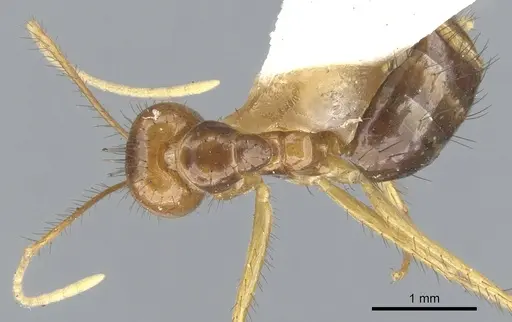
Literature
Loading...Loading products...