

Nylanderia mexicana
- Scientific Name
- Nylanderia mexicana
- Tribe
- Lasiini
- Subfamily
- Formicinae
- Author
- Forel, 1899
- Distribution
- Found in 1 countries
Nylanderia mexicana Overview
Nylanderia mexicana is an ant species of the genus Nylanderia. It is primarily documented in 1 countries , including Mexico. Detailed taxonomic data and occurrence records can be further explored via authoritative databases such as AntWeb or the Global Biodiversity Information Facility (GBIF).
Nylanderia mexicana
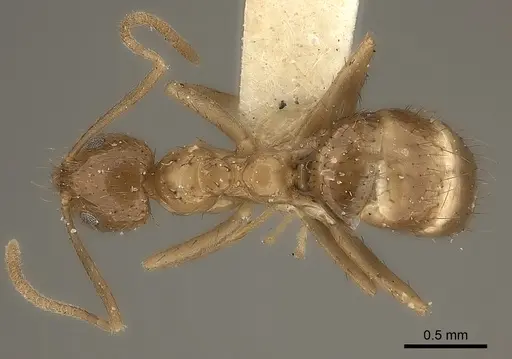
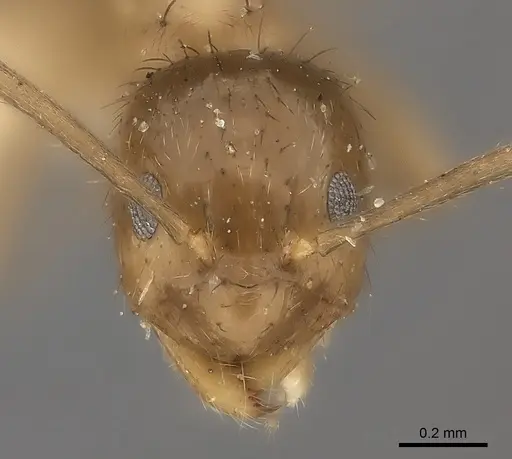
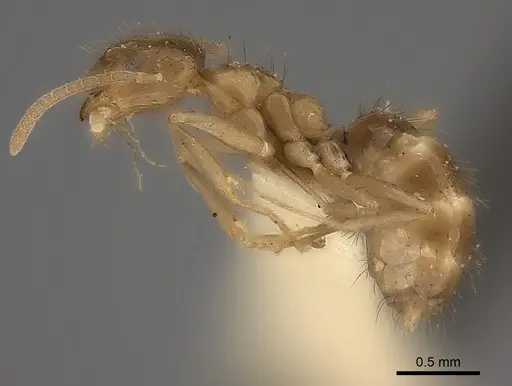
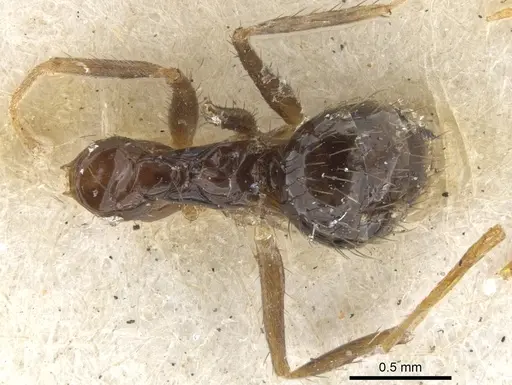
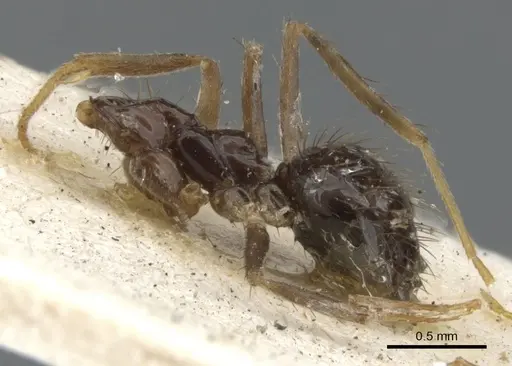
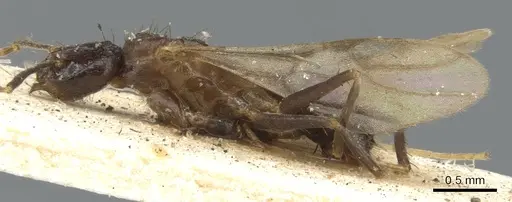
Nylanderia mexicana is a small ant species native to central and southern Mexico. Workers measure around 2.7mm and are typically light brown to reddish-brown in color. Like other Nylanderia species, they move in characteristic erratic patterns, earning them the 'crazy ant' common name. This species has been recorded across multiple Mexican states including Veracruz, Hidalgo, Puebla, Tabasco, and the former Distrito Federal [1]. They are small, fast-moving ants that form moderate-sized colonies.
Quick Summary
- Difficulty: Medium
- Origin & Habitat: Central and southern Mexico, recorded in Veracruz, Hidalgo, Puebla, Tabasco, and the Mexico City area [1]. Likely inhabits tropical and subtropical forest edges, disturbed areas, and urban environments.
- Colony Type: Likely multi-queen (polygyne) based on typical genus patterns, though colony structure is not directly documented for this species
- Colony: Polygyne
- Founding: Claustral
- Size & Growth:
- Queen: Estimated 3-4mm based on genus patterns
- Worker: 2.7mm [2]
- Colony: Likely several thousand workers based on genus typical size
- Growth: Moderate to fast
- Development: Estimated 5-8 weeks at optimal temperature based on related Nylanderia species (Development time inferred from genus-level data, not directly studied for this species)
- Antkeeping:
- Temperature: Keep around 22-26°C, they prefer warm, stable conditions typical of their tropical origin
- Humidity: Moderate humidity around 50-70%. They tolerate a range of conditions but avoid overly dry or waterlogged substrates
- Diapause: No, being a tropical species, they do not require hibernation. Keep warm year-round
- Nesting: Use test tubes for founding colonies. Established colonies do well in Y-tong nests, acrylic nests, or naturalistic setups with moist substrate. They prefer tight, humid chambers
- Behavior: These ants are active and fast-moving, characteristic of the 'crazy ant' group. They forage individually and are not particularly aggressive toward keepers. Workers are small at 2.7mm, which means escape prevention is critical, they can squeeze through tiny gaps. They likely accept sugar sources and small protein items. Colonies may have multiple queens, which can lead to rapid growth once established.
- Common Issues: escape prevention is critical due to their tiny 2.7mm size, use fine mesh and tight-fitting lids, colonies can grow rapidly once established, requiring larger setups sooner than expected, small colony founding has high failure rate, ensure proper humidity and minimal disturbance, tropical species may struggle in cool rooms below 20°C, multi-queen colonies can become very large, requiring space planning
Housing and Nest Setup
For founding colonies, use a standard test tube setup with a water reservoir. The tube should be clean and have a cotton ball separating the water from the ant space. Keep the founding chamber dark and undisturbed for 4-6 weeks until the first workers (nanitics) emerge. Once the colony reaches 20-30 workers, you can consider moving them to a formicarium. Y-tong nests work well for this species because they provide humid, tight chambers that these small ants prefer. Acrylic nests and naturalistic setups with moist soil are also suitable. Always ensure excellent escape prevention, these tiny ants can squeeze through gaps that seem impossible. [2]
Feeding and Diet
Nylanderia mexicana is an omnivorous species that accepts a variety of foods. Offer sugar water, honey, or diluted maple syrup as a constant carbohydrate source. For protein, provide small insects like fruit flies, pinhead crickets, or mealworm pieces. They are not picky eaters and will typically accept most offered foods. Feed small protein items 2-3 times per week, and keep sugar water available at all times. Remove uneaten food after 24-48 hours to prevent mold issues.
Temperature and Seasonal Care
As a tropical species from central and southern Mexico, these ants require warm conditions year-round. Maintain temperatures between 22-26°C for optimal brood development. They do not require hibernation or cooling periods, keeping them cool (below 18°C) for extended periods can stress the colony. A heating cable on one side of the nest can create a temperature gradient, allowing ants to self-regulate. Room temperature within the 22-26°C range is typically sufficient without additional heating. [1]
Colony Structure and Growth
Based on typical Nylanderia genus patterns, this species likely forms multi-queen colonies that can grow quite large. Queens are likely slightly larger than workers (estimated 3-4mm) and should be present in numbers that allow for rapid colony growth once established. Founding colonies may have higher mortality rates, this is normal for small ant species. Be patient during the founding phase and avoid disturbing the queen until workers emerge. Once the colony reaches 50+ workers, growth typically accelerates.
Behavior and Temperament
These ants are known for their characteristic 'crazy' erratic movement patterns, running quickly in unpredictable directions when foraging. They are not particularly aggressive and rarely sting, their small size makes stinging humans impractical. Workers forage individually rather than in trails, though they may form loose foraging groups when food is discovered. Their small size (2.7mm workers) means they are excellent climbers and can scale smooth surfaces, making escape prevention essential. [2]
Frequently Asked Questions
How long does it take for Nylanderia mexicana to produce first workers?
Based on related species, expect first workers (nanitics) in approximately 5-8 weeks after the queen lays her first eggs. This timeline depends on temperature, warmer conditions (around 24-26°C) speed development, while cooler temperatures slow it down.
Can I keep multiple Nylanderia mexicana queens together?
Yes, this species is likely polygynous (multi-queen) based on genus patterns. Multiple queens can coexist in the same colony and will work together to produce brood, leading to faster colony growth.
What is the best nest type for Nylanderia mexicana?
Test tubes work well for founding colonies. Once established with 30+ workers, Y-tong nests or acrylic formicariums with tight chambers and good humidity retention are ideal. They prefer humid, dark spaces.
Do Nylanderia mexicana need hibernation?
No, they are a tropical species from Mexico and do not require hibernation. Keep them warm year-round at 22-26°C. Cooling them below 18°C for extended periods can stress or kill the colony.
How big do Nylanderia mexicana colonies get?
Based on genus patterns, colonies can reach several thousand workers. They are capable of rapid growth once established, especially in multi-queen colonies.
Are Nylanderia mexicana good for beginners?
They are rated as medium difficulty. They are small and require excellent escape prevention, but their tropical care requirements are straightforward (warm, humid, no hibernation). They are more challenging than larger, hardier species like Camponotus but easier than some specialized predators.
What do Nylanderia mexicana eat?
They are omnivorous. Offer sugar water, honey, or maple syrup continuously for carbohydrates. For protein, provide small insects like fruit flies, small crickets, or mealworms 2-3 times per week.
Why are my Nylanderia mexicana escaping?
Their small 2.7mm size allows them to squeeze through incredibly tiny gaps. Use fine mesh (at least 0.5mm or smaller), ensure all lids fit tightly, and apply fluon or barrier tape to all edges. Check for gaps around tubing connections.
When should I move Nylanderia mexicana to a formicarium?
Move them once the colony reaches 20-40 workers and the test tube is showing signs of mold or the water reservoir is depleted. They do well in formicariums with small, tight chambers appropriate for their tiny size.
References

This caresheet is licensed under CC BY-SA 4.0 .
Literature
Loading...Loading products...