

Nylanderia hystrix
- Scientific Name
- Nylanderia hystrix
- Tribe
- Lasiini
- Subfamily
- Formicinae
- Author
- Trager, 1984
- Distribution
- Found in 1 countries
Nylanderia hystrix Overview
Nylanderia hystrix is an ant species of the genus Nylanderia. It is primarily documented in 1 countries , including United States of America. Detailed taxonomic data and occurrence records can be further explored via authoritative databases such as AntWeb or the Global Biodiversity Information Facility (GBIF).
Nylanderia hystrix
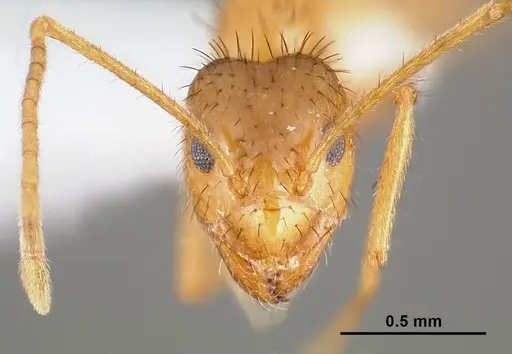
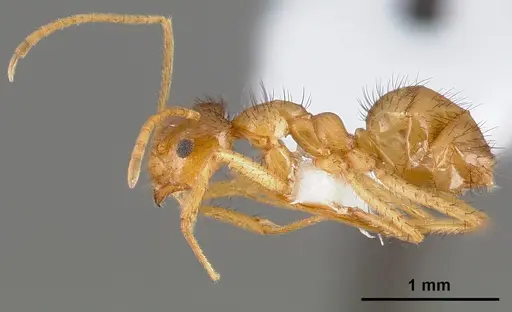
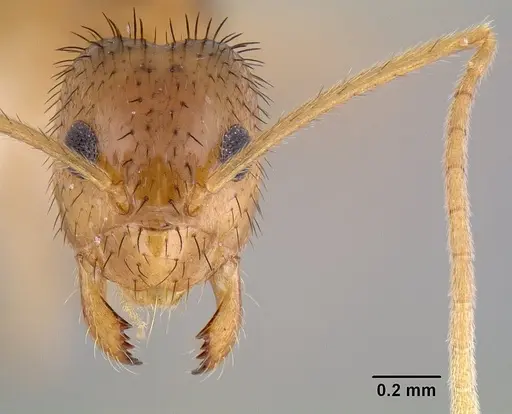
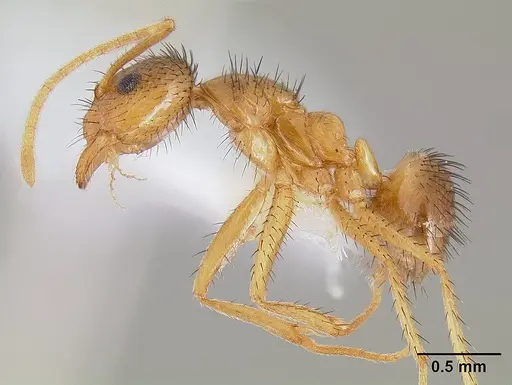
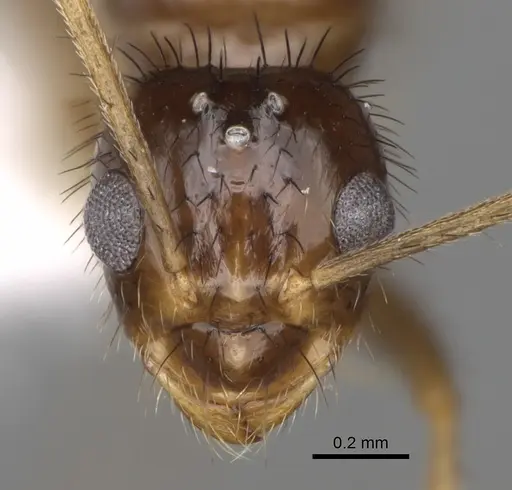
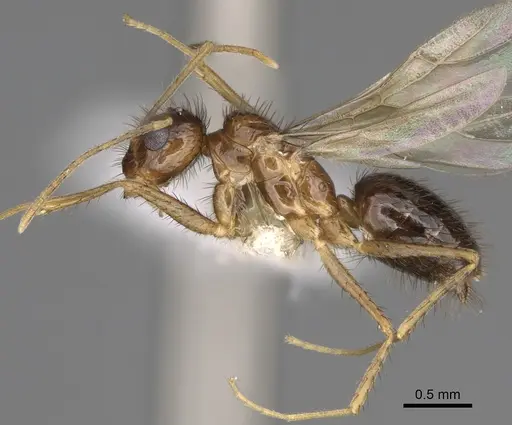
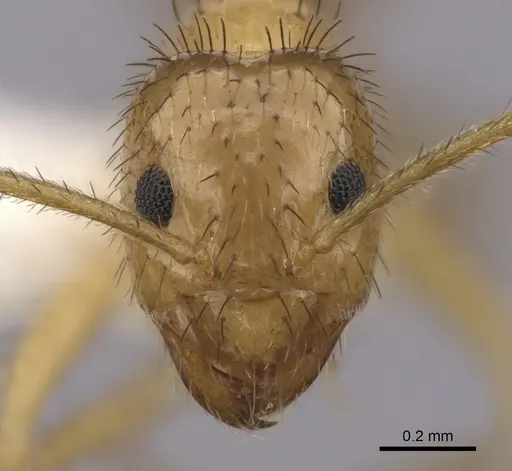
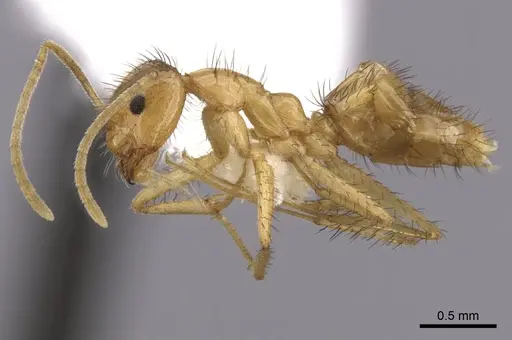
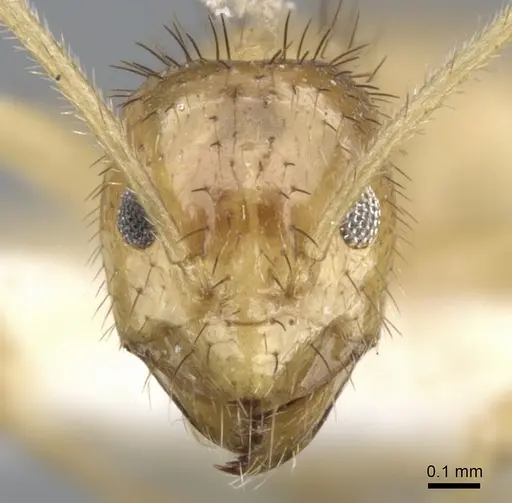
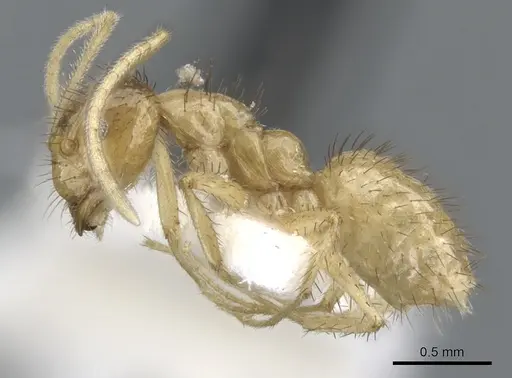
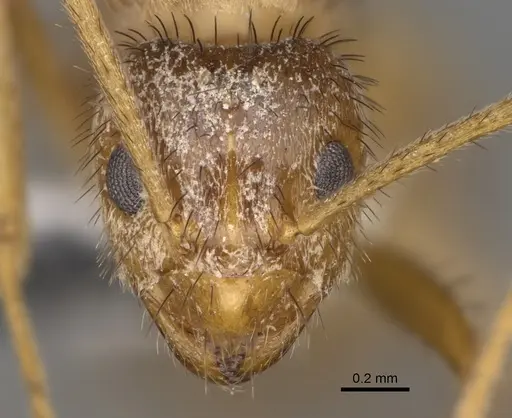
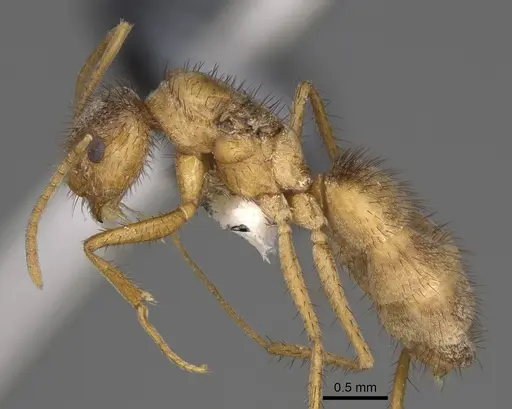
Nylanderia hystrix is a small to medium-sized ant native to the deserts of the American Southwest. Workers measure 2.5-3.1mm and have a strikingly distinctive appearance, they are uniformly yellow to brownish-yellow with numerous black macrosetae (stiff dark hairs) that contrast sharply against their light body [1]. This desert species cannot be easily confused with any other Nearctic Nylanderia species due to its unique look [1]. Queens are larger at 4.4mm, and males are similar in size to workers at 2.4-2.6mm [1].
This ant inhabits the Mojave and Great Basin deserts, ranging from southern California through Baja California into northern Mexico [2][3][4]. They nest under stones in desert washes and can be found from creosote-sagebrush deserts up to pine-juniper woodlands at elevations between 500-1500m [1]. Their habitat range from dry desert flats to more vegetated areas makes them adaptable to various conditions within their native range.
Quick Summary
- Difficulty: Easy
- Origin & Habitat: Native to the Nearctic region, specifically the Mojave and Great Basin deserts of the American Southwest, ranging into Baja California and northern Mexico [1][2]. They inhabit desert washes under stones and range from creosote-sagebrush deserts to pine-juniper woodlands at 500-1500m elevation [1].
- Colony Type: Colony structure is not directly documented in scientific literature. Based on typical Nylanderia patterns, they are likely polygynous (multiple queens) with claustral founding. Further research needed to confirm.
- Founding: Claustral
- Size & Growth:
- Queen: 4.37 mm [1]
- Worker: 2.51-3.10 mm [1]
- Colony: Unknown, likely moderate sized colonies typical of desert Nylanderia species
- Growth: Moderate, inferred from typical Nylanderia development patterns
- Development: 6-10 weeks, estimated based on related Nylanderia species and desert habitat conditions (Development time is estimated as this species has not been directly studied. Desert species typically develop faster at warmer temperatures within their preferred range.)
- Antkeeping:
- Temperature: Keep at room temperature around 20-25°C. As a desert species, they tolerate warmer conditions but avoid extreme heat. A gentle gradient with a warm side around 24-26°C works well.
- Humidity: Low to moderate, these are desert ants. Keep nest substrate relatively dry with occasional damp areas. Avoid constant moisture which can cause mold in desert species setups.
- Diapause: Likely, desert Nearctic species typically require a winter rest period. Provide 2-3 months at 10-15°C during winter months. This is inferred from typical Nearctic desert ant patterns [5] as specific diapause data is not documented for this species.
- Nesting: They naturally nest under stones in desert washes [1]. In captivity, they do well in test tubes for founding colonies, then can be moved to formicariums with dry to moderately moist substrate. Y-tong nests or acrylic setups with minimal moisture work well. Avoid overly humid conditions.
- Behavior: Nylanderia hystrix is a generally calm, non-aggressive species. Workers are active foragers that readily explore their environment. As small ants (under 4mm), they pose an escape risk and require fine mesh barriers and tight-fitting lids. They are not known to sting and present no danger to keepers. Their distinctive yellow color with black hairs makes them easy to identify in the antkeeping setup.
- Common Issues: escape prevention is critical, their small size means they can squeeze through standard gaps, overly humid conditions can cause mold problems since they are desert-adapted, wild-caught colonies may have parasites that can decimate the colony in captivity, slow founding phase may cause beginners to overfeed or disturb the queen unnecessarily, temperature extremes (too hot or too cold) can halt development or kill the colony
Housing and Nest Setup
For founding colonies, a simple test tube setup works well. Fill a test tube with water and plug the wet end with cotton, leaving the dry end for the queen. Place the queen in the tube and keep it dark and undisturbed for 4-6 weeks until workers emerge. Once the colony reaches 20-30 workers, you can transition to a small formicarium. Y-tong nests or acrylic formicariums with narrow chambers suit this species well. Since they are desert-adapted, keep the nesting area relatively dry, avoid the damp conditions you'd use for tropical species. A small water chamber for humidity is sufficient. Provide an outworld for foraging with a shallow food dish. [1][5]
Feeding and Diet
Nylanderia hystrix is omnivorous like most Formicinae ants. They readily accept sugar sources including honey water, sugar water, and honeydew. For protein, offer small insects like fruit flies, small mealworms, or cricket pieces. In the wild, they forage for honeydew from aphids and scavenge small insects. Feed them a few times per week, offer sugar water constantly (check every 2-3 days and replace if moldy) and protein every 2-3 days. Remove uneaten protein after 24 hours to prevent mold. Observe worker activity to gauge if you're feeding enough, active foragers indicate good nutrition.
Temperature and Seasonal Care
Keep your colony at room temperature, ideally 20-25°C. As a desert species from the American Southwest, they can tolerate warmer conditions but avoid temperatures above 30°C. A heating cable on one side of the nest can create a gradient if your room runs cool, but ensure they can move to cooler areas. During winter (roughly November-February in the Northern Hemisphere), lower temperatures to 10-15°C to simulate their natural dormancy period. This winter rest helps maintain colony health and may trigger reproductive behavior in spring. Do not feed during diapause, the colony will be largely inactive. [1]
Behavior and Foraging
Workers of Nylanderia hystrix are active foragers that readily explore their environment. They are not aggressive and pose no threat to keepers. The species is known for its distinctive appearance, the bright yellow body covered in contrasting black macrosetae makes them one of the most recognizable Nearctic ant species. Workers communicate through chemical trails and will quickly discover and exploit food sources. They are primarily diurnal, matching the activity patterns of desert insects that avoid midday heat. Their small size (under 4mm) means they are excellent escape artists, always use fine mesh and check for gaps in your setup. [1]
Colony Development
A newly mated queen will seal herself into a small chamber and lay eggs. She does not leave to forage during this claustral founding period, she survives entirely on stored fat reserves. First workers (nanitics) will be smaller than mature workers and may take 6-10 weeks to emerge, depending on temperature. After workers arrive, the colony enters a growth phase. The queen continues laying eggs while workers expand the nest, forage for food, and tend to brood. Growth is typically moderate, expect several months before you have a substantial colony. Patience is key during the founding phase when the colony is most vulnerable.
Frequently Asked Questions
How long does it take for Nylanderia hystrix to produce first workers?
Expect 6-10 weeks from egg to first worker at optimal temperatures (around 24°C). This is an estimate based on related Nylanderia species since this specific species has not been studied. The queen seals herself in during founding and raises the first brood alone.
Can I keep Nylanderia hystrix in a test tube?
Yes, test tubes work excellent for founding colonies. Use a standard test tube setup with a water reservoir plugged with cotton. Keep it dark and undisturbed for 4-6 weeks until workers emerge. Once the colony reaches 20-30 workers, consider moving to a small formicarium.
What do Nylanderia hystrix eat?
They are omnivorous. Offer sugar water or honey constantly, and protein (small insects like fruit flies, mealworms, or cricket pieces) 2-3 times per week. They readily accept both sweet and protein foods.
Do Nylanderia hystrix need hibernation?
Yes, as a desert species from the Nearctic region, they benefit from a winter rest period. Provide 2-3 months at 10-15°C during winter (typically November-February). Reduce or stop feeding during this period as the colony will be mostly inactive.
Are Nylanderia hystrix good for beginners?
Yes, they are considered easy to keep. They are adaptable, tolerant of various conditions, and not aggressive. The main challenges are escape prevention (due to their small size) and avoiding over-humid conditions. They make an excellent beginner species.
How big do Nylanderia hystrix colonies get?
Colony size is not well documented for this specific species. Based on typical Nylanderia patterns, expect colonies of several hundred workers at maturity. They are not supercolonial and do not reach the massive sizes of some invasive species.
When should I move my colony to a formicarium?
Move from test tube to formicarium once the colony reaches 20-30 workers. Make sure the formicarium has appropriately sized chambers, avoid large, open spaces. A Y-tong nest or small acrylic formicarium works well. Keep the nesting area relatively dry.
Why are my Nylanderia hystrix dying?
Common causes include: overly humid conditions (desert species need dry nesting areas), temperature extremes, mold from overfeeding, or parasites from wild-caught colonies. Check that your setup matches their desert habitat preferences, dry nest, moderate temperatures, and avoid disturbing the queen during founding.
References

This caresheet is licensed under CC BY-SA 4.0 .
CASENT0005424
View on AntWeb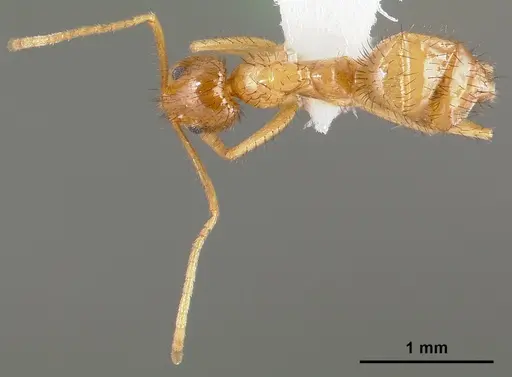
CASENT0106037
View on AntWeb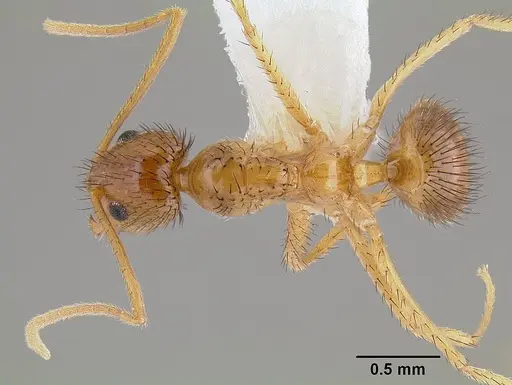
CASENT0106724
View on AntWeb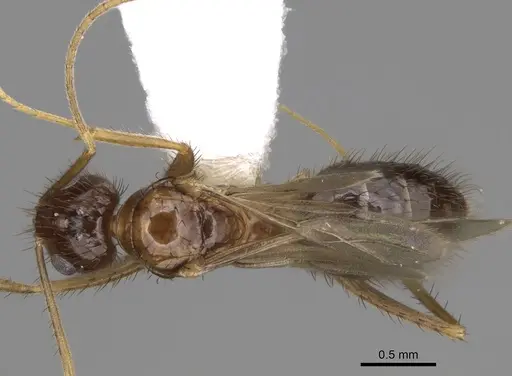
CASENT0280572
View on AntWeb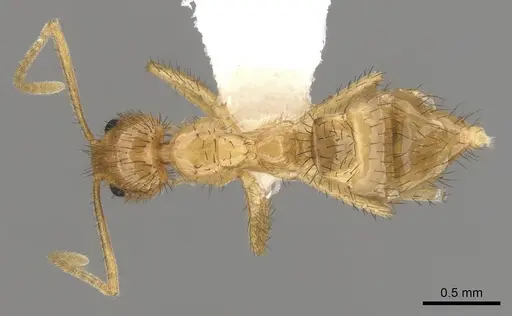
CASENT0903133
View on AntWeb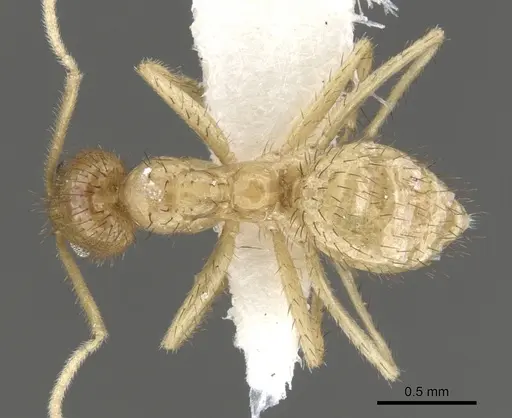
USNMENT00751406
View on AntWeb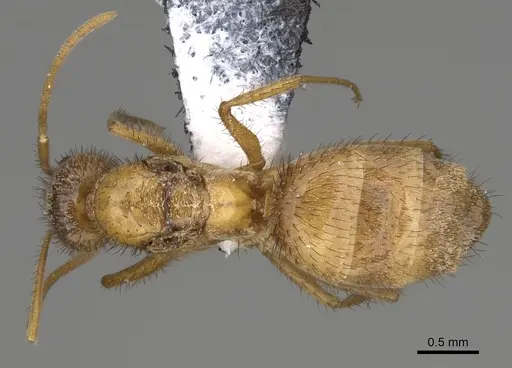
Literature
Loading...Loading products...