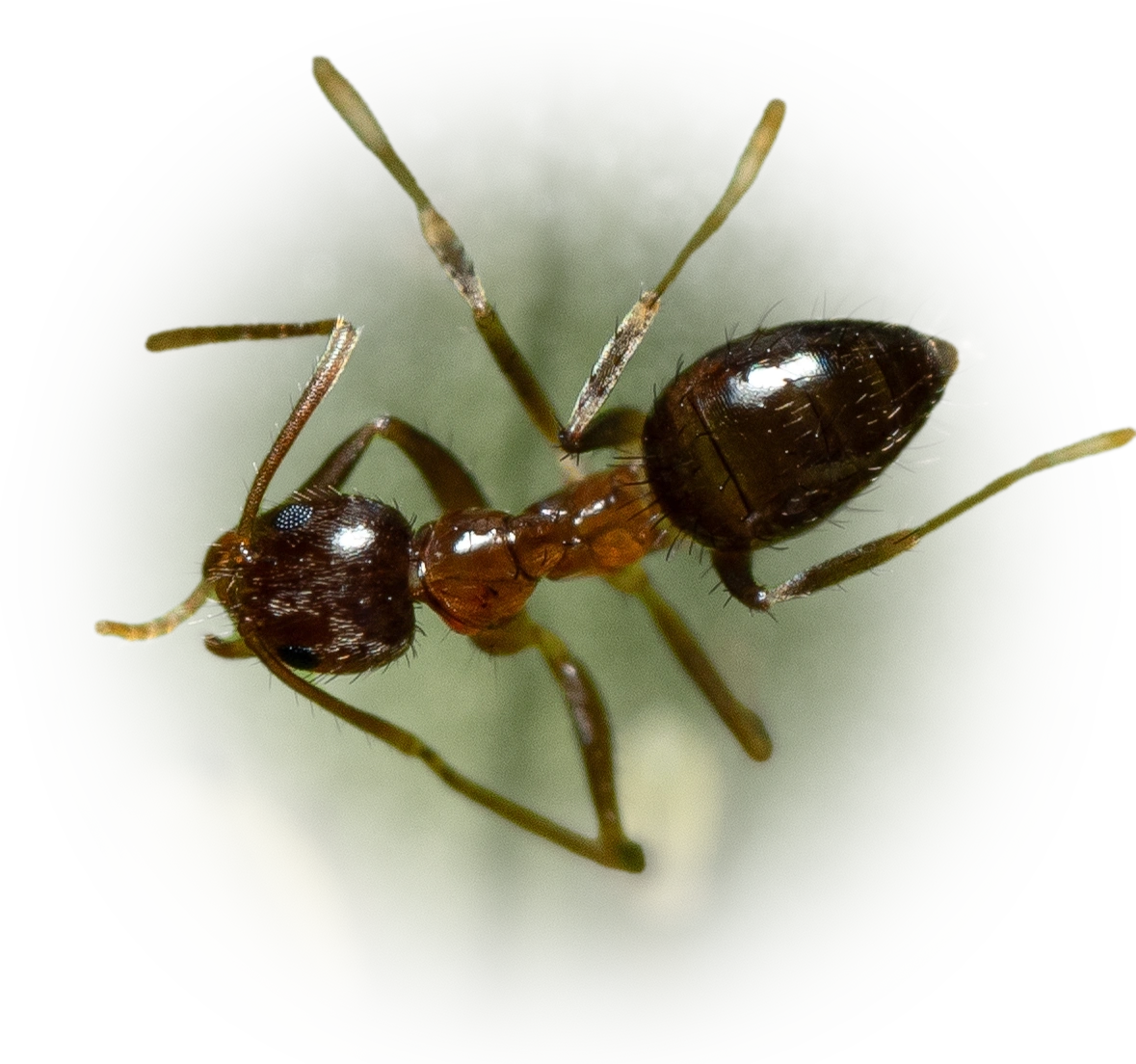

Nylanderia faisonensis
- Scientific Name
- Nylanderia faisonensis
- Tribe
- Lasiini
- Subfamily
- Formicinae
- Author
- Forel, 1922
- Common Name
- Woodland Crazy Ant
- Distribution
- Found in 1 countries
Nylanderia faisonensis Overview
Nylanderia faisonensis (commonly known as the Woodland Crazy Ant) is an ant species of the genus Nylanderia. It is primarily documented in 1 countries , including United States of America. Detailed taxonomic data and occurrence records can be further explored via authoritative databases such as AntWeb or the Global Biodiversity Information Facility (GBIF).
Nylanderia faisonensis - "Woodland Crazy Ant"
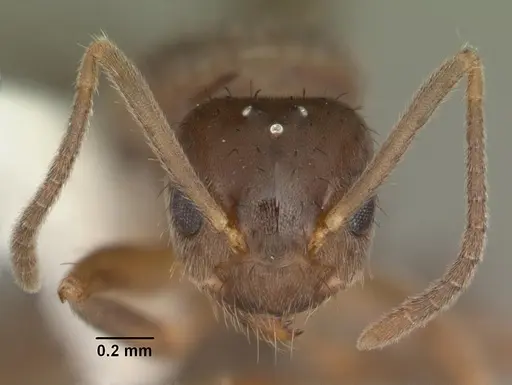
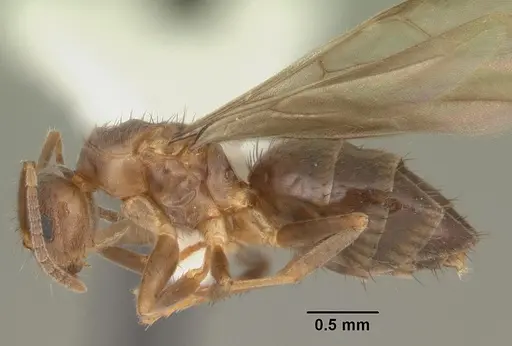
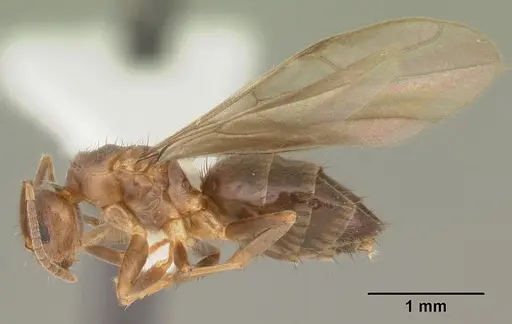
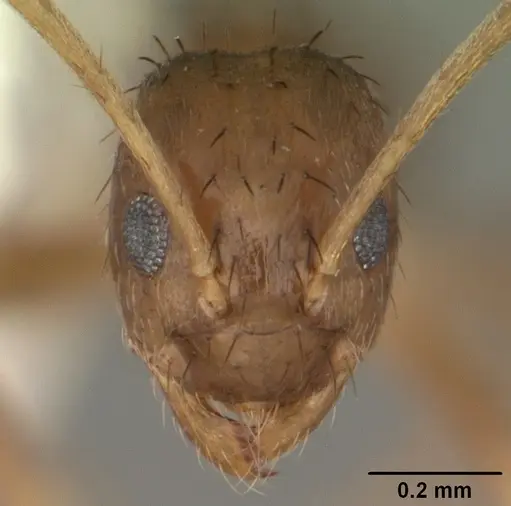
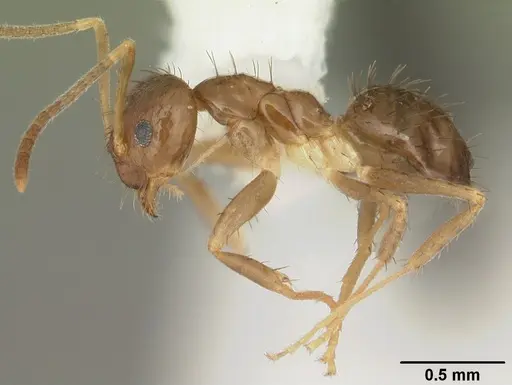
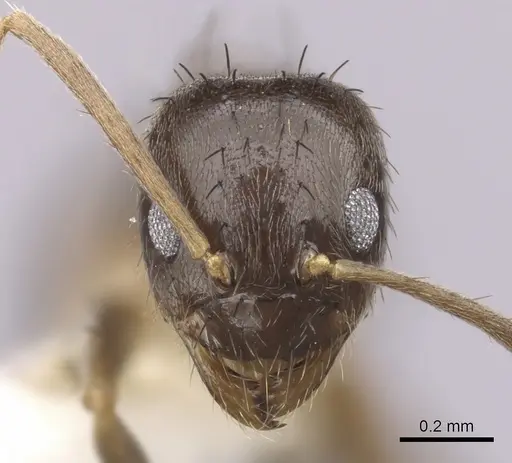
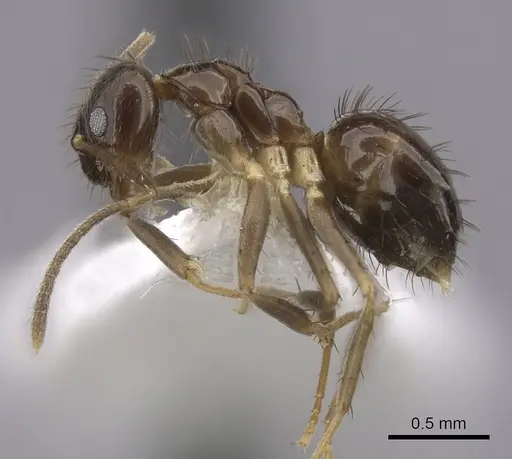
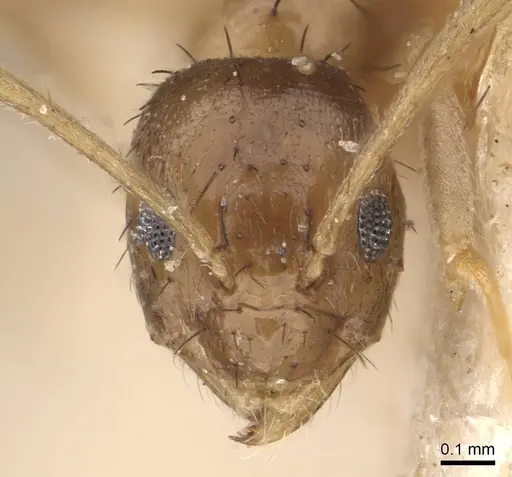
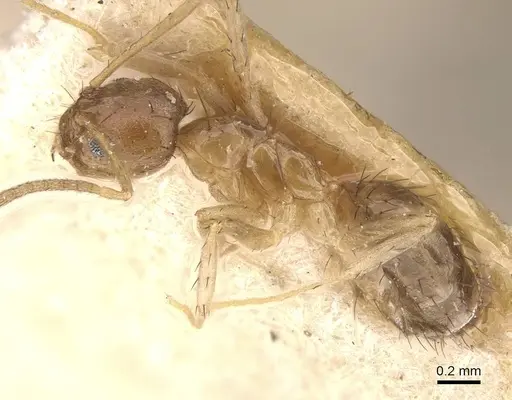
Nylanderia faisonensis is a small, native ant species found throughout the eastern United States. Workers measure 1.85-2.56mm and are uniformly brown with a slightly darker gaster, featuring distinctive pale whitish mesocoxae and metacoxae that strongly contrast with the rest of their body. Their antennae and mandibles are yellowish-brown, and they have dense pubescence on the head. This species is one of the most numerous ants in the eastern half of the United States, particularly dominant in northeastern forests alongside Aphaenogaster rudis and Prenolepis imparis [1]. Queens measure 3.37-4.14mm and are uniformly light brown.
What makes N. faisonensis interesting is its ecological flexibility, it thrives in both deciduous and pine forests, nesting in shallow, temporary colonies in leaf litter, rotten wood, and soil. These ants are dietary generalists and extremely submissive to other ant species, relying on their high discovery rate and ability to find food quickly rather than competing aggressively. They forages on both ground and foliage, with foraging peaks in mid-summer. A notable aspect is that an undescribed socially parasitic Nylanderia species targets this ant in northern Florida [1].
Quick Summary
- Difficulty: Easy
- Origin & Habitat: Eastern United States, ranging from New Jersey south to Florida and west to Texas and Arkansas. Inhabits mesic deciduous forests and pine forests, nesting in leaf litter, rotten wood, and shallow soil [1][2].
- Colony Type: Single-queen colonies (monogyne). Colonies are small, typically containing 125-150 workers, with nests that are shallow and often fragmented [3][4].
- Colony: Monogyne
- Founding: Claustral
- Size & Growth:
- Queen: 3.37-4.14mm [1]
- Worker: 1.85-2.56mm [1]
- Colony: Up to 125-150 workers [3][5]
- Growth: Moderate
- Development: 6-8 weeks (estimated based on typical Nylanderia development patterns) (Development timeline is not directly documented for this species. Reproductives are reared August through December, overwinter in the nest, and fly March-May [1].)
- Antkeeping:
- Temperature: Keep at room temperature (20-24°C). This species has one of the lowest CTmax values (37°C) among studied ants, meaning they are sensitive to heat [6][7]. Avoid temperatures above 30°C. A gentle gradient with a heating cable on one side of the nest works well.
- Humidity: Keep the nest substrate moderately moist. They naturally inhabit leaf litter and rotting wood in forests, so the substrate should feel damp but not waterlogged. Provide some drier areas for the ants to choose from.
- Diapause: Yes. This species requires a winter dormancy period. Reproductives are reared August-December, overwinter in the nest, and conduct nuptial flights between March-May [1]. Provide a hibernation period of 2-3 months at temperatures around 10-15°C.
- Nesting: Shallow nests in leaf litter, rotten wood, or soil. In captivity, a naturalistic setup with a substrate layer of moist soil/peat mixed with rotting wood pieces works well. They also do well in Y-tong or acrylic nests with narrow chambers. Avoid tall, open spaces, they prefer tight, confined areas.
- Behavior: Workers are active foragers that search for food both on the ground and on foliage. They are dietary generalists, accepting sugars, proteins, and small insects. They are very submissive and non-aggressive toward other ant species, they rely on being fast discoverers rather than fighters. Workers are tiny (under 3mm), so escape prevention must be excellent with fine mesh barriers. They are not aggressive and do not sting.
- Common Issues: tiny size means escapes are likely without fine mesh barriers, they can squeeze through the smallest gaps, low heat tolerance, keep away from direct heat sources and avoid temperatures above 30°C, colonies are small (max ~150 workers) so don't expect large colony sizes, shallow, fragmented natural nests may not translate well to deep formicarium setups, they prefer surface-level nesting, wild-caught colonies may be targeted by the undescribed social parasite known from northern Florida
Nest Preferences
In the wild, Nylanderia faisonensis nests in shallow, temporary locations in leaf litter, rotten wood, and soil [1]. The nests are often fragmented, a single queen lives deep under leaf litter while workers and brood live near the surface [4]. This is a forest-floor species that doesn't dig deep soil nests.
For captive care, replicate their natural setup with a naturalistic terrarium containing a substrate layer of moist soil or peat mixed with small pieces of rotting wood, dried leaves, and other forest floor materials. This gives them the damp, confined spaces they prefer. Alternatively, a Y-tong or acrylic nest with narrow chambers can work, but avoid tall, open spaces. The key is providing tight chambers scaled to their tiny size, these are very small ants.
Feeding and Diet
Nylanderia faisonensis is a dietary generalist that forages for sugars, proteins, and small insects [5]. In the wild, they discover food quickly, their discovery rate is among the fastest when compared to other forest ant species [8]. They forage both on the ground and on foliage, with peak foraging activity in mid-summer [5].
In captivity, offer a mix of foods: sugar water or honey as a constant sugar source, and protein sources like small crickets, mealworms, or fruit flies twice weekly. Because they are tiny, food items should be appropriately sized. They will also accept honeydew if available. Remove uneaten prey after 24-48 hours to prevent mold.
Temperature and Seasonal Care
This species has one of the lowest heat tolerances among ants studied, with a CTmax of only 37°C [6][7]. This means you must keep them away from direct heat sources and avoid temperatures above 30°C. Room temperature (20-24°C) is ideal. If you use heating cables, place them gently and monitor colony behavior, if workers avoid the heated area, reduce heat.
They require a winter dormancy period. Reproductives are reared August through December, overwinter in the nest, and conduct nuptial flights between March and May, with southern populations flying earlier [1]. Provide 2-3 months of hibernation at 10-15°C during winter. This matches their natural cycle and is essential for reproductive health.
Behavior and Temperament
These ants are extremely submissive and non-aggressive toward other ant species [1]. Studies on dominance and coexistence show they are tolerant of sympatric species, relying on their excellent food discovery ability rather than competitive fighting [5]. They are often outcompeted by more dominant species like Aphaenogaster rudis when food is added [5].
Workers are tiny (under 3mm) and very active. They are not aggressive and cannot sting. However, their small size means they are excellent escape artists, you must use fine mesh barriers and tight-fitting lids. They are peaceful ants that won't bother you, but they will escape if given the chance.
Colony Structure and Growth
N. faisonensis forms small colonies with a single queen, typically containing 125-150 workers at maturity [3][5]. This is a relatively small colony size compared to many other ant species. Nests are shallow and often fragmented in nature [4].
Colony growth is moderate. Reproductives are reared from August to December, then overwinter in the nest before conducting nuptial flights in spring (March-May) [1]. This means new colonies are typically established in spring from mated queens. Expect slow growth initially as the queen raises her first workers alone.
Frequently Asked Questions
How long does it take for Nylanderia faisonensis to have first workers?
Based on typical Nylanderia development patterns, expect first workers (nanitics) approximately 6-8 weeks after the queen lays eggs. This is an estimate since the exact development timeline has not been directly documented for this species.
What temperature do Nylanderia faisonensis need?
Keep them at room temperature (20-24°C). This species has low heat tolerance, avoid temperatures above 30°C. They are sensitive to heat with a CTmax of only 37°C.
Do Nylanderia faisonensis need hibernation?
Yes, they require a winter dormancy period. In the wild, reproductives are reared August-December, overwinter in the nest, and fly in spring (March-May). Provide 2-3 months at 10-15°C during winter.
How big do Nylanderia faisonensis colonies get?
Colonies are small, typically reaching only 125-150 workers at maturity. This is one of the smaller colony sizes among ant species.
Can I keep multiple Nylanderia faisonensis queens together?
No, this species is monogyne (single-queen). They form colonies with just one queen. Combining unrelated queens is not recommended.
What do Nylanderia faisonensis eat?
They are dietary generalists. Offer sugar water or honey as a constant sugar source, and protein like small crickets, mealworms, or fruit flies twice weekly. They discover food quickly and will accept a variety of foods.
Are Nylanderia faisonensis good for beginners?
Yes, they are a good beginner species. They are small, peaceful, don't sting, and have simple care requirements. The main challenges are their escape prevention (they are tiny) and providing proper hibernation. Their small colony size also means they stay manageable.
When do Nylanderia faisonensis have nuptial flights?
Nuptial flights occur between March and May, with southern populations flying earlier than northern ones. Reproductives are reared August-December and overwinter in the nest before emerging to fly in spring.
Why are my Nylanderia faisonensis dying?
Common causes include: too high temperatures (above 30°C), poor escape prevention allowing escapes, improper humidity (too dry or waterlogged), and lack of winter hibernation. Also check for the undescribed social parasite that targets this species in northern Florida, wild-caught colonies may be affected.
What is the best nest type for Nylanderia faisonensis?
A naturalistic setup with moist soil/peat mixed with rotting wood pieces and leaf litter works best, replicating their forest floor habitat. Alternatively, Y-tong or acrylic nests with narrow chambers can work. Avoid tall, open spaces, they prefer tight, confined areas.
References

This caresheet is licensed under CC BY-SA 4.0 .
CASENT0104212
View on AntWeb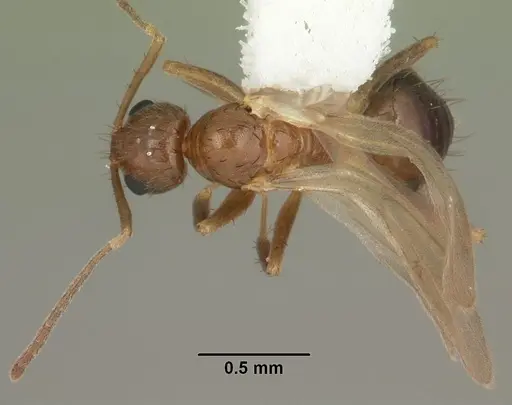
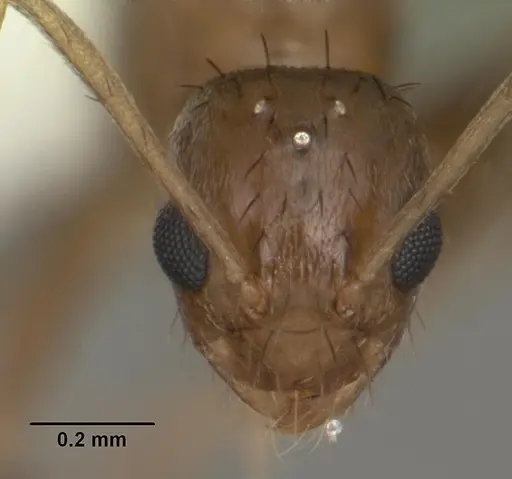
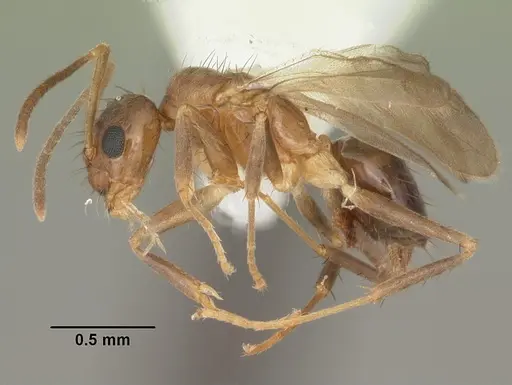
CASENT0104215
View on AntWeb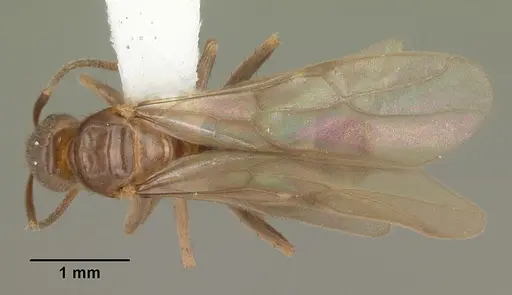
CASENT0104218
View on AntWeb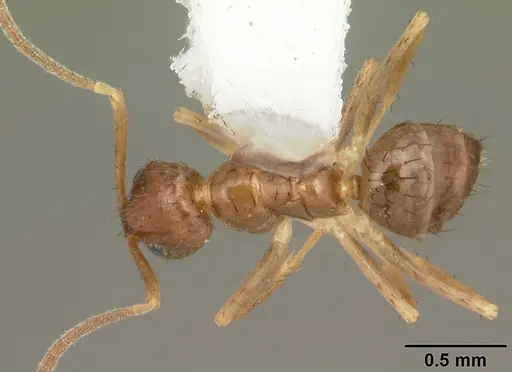
CASENT0280576
View on AntWeb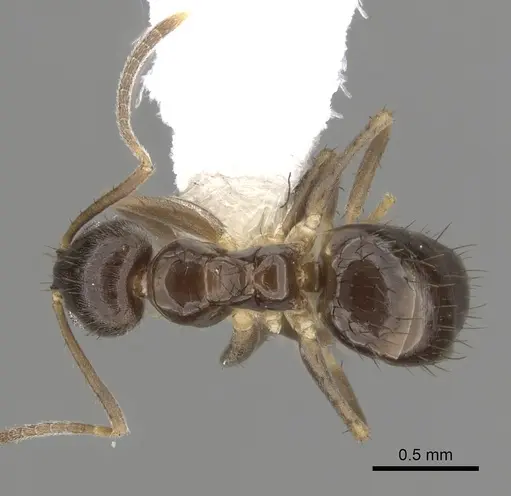
CASENT0911026
View on AntWeb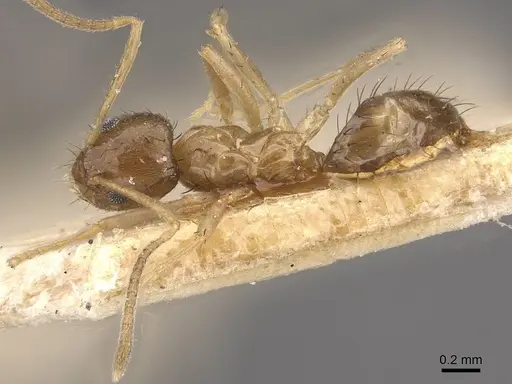
Literature
Loading...Loading products...