

Nylanderia braueri
- Scientific Name
- Nylanderia braueri
- Tribe
- Lasiini
- Subfamily
- Formicinae
- Author
- Mayr, 1868
- Distribution
- Found in 3 countries
Nylanderia braueri Overview
Nylanderia braueri is an ant species of the genus Nylanderia. It is primarily documented in 3 countries , including Australia, Fiji, New Zealand. Detailed taxonomic data and occurrence records can be further explored via authoritative databases such as AntWeb or the Global Biodiversity Information Facility (GBIF).
Nylanderia braueri
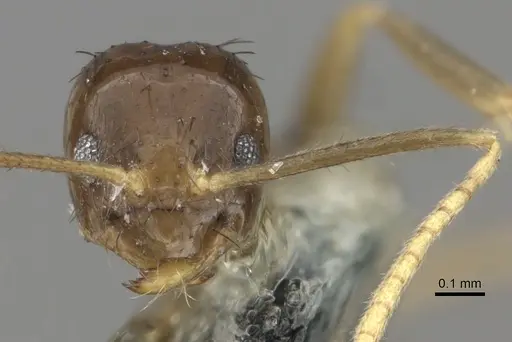
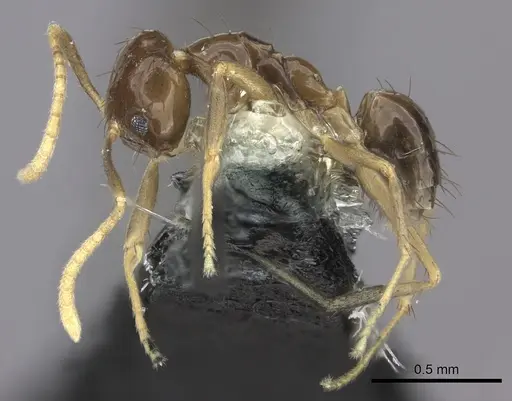
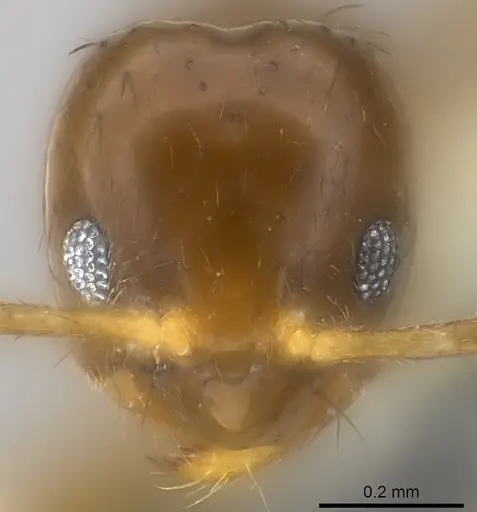
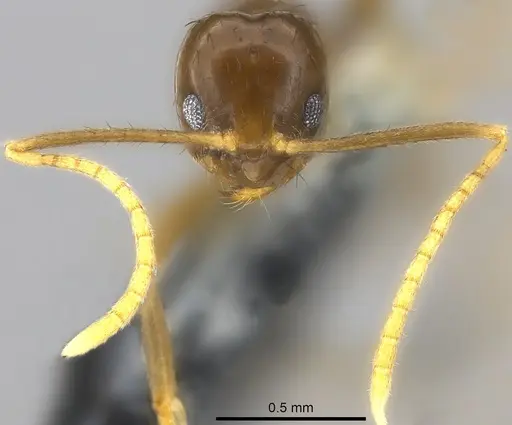
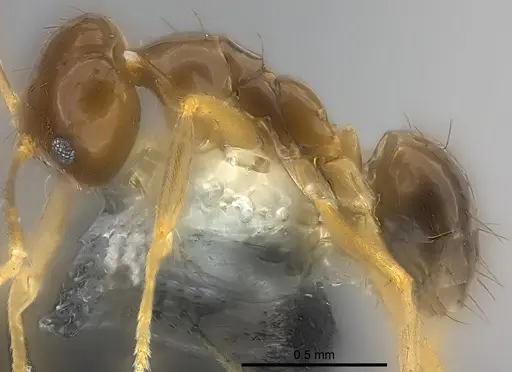
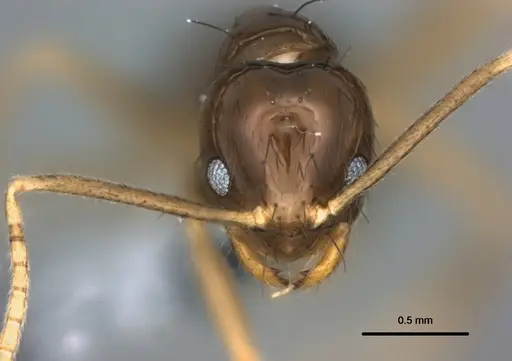
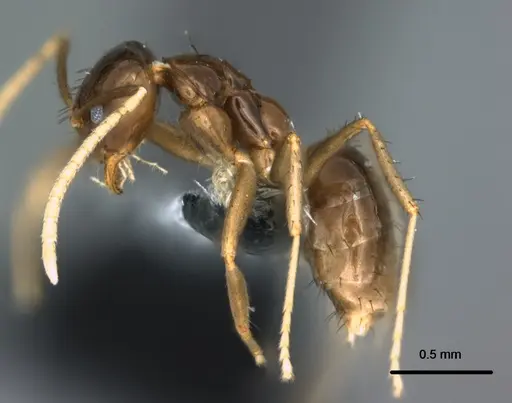
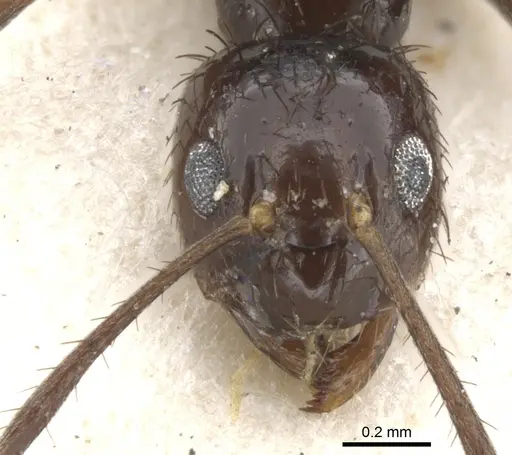
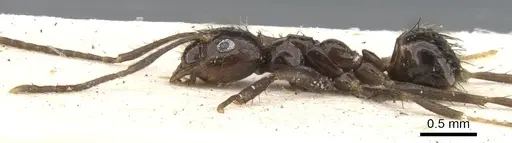
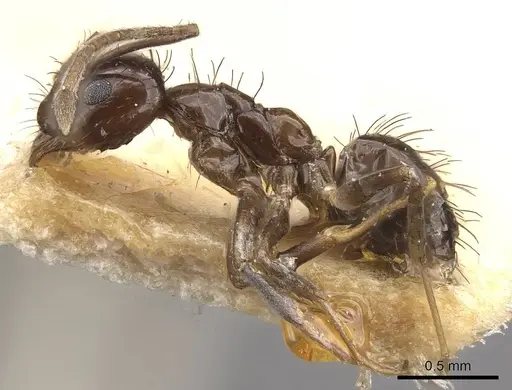
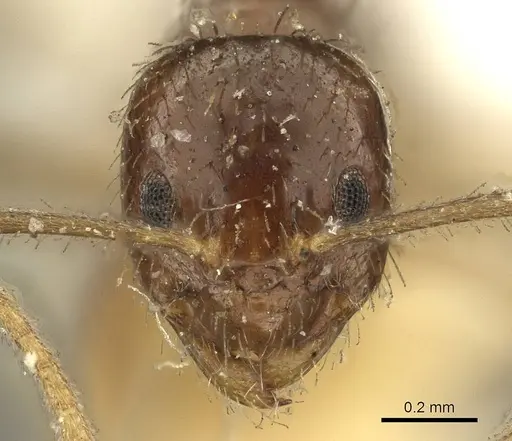
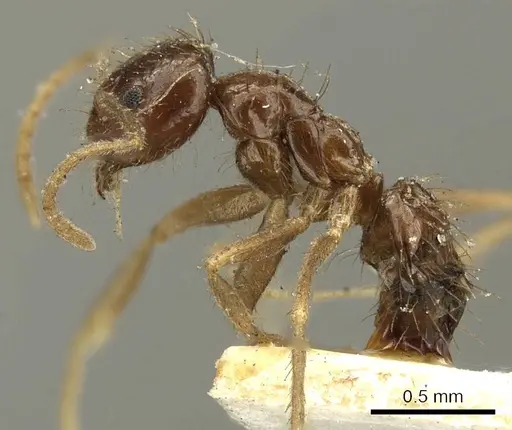
Nylanderia braueri is a small ant species native to Australia, first described by Mayr in 1868. Workers are tiny at around 2-3mm, with the typical Nylanderia appearance: slender build, long legs, and a dark reddish-brown to brownish-black coloration. The antennae have erect setae (bristles), and the mandibles typically have 6-7 teeth [1]. This species belongs to the Formicinae subfamily, meaning they can spray formic acid as a defense rather than stinging. The original type locality is Mackay, Queensland [2].
This species remains poorly studied in the scientific literature. While once considered potentially synonymous with Nylanderia glabrior (raised to species status in 2012), N. braueri remains a valid taxon. The genus Nylanderia is known for flexible colony structures and fast-moving workers, but specific details about this species' biology are limited.
Quick Summary
- Difficulty: Unknown, insufficient data for difficulty rating
- Origin & Habitat: Native to Australia, specifically Queensland (Mackay type locality). Found across the Australasian region, with records from the Solomon Islands (first recorded 1954) [3]. Natural habitat specifics are unconfirmed, but related Nylanderia species typically nest in soil, under stones, or in rotting wood in warm, often forested areas.
- Colony Type: Colony structure is unconfirmed. Many Nylanderia species are facultatively polygynous (can have multiple queens), but specific data for N. braueri is lacking.
- Size & Growth:
- Queen: Estimated 4-5mm based on genus patterns (not directly measured for this species)
- Worker: Approximately 2-3mm [1]
- Colony: Unknown, no colony size data available for this species
- Growth: Unknown, no development data available
- Development: Estimated 6-8 weeks based on typical Nylanderia genus patterns at warm temperatures (24-28°C) (Direct development data unavailable, estimate based on related species in the genus)
- Antkeeping:
- Temperature: Estimated 24-28°C based on genus patterns for tropical/subtropical species. Provide a gentle gradient if possible.
- Humidity: Moderate to high, aim for 60-80% relative humidity. Keep substrate slightly moist but not waterlogged.
- Diapause: Unknown for this specific species. Many Australian ants reduce activity in cooler months but true diapause requirements are unconfirmed.
- Nesting: Preferred nesting conditions unconfirmed. Related Nylanderia species nest in soil, under stones, or in small cavities. A test tube setup or small acrylic nest works well for their tiny size.
- Behavior: Behavior is unconfirmed for this specific species. Based on genus patterns, expect active, fast-moving workers that forage individually. They likely forage for honeydew and small insects. As Formicinae, they can spray formic acid when threatened. Their tiny size (2-3mm) means escape prevention is critical, they can squeeze through very small gaps.
- Common Issues: tiny size makes escape likely without fine mesh barriers, no species-specific care data exists, keepers must rely on genus-level inferences, growth rate and development timeline are unconfirmed, hibernation or cool-season requirements are unknown, limited availability in the antkeeping hobby
Species Identification and History
Nylanderia braueri was originally described as Nylanderia braueri by Mayr in 1868 from worker specimens collected in Mackay, Queensland, Australia [2]. The species has undergone several reclassifications over the years, moving through Prenolepis, then Paratrechina (Nylanderia), and finally settling in Nylanderia as currently recognized [4]. A subspecies, Nylanderia braueri donisthorpei, was described by Forel in 1908,though the current validity of this subspecies is uncertain. Some researchers have suggested N. braueri may be synonymous with N. glabrior, which was elevated to full species status in 2012,but N. braueri remains recognized as a valid taxon in current checklists [2].
Distribution and Range
Nylanderia braueri is native to Australia, with the type locality in Queensland. The species has been recorded from the Solomon Islands, with specimens collected from Guadalcanal in 1954 representing the first record for that region [3]. The species appears in surveys of Australian territories, including Barrow Island where it was detected only in non-indigenous species (NIS) surveys [5]. This suggests some capability for dispersal, though its established range remains primarily Australia and neighboring Pacific islands.
Identification Notes
Workers of N. braueri are small ants measuring approximately 2-3mm. Key identification features include mandibles armed with six or seven teeth and antennae with erect setae (bristles standing up from the surface) [1]. The genus Nylanderia can be distinguished from similar genera like Paratrechina by certain morphological characteristics, and the species-level identification typically requires examination of microscopic features. For antkeepers, the small size, slender build, and relatively fast movement are characteristic of the genus.
Keeping Nylanderia braueri - Inferences from Genus
Since no species-specific care information exists for N. braueri, keepers must rely on what we know about the genus Nylanderia as a whole. These are small, active ants that typically nest in soil or under stones in warm habitats. Based on related species, provide a temperature in the range of 24-28°C with moderate humidity (60-80%). A test tube setup works well for founding colonies, and small acrylic or ytong nests suit established colonies. Feed a diet of sugar water or honey for energy, plus small protein sources like fruit flies or tiny insects. The tiny worker size (2-3mm) means escape prevention must be excellent, use fine mesh and tight-fitting lids. As Formicinae, they can spray formic acid when disturbed, though this is a minor defense compared to true stinging ants.
Uncertainty and Care Gaps
It is critical that antkeepers understand this species has not been studied in captivity, and almost no scientific data exists on its biology. Everything in this caresheet represents either direct data from the limited specimens collected (size, distribution, morphology) or inferences from genus-level patterns. The colony structure (single queen vs multiple queens), founding behavior (whether the queen seals herself in or must forage), development timeline, and exact temperature/humidity preferences are all unknown. Keepers should monitor their colonies closely and adjust care based on observed behavior. This species is best suited for experienced antkeepers comfortable with uncertainty and able to adapt care as they learn what works for their specific colony.
Frequently Asked Questions
How long does it take for Nylanderia braueri to produce first workers?
The egg-to-worker timeline is unconfirmed for this species. Based on typical Nylanderia genus patterns at warm temperatures (24-28°C), estimate approximately 6-8 weeks, but this is a rough guess rather than a confirmed measurement.
What do Nylanderia braueri ants eat?
Diet is unconfirmed for this specific species. Based on genus patterns, they likely accept sugar sources (honey, sugar water) and small protein prey (fruit flies, tiny insects). Offer both sugar water constantly and small live or dead insects regularly.
What temperature do Nylanderia braueri ants need?
Temperature requirements are not documented for this species. Based on related Nylanderia species from tropical/subtropical regions, aim for 24-28°C. Provide a gentle gradient if possible so the ants can choose their preferred temperature.
Are Nylanderia braueri ants good for beginners?
This species cannot be recommended for beginners due to the complete lack of species-specific care information. Only experienced antkeepers comfortable with uncertainty should attempt this species.
How big do Nylanderia braueri colonies get?
Colony size is unknown, no scientific data exists on maximum colony size for this species. Based on related species, Nylanderia colonies are typically moderate in size, possibly reaching several hundred workers.
Can I keep multiple Nylanderia braueri queens together?
The colony structure (monogyne vs polygyne) is unconfirmed for this species. No data exists on whether multiple queens can be kept together successfully.
Do Nylanderia braueri ants need hibernation?
Diapause requirements are unknown for this species. As an Australian species from Queensland, they likely experience cooler periods but may not require true hibernation. More research is needed.
Why are my Nylanderia braueri ants dying?
Without species-specific data, causes of mortality are speculative. Ensure excellent escape prevention (their tiny size allows escapes through standard barriers), appropriate temperature (24-28°C), and moderate humidity. Consider whether your founding queen was mated and healthy.
Where can I get Nylanderia braueri ants?
This species appears to be rarely available in the antkeeping hobby. Check with specialized Australian ant vendors or breeders. Wild collection may be possible in Queensland but requires appropriate permits.
References

This caresheet is licensed under CC BY-SA 4.0 .
CASENT0181471
View on AntWeb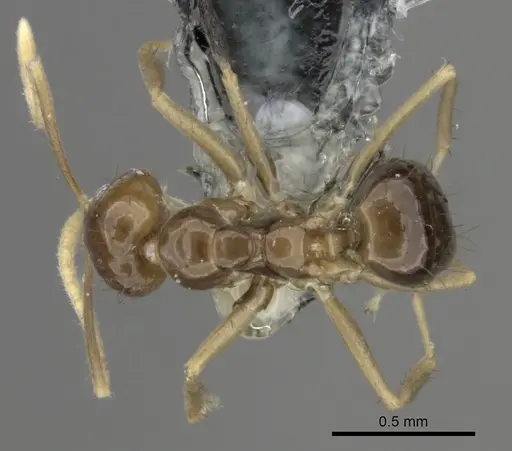
CASENT0181474
View on AntWeb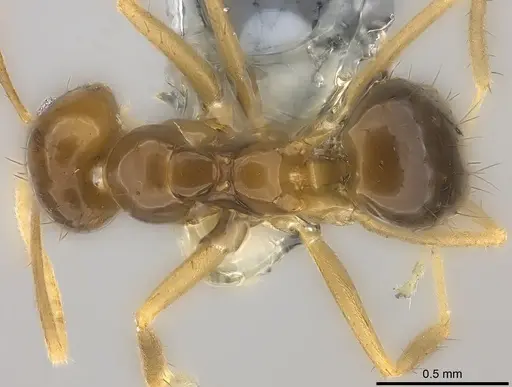
CASENT0181506
View on AntWeb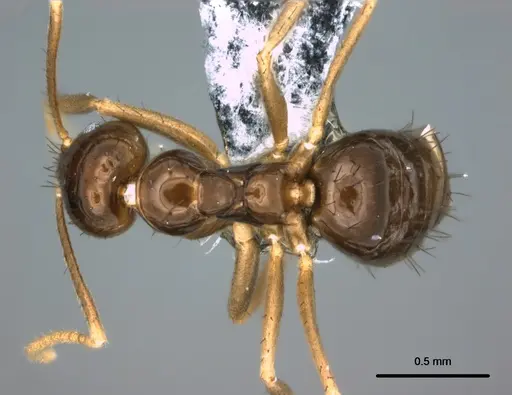
CASENT0903129
View on AntWeb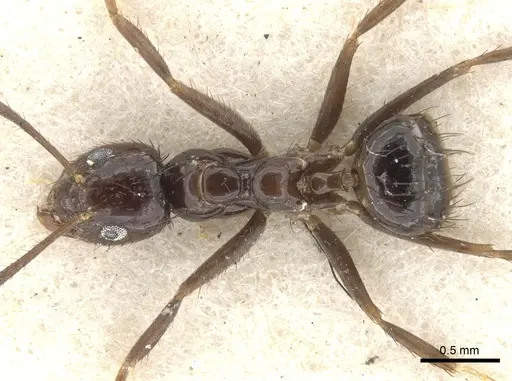
CASENT0911015
View on AntWeb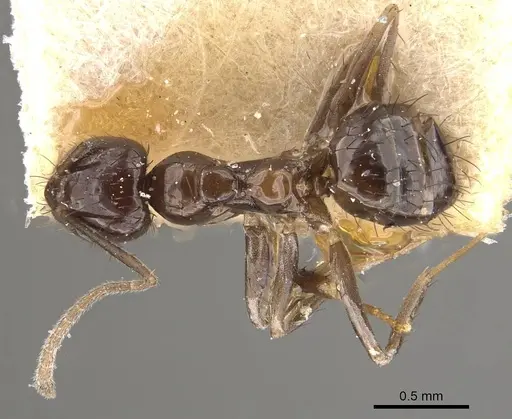
CASENT0915719
View on AntWeb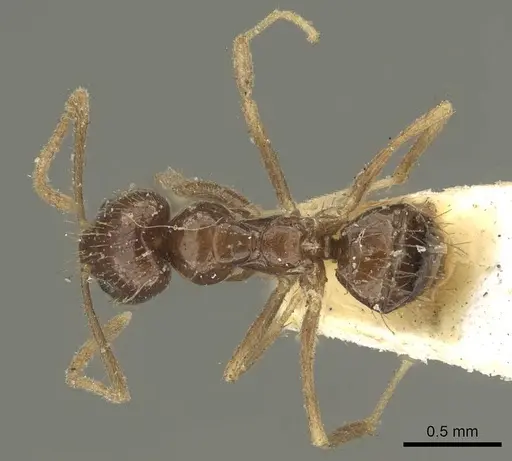
Literature
Loading...Loading products...