

Nylanderia boltoni
- Scientific Name
- Nylanderia boltoni
- Tribe
- Lasiini
- Subfamily
- Formicinae
- Author
- LaPolla & Fisher, 2011
- Distribution
- Found in 3 countries
Nylanderia boltoni Overview
Nylanderia boltoni is an ant species of the genus Nylanderia. It is primarily documented in 3 countries , including Côte d'Ivoire, Gabon, South Africa. Detailed taxonomic data and occurrence records can be further explored via authoritative databases such as AntWeb or the Global Biodiversity Information Facility (GBIF).
Nylanderia boltoni
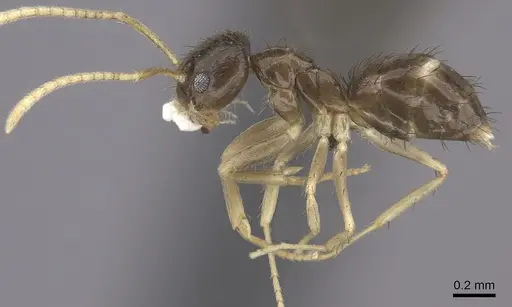
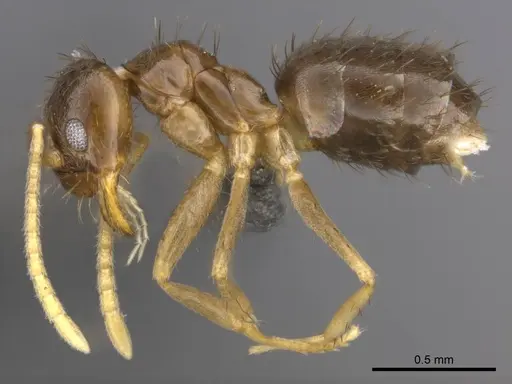
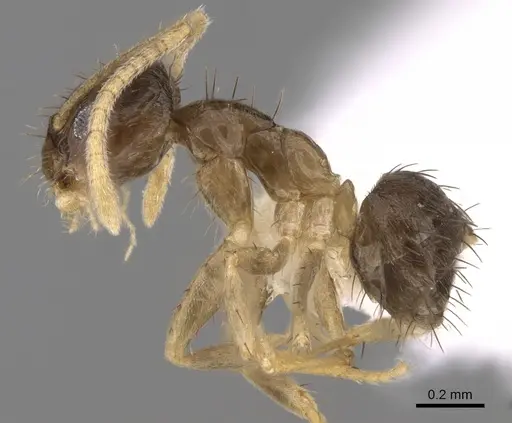
Nylanderia boltoni is a tiny yellowish-brown ant native to Africa, with workers measuring just 1.8-2.3mm [1]. This species has one of the widest ranges of any Afrotropical Nylanderia, found across West Africa (Benin, Ghana, Nigeria, Togo), East Africa (Kenya, Tanzania, Uganda), and Southern Africa (Eswatini, South Africa) and Gabon [1][2]. Workers are yellowish-brown overall, with the head and abdomen typically darker brown than the middle body section, and lighter-colored middle and hind coxae that help distinguish them from similar species like N. umbella and N. scintilla [1].
This ant nests in leaf litter and dead wood on the forest floor, as well as under bark on living trees [2]. It forages on a variety of plants including cocoa, coffee, oil palm, and mango trees, where it tends aphids and builds debris tents [2]. The queen caste remains unknown for this species, making colony founding details unconfirmed.
Quick Summary
- Difficulty: Medium
- Origin & Habitat: Tropical and subtropical Africa (West, East, and Southern Africa). Found in leaf litter, dead wood on the soil, and under bark on living trees. Forages on cocoa, coffee, oil palm, and mango trees [2].
- Colony Type: Colony structure is unconfirmed. The queen caste has not been documented, so it is unknown whether this species is single-queen (monogyne) or multi-queen (polygyne).
- Size & Growth:
- Queen: Unknown, queen caste has not been described in scientific literature
- Worker: 1.8-2.3 mm [1]
- Colony: Unknown, no colony size data available
- Growth: Unknown, development timeline has not been studied
- Development: Unknown, no direct data available. Based on related Nylanderia species and tropical ant development patterns, expect 4-8 weeks at warm temperatures, but this is an estimate. (Development timeline is unconfirmed for this species. Related tropical Nylanderia species typically develop faster than temperate ants due to year-round warm conditions.)
- Antkeeping:
- Temperature: Keep at warm tropical temperatures, roughly 24-28°C. This species is found across multiple bioclimatic regions in Africa, so it can likely tolerate a range. Start in the mid-20s and observe colony activity.
- Humidity: Moderate to high humidity. In nature they nest in leaf litter and dead wood, which retain moisture. Keep the nest substrate damp but not waterlogged, with some drier areas available.
- Diapause: Unlikely, as a tropical species from Africa, they probably do not require a winter dormancy period. However, they may slow down during cooler periods.
- Nesting: Use a naturalistic setup with leaf litter, small pieces of dead wood, or a Y-tong/plaster nest with moisture-retaining substrate. They prefer tight, humid chambers scaled to their tiny size. Test tube setups work for founding colonies but may need transitioning to more naturalistic housing as the colony grows.
- Behavior: These are small, active foragers that readily explore their surroundings. They tend aphids and build debris tents in nature, showing they are comfortable climbing and manipulating materials. Workers are fast-moving and will investigate food sources quickly. Their tiny size (under 2.5mm) means they can squeeze through small gaps, excellent escape prevention is essential. They are not aggressive and likely rely on speed and numbers rather than defensive behavior.
- Common Issues: escape prevention is critical due to their very small size, use fine mesh and tight-fitting barriers, colony structure is unknown so combining queens is not recommended without more research, no queen description means founding behavior is unconfirmed, start with a claustral approach just in case, humidity control is important, too dry and colonies may fail, too wet and mold becomes an issue, slow colony growth is likely since workers are tiny and development data is unknown
Appearance and Identification
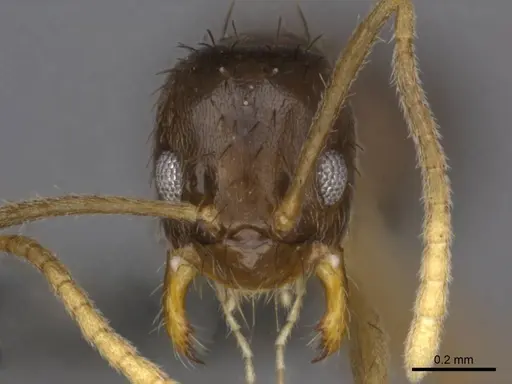
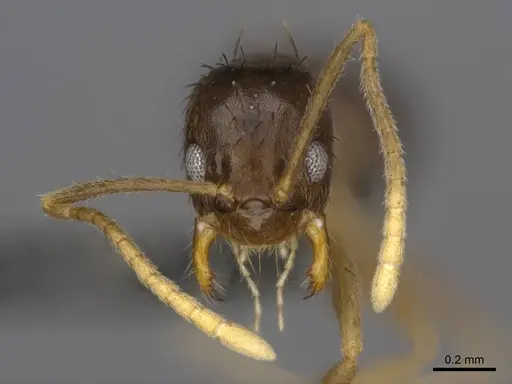
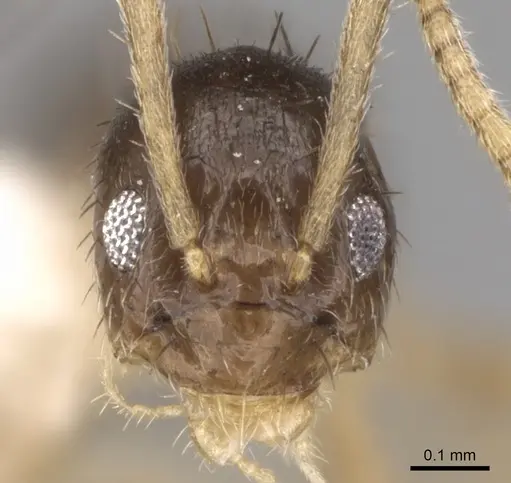
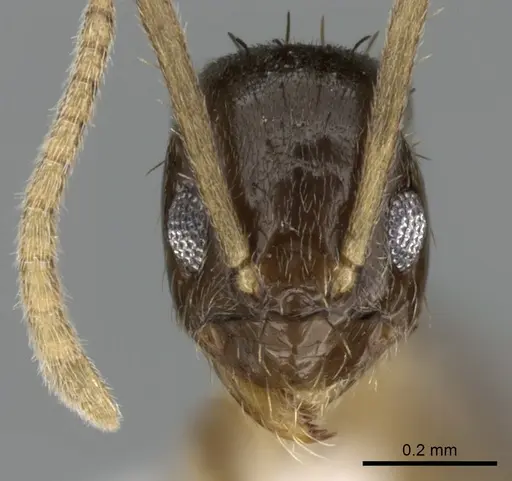
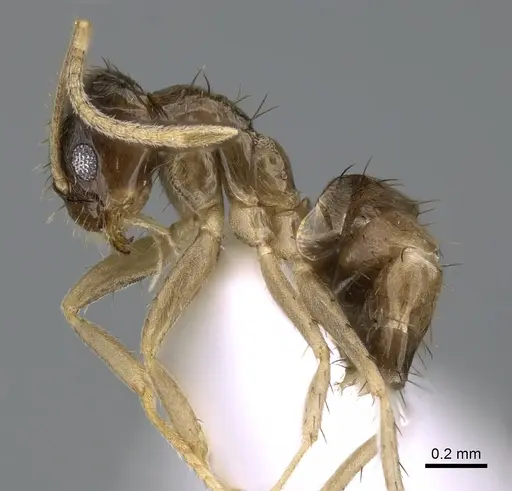
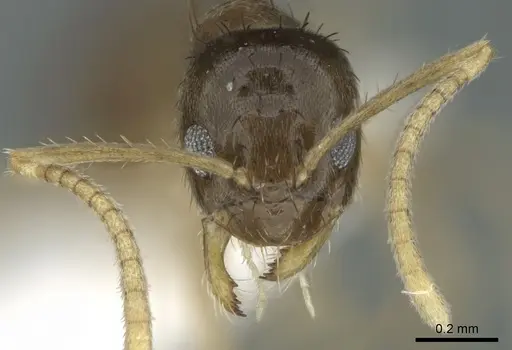
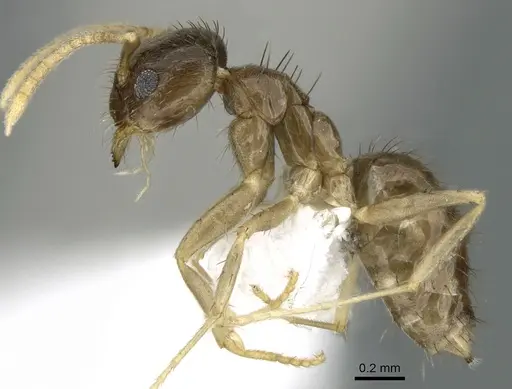
Nylanderia boltoni workers are tiny, measuring just 1.8-2.3mm in total length, making them one of the smaller ant species you might keep [1]. They have a distinctive yellowish-brown coloration, with the head and abdomen typically darker brown than the middle body section (mesosoma). Their legs, antennae, and mandibles are lighter brown to yellow [1]. A key identification feature is that the middle and hind coxae (the leg segments closest to the body) are slightly lighter in color than the front coxae, this helps separate them from the similar N. scintilla where all coxae are the same color [1]. The head has a dense layer of fine hairs (pubescence), and the scapes (the long antennae segments) extend past the back of the head by about the length of the first two funicular segments [1]. The propodeum (the rear part of the middle body) has a very short, angular dorsal face that sits lower than the mesonotum [1].
Natural History and Habitat
This species has an remarkably wide distribution for an African Nylanderia, being found from West Africa (Benin, Ghana, Nigeria, Togo) through East Africa (Kenya, Tanzania, Uganda) to Southern Africa (Eswatini, South Africa) and Gabon [1][2]. Given this large range spanning multiple bioclimatic regions, there may be some color variation across populations, but workers remain morphologically very similar [1]. In the wild, they nest in leaf litter and dead wood on the forest floor, as well as under bark on living trees [2]. They are active foragers on various crops including cocoa (where they were found on 0.1-1.0% of trees), coffee, oil palm, and mango trees [2]. They tend aphids and build small debris tents, which is typical behavior for Nylanderia species [2].
Nest Preferences and Housing
In captivity, Nylanderia boltoni will do well in setups that mimic their natural leaf litter and dead wood habitat. A naturalistic terrarium with damp soil, leaf litter, and small pieces of wood works well. Alternatively, a Y-tong (acrylic) nest or plaster nest with small chambers can work, provided humidity is maintained. Because they are tiny (under 2.5mm), chambers and passages should be small and tight-fitting. Test tubes work for founding colonies but may need to be transitioned to more complex housing as the colony grows. Keep the nest substrate consistently moist but not waterlogged, think damp forest floor, not soggy swamp. Some drier areas within the setup allow the ants to self-regulate their humidity preferences. [2]
Feeding and Diet
In nature, Nylanderia boltoni forages on trees and tends aphids for honeydew, which means they accept sugar sources [2]. They are also generalist foragers, so they likely scavenge and hunt small insects. In captivity, offer sugar water or honey water as a constant energy source. For protein, provide small live prey like fruit flies, pinhead crickets, or other tiny insects. Because of their small size, prey should be appropriately sized, nothing larger than they can handle. They will likely accept most standard ant foods, but variety is always beneficial.
Temperature and Care
As a tropical African species, Nylanderia boltoni prefers warm conditions. Aim for temperatures in the range of 24-28°C, which is typical for many tropical ant species. They can likely tolerate slightly cooler temperatures given their wide distribution across multiple African climate zones, but warmth will support activity and (presumably) development. A heating cable on one side of the nest can create a temperature gradient, allowing the ants to choose their preferred spot. Room temperature in a warm home (low-to-mid 20s°C) may be sufficient. Since they come from tropical regions, a winter dormancy period (diapause) is unlikely to be necessary, they should remain active year-round if kept warm. [2]
Behavior and Temperament
Nylanderia boltoni workers are small, fast-moving, and active. They are not particularly aggressive and rely on their numbers and speed rather than defensive behavior. Their tiny size means they are excellent climbers and can explore many areas of a naturalistic setup. They show typical Nylanderia behavior of tending aphids and building debris structures. The major concern for keepers is escape prevention, at just 1.8-2.3mm, they can squeeze through remarkably small gaps. Use fine mesh on any ventilation holes, ensure all lids fit tightly, and consider barrier methods like fluon on container rims. Despite their small size, they are hardy and adaptable given their vast natural range. [1][2]
Frequently Asked Questions
How long does it take for Nylanderia boltoni to produce first workers?
The development timeline is unconfirmed for this species since no scientific study has documented their egg-to-worker time. Based on related tropical Nylanderia species, expect roughly 4-8 weeks at warm temperatures (24-28°C), but this is an estimate rather than a confirmed timeline.
Can I keep multiple Nylanderia boltoni queens together?
The colony structure is unconfirmed for this species, the queen caste has not been documented in scientific literature. Until more is known, it is not recommended to combine unrelated queens. Start with a single queen founding setup to be safe.
What do Nylanderia boltoni eat?
They are generalist foragers that accept sugar sources (honeydew from aphids in the wild) and protein from small insects. In captivity, offer sugar water or honey water constantly, plus small live prey like fruit flies or pinhead crickets.
Are Nylanderia boltoni good for beginners?
This species is rated as Medium difficulty. While they are small and active (which can be interesting to watch), the lack of documented colony information and queen biology makes them somewhat challenging. Their tiny size also requires excellent escape prevention.
What temperature do Nylanderia boltoni need?
Keep them warm at 24-28°C. As a tropical African species, they prefer warm conditions. Room temperature in a heated home (low-to-mid 20s°C) is likely sufficient, or use a heating cable on one side of the nest for a gradient.
Do Nylanderia boltoni need hibernation?
Unlikely. As a tropical species from Africa, they probably do not require a winter dormancy period. Keep them warm year-round and they should remain active.
How big do Nylanderia boltoni colonies get?
The maximum colony size is unknown, no scientific data documents colony sizes for this species. Based on their small worker size and typical Nylanderia patterns, colonies are likely modest (probably under a few hundred workers), but this is an estimate.
Why are my Nylanderia boltoni escaping?
Their tiny size (under 2.5mm) means they can squeeze through remarkably small gaps. Use fine mesh (at least 0.5mm or smaller), ensure all lids fit tightly, and apply barrier methods like fluon to container rims. Check all ventilation holes and tubing connections.
When should I move Nylanderia boltoni to a formicarium?
Start with a test tube setup for the founding queen. Once the colony reaches 20-30 workers and you see them actively foraging, you can transition to a more naturalistic setup or a Y-tong/plaster nest with small chambers. They do well in naturalistic terrariums that mimic their leaf litter habitat.
References

This caresheet is licensed under CC BY-SA 4.0 .
CASENT0179580
View on AntWeb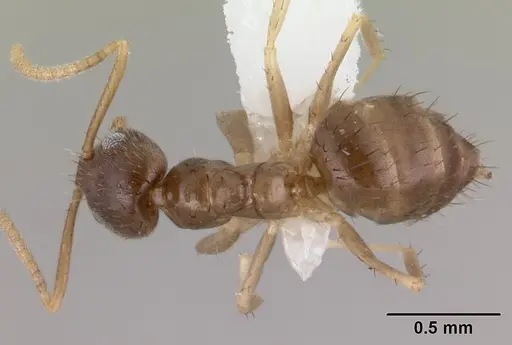
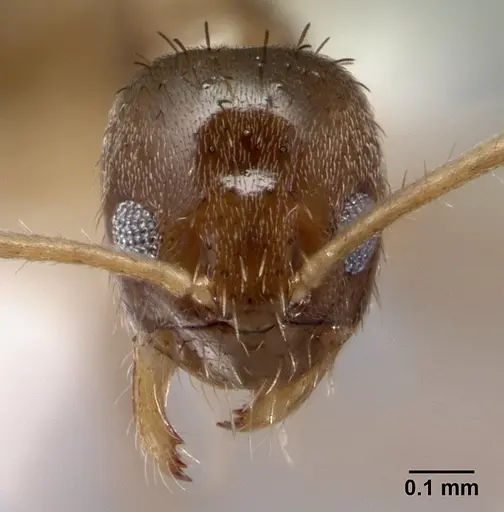
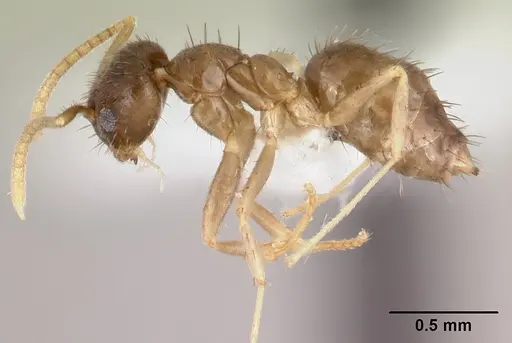
CASENT0217206
View on AntWeb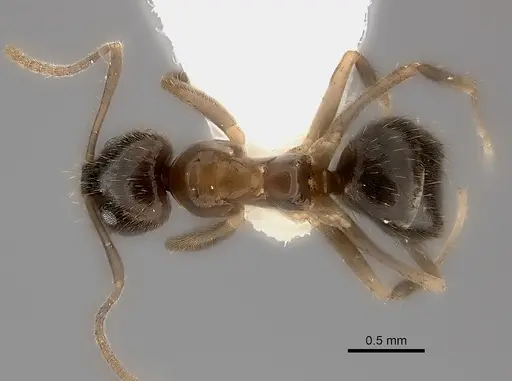
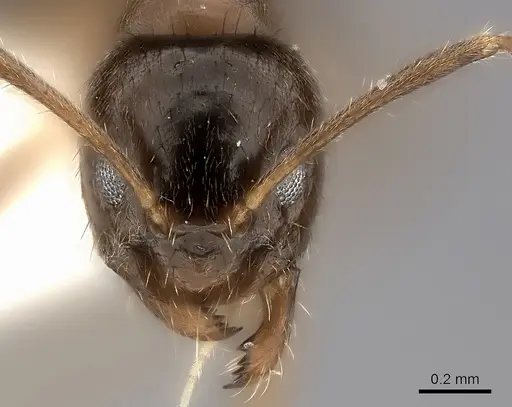
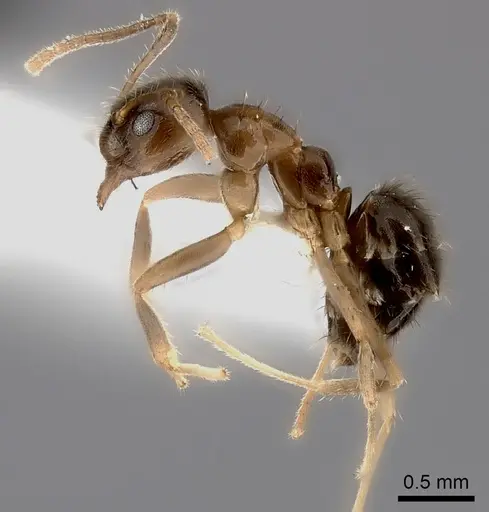
CASENT0235556
View on AntWeb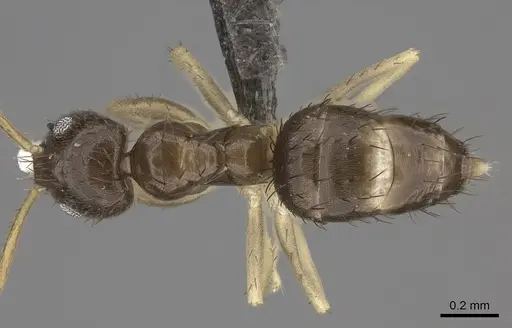
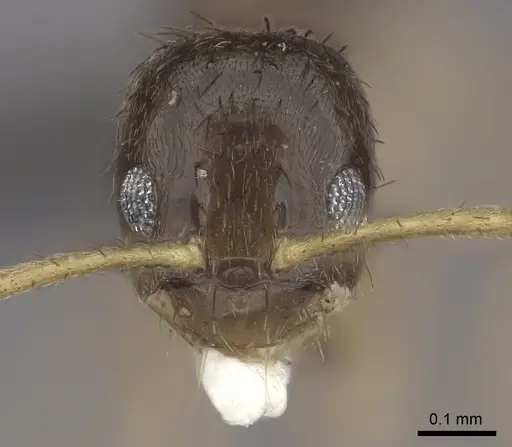
CASENT0257304
View on AntWeb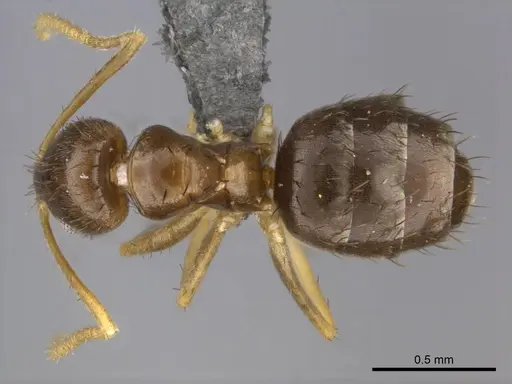
CASENT0281154
View on AntWeb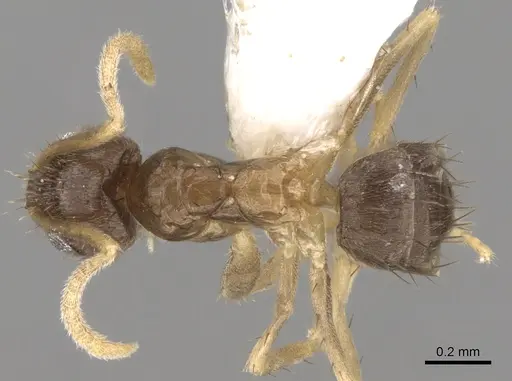
CASENT0317035
View on AntWeb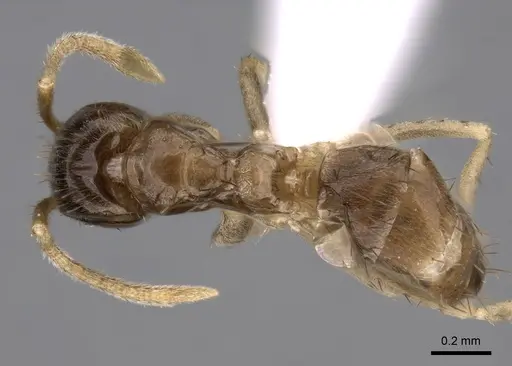
CASENT0339203
View on AntWeb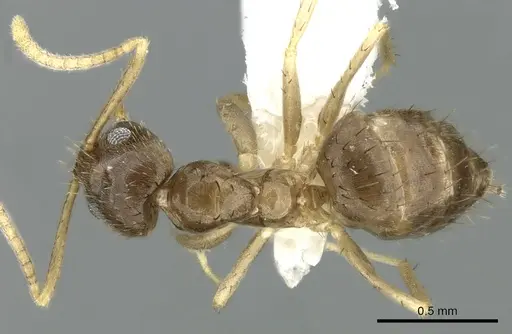
Literature
Loading...Loading products...