

Nylanderia birmana
- Scientific Name
- Nylanderia birmana
- Tribe
- Lasiini
- Subfamily
- Formicinae
- Author
- Forel, 1902
- Distribution
- Found in 4 countries
Nylanderia birmana Overview
Nylanderia birmana is an ant species of the genus Nylanderia. It is primarily documented in 4 countries , including India, Lao People's Democratic Republic, Malaysia. Detailed taxonomic data and occurrence records can be further explored via authoritative databases such as AntWeb or the Global Biodiversity Information Facility (GBIF).
Nylanderia birmana
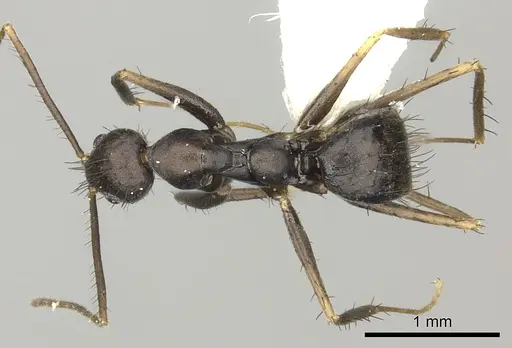
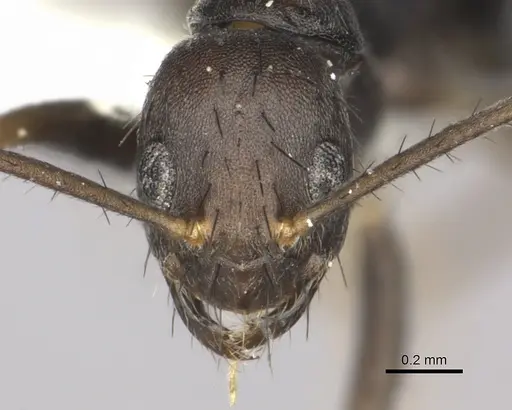
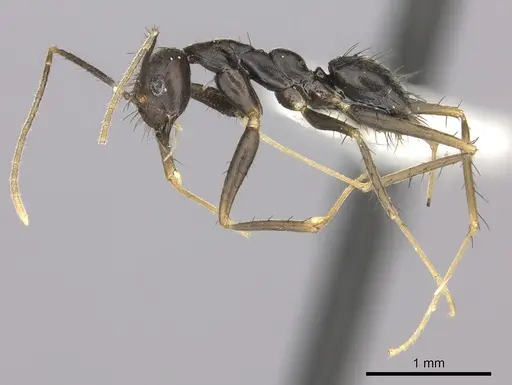
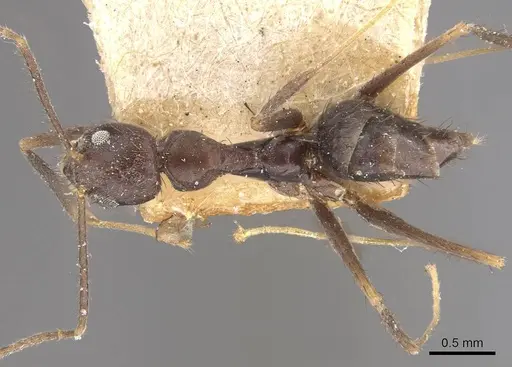
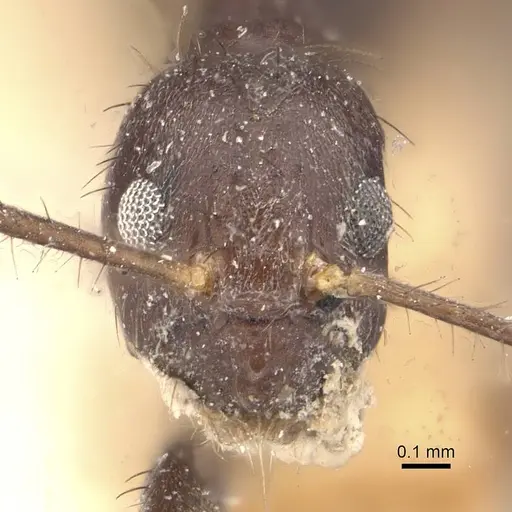
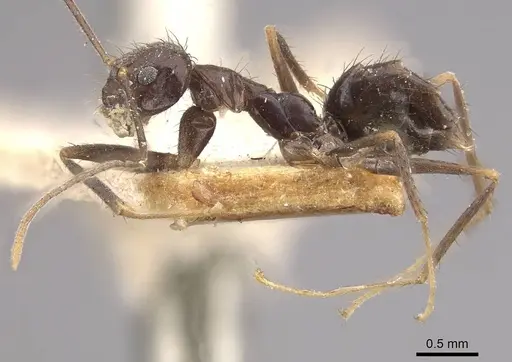
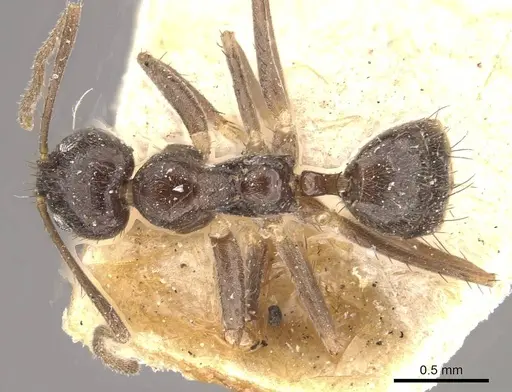
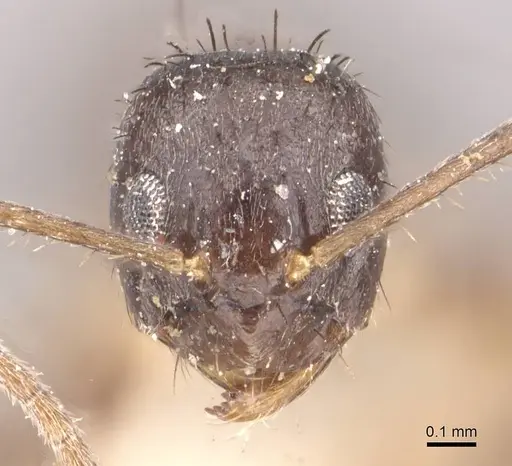
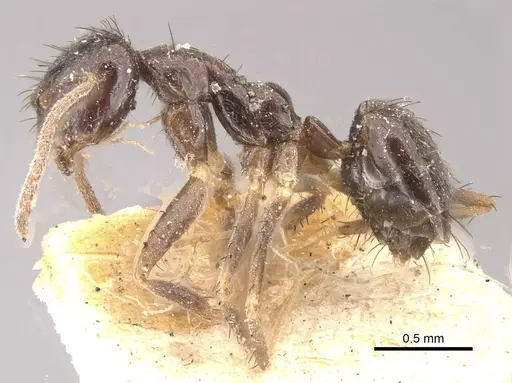
Nylanderia birmana is a small, dark ant native to the Himalayan region. Workers measure 0.67-0.81mm with a distinctive microreticulate (fine net-like) sculpture pattern on the head and mesosoma that sets them apart from other Southeast Asian Nylanderia species [1]. Their body ranges from blackish brown to black, with brown antennae and legs. Queens are larger at 0.95mm head length, and males are the smallest at 0.59-0.67mm [1]. This species appears restricted to the Himalayas and remains infrequent in ant collections [1].
Quick Summary
- Difficulty: Medium
- Origin & Habitat: Himalayan region, found in India (Himachal Pradesh, Uttarakhand), Nepal, Myanmar, and southern China. In the wild, they nest under stones along roadsides and have been collected on honey bait in subtropical, semi-evergreen forests [1][2]. In China, they occupy both primary and secondary forest habitats but are absent from rubber plantations [3].
- Colony Type: Colony structure is unconfirmed. Based on typical Nylanderia patterns, likely single-queen colonies with potential for multiple queens in established nests.
- Size & Growth:
- Queen: 0.95mm head length [1]
- Worker: 0.67-0.81mm head length [1]
- Colony: Unknown, likely moderate-sized colonies based on genus patterns
- Growth: Unknown, likely moderate growth rate
- Development: Unknown, estimated 6-10 weeks based on related Formicinae species at warm temperatures (No specific development data exists for this species. Estimates based on typical genus development patterns.)
- Antkeeping:
- Temperature: Keep at 22-26°C as a starting point. Based on their subtropical Himalayan habitat, they prefer warm conditions with moderate humidity. Adjust based on colony activity.
- Humidity: Maintain moderate to high humidity, think damp forest floor conditions. Keep nest substrate consistently moist but not waterlogged.
- Diapause: Unknown for this species. Himalayan populations likely experience cooler winters and may benefit from a cool period (10-15°C) for several months.
- Nesting: In captivity, standard test tubes or acrylic nests work well. They naturally nest under stones in the wild, so provide some damp substrate. Y-tong nests or plaster nests with moisture reservoirs are suitable.
- Behavior: These ants are generalist foragers, as evidenced by their attraction to honey bait in the wild [1]. They likely forage for nectar, honeydew, and small insects. Workers are small (under 1mm), so escape prevention must be excellent, they can squeeze through tiny gaps. Temperament is typically non-aggressive, but small ants can be feisty when threatened. Their distinctive microreticulate sculpture makes them relatively easy to identify under magnification.
- Common Issues: escape prevention is critical due to their tiny size, use fine mesh and tight-fitting lids, limited availability in the antkeeping hobby since they're infrequent in collections, no established captive breeding protocols, wild-caught colonies may struggle in captivity, humidity control is important, too dry causes desication, too wet causes fungal problems, temperature sensitivity is unknown, start with moderate warmth and observe colony behavior
Natural History and Distribution
Nylanderia birmana is a Himalayan endemic species found across India, Nepal, Myanmar, and southern China [2]. In India, they've been recorded from Himachal Pradesh (where they were found under a stone along a roadside at Palampur) and Uttarakhand (collected on honey bait in subtropical semi-evergreen forests) [1]. In China, they're found in both primary and secondary forest habitats but notably absent from rubber plantations [3]. This restriction to natural forest environments suggests they prefer unmodified habitats. The species is considered infrequent in collections, likely due to its specialized Himalayan distribution and small colony sizes [1].
Identification and Appearance
Workers of N. birmana can be identified by their distinctive microreticulate sculpture pattern on the head and mesosoma, a fine network-like texture that appears more pronounced on the head [1][4]. They measure 0.67-0.81mm in head length, making them quite small. The body is blackish brown to black, with brown antennae and legs. The coxae show a color gradient: procoxae brown, mesocoxae and metacoxae yellowish brown, and tarsi yellowish [1]. Queens are larger at 0.95mm head length with more dense pubescence covering the body. Males are the smallest at 0.59-0.67mm head length and have reduced sculpture compared to workers [1]. Under a loupe or microscope, the fine reticulate pattern is the most reliable identification feature.
Housing and Nesting
In the wild, these ants nest under stones in humid forest environments. For captivity, provide a moist nest environment, Y-tong nests, plaster nests, or test tube setups all work well. The key is maintaining consistent humidity without waterlogging. Since they're small ants, ensure chambers and passages are appropriately scaled. Use a hydration system that allows moisture to diffuse through the nest material. For the outworld, a simple container with a sugar water station and protein offerings works fine. Escape prevention is critical, these tiny ants can squeeze through gaps that seem impossible, so use fine mesh on any ventilation and ensure lids fit tightly.
Feeding and Diet
Based on the wild observation of them being collected on honey bait, they readily accept sugary substances [1]. Like most Nylanderia species, they're generalist feeders that will take sugar water, honey, or nectar solutions. For protein, offer small insects like fruit flies, small mealworms, or similar appropriately-sized prey. Feed protein roughly twice weekly, and keep sugar water available constantly. Remove uneaten prey after 24-48 hours to prevent mold. Start with small offerings and adjust based on colony consumption.
Temperature and Seasonal Care
N. birmana comes from the Himalayan region where they experience warm summers and cool winters. Keep the nest at 22-26°C as a starting point, this matches their subtropical forest habitat. You can create a slight temperature gradient so ants can choose their preferred zone. For winter, if your colony shows reduced activity in cooler months, consider providing a cool period around 10-15°C for several months, mimicking natural seasonal cycles. However, since specific diapause requirements aren't documented for this species, monitor your colony's behavior and adjust accordingly. Some keepers successfully keep them active year-round with stable temperatures.
Colony Development and Growth
Specific colony development data doesn't exist for this species. Queens measure 0.95mm head length and are significantly larger than workers [1]. Based on related Formicinae species, expect the first workers (nanitics) to emerge roughly 6-10 weeks after founding at warm temperatures. Colonies likely remain small to moderate in size, probably hundreds to low thousands of workers at maturity. Growth is likely moderate rather than fast. Be patient with founding colonies, these small ants take time to establish. Avoid disturbing the queen during the founding stage, and resist the urge to check too frequently.
Frequently Asked Questions
How long does it take for Nylanderia birmana to produce first workers?
The exact timeline is unconfirmed, but based on related Formicinae species, expect 6-10 weeks from egg to first worker at warm temperatures (around 24-26°C). Founding colonies need patience, avoid disturbing the queen during this critical period.
What do Nylanderia birmana ants eat?
They're generalist feeders. Offer sugar water or honey constantly, and provide small protein sources like fruit flies, small mealworms, or other tiny insects roughly twice weekly. In the wild, they're attracted to honey bait, confirming their sweet tooth.
Are Nylanderia birmana good for beginners?
They fall into the medium difficulty range. While not the hardest species, their specific temperature and humidity needs aren't well-documented, and they're rarely available in the hobby. If you're experienced with small Formicinae like Nylanderia or Paratrechina, this could be a rewarding species to try.
What temperature should I keep Nylanderia birmana at?
Start with 22-26°C based on their subtropical Himalayan habitat. Create a slight gradient so ants can self-regulate. Monitor colony activity, if they cluster in warmer areas, increase slightly, if they avoid heat, reduce temperature.
How big do Nylanderia birmana colonies get?
Exact colony size is unknown, but based on related species, they likely reach hundreds to low thousands of workers at maturity. They're not among the largest ant species.
Do Nylanderia birmana need hibernation?
Specific diapause requirements are unconfirmed. However, Himalayan populations experience seasonal temperature changes. Consider providing a cool period (10-15°C) for 2-3 months during winter if your colony shows reduced activity. Some keepers skip this with success, but it's an option for more natural cycling.
Can I keep multiple Nylanderia birmana queens together?
Colony structure is unconfirmed for this species. Combining unrelated queens hasn't been documented and is not recommended. If you're starting a colony from a wild queen, house her alone until workers emerge.
Why are my Nylanderia birmana escaping?
Their tiny size (under 1mm) means they're expert escape artists. Use fine mesh on all ventilation, ensure lids fit tightly, and consider applying fluon or similar barriers. Check for any gaps larger than 0.5mm.
Where can I get Nylanderia birmana?
This species is infrequent in ant collections due to its restricted Himalayan distribution [1]. You may need to connect with specialized dealers or collectors who work in India or Nepal. They aren't commonly available in mainstream ant markets.
References

This caresheet is licensed under CC BY-SA 4.0 .
Literature
Loading...Loading products...