
Novomessor cockerelli shows a June to September flight window. Peak activity occurs in July, with nuptial flights distributed across 4 months.
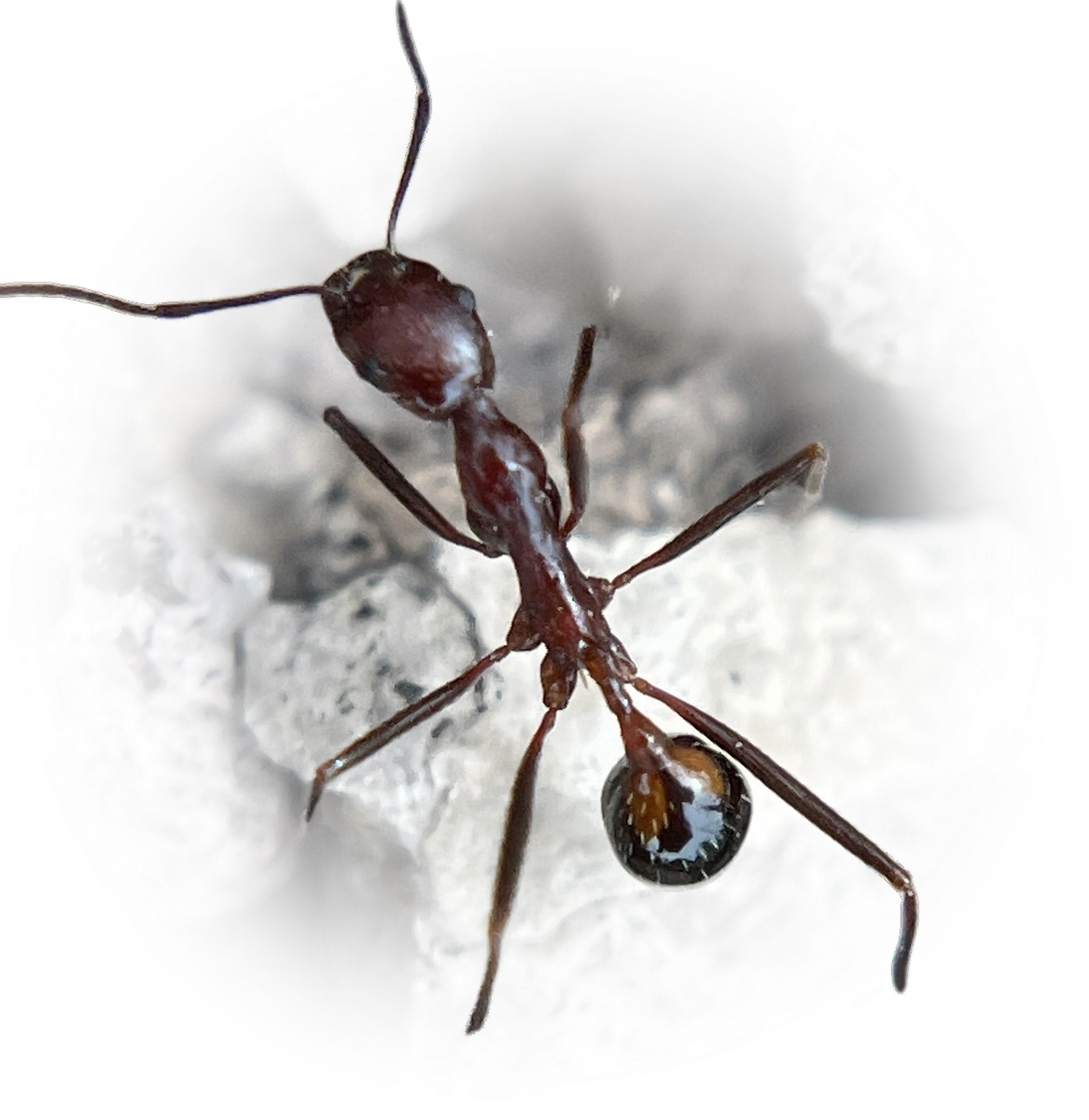
Novomessor cockerelli
- Scientific Name
- Novomessor cockerelli
- Tribe
- Stenammini
- Subfamily
- Myrmicinae
- Author
- André, 1893
- Distribution
- Found in 2 countries
- Nuptial Flight
- from June to September, peaking in July
AI Identifiable
try →
Novomessor cockerelli Overview
Novomessor cockerelli is an ant species of the genus Novomessor. It is primarily documented in 2 countries , including Mexico, United States of America. Detailed taxonomic data and occurrence records can be further explored via authoritative databases such as AntWeb or the Global Biodiversity Information Facility (GBIF).
The nuptial flight of Novomessor cockerelli is a significant biological event, typically occurring from June to September, peaking in July. During this time, winged queens and males leave the nest to mate and establish new colonies.
Novomessor cockerelli
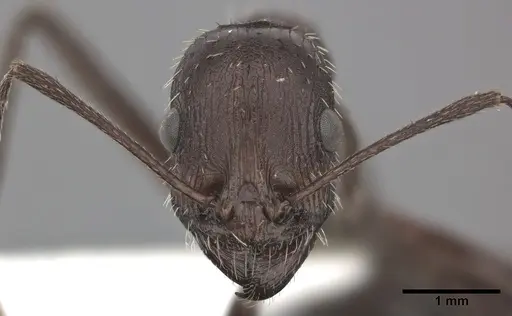
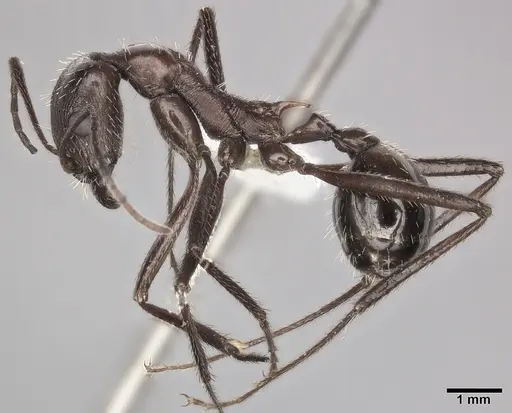
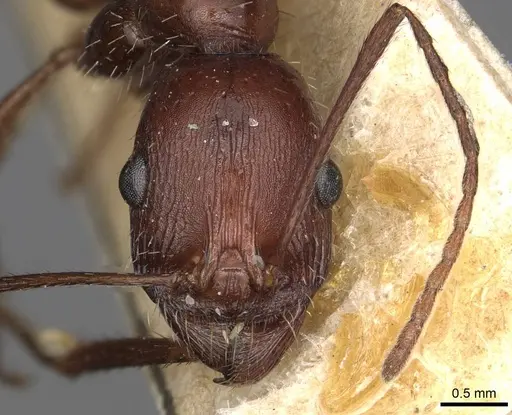
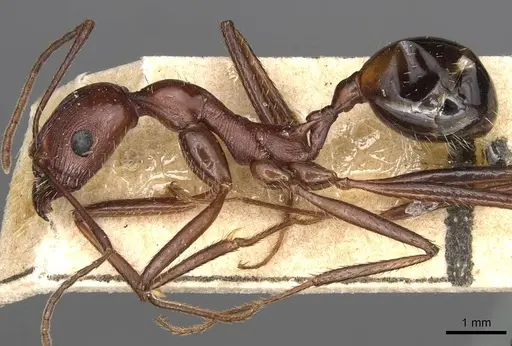
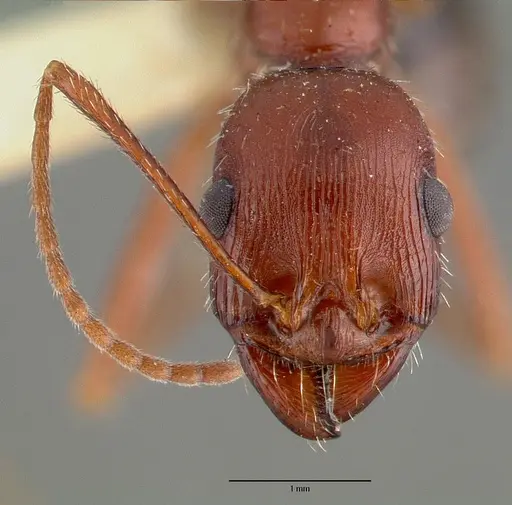
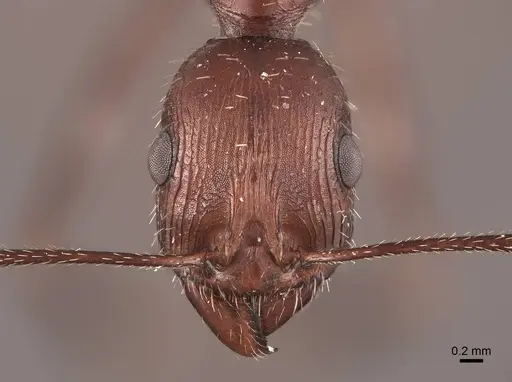
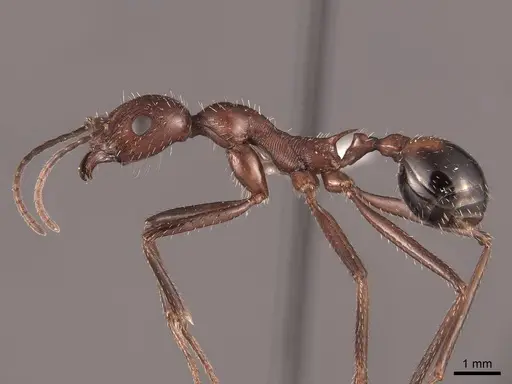
Novomessor cockerelli is a large, distinctive harvester ant native to the southwestern United States and northern Mexico. Workers measure 6.7-9.8mm with an elongated body, long legs, and two prominent propodeal spines [1][2]. Their head is notably longer than wide, and they feature a psammophore, a brush of long hairs under the head used for carrying sand and debris [3]. The head and thorax are reddish-brown while the gaster is darker blackish-brown [1]. These ants build impressive nests with large, crater-like entrances surrounded by a disc of coarse gravel that can reach 60cm in diameter [4]. Colonies are polydomous, meaning they maintain multiple nest entrances connected by tunnels extending over a meter deep [5]. This species is a crepuscular and nocturnal forager during hot summer months, becoming more active throughout the day during cooler weather [4][6]. They are aggressive defenders of their nest but cannot sting, their bite is described as very fastidious when large numbers attack [4].
Quick Summary
- Difficulty: Medium
- Origin & Habitat: Southwestern United States (Arizona, New Mexico, Texas, Nevada, California) and northern Mexico. Found in desert habitats including creosote bush scrub, rocky foothills, and sandy soils up to 1550m elevation [4][7][8].
- Colony Type: Monogyne (single queen) colonies with polydomous nest structure, colonies maintain multiple connected nest entrances [9][10]. Queenless worker reproduction is documented [11].
- Colony: Monogyne
- Founding: Claustral
- Size & Growth:
- Queen: Approximately 21.2mg dry mass [8]. Queens are large and robust.
- Worker: 6.7-9.8mm [1][2][3]
- Colony: Colonies can reach several thousand workers with multiple nest entrances [5][2]. Polydomous colonies of 1-5 connected nests documented [5].
- Growth: Moderate, development timeline estimated based on related Aphaenogaster species.
- Development: Estimated 8-12 weeks at optimal temperature (25°C) based on genus-level data for Aphaenogaster [12]. (Laboratory colonies maintained at 25°C with 12:12 light cycle [12]. First workers (nanitics) typically smaller than normal workers.)
- Antkeeping:
- Temperature: Keep nest area at 24-27°C. They are adapted to desert conditions and tolerate warm temperatures well. A heating cable on one side of the nest creates a temperature gradient [12].
- Humidity: Low to moderate humidity, desert species. Keep substrate moderately dry, with a small water tube for drinking access. Avoid overly damp conditions that can cause mold.
- Diapause: Yes, summer rain triggers mating flights, suggesting they have seasonal activity patterns. They are active year-round in most of their range but may reduce activity during winter cold. A brief winter rest period at 10-15°C is recommended.
- Nesting: Deep soil-based setup works best. They naturally build extensive tunnel systems over a meter deep. A naturalistic setup with compact soil or a large plaster/acrylic formicarium with deep chambers mimics their natural nesting. The nest entrance area should allow for pebble arrangements.
- Behavior: These ants are aggressive defenders and will readily bite when threatened. They cannot sting but attack in large numbers with painful bites [4]. They are crepuscular and nocturnal foragers during summer, becoming more diurnal in cooler weather [4]. They use a combination of chemical and acoustic recruitment signals to coordinate group retrieval of large prey items [13][14]. Workers individually forage for seeds, dead insects, and plant material, but will recruit nestmates to large food finds using poison gland pheromones [14]. They are known to plug neighboring ant colony entrances (particularly Pogonomyrmex) to delay their foraging and gain competitive advantage [15]. Escape prevention is important, while not tiny, they are agile and can climb smooth surfaces.
- Common Issues: colonies may fail if kept too humid, desert species prone to mold in damp conditions, polydomous colonies need space for multiple nest entrances, cramped setups lead to stress, slow growth in founding phase can cause keepers to overfeed or disturb the queen, wild-caught colonies may have parasites or be in poor condition, nest temperature must be stable, avoid drafts and temperature fluctuations
Nuptial Flight Activity Analysis 59 observations
Flight Activity by Hour 59 observations
Novomessor cockerelli nuptial flight activity peaks around 19:00 during the evening. Activity is spread across a 23-hour window (00:00–22:00). A secondary activity peak occurs around 21:00. Times may be influenced by human observation patterns.
Housing and Nest Setup
Novomessor cockerelli requires deeper nesting space than typical small ant setups. In the wild, their tunnels extend over a meter deep [5], so provide a nest with substantial vertical space. A large naturalistic setup with compact soil or a deep plaster formicarium works well. The key feature is the entrance area, in nature, they surround their nest entrance with a disc of coarse gravel and pebbles up to 60cm diameter [4]. In captivity, provide a foraging area where they can arrange debris and create their characteristic pebble structures. Y-tong (AAC) nests with deep chambers or custom-built deep formicaria are suitable. Ensure the outworld (foraging area) is spacious enough for their large food items and allows them to build their pebble arrangements.
Feeding and Diet
These are omnivorous harvester ants with a varied diet. They primarily collect seeds, dead or dying insects, and bits of plant material [4][3]. In captivity, offer a mix of seeds (grass seeds, millet, sunflower seeds) and protein sources (dead insects like crickets, mealworms). They will also accept fruit occasionally. Unlike some harvester ants, they do not store large quantities of food in the nest, they consume it relatively quickly [4]. Feed seeds continuously and protein 2-3 times per week. For large prey items, they use recruitment pheromones to summon nestmates for cooperative transport [13]. Place food in the foraging area and observe, if they find something too large, they will recruit others to help carry it.
Temperature and Heating
As a desert species from the American Southwest, Novomessor cockerelli thrives at warm temperatures. Laboratory colonies are successfully maintained at 25°C with a 12:12 light/dark cycle [12]. Keep the nest area at 24-27°C using a heating cable placed on top of the nest (never underneath where it can dry out the substrate). Create a temperature gradient so workers can choose their preferred warmth. They are adapted to high temperatures and can tolerate brief spikes, but avoid extreme heat above 35°C. During winter, a brief cooling period at 10-15°C mimics their natural seasonal cycle.
Foraging and Activity Patterns
This species has fascinating foraging behavior adapted to desert heat. During summer months, they are primarily crepuscular and nocturnal, foraging begins late in the afternoon and continues through the night [4][6]. During cooler weather or cloudy summer days, they forage throughout the day. Workers forage individually rather than forming obvious trails, though they will recruit nestmates to large food finds [6]. They are known to use both chemical recruitment (via poison gland pheromones) and stridulation (producing sounds by rubbing body parts) to coordinate group retrieval of large prey [14]. Their cooperative transport is efficient, they can carry loads several meters back to the nest in straight paths [13].
Colony Structure and Polydomy
Novomessor cockerelli is polydomous, a single colony maintains multiple nest entrances connected by tunnels [10][5]. Each colony typically has 1-5 nest entrances spread over a small area, with tunnels connecting them underground. Workers frequently move between entrances, and the colony can relocate brood and resources between nests [2]. This is important for keepers to understand, a polydomous colony may appear to have multiple queens or colony fragments, but this is normal structure. The main queen typically stays in one nest zone while workers distribute brood throughout the colony [13]. Colonies can be quite large, dominating the biomass in desert grassland habitats [16].
Defense and Aggression
These ants are formidable defenders despite lacking a stinger. When threatened, they attack in large numbers and deliver painful bites [4]. Their bite is described as 'very fastidious', meaning notably painful, when substantial numbers engage. They are known to successfully defend against army ant raids (Neivamyrmex) by overwhelming the attackers with numbers, though they suffer casualties [17]. They also exhibit interesting competitive behavior against other ant species, notably plugging the nest entrances of neighboring Pogonomyrmex colonies to delay their foraging and gain access to food resources [15]. Handle with care and use excellent escape prevention, as they will readily bite when their nest is disturbed.
Frequently Asked Questions
How long does it take for Novomessor cockerelli to produce first workers?
Expect first workers (nanitics) in about 8-12 weeks after the queen lays eggs, at optimal temperature around 25°C. This is estimated from related Aphaenogaster species as specific development timing for this species hasn't been directly measured. The first workers will be smaller than normal workers.
Can I keep multiple Novomessor cockerelli queens together?
No. This species is monogyne, colonies have a single queen. Multiple unrelated queens will fight. However, established colonies are polydomous (multiple nest entrances), which is normal colony structure, not multiple queens.
Do Novomessor cockerelli ants sting?
No, they cannot sting. However, they are aggressive biters and will attack in large numbers when threatened. Their bite is described as quite painful due to the large mandibles and their tendency to bite in force.
What do Novomessor cockerelli eat?
They are omnivorous harvesters. Offer a mix of seeds (grass, millet, sunflower) and protein (dead insects like crickets or mealworms). They also collect plant material and will occasionally accept fruit. Unlike some ants, they don't store food long-term, feed them amounts they can consume within a day or two.
When do Novomessor cockerelli have nuptial flights?
Mating flights are triggered by summer rainfall [18]. In captivity, you can simulate this by providing a slight increase in humidity and warmth during summer months. Males and new queens will emerge for their mating flight.
Are Novomessor cockerelli good for beginners?
They are intermediate in difficulty. They are larger and more visible than many ants, but they have specific needs: deep nesting space for their extensive tunnel systems, warm desert-like conditions, and lower humidity. Their aggressive biting and nocturnal activity patterns may also not appeal to all keepers.
Why is my Novomessor cockerelli colony not growing?
Common causes include: too low temperature (they need 24-27°C), too high humidity (desert species prone to mold), insufficient protein in diet, or disturbing the queen during founding. They also need space, polydomous colonies need room for multiple nest entrances. Check that temperatures are stable and substrate isn't overly damp.
Do Novomessor cockerelli need hibernation?
They are adapted to desert climates with mild winters. A brief winter rest period at 10-15°C is recommended, but they don't require extended cold hibernation like temperate species. Simply reducing temperature for 2-3 months during winter is sufficient.
How big do Novomessor cockerelli colonies get?
Colonies can reach several thousand workers across multiple nest entrances [5]. In the wild, they are among the dominant large ants in desert ecosystems, with nest densities around 10-90 nests per hectare. A mature colony will have several connected nest openings.
Why are my ants active at night only?
This is normal behavior for this species. Novomessor cockerelli is crepuscular and nocturnal during hot summer months, they avoid the extreme daytime heat [4][6]. During cooler weather or cloudy days, they will forage throughout the day. This is an adaptation to desert conditions, not a problem.
References

This caresheet is licensed under CC BY-SA 4.0 .
CASENT0005723
View on AntWeb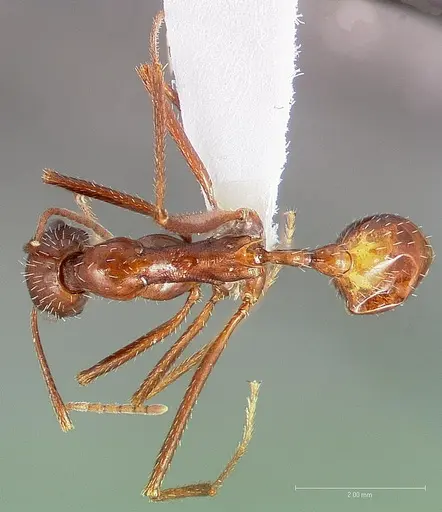
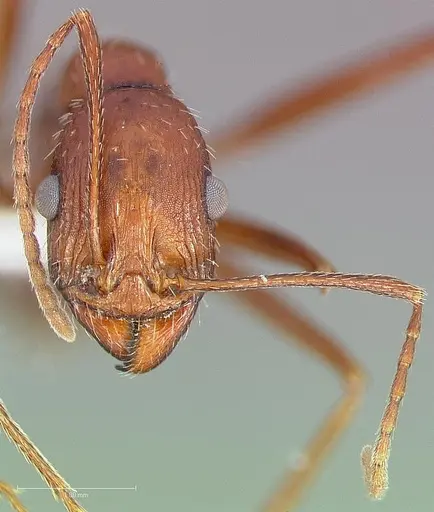
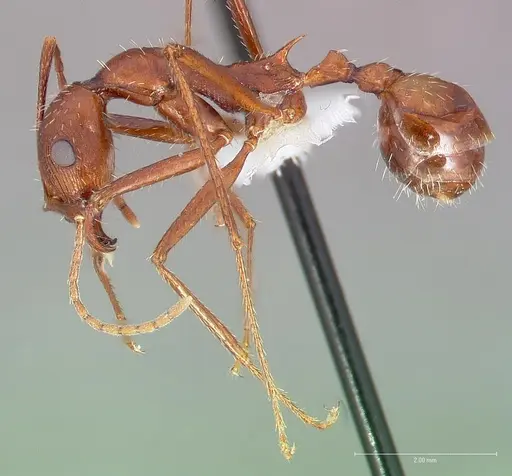
CASENT0246580
View on AntWeb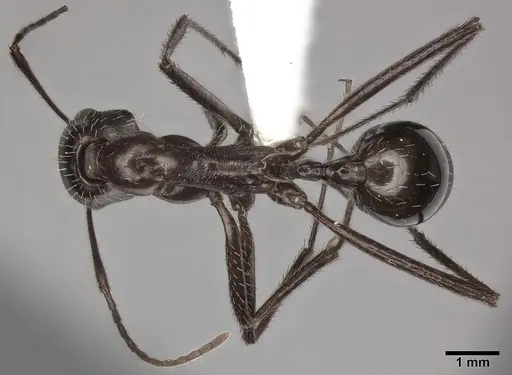
CASENT0915446
View on AntWeb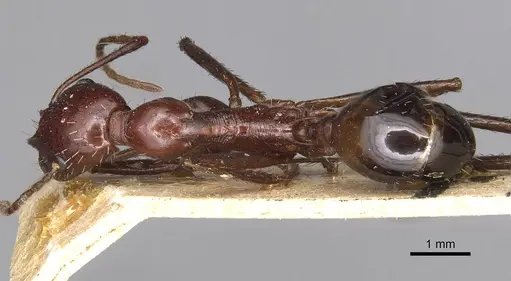
CASTYPE00622
View on AntWeb

FMNHINS0000062886
View on AntWeb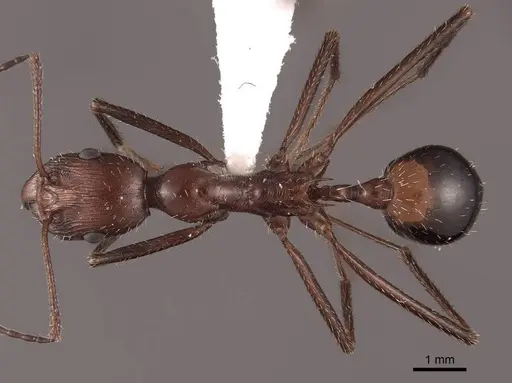
Literature
Loading...Loading products...