

Notoncus ectatommoides
- Scientific Name
- Notoncus ectatommoides
- Tribe
- Melophorini
- Subfamily
- Formicinae
- Author
- Forel, 1892
- Distribution
- Found in 1 countries
Notoncus ectatommoides Overview
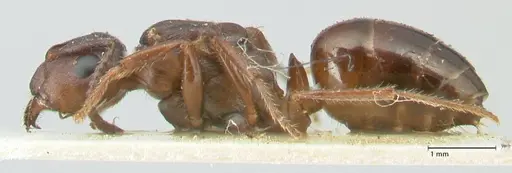
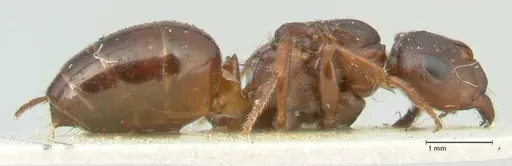
Notoncus ectatommoides is an ant species of the genus Notoncus. It is primarily documented in 1 countries , including Australia. Detailed taxonomic data and occurrence records can be further explored via authoritative databases such as AntWeb or the Global Biodiversity Information Facility (GBIF).
Notoncus ectatommoides
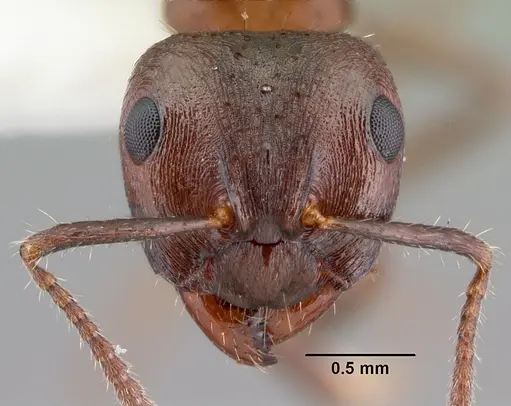
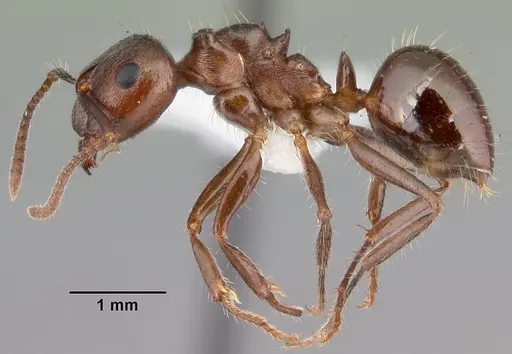
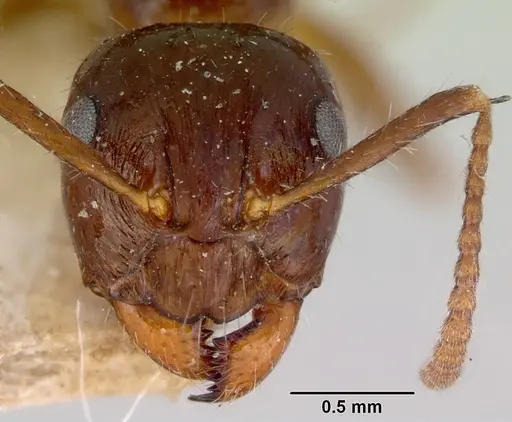
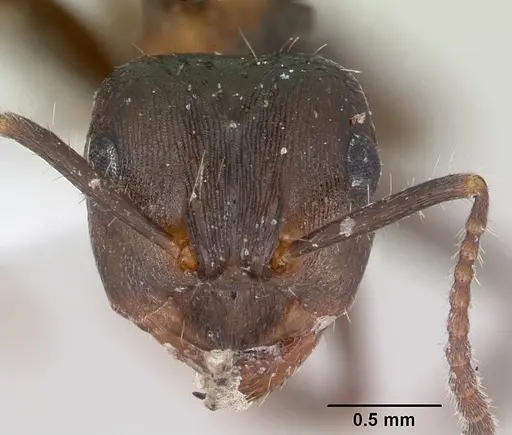
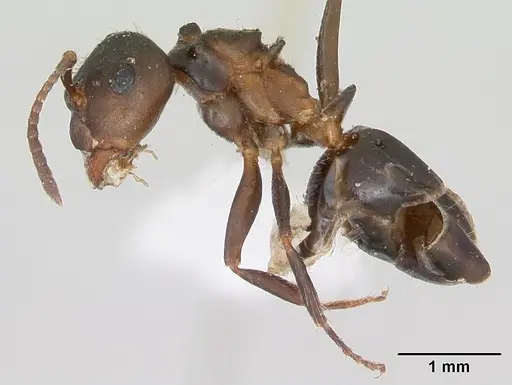
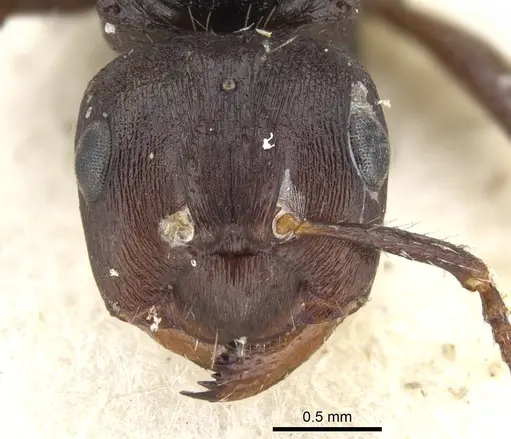
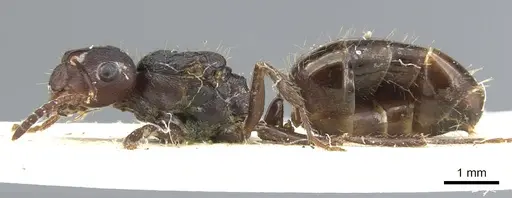
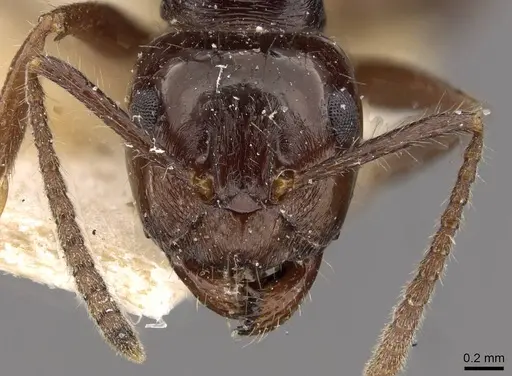
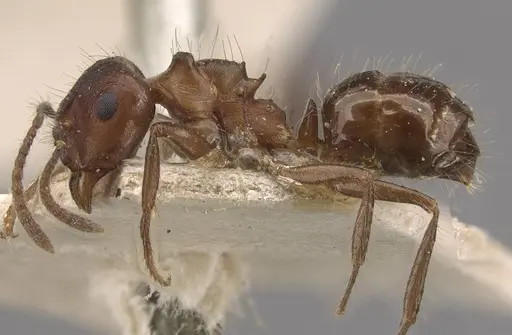
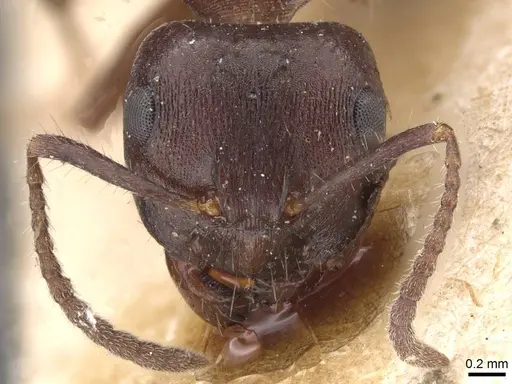
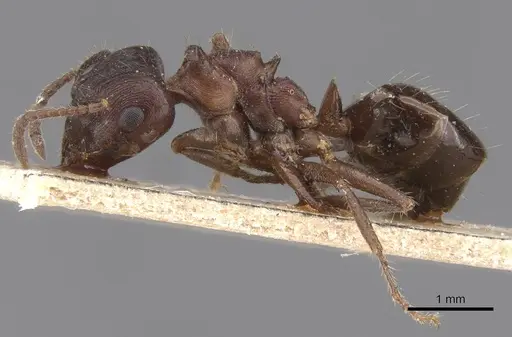
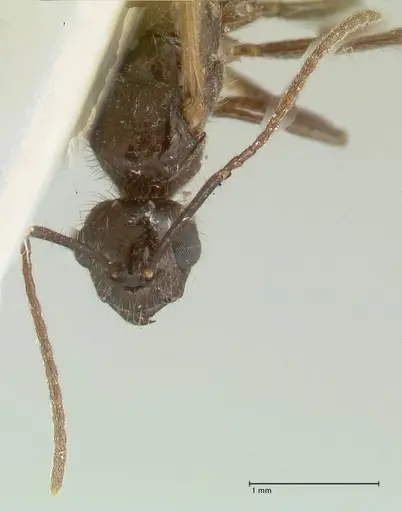
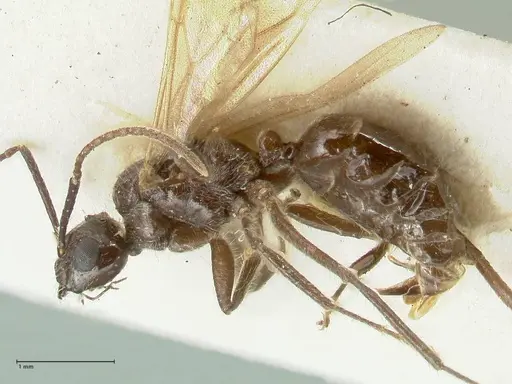
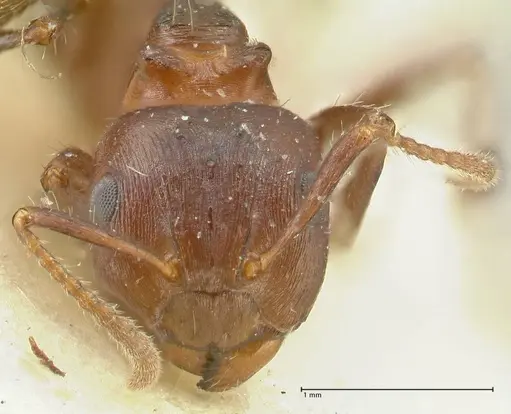
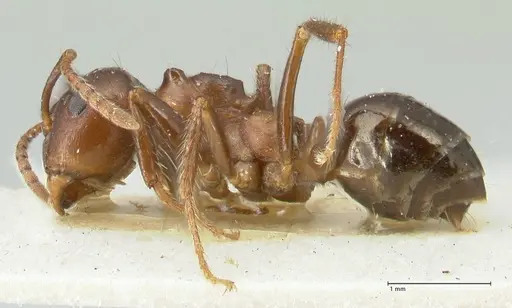
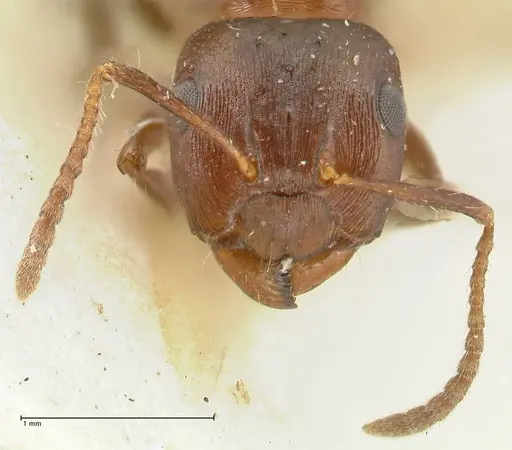
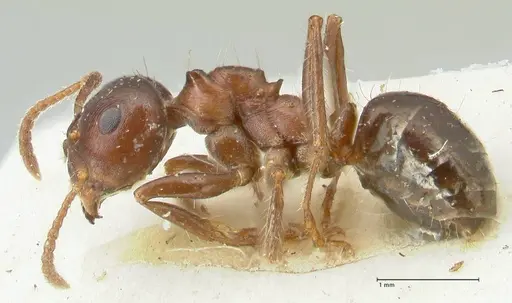
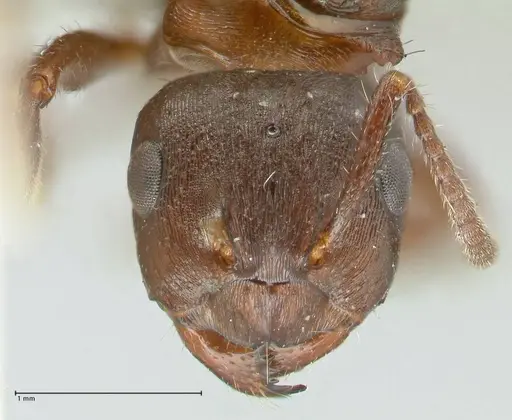
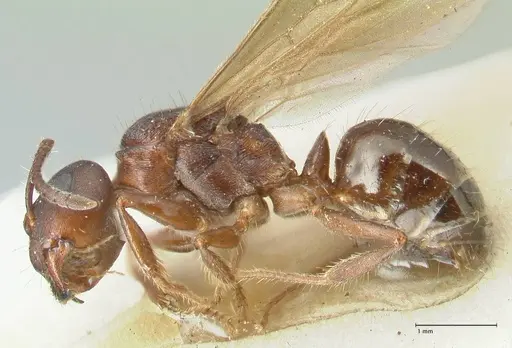
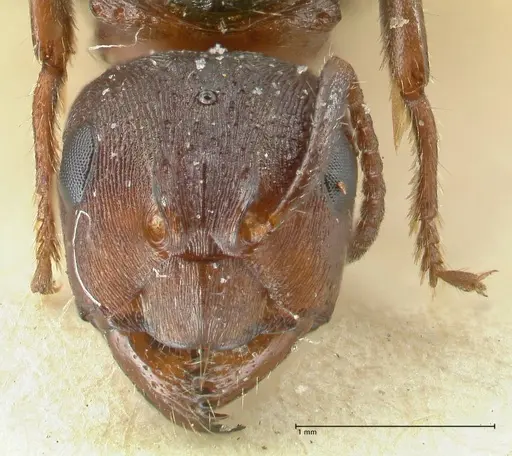
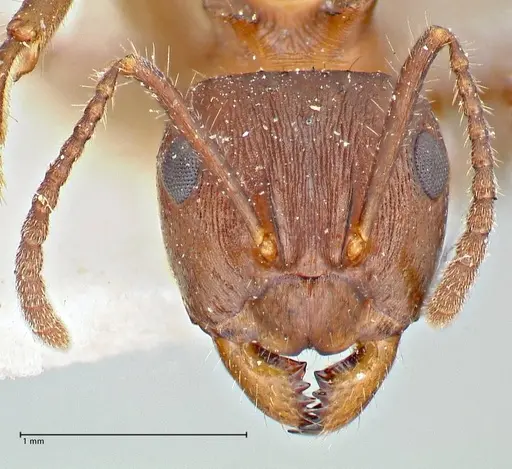
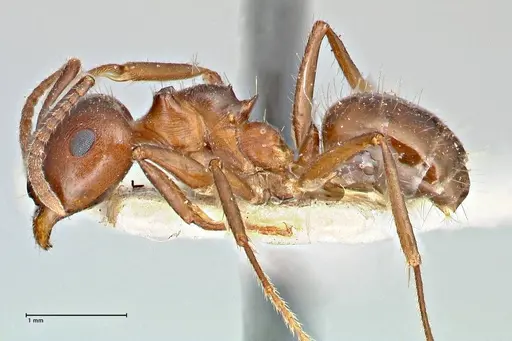
Notoncus ectatommoides is a small Australian ant species belonging to the subfamily Formicinae. Workers are relatively small with distinctive morphological features, most notably the scutellum which can appear as a slender erect process with various shapes including chisel points, Y-shapes, or tooth-like projections. This species is nocturnal and arboreal, found throughout Australia including Tasmania, Queensland, and Victoria. They nest under logs and in soil, and are known for their unusual mating behavior where males form dense swarming balls around emerging females during nuptial flights.
Quick Summary
- Difficulty: Medium
- Origin & Habitat: Australia, found in sclerophyll forest communities in Tasmania, Queensland, and Victoria [1]. They inhabit forest floor and arboreal environments, with nests typically found under logs [2].
- Colony Type: Colony structure is unconfirmed. Based on related Melophorini and typical Formicinae patterns, likely single-queen colonies.
- Size & Growth:
- Queen: Unconfirmed, estimated 5-7mm based on genus patterns
- Worker: Approximately 1.13mm head width [3]
- Colony: Unknown, no colony size data available
- Growth: Moderate, estimated based on typical Formicinae development
- Development: Estimated 6-10 weeks at optimal temperature based on genus patterns (Development timeline is inferred from related Formicinae species, specific data not available for this species)
- Antkeeping:
- Temperature: Keep at room temperature around 20-24°C. Australian temperate distribution suggests they can tolerate a range from 18-26°C. Provide a gentle thermal gradient if possible.
- Humidity: Moderate humidity preferred. Keep nest substrate slightly moist but not waterlogged. Their natural habitat in Australian sclerophyll forests experiences seasonal variation.
- Diapause: Likely required, Australian temperate climate suggests a winter rest period. Provide 2-3 months at 10-15°C during winter months.
- Nesting: Natural nests are found under logs and in soil. In captivity, a naturalistic setup with soil substrate and hiding spots works well, or a Y-tong/plaster nest with moderate humidity chambers.
- Behavior: Nocturnal ants that are active primarily at night [4]. They are arboreal and likely forage in vegetation. Workers are small but agile. Their mating behavior is distinctive, males form dense swarming balls around females during nuptial flights. Escape prevention should be moderate as they are small but not extremely tiny.
- Common Issues: limited information makes precise care challenging, use related species as guide, nocturnal activity means you may rarely see active ants during daylight hours, winter diapause is likely required but specific timing is unknown, colony size potential is unknown so growth expectations are uncertain, small size requires appropriate prey items if they are predatory
Natural History and Distribution
Notoncus ectatommoides is endemic to Australia, found across multiple states including Tasmania, Queensland, and Victoria. They inhabit sclerophyll forest communities, with nests typically located under logs or in soil [1]. This species is arboreal and nocturnal, which is somewhat unusual among Formicinae ants. The genus Notoncus belongs to the tribe Melophorini, a group that has undergone significant diversification in Australia. Several synonyms exist including Notoncus ectatommoides, Notoncus ectatommoides, and Notoncus ectatommoides, all now considered junior synonyms of N. ectatommoides [2].
Unique Mating Behavior
One of the most distinctive aspects of this species is their mating behavior, documented by W.L. Brown in 1955. During nuptial flights, males emerge from small holes in the ground and engage in what can only be described as chaotic mating swarms. Males form dense balls around emerging females, with each ball potentially exceeding 2cm in diameter. These balls move in a tumbling, dragging motion through grass. After 20-30 seconds, the female breaks free and flies straight upward, with males unable to follow more than a foot off the ground. This suggests the mating occurs on the ground before females take flight. Many more males than females participate in each flight, creating intense competition. [2]
Visual Adaptations
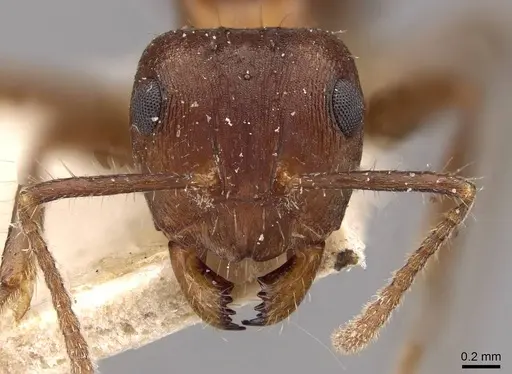
As a nocturnal species, Notoncus ectatommoides has evolved specific visual adaptations. Research shows they have relatively simple eyes compared to diurnal ants, with only about 157 facets per eye, the lowest spatial resolution among ant species tested [3]. However, they have the largest facet diameters measured, which is typical for nocturnal insects as larger facets capture more light. Their head width averages 1.13mm [3]. This visual system is optimized for low-light conditions rather than detailed daytime navigation.
Housing and Nesting
In the wild, these ants nest under logs and in soil, with a preference for forest floor habitats. For captive care, a naturalistic setup with a soil substrate works well, allowing them to create their own chambers. Alternatively, a Y-tong or plaster nest with appropriately sized chambers can work. Since they are nocturnal and arboreal, include vertical structures or branches in the outworld for foraging. Keep humidity moderate, the substrate should feel slightly damp but never waterlogged. Provide a water tube for drinking. [2]
Feeding and Diet
The specific diet of Notoncus ectatommoides is not well documented, but as a Melophorini member, they likely have an omnivorous diet similar to related Australian ants. Offer sugar water or honey as an energy source, and protein sources such as small insects. Based on their small size, prey items should be appropriately sized, small crickets, fruit flies, or other tiny invertebrates work well. Feed protein 2-3 times per week and provide constant access to sugar water.
Seasonal Care and Activity
As an Australian species from temperate regions, these ants likely require a winter diapause period. During Australian winter (roughly June-August in the southern hemisphere), reduce temperatures to 10-15°C for 2-3 months. This mimics their natural seasonal cycle and is important for colony health. Since they are nocturnal, expect most activity during evening and night hours. Workers may be less visible during the day as they rest in darker nest areas.
Frequently Asked Questions
How long does it take for Notoncus ectatommoides to produce first workers?
The exact development timeline is unknown for this species. Based on typical Formicinae development and related Australian Melophorini, expect approximately 6-10 weeks from egg to worker at optimal temperature (around 22-24°C). Patience is key as this may vary.
Can I keep Notoncus ectatommoides in a test tube?
Test tubes can work for founding colonies, but due to their arboreal nature and need for some vertical space, consider transitioning to a naturalistic or Y-tong setup once the colony reaches 10-20 workers. Ensure the test tube has adequate moisture without flooding.
Are Notoncus ectatommoides good for beginners?
This species is rated as Medium difficulty. While not the most challenging ant to keep, the limited species-specific information makes care somewhat uncertain. Beginners may want to start with more documented species, but experienced antkeepers interested in Australian natives will find this a rewarding challenge.
What do Notoncus ectatommoides eat?
Based on related species, they are omnivorous. Offer sugar water or honey for carbohydrates, and small protein sources like fruit flies, small crickets, or other tiny invertebrates. Feed protein 2-3 times per week with sugar water available constantly.
Do Notoncus ectatommoides need hibernation?
Yes, a winter diapause is likely required given their Australian temperate distribution. Provide 2-3 months at reduced temperatures (10-15°C) during winter, roughly corresponding to the cooler months in your region.
How big do Notoncus ectatommoides colonies get?
Colony size data is not available for this species. Based on related Melophorini, expect moderate colony sizes likely reaching several hundred workers over several years.
When are Notoncus ectatommoides active?
This is a nocturnal species, meaning they are most active during night hours. You will see the most activity in the evening and overnight, with workers resting in the nest during daylight.
Can I keep multiple Notoncus ectatommoides queens together?
Colony structure (monogyne vs polygyne) is unconfirmed for this species. Combining unrelated queens is not recommended as it has not been documented as successful. Single-queen colonies are the safest approach.
What makes Notoncus ectatommoides different from other Australian ants?
Their mating behavior is unique, males form dense swarming balls around females during nuptial flights. They are also one of the few truly nocturnal Australian ant species with specialized visual adaptations for low-light conditions.
References

This caresheet is licensed under CC BY-SA 4.0 .
CASENT0006130
View on AntWeb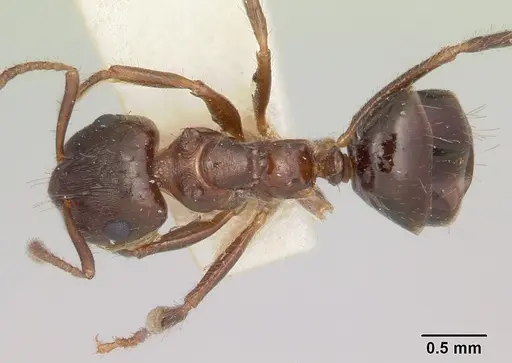
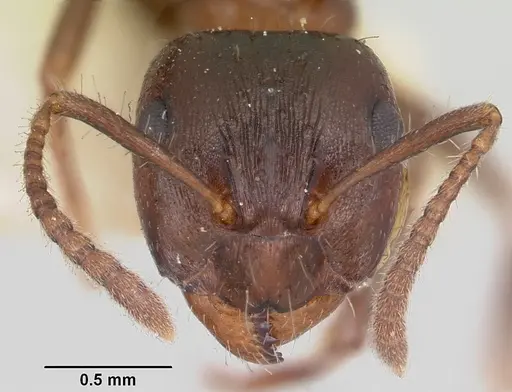
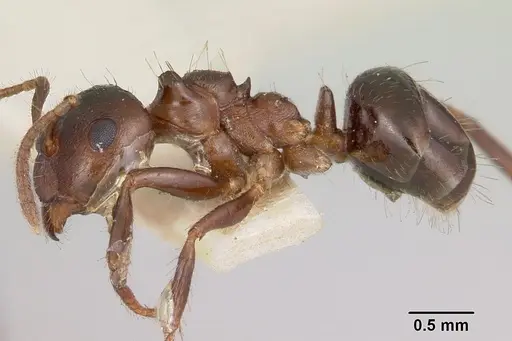
CASENT0010856
View on AntWeb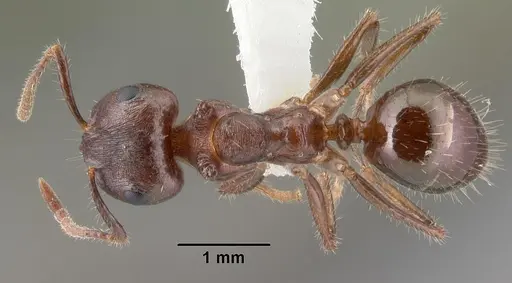
CASENT0172023
View on AntWeb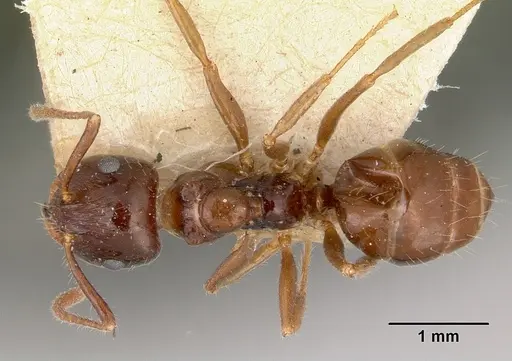
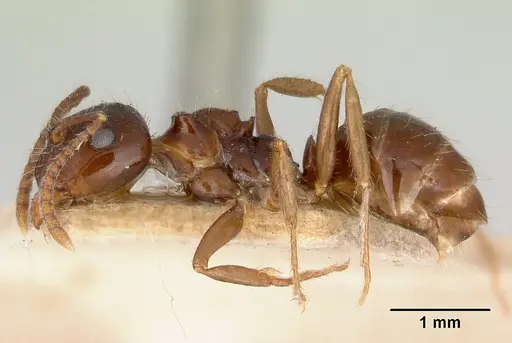
CASENT0172026
View on AntWeb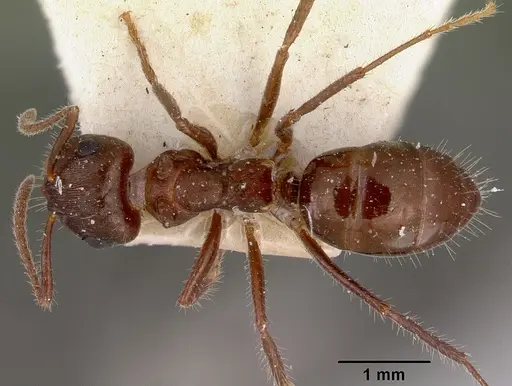
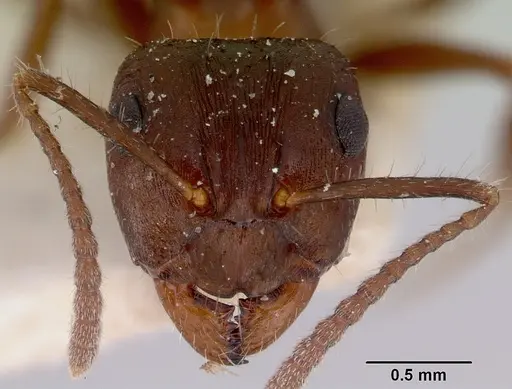
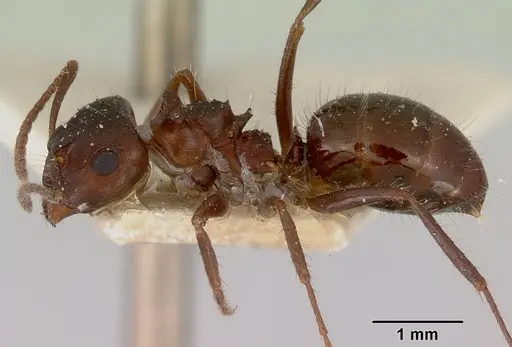
CASENT0173309
View on AntWeb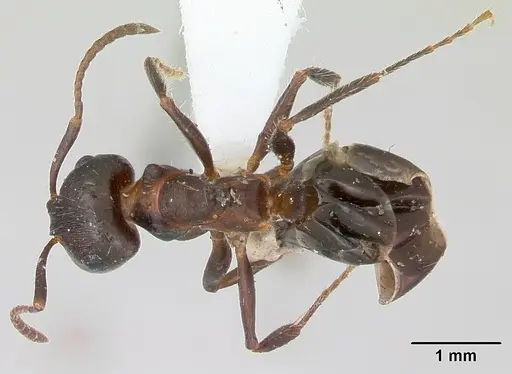
CASENT0903251
View on AntWeb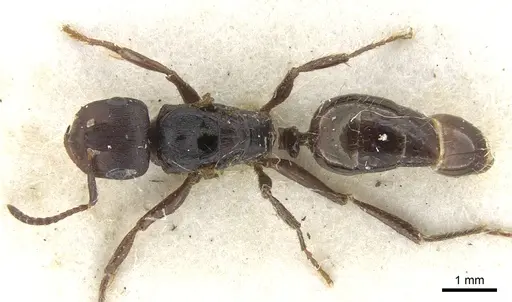
CASENT0909834
View on AntWeb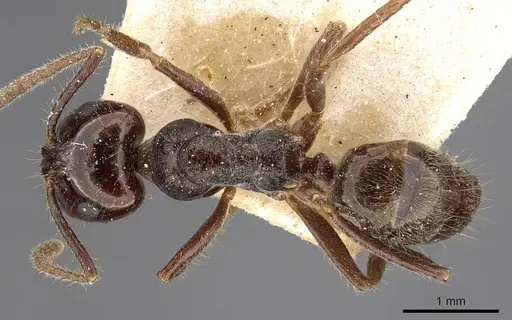
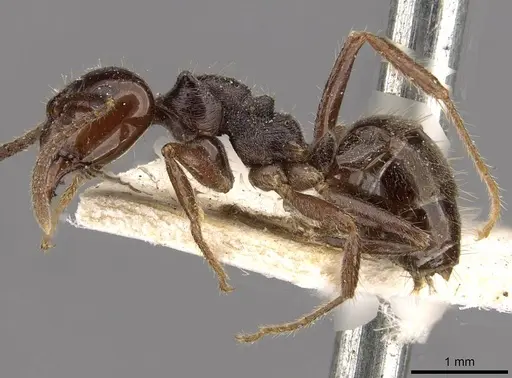
CASENT0909835
View on AntWeb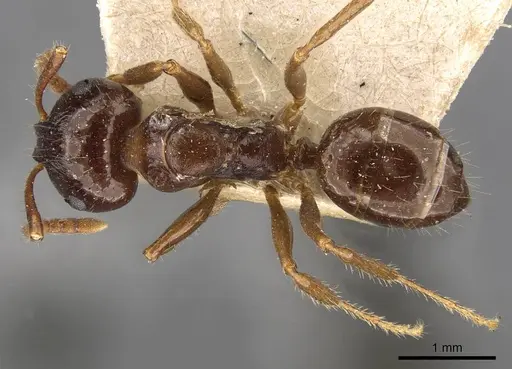
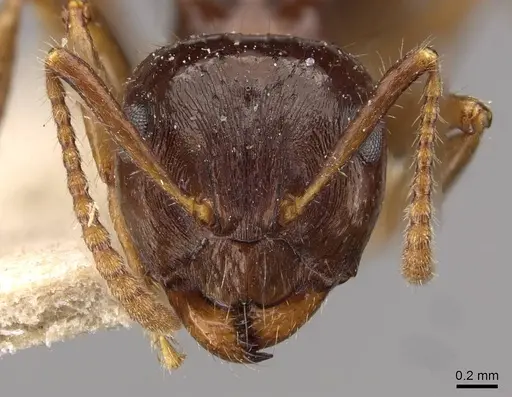
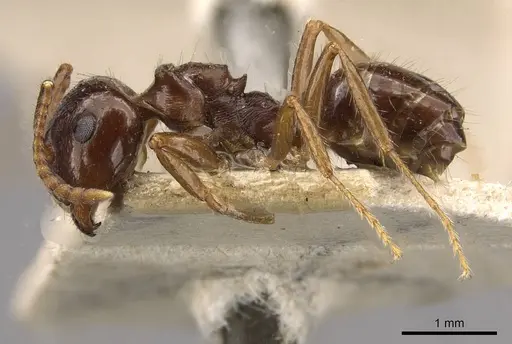
CASENT0909836
View on AntWeb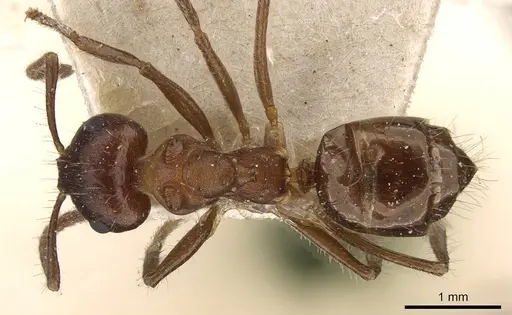
CASENT0913757
View on AntWeb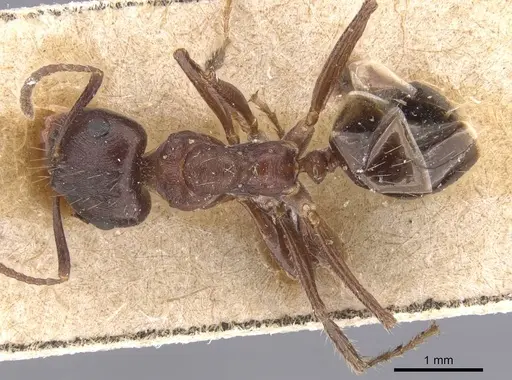
FOCOL2220
View on AntWeb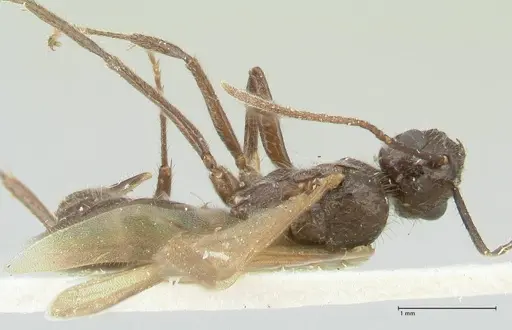
FOCOL2221
View on AntWeb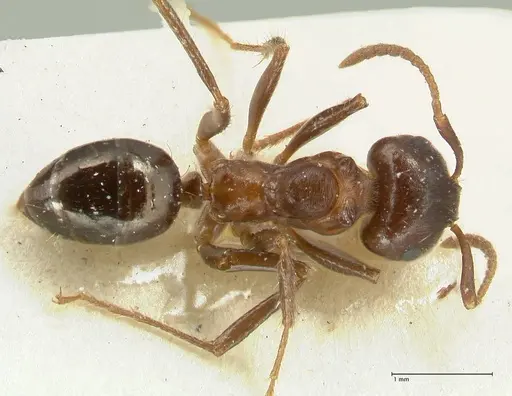
FOCOL2222
View on AntWeb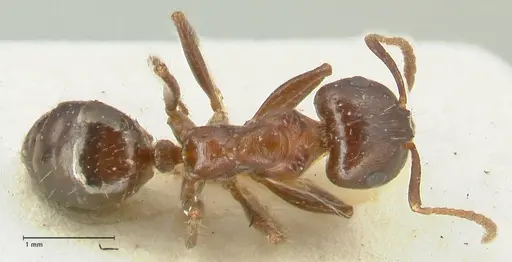
FOCOL2223
View on AntWeb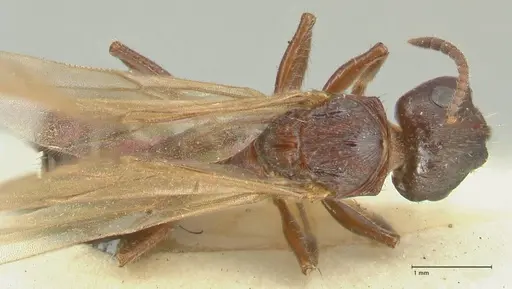
FOCOL2224
View on AntWeb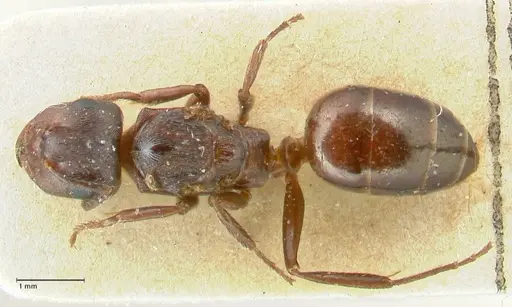
FOCOL2962
View on AntWeb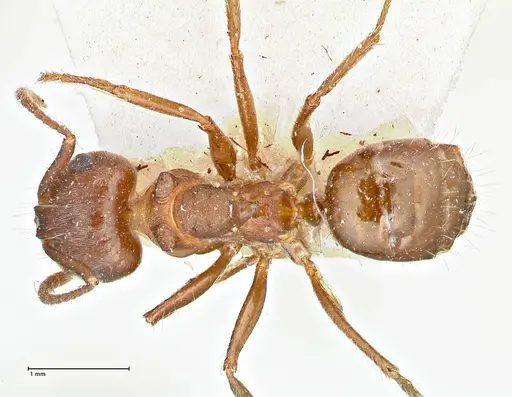
Literature
Loading...Loading products...