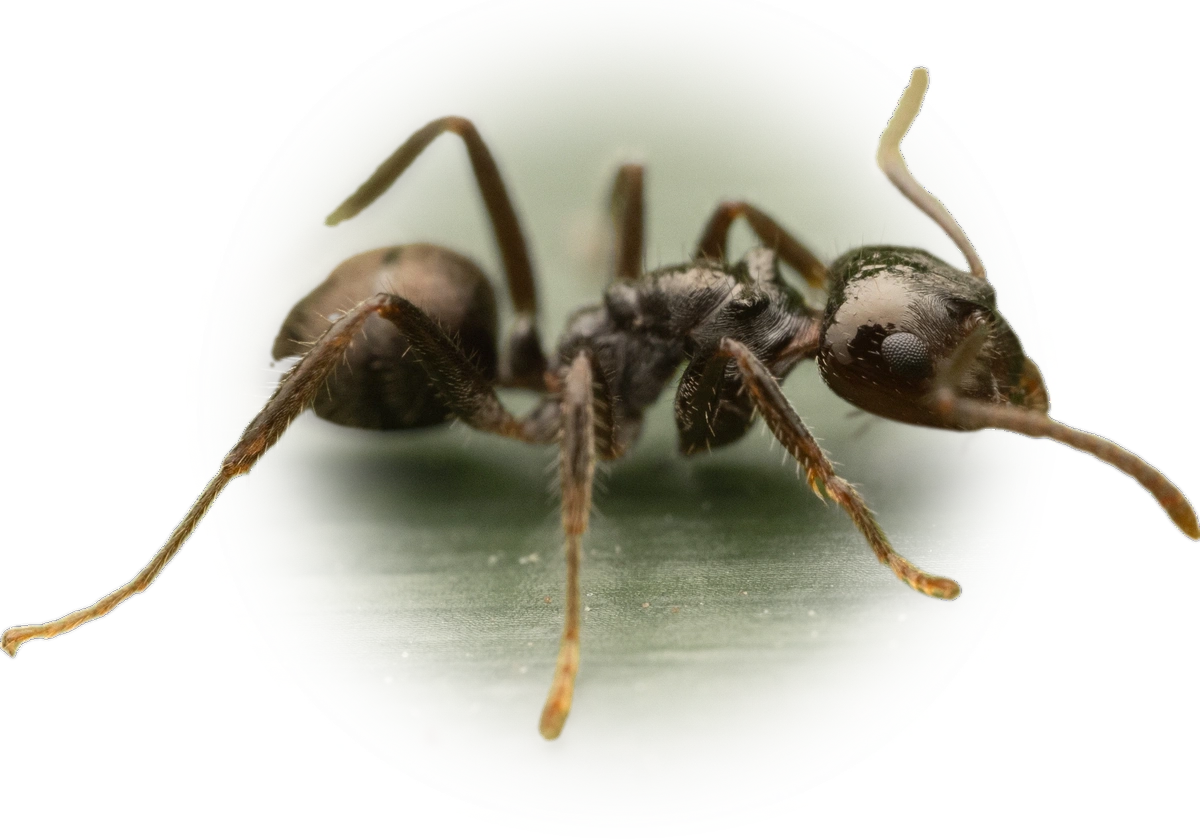

Notoncus capitatus
- Scientific Name
- Notoncus capitatus
- Tribe
- Melophorini
- Subfamily
- Formicinae
- Author
- Forel, 1915
- Distribution
- Found in 1 countries
Notoncus capitatus Overview
Notoncus capitatus is an ant species of the genus Notoncus. It is primarily documented in 1 countries , including Australia. Detailed taxonomic data and occurrence records can be further explored via authoritative databases such as AntWeb or the Global Biodiversity Information Facility (GBIF).
Notoncus capitatus
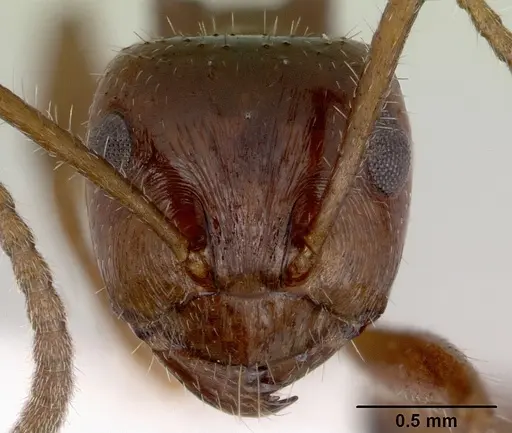
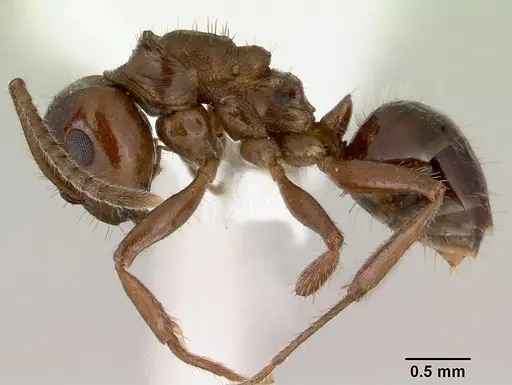
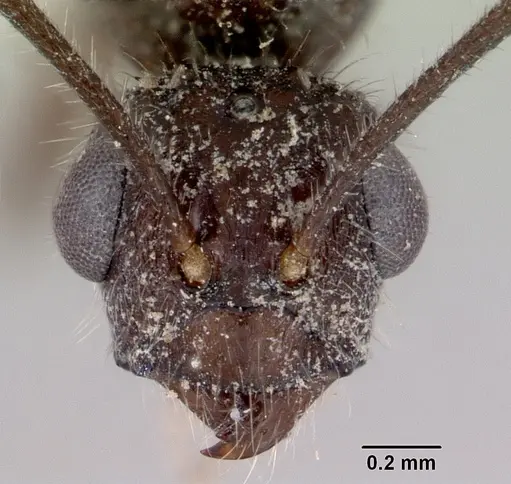
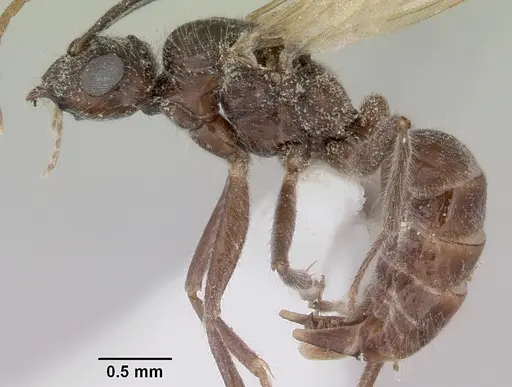
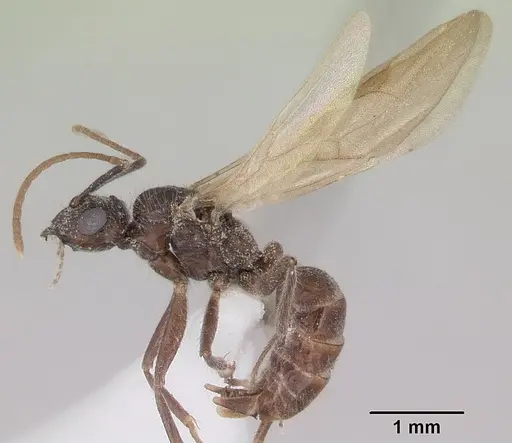
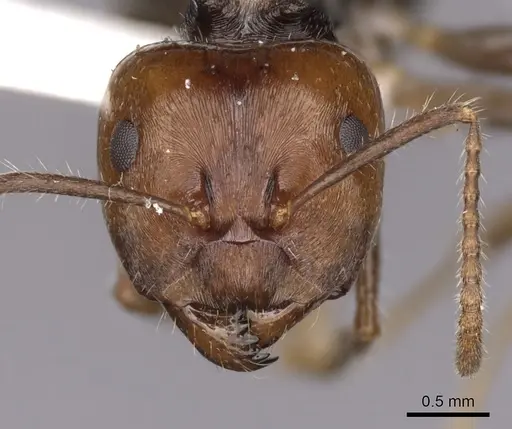
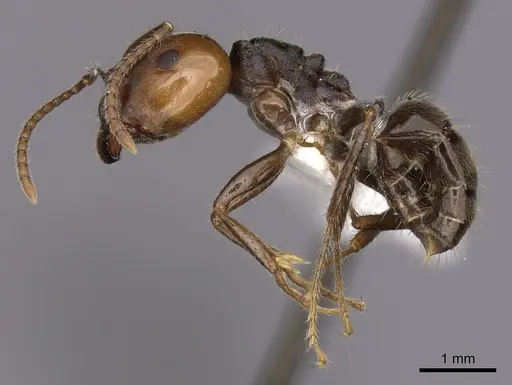
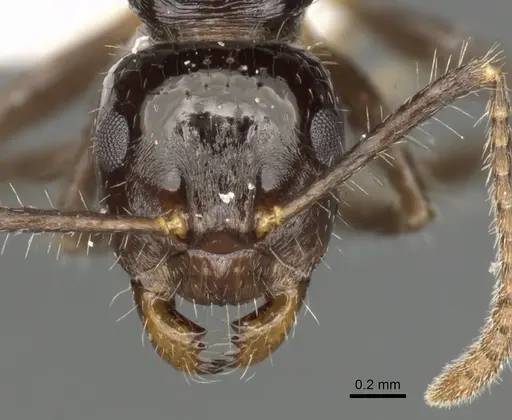
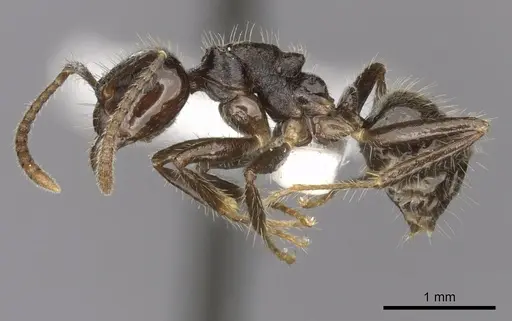
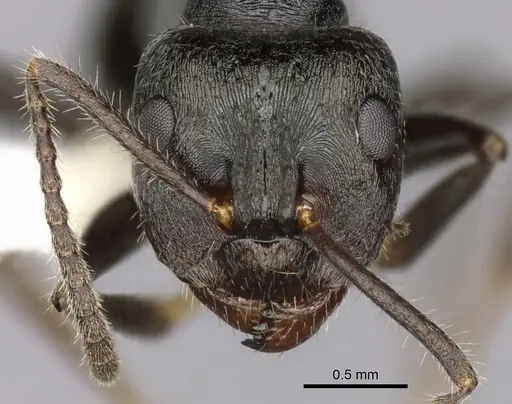
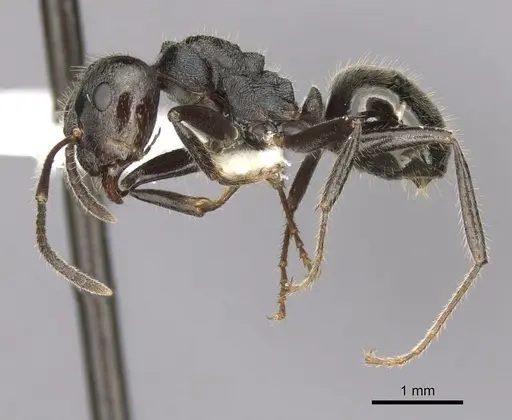
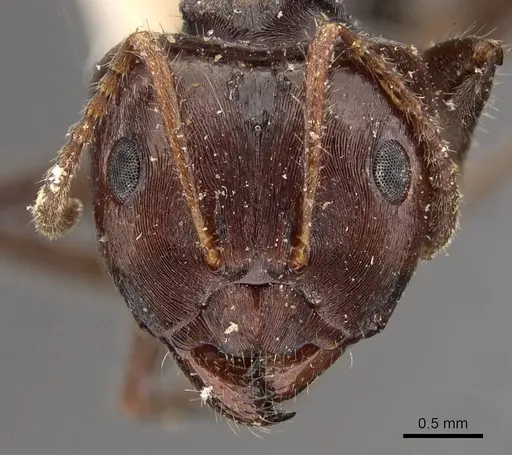
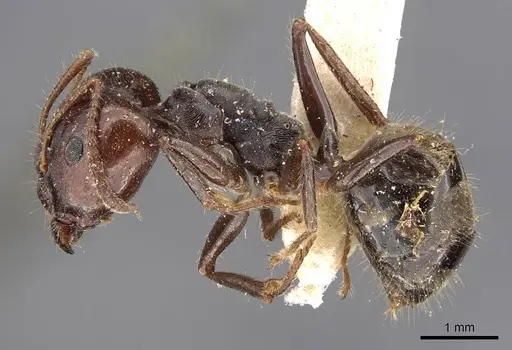
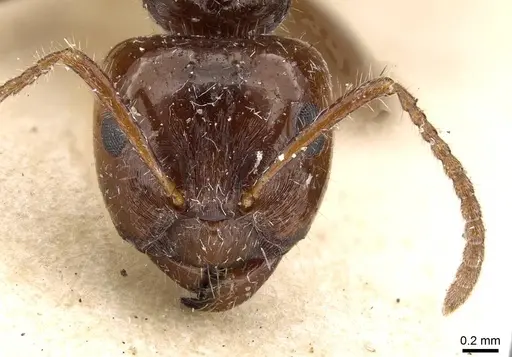
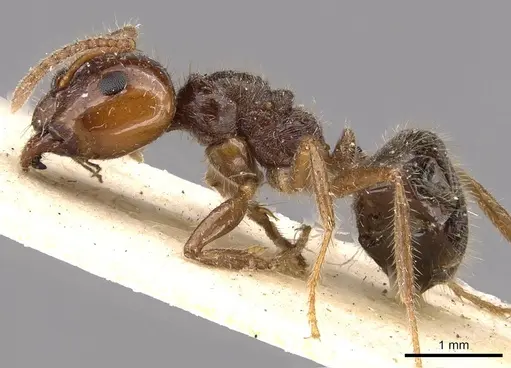
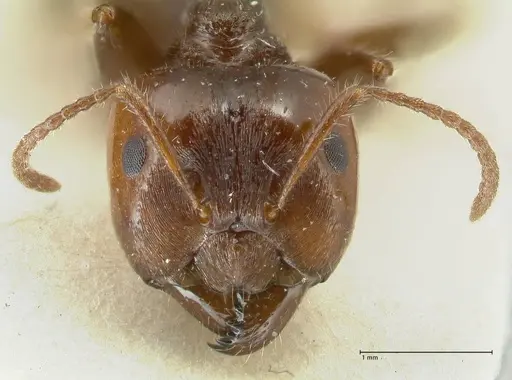
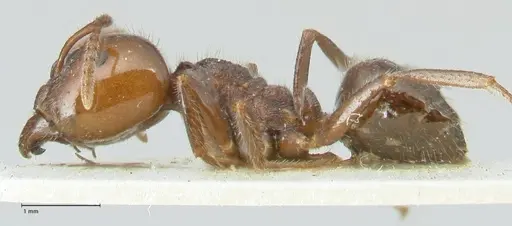
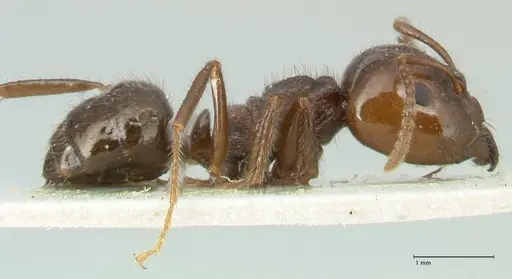
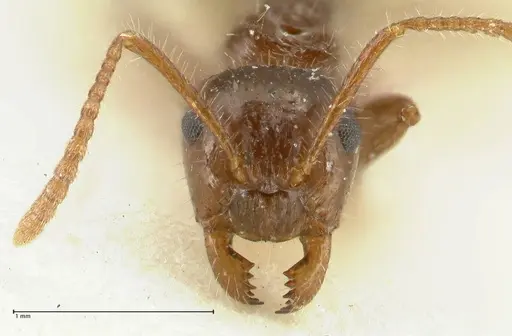
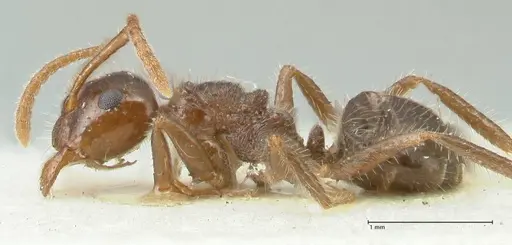
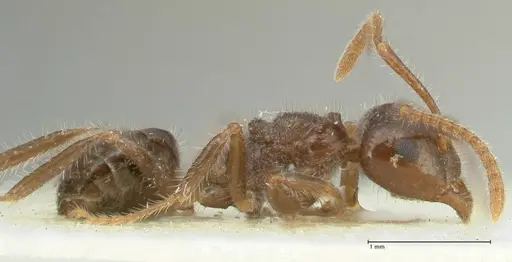
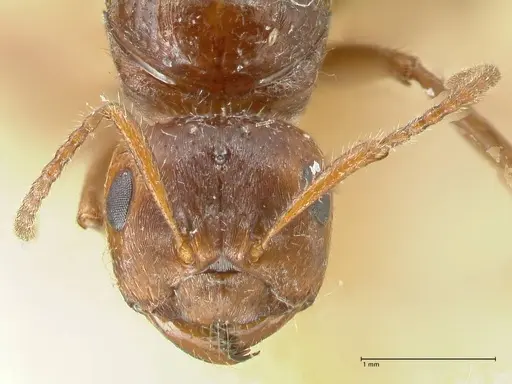
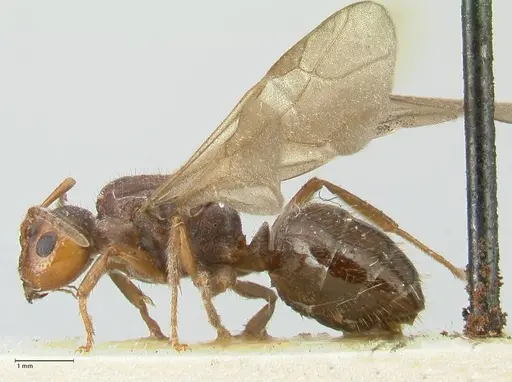
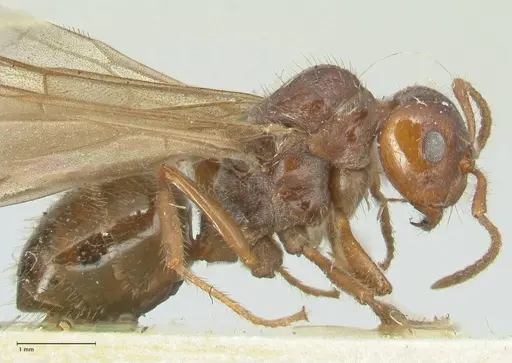
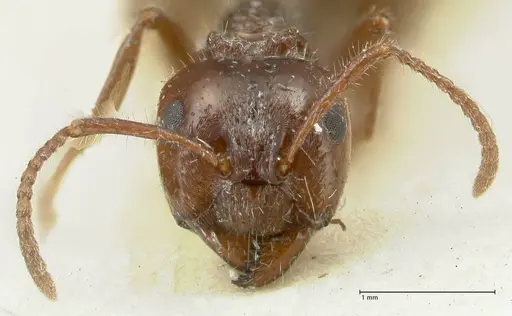
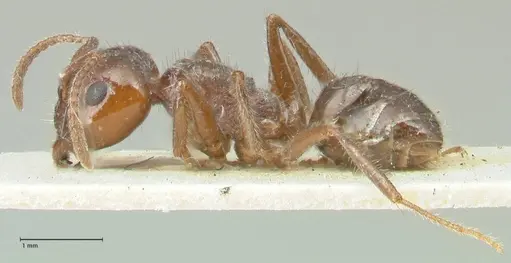
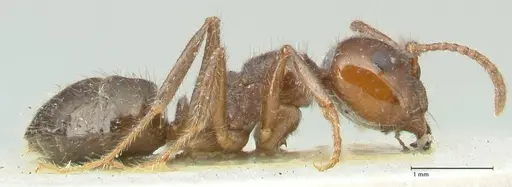
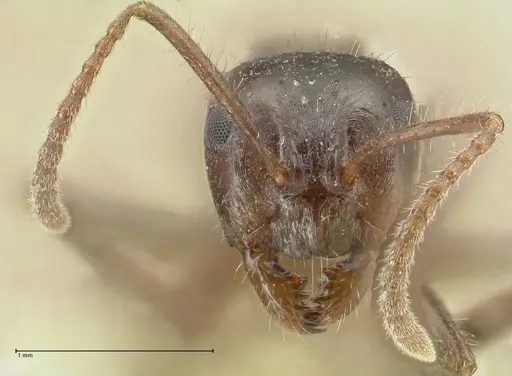
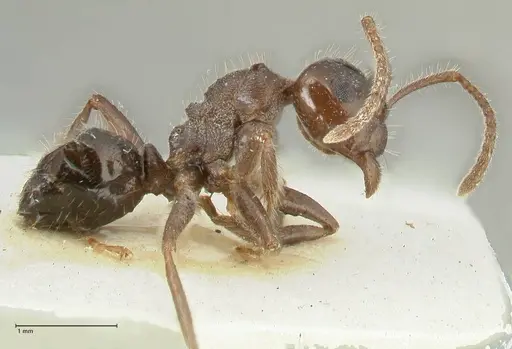
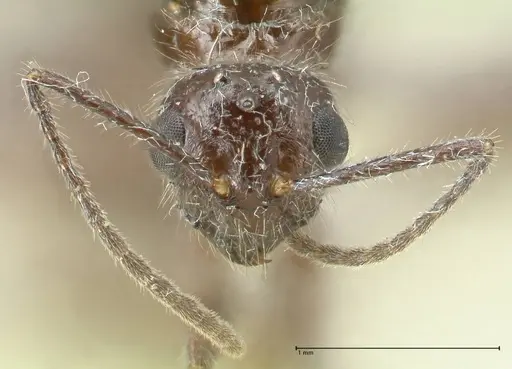
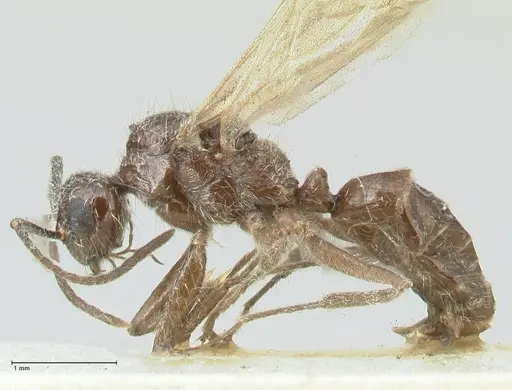
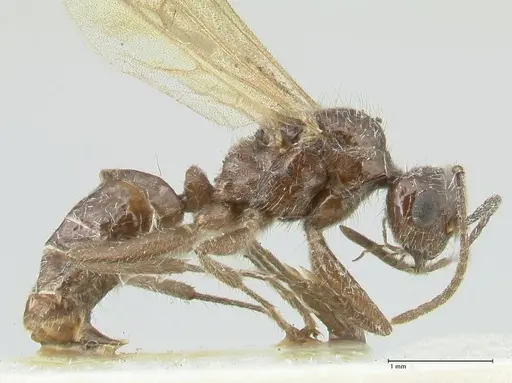
Notoncus capitatus is a small Australian ant species belonging to the subfamily Formicinae (tribe Melophorini). Workers are compact ants with a maximum head width under 1.6mm, characterized by their rounded propodeum, dense appressed pubescence across all body segments, and relatively fine sculpturing compared to related species. The propodeum (the section behind the waist) is distinctly striate and largely dull, while the gaster (the rear body segment) has dense punctulation and fine hairs lying flat against the surface. This species was once considered a synonym of Notoncus enormis but was revived as a valid species in 1992,sharing close morphological similarity with its relative [1].
This species has an interesting ecological relationship with the Eltham copper butterfly (Paralucia pyrodiscus lucida). The butterfly's caterpillars overwinter in Notoncus ant nests and are tended by the ants throughout their development, feeding by night and returning to the nest during the day. This mutualistic relationship benefits both species, the ants protect the caterpillars while gaining honeydew secretions [2]. Notoncus capitatus also forms mutualistic relationships with aphids, particularly Aphis clerodendri [3].
Quick Summary
- Difficulty: Medium
- Origin & Habitat: Native to Australia, specifically the Australasian region. Found across Western Australia (with a wide distribution in WA though not historically recorded in published literature) and Victoria (around Eltham area). This is a soil-nesting species that inhabits various Australian environments and has demonstrated resilience in fire-affected areas [4][2].
- Colony Type: Likely monogyne (single-queen colonies) based on typical Formicinae patterns. Colony size appears moderate, though exact maximums are not documented. Ergatoid (wingless replacement queen) presence is possible but not confirmed for this specific species.
- Colony: Monogyne
- Founding: Claustral
- Size & Growth:
- Queen: Estimated 6-8mm based on genus typical size, not directly measured for this species
- Worker: Approximately 3-5mm with head width under 1.6mm [1]
- Colony: Unknown, not directly studied. Likely moderate colony size based on related Notoncus species
- Growth: Moderate, typical for Formicinae
- Development: Estimated 6-10 weeks based on typical Formicinae development at warm temperatures (Development time inferred from genus patterns, direct measurements not available for this species)
- Antkeeping:
- Temperature: Keep at 22-26°C. Australian species typically tolerate a range from 20-28°C with a gentle gradient
- Humidity: Moderate humidity around 50-70%. Soil-nesting species prefer substrate that holds some moisture but drains well. Allow drying between waterings
- Diapause: Likely requires winter rest period (diapause) given Australian temperate distribution. Reduce temperature to 15-18°C for 2-3 months over winter
- Nesting: Soil-nesting species. Does well in naturalistic setups with soil substrate or Y-tong/plaster nests with moist substrate chambers. Provide digging space for colony expansion
- Behavior: Generally peaceful temperament. As a Melophorini member, they are not particularly aggressive but will defend the nest. Workers are active foragers, likely collecting honeydew from aphids and small insects. Moderate escape risk due to small size, use standard barrier precautions. Workers likely show typical Formicinae behavior of tending aphids and foraging for protein sources.
- Common Issues: colonies may be slow to establish, patience required during founding phase, small colony size means losses have bigger impact, avoid disturbing founding queens, winter diapause is important for long-term colony health but timing varies by region of origin, soil-nesting requires proper moisture balance, too wet causes fungal problems, too dry kills brood, wild-caught colonies may introduce parasites that can devastate captive colonies
Nest Preferences and Housing
Notoncus capitatus is a soil-nesting species that naturally establishes colonies in the ground, often under stones or in disturbed soil areas. In captivity, they do well in naturalistic setups with a deep soil layer (at least 5-10cm) that allows for tunneling and chamber creation. You can also use Y-tong (acrylic) nests with plaster or soil-filled chambers, which provide good visibility while maintaining appropriate humidity. The key is providing a moist substrate that doesn't become waterlogged, these ants prefer well-drained soil that holds moisture without becoming soggy. Include some dry areas in the setup so workers can regulate their humidity exposure. A test tube setup can work for founding colonies, but you'll need to move them to a proper nest once the colony reaches 15-20 workers [4][2].
Feeding and Diet
In the wild, Notoncus capitatus forms mutualistic relationships with aphids, particularly Aphis clerodendri, feeding on honeydew secretions [3]. They also likely supplement their diet with small insects and arthropods as is typical for Melophorini ants. In captivity, offer a varied diet including sugar water or honey as a constant energy source, and protein-rich foods like small crickets, mealworms, or fruit flies. Since they're small ants, prey items should be appropriately sized, tiny insects work better than large ones. Feed protein sources 2-3 times per week, and keep sugar water available at all times. Observe your colony's preferences and adjust feeding frequency accordingly.
Temperature and Seasonal Care
As an Australian species, Notoncus capitatus prefers warm conditions but can tolerate a range. Keep the nest area at 22-26°C for optimal brood development. A heating cable on one side of the nest creates a temperature gradient that lets ants choose their preferred zone. During the Australian winter (roughly June-August in the southern hemisphere), colonies benefit from a diapause period, reduce temperatures to 15-18°C for 2-3 months. This mimics their natural seasonal cycle and helps maintain colony health long-term. If your colony originated from a specific region in Australia, adjust diapause timing to match that region's climate. Watch for signs of stress during temperature changes, workers should remain active but not overly agitated.
Behavior and Colony Dynamics
Notoncus capitatus workers are relatively calm compared to some other Australian ants. They forage actively and will tend any aphids present in their enclosure, demonstrating the same mutualistic behavior seen in the wild. Workers communicate through chemical signals and may use tandem-running (one worker leading another to food sources) as seen in related Formicinae species. The colony will establish multiple chambers within their nesting area, some for brood, some for food storage, and some as waste areas. This species shows resilience to environmental disturbance, including surviving bushfires in their natural habitat [2]. This suggests they can handle some variation in captive conditions, though consistent care produces better results.
Growth and Development
Colony growth follows typical Formicinae patterns. The claustral founding queen seals herself in a chamber and relies on stored fat reserves to survive until her first workers (nanitics) emerge. These first workers are smaller than mature workers but immediately begin caring for additional brood and foraging for food. Growth rate is moderate, expect 6-10 weeks from egg to first worker at optimal temperature, then several months to reach 30-50 workers. The colony will expand gradually as the queen continues laying eggs. Unlike some fast-growing tropical species, Notoncus capitatus builds steadily rather than explosively. Patience is key during the founding phase when the colony is most vulnerable.
Frequently Asked Questions
How long does it take for Notoncus capitatus to produce first workers?
Expect 6-10 weeks from egg to first worker at optimal temperature (22-26°C). This is an estimate based on typical Formicinae development patterns, as specific development timing hasn't been documented for this species.
What do Notoncus capitatus ants eat?
They feed on honeydew from aphids (they're known to tend Aphis clerodendri) and small insects. In captivity, offer sugar water or honey constantly, plus protein sources like small crickets, mealworms, or fruit flies 2-3 times per week.
Can I keep multiple Notoncus capitatus queens together?
This species is likely monogyne (single-queen colonies) based on typical Formicinae behavior. Combining unrelated queens is not recommended as they likely won't tolerate each other. If you capture a founding queen, house her alone until her first workers emerge.
Do Notoncus capitatus need hibernation?
Yes, they likely require a winter rest period (diapause) given their Australian temperate distribution. Reduce temperatures to 15-18°C for 2-3 months during winter to mimic their natural seasonal cycle.
What is the best nest type for Notoncus capitatus?
Soil-nesting species do best in naturalistic setups with deep soil substrate (5-10cm) or Y-tong nests with moist soil/plaster chambers. They need space to dig tunnels and create chambers for brood and food storage.
Are Notoncus capitatus good for beginners?
They are rated Medium difficulty. They're more challenging than common pet ants because of their specific soil-nesting requirements and need for seasonal temperature changes. Experience with founding colonies is helpful.
Why are my Notoncus capitatus dying during founding?
Founding colonies are vulnerable. Common causes include: disturbing the queen before workers emerge, keeping substrate too wet or too dry, temperatures outside their 22-26°C range, or parasites from wild-caught colonies. Minimize disturbances and ensure proper humidity balance.
How big do Notoncus capitatus colonies get?
Exact maximum colony size is unknown for this species. Based on related Notoncus species, moderate colonies likely reach 100-300 workers. They grow steadily rather than explosively.
References

This caresheet is licensed under CC BY-SA 4.0 .
CASENT0106015
View on AntWeb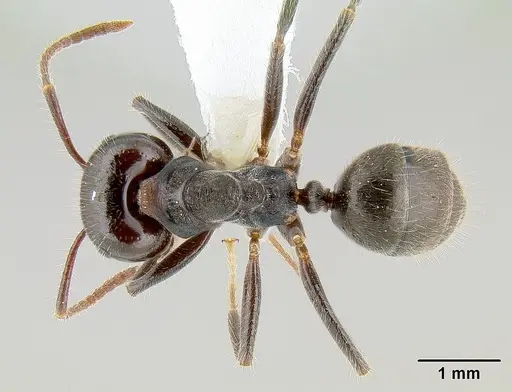
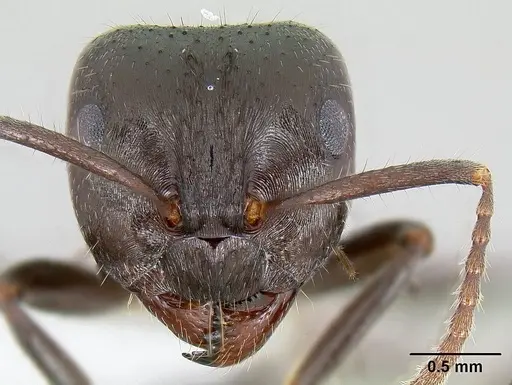
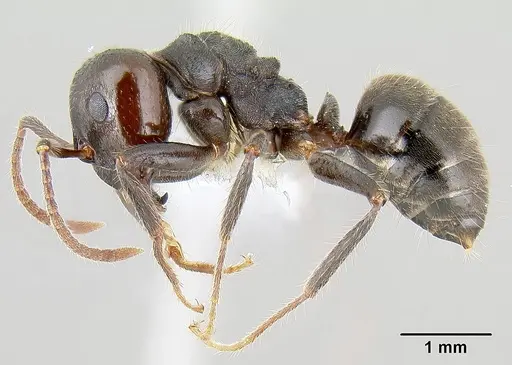
CASENT0172024
View on AntWeb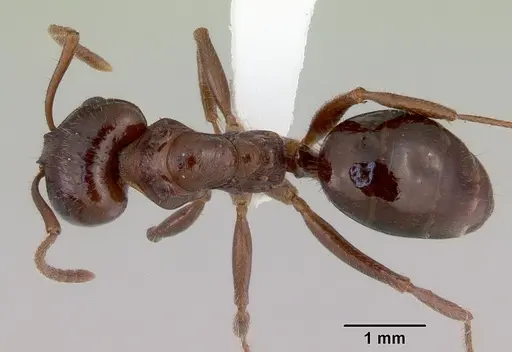
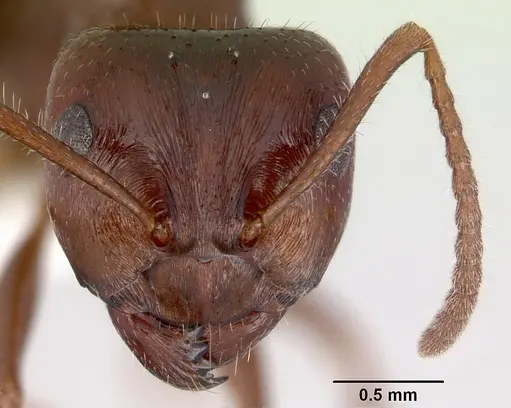
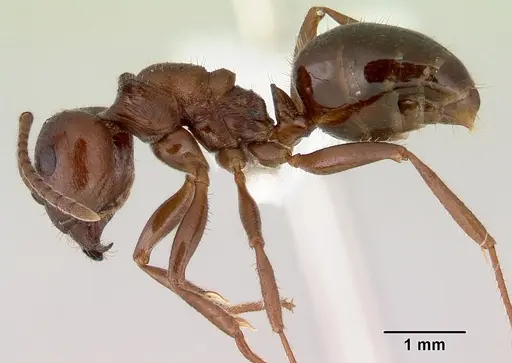
CASENT0172025
View on AntWeb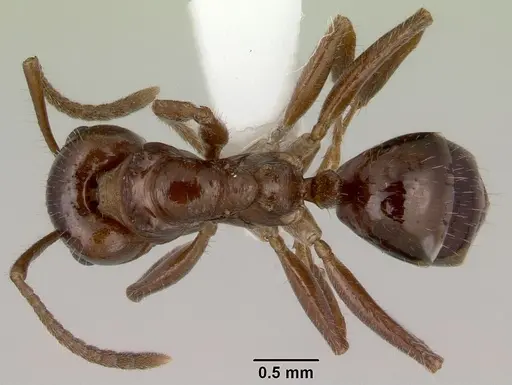
CASENT0172031
View on AntWeb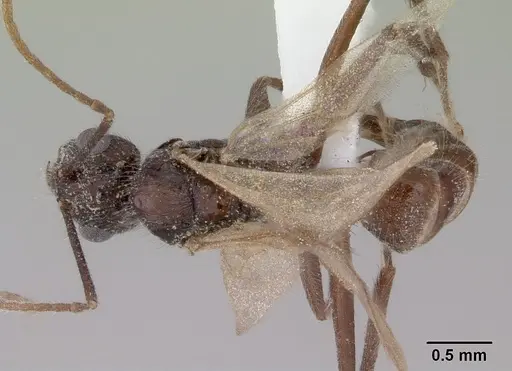
CASENT0280561
View on AntWeb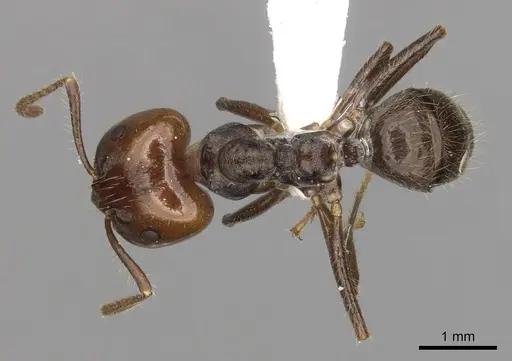
CASENT0280562
View on AntWeb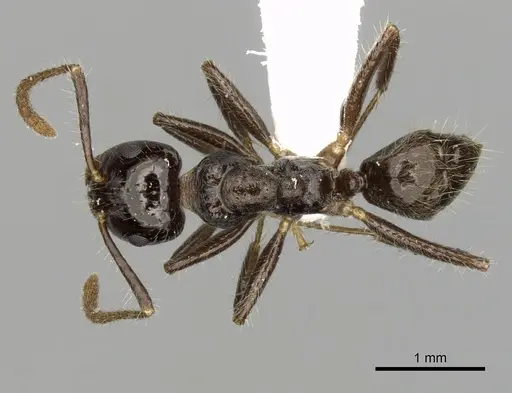
CASENT0280563
View on AntWeb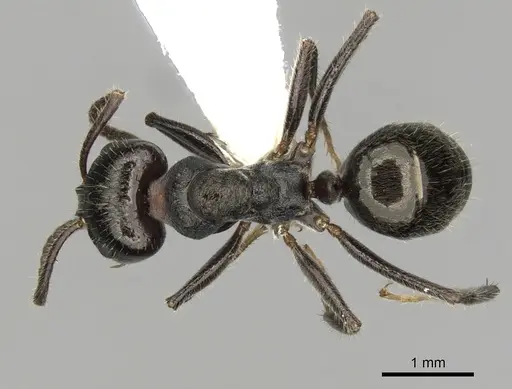
CASENT0909832
View on AntWeb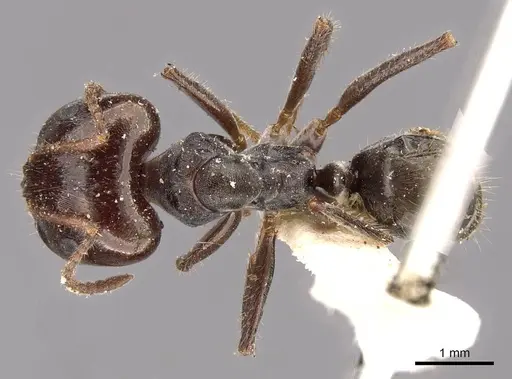
CASENT0909833
View on AntWeb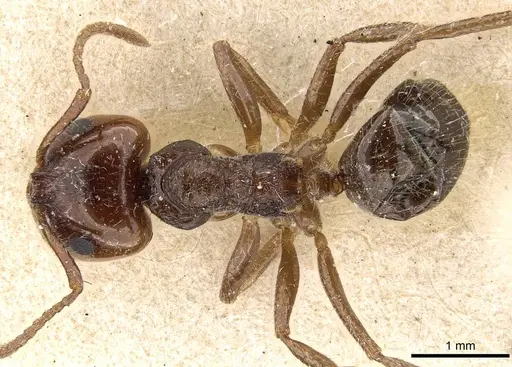
FOCOL2213-1
View on AntWeb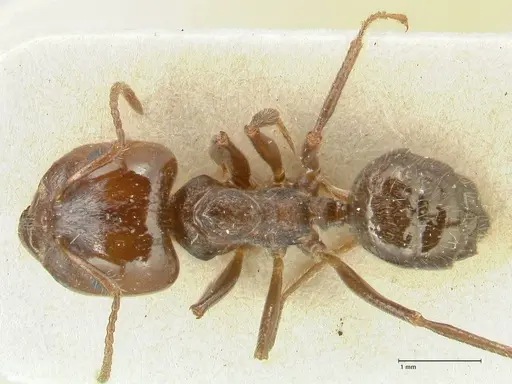
FOCOL2213-2
View on AntWeb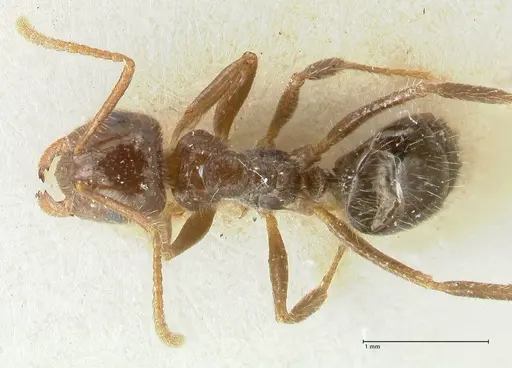
FOCOL2214-1
View on AntWeb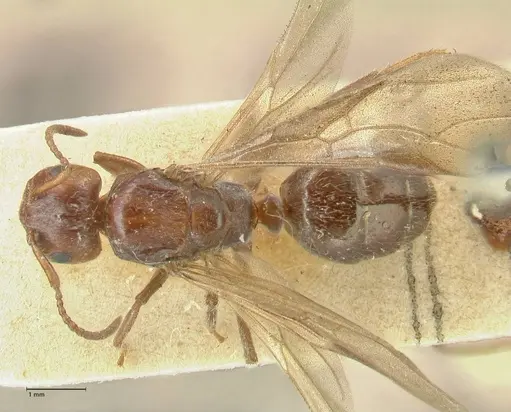
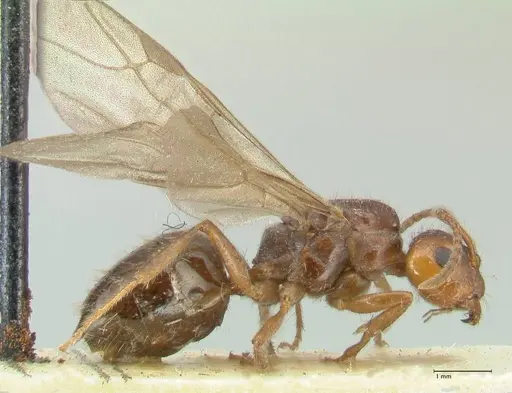
FOCOL2214-2
View on AntWeb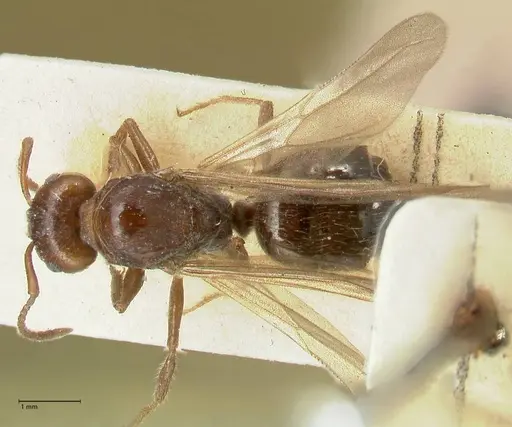
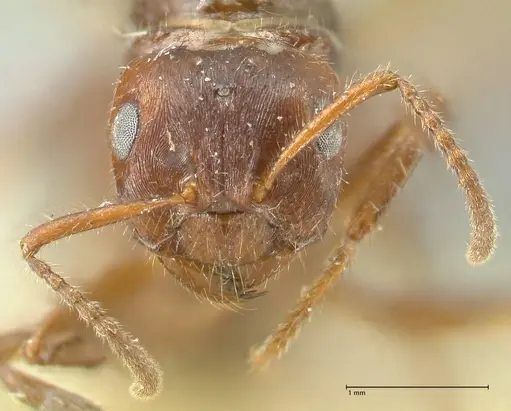
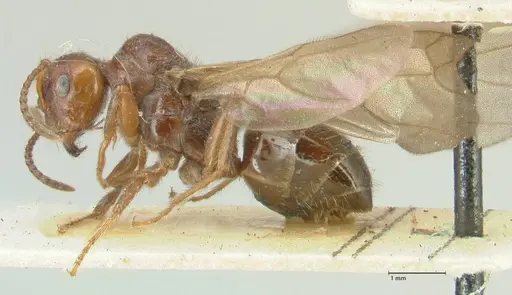
FOCOL2215-1
View on AntWeb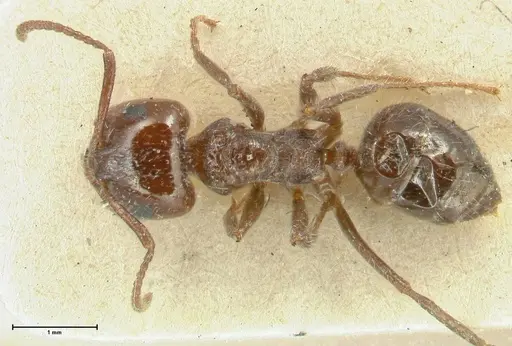
FOCOL2215-2
View on AntWeb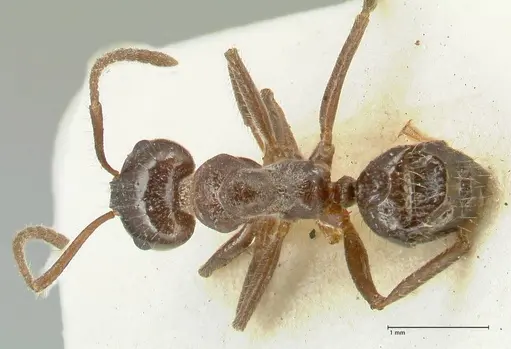
FOCOL2216
View on AntWeb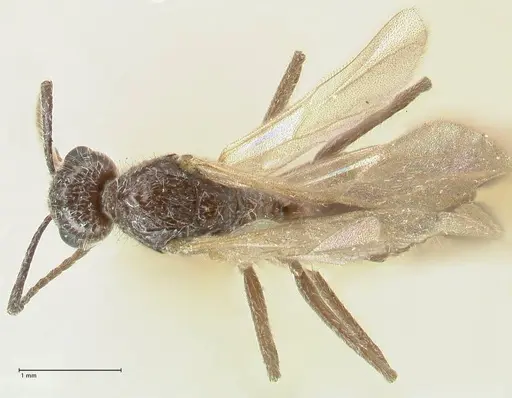
Literature
Loading...Loading products...