

Nomamyrmex esenbeckii
- Scientific Name
- Nomamyrmex esenbeckii
- Subfamily
- Dorylinae
- Author
- Westwood, 1842
- Distribution
- Found in 11 countries
Nomamyrmex esenbeckii Overview
Nomamyrmex esenbeckii is an ant species of the genus Nomamyrmex. It is primarily documented in 11 countries , including Brazil, Colombia, Costa Rica. Detailed taxonomic data and occurrence records can be further explored via authoritative databases such as AntWeb or the Global Biodiversity Information Facility (GBIF).
Nomamyrmex esenbeckii
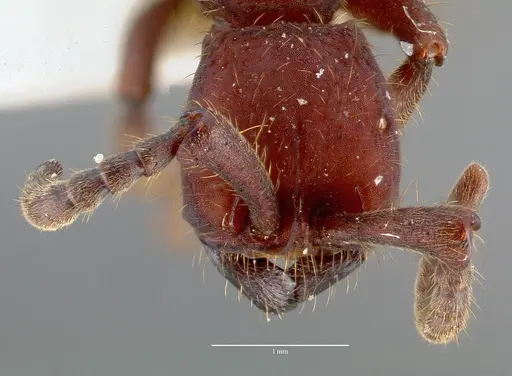
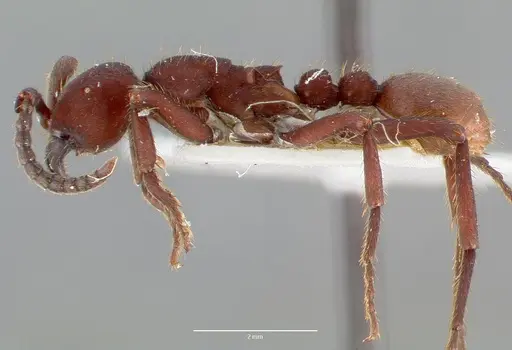
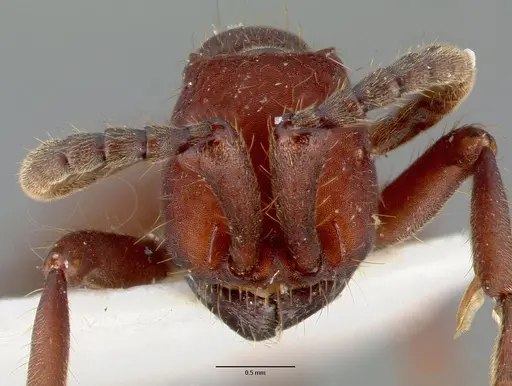
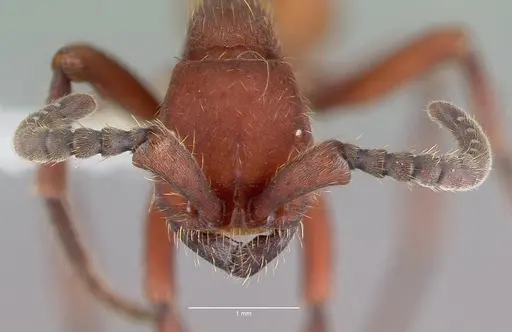
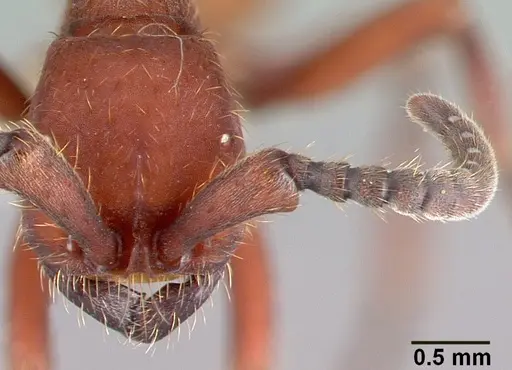
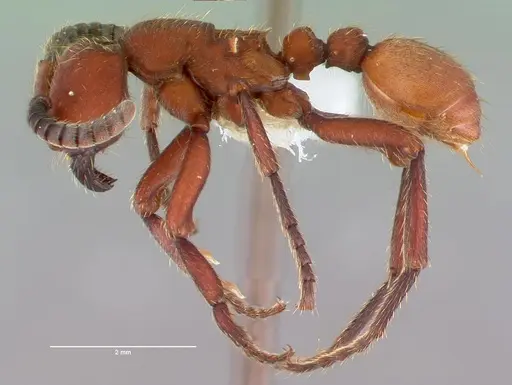
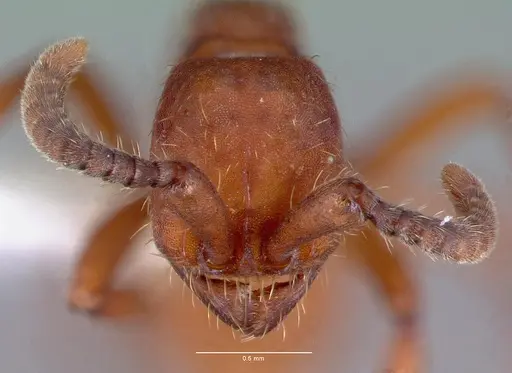
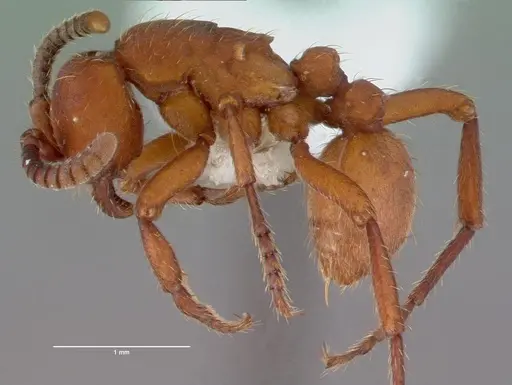
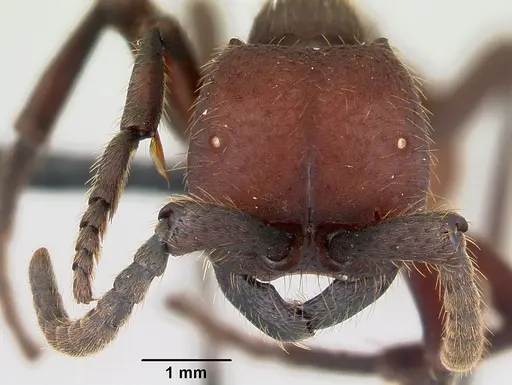
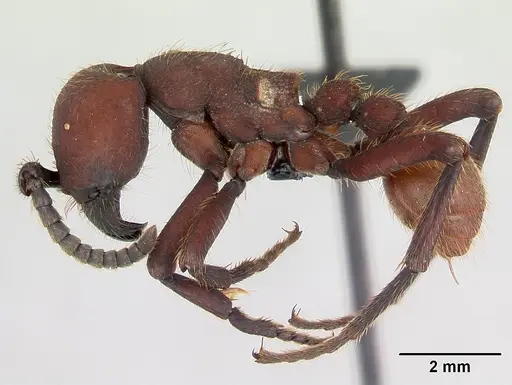
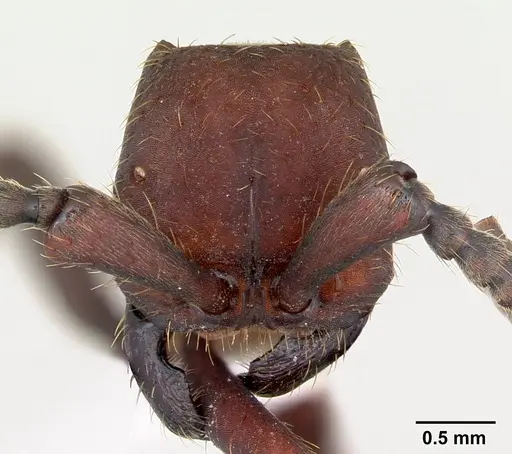
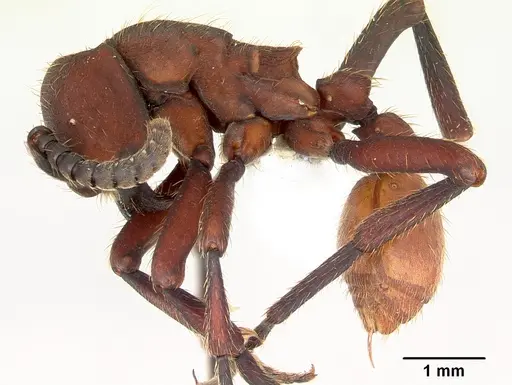
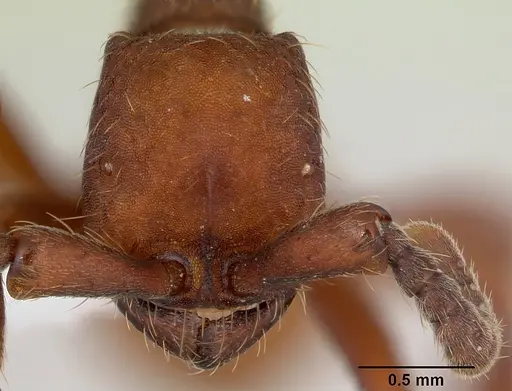
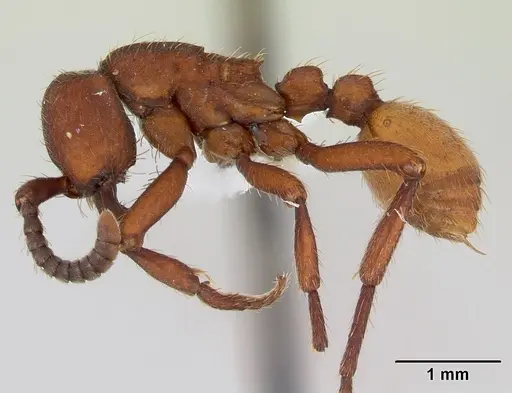
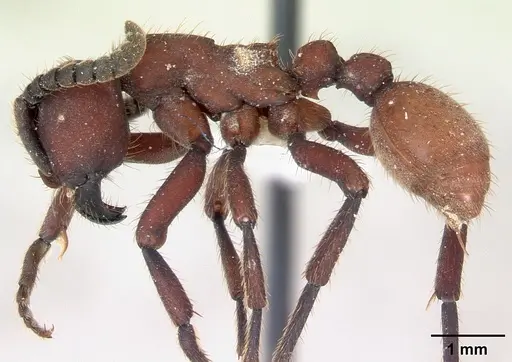
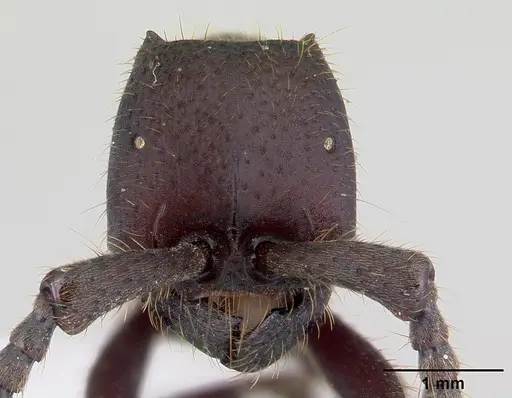
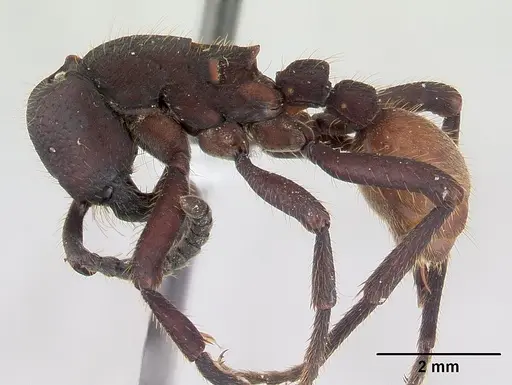
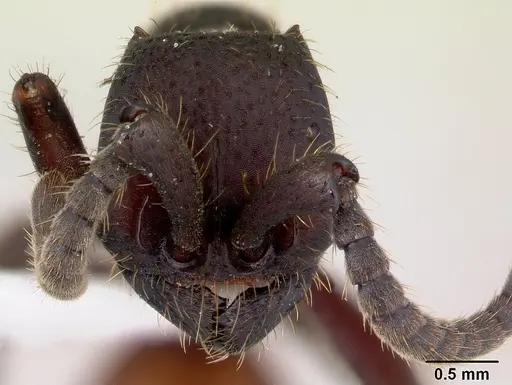
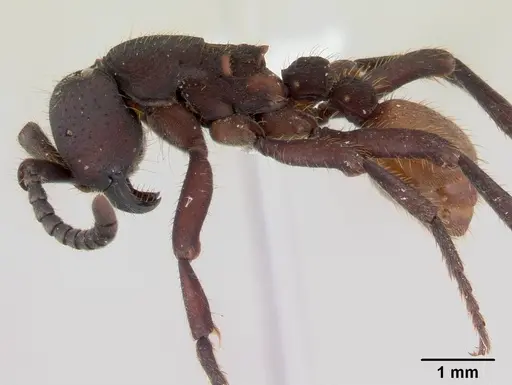
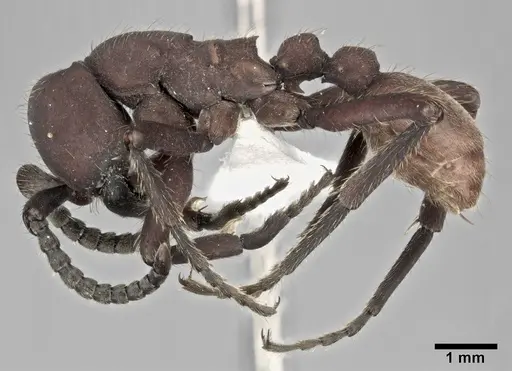
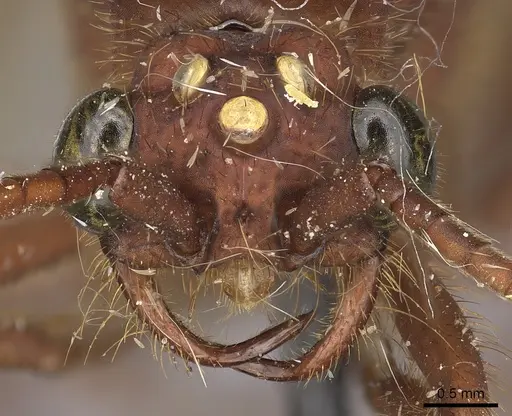
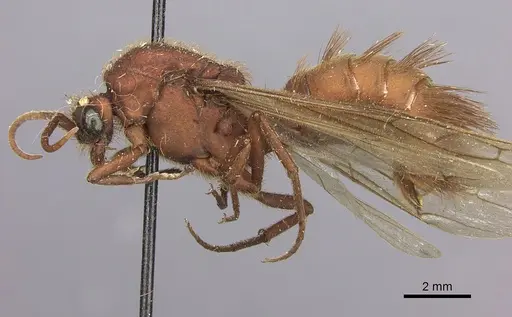
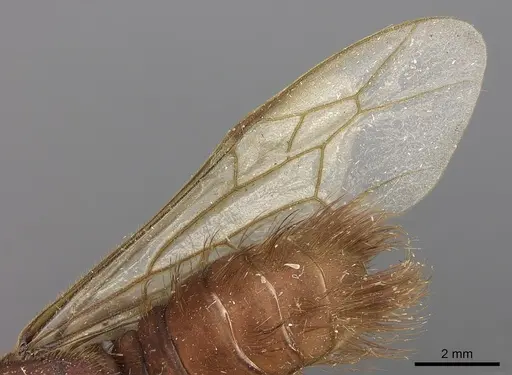
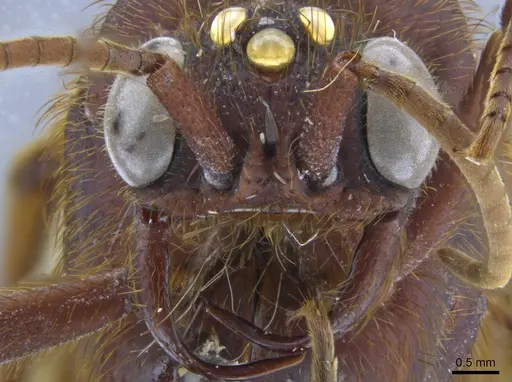
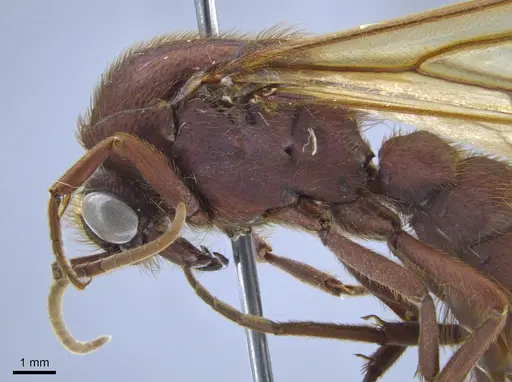
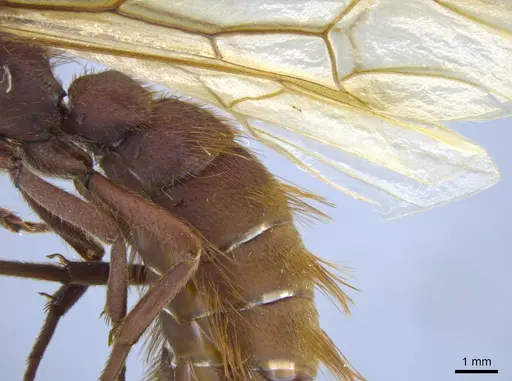
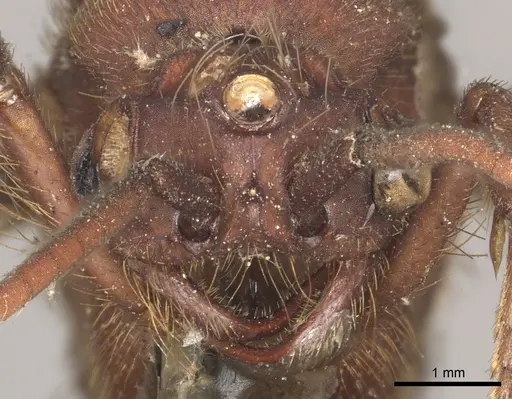
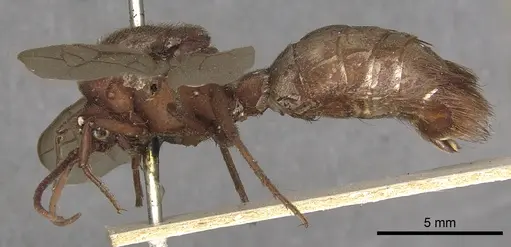
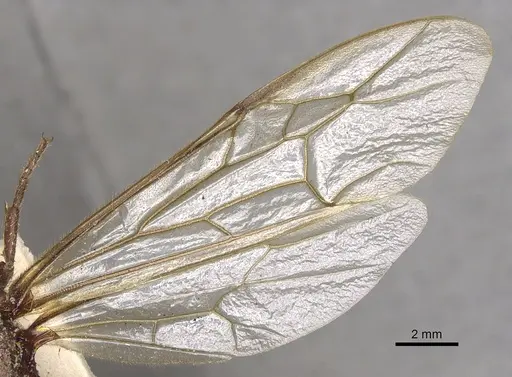
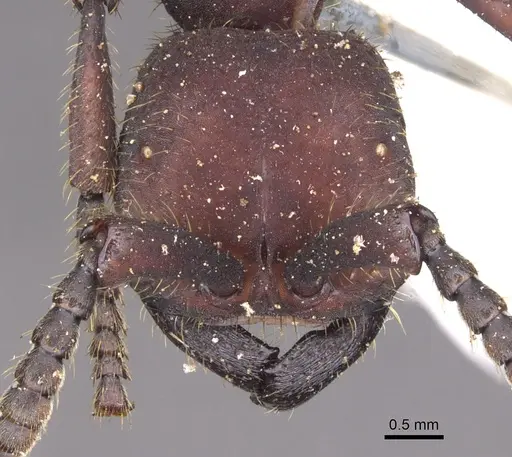
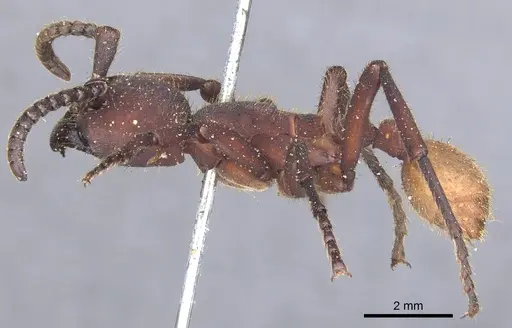
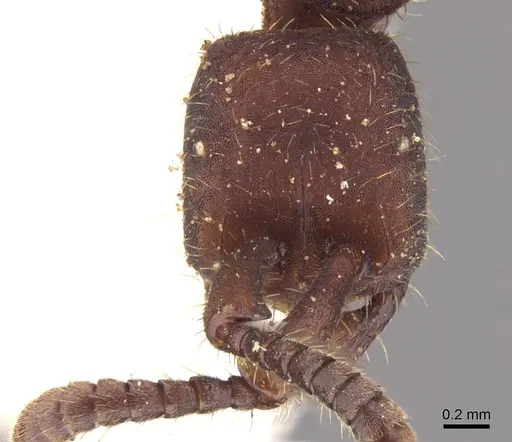
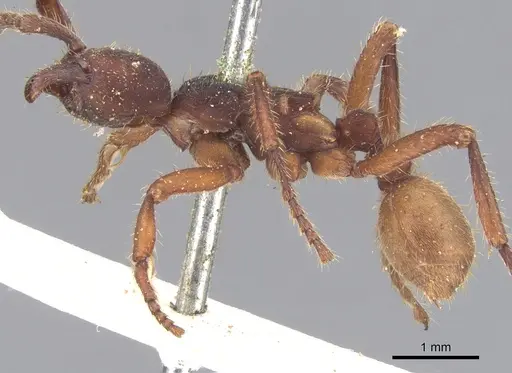
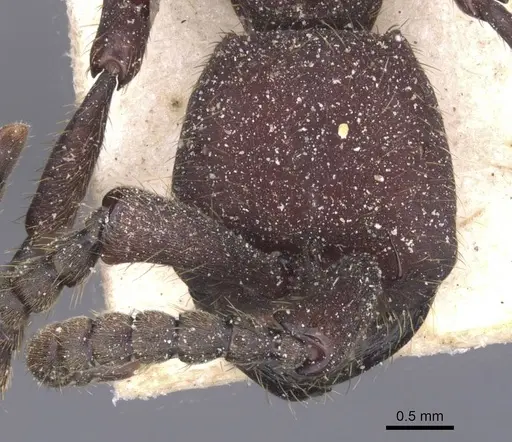
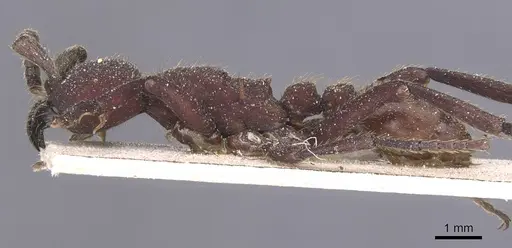
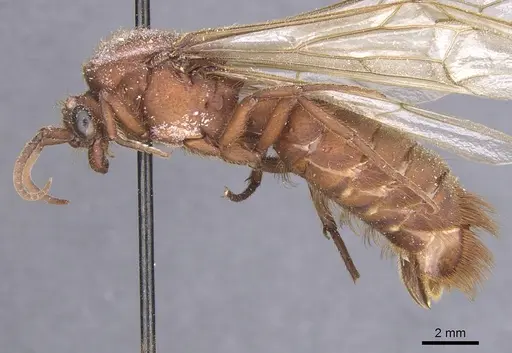
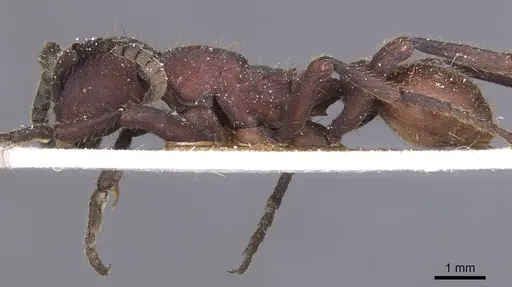
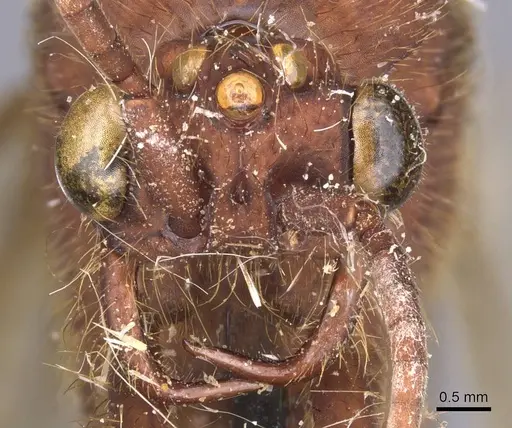
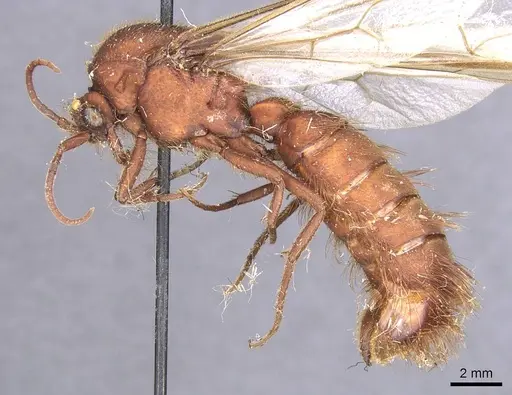
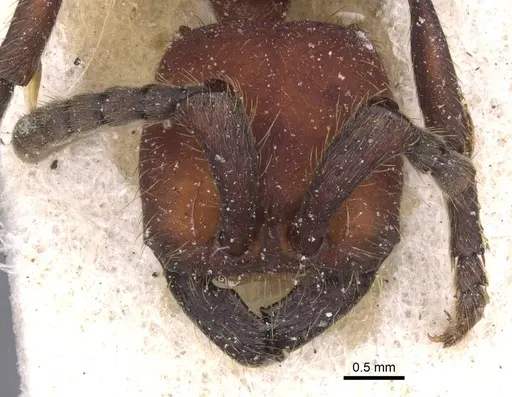
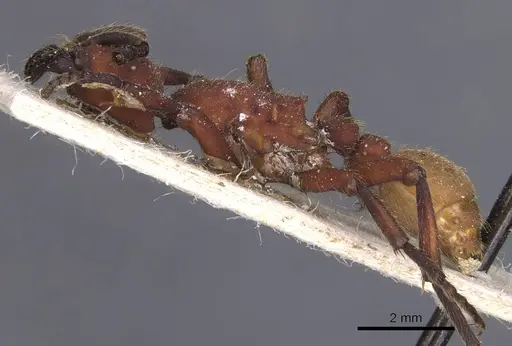
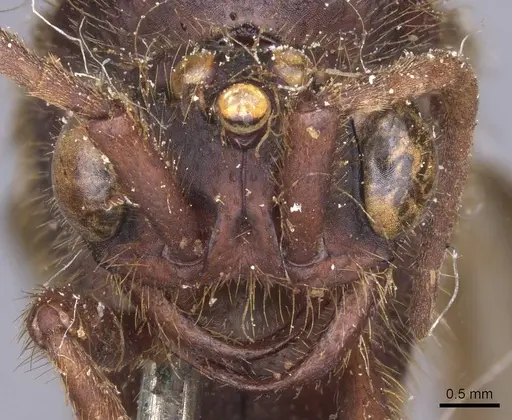
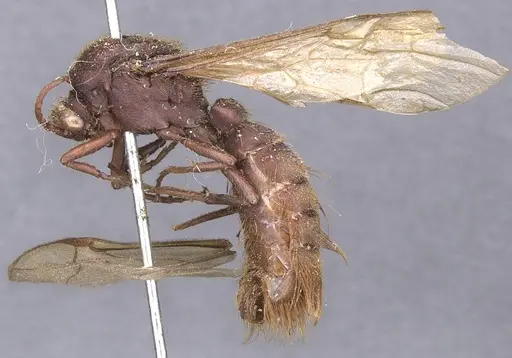
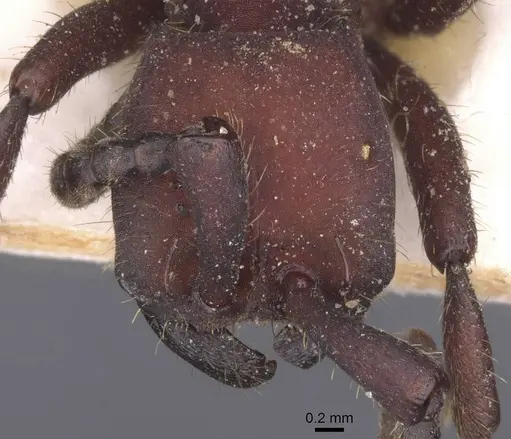
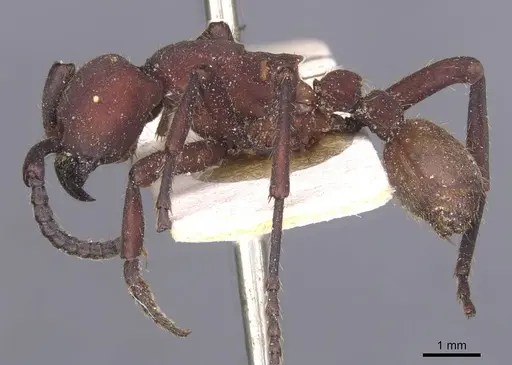
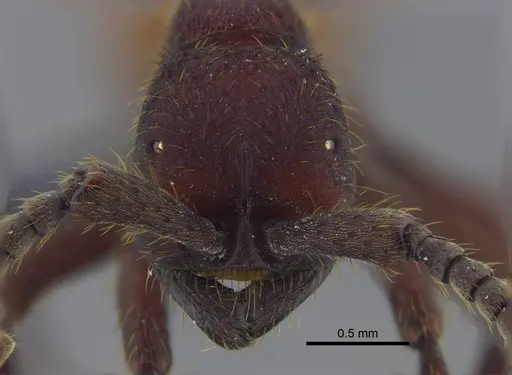
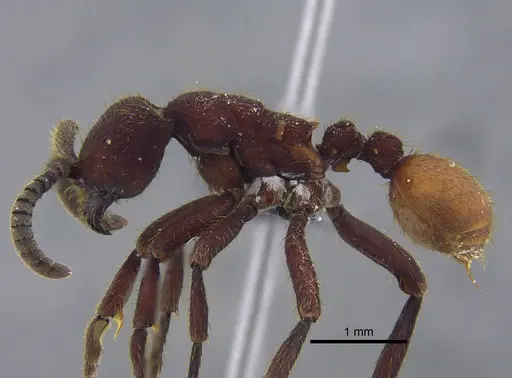
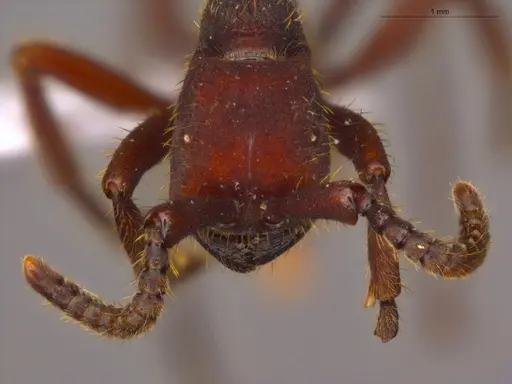
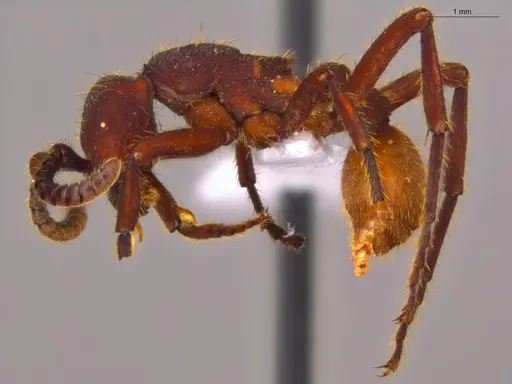
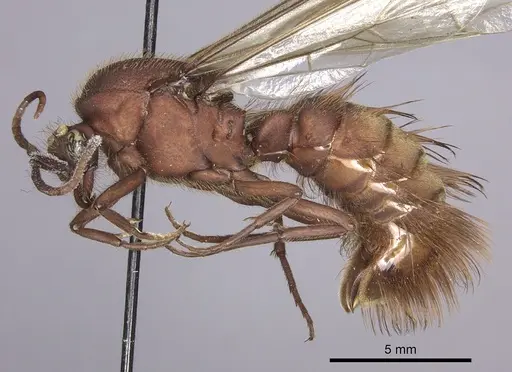
Nomamyrmex esenbeckii is a large, aggressive army ant native to the Americas, ranging from southern Texas to northern Argentina. Workers are robust and dark reddish-brown, measuring several millimeters with a notably hard exoskeleton. This species is famous for being the ONLY army ant confirmed to specialize in raiding Atta leaf-cutting ant colonies, a remarkable feat given that Atta colonies can contain several million individuals. The ants conduct both subterranean and surface raids, primarily foraging at night but also active during the day. Colonies can exceed one million workers and maintain a nomadic lifestyle, regularly emigrating as the brood develops.
Quick Summary
- Difficulty: Expert
- Origin & Habitat: Neotropical and Nearctic regions, from southern Texas, USA south through Central America to northern Argentina and Paraguay. Found in lowland tropical forests up to 1500m elevation, typically in humid forest habitats [1][2].
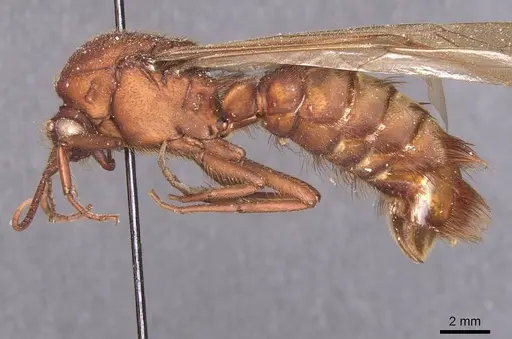
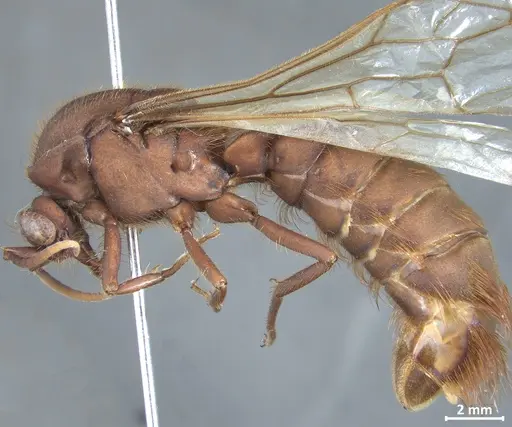
- Colony Type: Single-queen colonies (monogyne) with massive colony sizes reaching over one million workers [2]. Queens are primarily wingless (ergatoid) [3].
- Colony: Monogyne
- Founding: Claustral
- Size & Growth:
- Queen: Wingless ergatoid queens, not directly measured in available literature
- Worker: 2.43-33.75 mg body mass (size variation reflects major/minor castes) [4]
- Colony: Up to 1+ million workers [2]. One documented colony had approximately 700,000 workers [5].
- Growth: Fast, as a nomadic army ant, colonies cycle between stationary and mobile phases
- Development: Unknown, specific development times not documented in available research (Colonies have synchronized brood cycles with emigration traffic, either many callow workers and micro-larvae, or uniformly colored workers with well-developed larvae [6])
- Antkeeping:
- Temperature: Tropical species, keep at 24-28°C. They tolerate a range but prefer warm, humid conditions typical of their native rainforest habitat.
- Humidity: High humidity required, 70-85%. These are forest floor ants that thrive in moist conditions.
- Diapause: No true diapause, as a tropical species, they remain active year-round but may reduce activity during cooler periods.
- Nesting: Fully claustral founding in underground chambers. In captivity, they need deep, dark nesting areas with multiple connected chambers. They are nomadic by nature, so providing space for colony expansion is important. A large formicarium with multiple chambers connected by tunnels works best.
- Behavior: Extremely aggressive and predatory. Workers are robust with powerful mandibles and can deliver painful stings. They are group foragers that organize raiding columns, this is NOT a species for beginners. They will attack and consume other ant colonies, especially Atta species. Escape prevention is critical, they are strong climbers and will exploit any gap. They are primarily subterranean but conduct surface raids, especially at night. Unlike some army ants, they show high aggression only in context of raid columns [7].
- Common Issues: Massive colony sizes make them impractical for most hobbyists, they need enormous space and food, Specialized diet requirements, they are ant specialists and may refuse conventional ant feeds, Aggressive nature and ability to sting makes them difficult to handle, Nomadic behavior means they regularly emigrate, disturbing their setup, Tropical temperature requirements mean room temperature is often insufficient, Very small founding colonies are extremely vulnerable and have high failure rates
Species Overview and Natural History
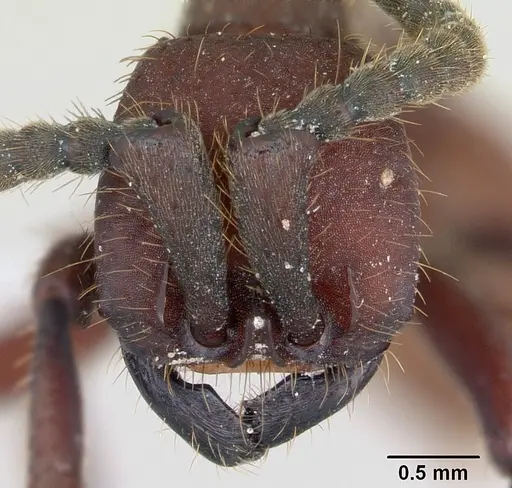
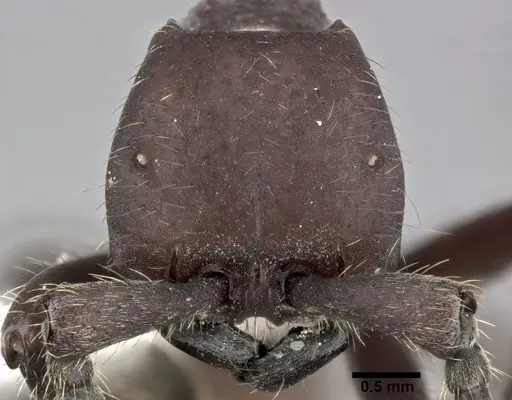
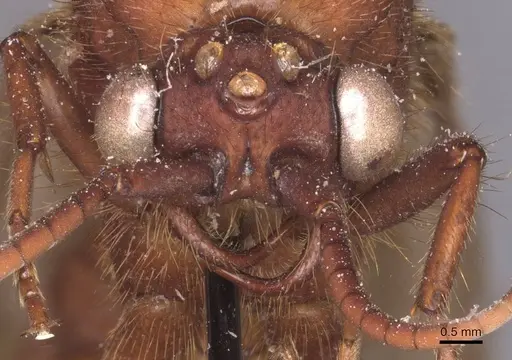
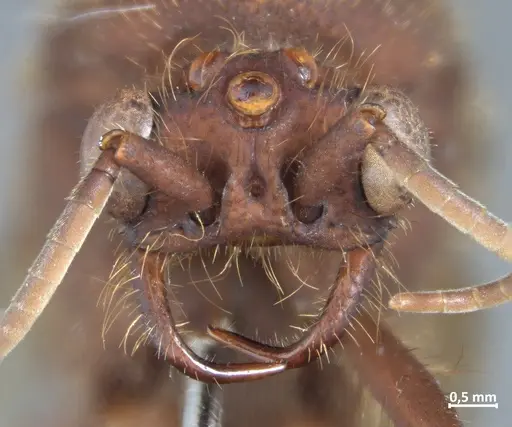
Nomamyrmex esenbeckii is one of the most specialized predators in the ant world. Unlike most army ants that are generalist predators, this species has evolved to target specifically Atta leaf-cutting ants, the only army ant with this confirmed specialization [6]. Their geographic range perfectly overlaps with Atta distribution across the Neotropics [6]. Workers are notably robust with an extremely hard exoskeleton, and they lack the prominent mandibles seen in some related army ants but compensate with powerful stings [8]. The colony structure is monogyne with a single wingless ergatoid queen, and colonies can grow to extraordinary sizes exceeding one million workers [2]. These ants are primarily subterranean, conducting raids hidden under leaf litter or soil, but will emerge to the surface when necessary, especially on compacted trails [6]. They are active both day and night, with no significant difference in foraging patterns between diurnal and nocturnal periods [9].
Housing and Nesting Requirements
Housing Nomamyrmex esenbeckii presents significant challenges even for experienced antkeepers. In the wild, they are nomadic and regularly emigrate, so they do not maintain a permanent nest. In captivity, you must provide a large formicarium with multiple connected chambers that allows for this natural behavior. The nesting area should be dark and humid, mimicking their subterranean lifestyle. Use a deep substrate (at least 10-15cm) with chambers connected by tunnels. Because they are primarily subterranean, the outworld should also be spacious with hiding places. Escape prevention is critical, these are large, strong ants that will find and exploit any gap. Apply barrier grease or fluon to all edges. Given their massive colony sizes, plan for expansion from the start, a setup that works for 500 workers will be inadequate for 10,000. [6][2][8]
Feeding and Diet
This is perhaps the most challenging aspect of keeping N. esenbeckii. They are specialized ant predators, primarily targeting Atta and other large ant species [6][10]. In the wild, they organize raids that can capture 60,000 Atta larvae in a single raid [11]. They have also been documented attacking honey bee colonies, preying on both brood and adults [12]. In captivity, you cannot replicate their natural diet of Atta brood, but you should offer: live insects (especially other ant colonies if available), protein-rich foods like mealworms and crickets, and occasionally small amounts of honey or sugar water for energy. They are unlikely to accept seeds or plant matter. Feed generously, a colony of this size has enormous protein demands. Remove uneaten food promptly to prevent mold.
Temperature and Humidity
As a tropical species, N. esenbeckii requires warm and humid conditions. Maintain temperatures between 24-28°C (75-82°F) with a slight gradient if possible. They can tolerate brief periods slightly outside this range but prolonged cool conditions will suppress activity and may harm the colony. Humidity should be high, aim for 70-85% in the nest area. The substrate should remain consistently moist but not waterlogged. Mist the nest area regularly and ensure the water reservoir is adequate. Because they are subterranean, stable conditions are preferred, avoid placing the setup near air conditioning vents or windows with direct sunlight that could cause temperature fluctuations. A heating cable on one side of the nest can help maintain warmth during cooler months. [6][9][2]
Colony Dynamics and Behavior
Understanding army ant behavior is essential for keeping this species. They exhibit cyclic nomadism, alternating between stationary phases (when the queen is laying eggs and brood is developing) and emigrations (when the colony moves to a new location) [6]. During emigrations, the entire colony including brood moves, which can take over 24 hours [10]. Brood development is synchronized, meaning all larvae develop together, you will notice distinct waves of new workers (callows) emerging. The colony structure includes both major and minor workers, with majors being significantly larger and serving as soldiers. These soldiers use both mandibles and venom in combat [11]. Unlike some army ants that avoid conflict, N. esenbeckii workers will directly engage intruders with biting, pinning, and stinging [7]. They are most aggressive in the context of raid columns.
Legal and Ethical Considerations
Before acquiring Nomamyrmex esenbeckii, check your local regulations. While not listed as endangered, collecting and keeping native ants may require permits in some jurisdictions. In the United States, they are found only in southern Texas, so check state-specific regulations. More importantly, consider whether this species is appropriate for your experience level and setup. Their massive colony sizes, specialized diet, aggressive nature, and nomadic behavior make them one of the most challenging ants to keep. They are NOT suitable for beginners or those with limited space. If you release your colony, ensure it is not in an area where they could establish and impact native ant populations, they are not invasive in their natural range but should not be introduced to new areas. [1]
References

This caresheet is licensed under CC BY-SA 4.0 .
CASENT0006042
View on AntWeb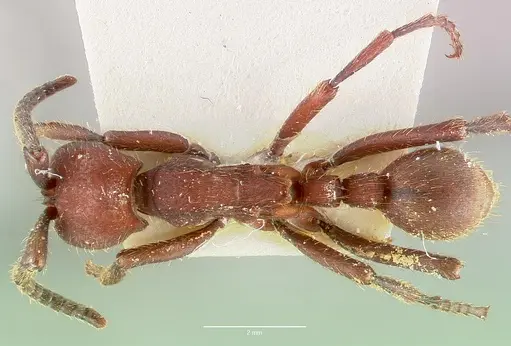
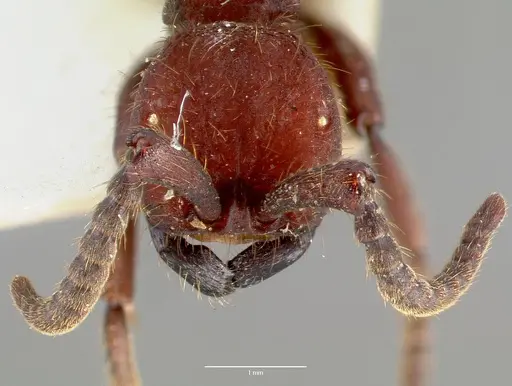
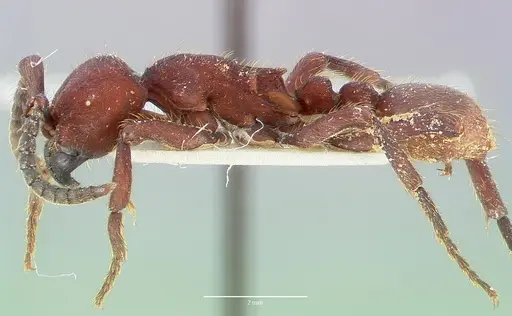
CASENT0006043
View on AntWeb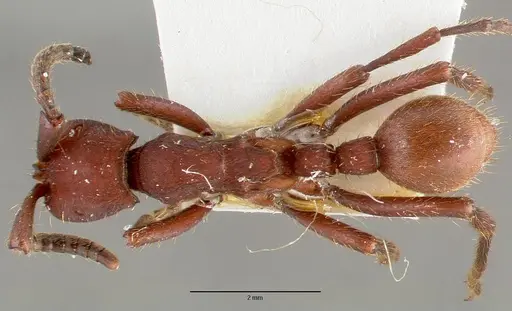
CASENT0006044
View on AntWeb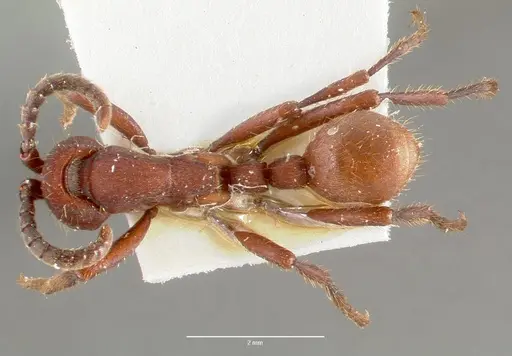
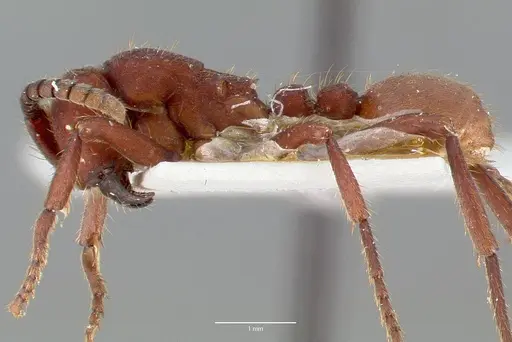
CASENT0010790
View on AntWeb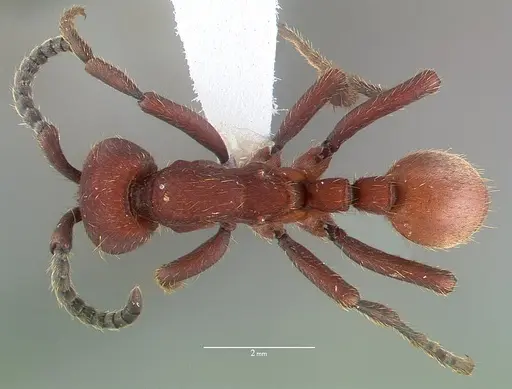
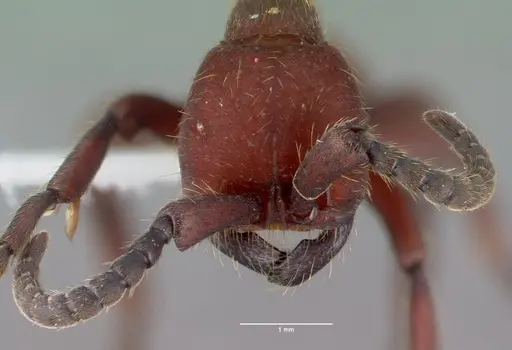
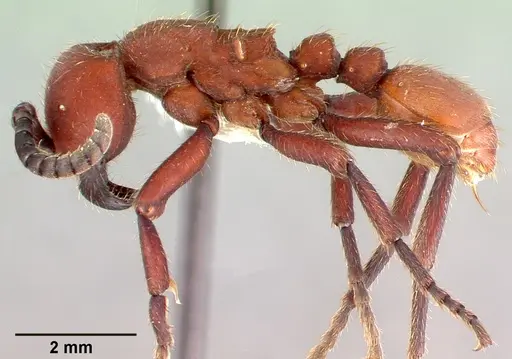
CASENT0010791
View on AntWeb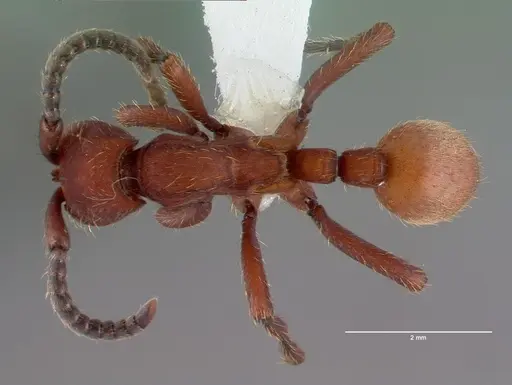
CASENT0010792
View on AntWeb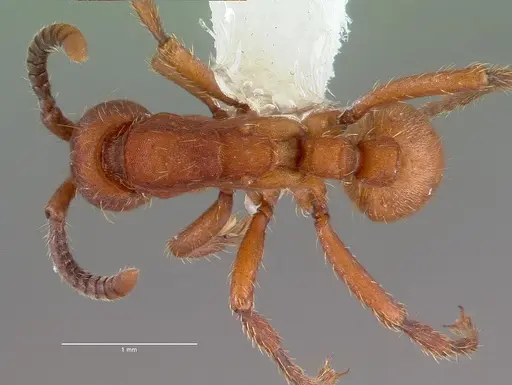
CASENT0052318
View on AntWeb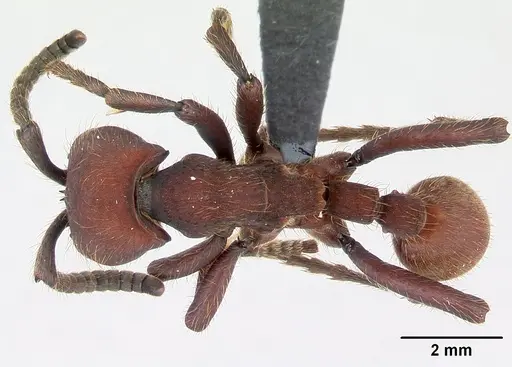
CASENT0173517
View on AntWeb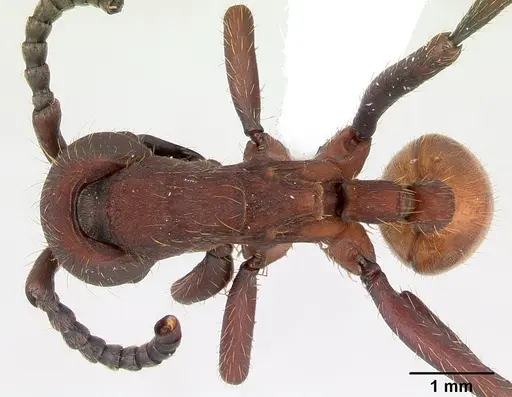
CASENT0173518
View on AntWeb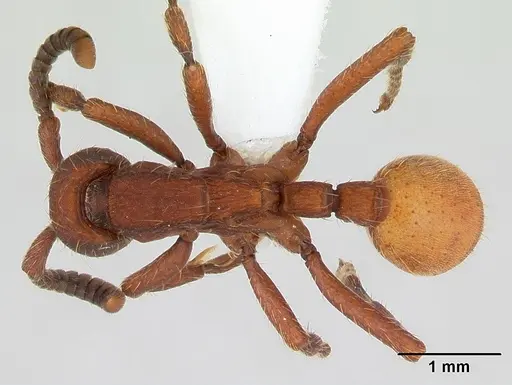
CASENT0173657
View on AntWeb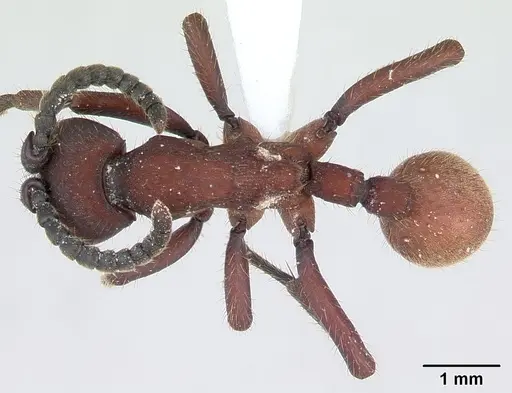
CASENT0178606
View on AntWeb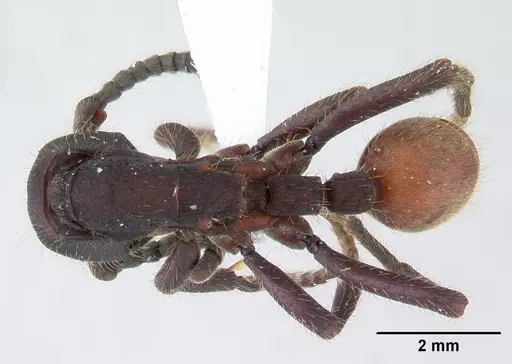
CASENT0178607
View on AntWeb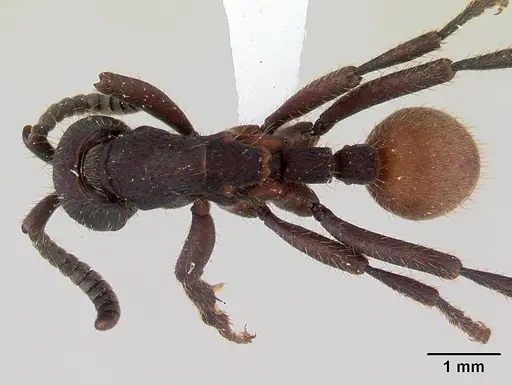
CASENT0246013
View on AntWeb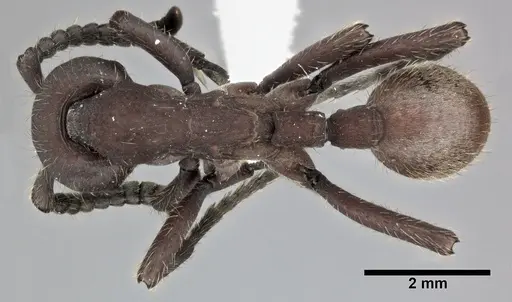
CASENT0248148
View on AntWeb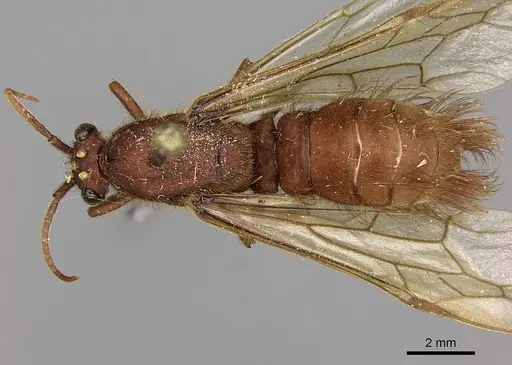
CASENT0650532
View on AntWeb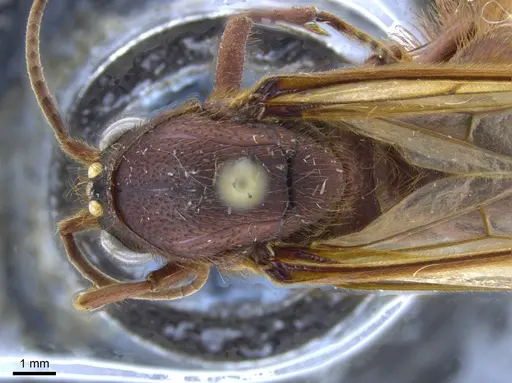
CASENT0901959
View on AntWeb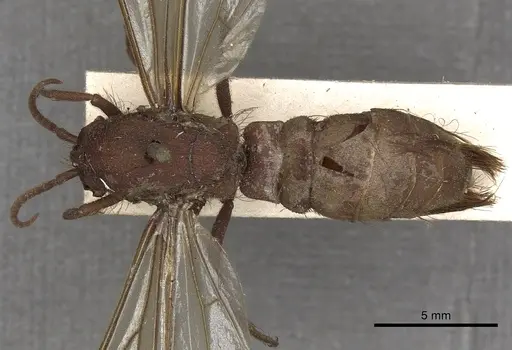
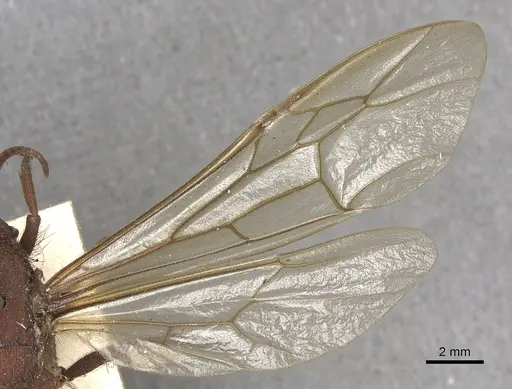
CASENT0901970
View on AntWeb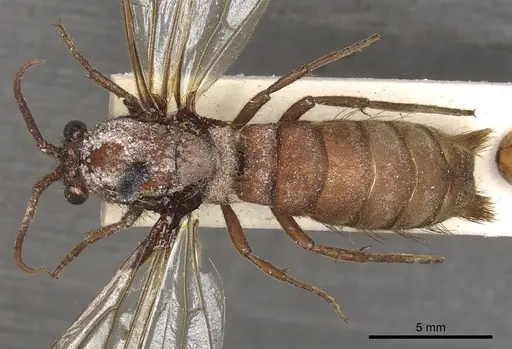
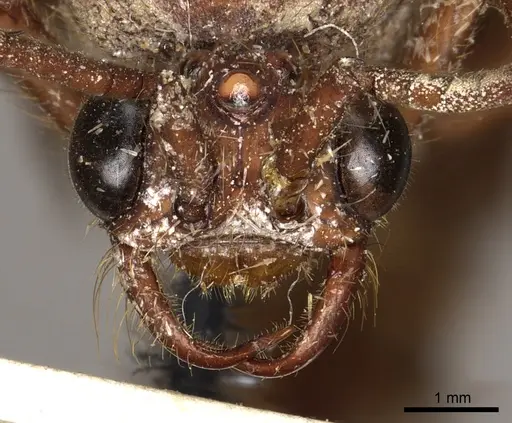
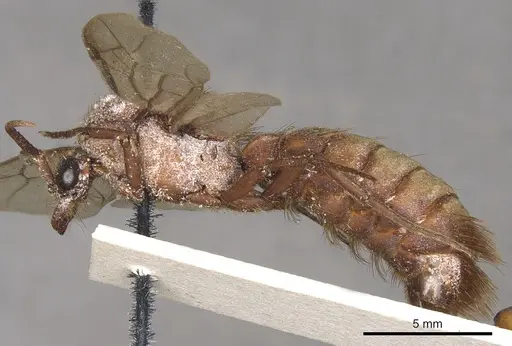
CASENT0902666
View on AntWeb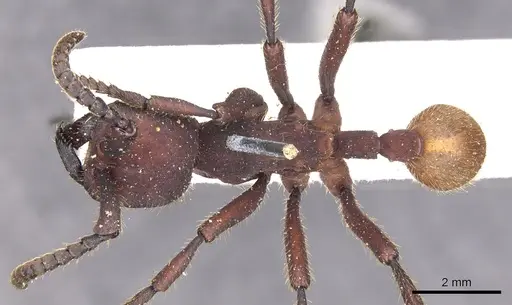
CASENT0902667
View on AntWeb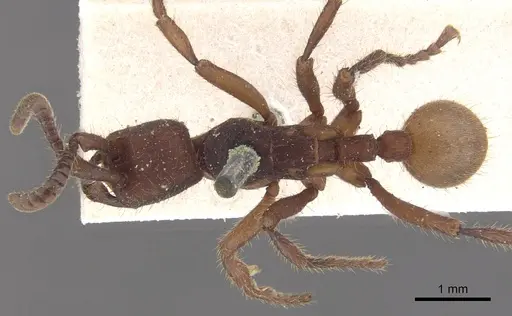
CASENT0911406
View on AntWeb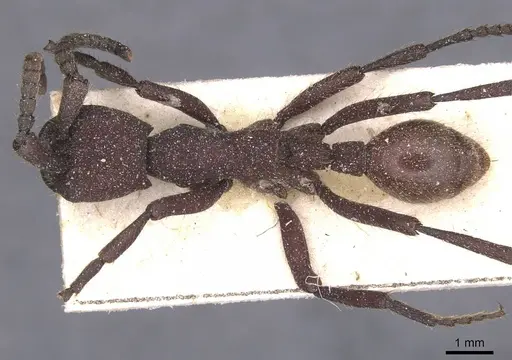
CASENT0911407
View on AntWeb
CASENT0911408
View on AntWeb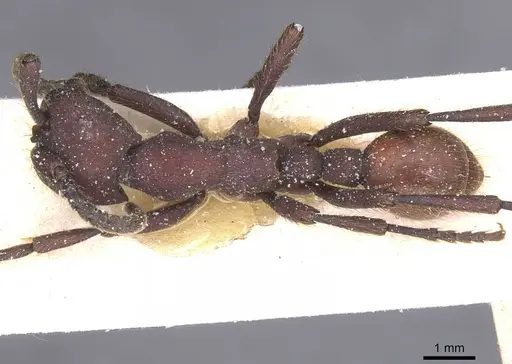
CASENT0911409
View on AntWeb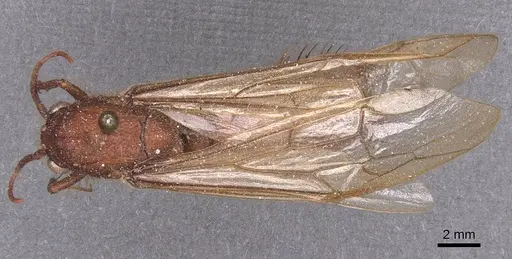
CASENT0911410
View on AntWeb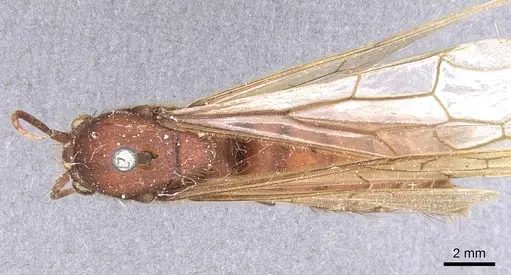
CASENT0911411
View on AntWeb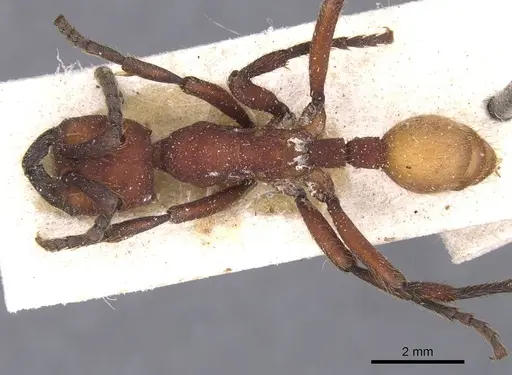
CASENT0911412
View on AntWeb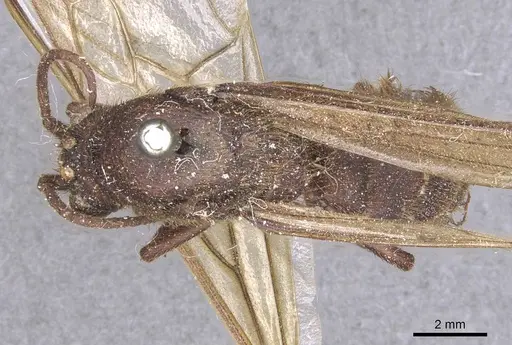
CASENT0911413
View on AntWeb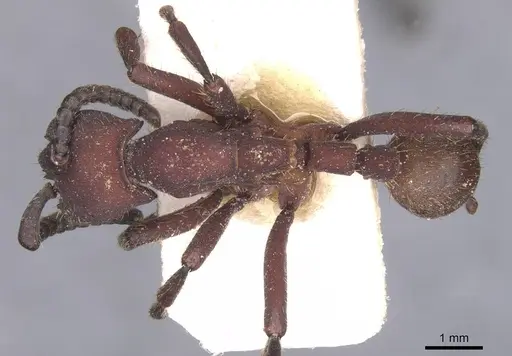
CBUMAGENT41858
View on AntWeb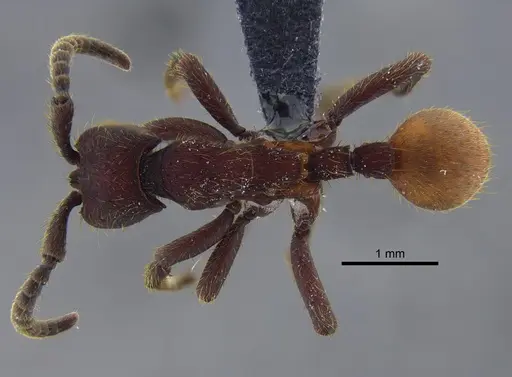
DZUP550219
View on AntWeb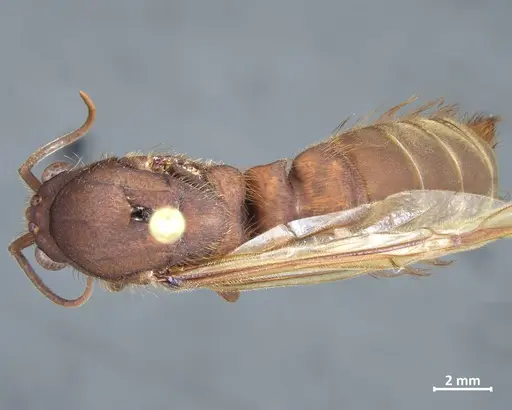
ECOFOG-CSG15-0184-01
View on AntWeb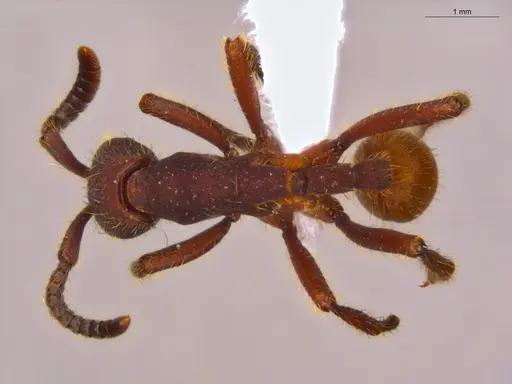
INBIOCRI001283647
View on AntWeb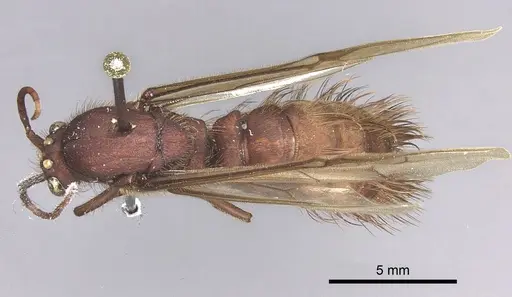
Literature
Loading...Loading products...