

Nesomyrmex vicinus
- Scientific Name
- Nesomyrmex vicinus
- Tribe
- Crematogastrini
- Subfamily
- Myrmicinae
- Author
- Mayr, 1887
- Distribution
- Found in 1 countries
Nesomyrmex vicinus Overview
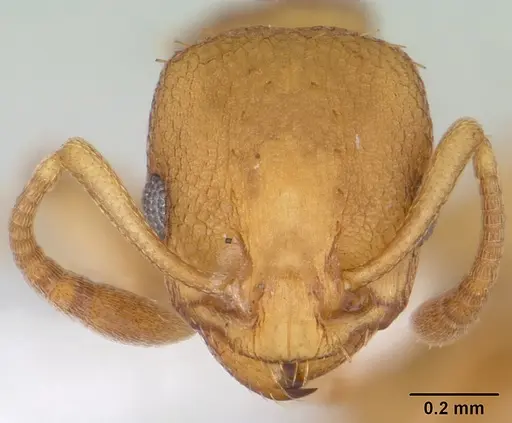
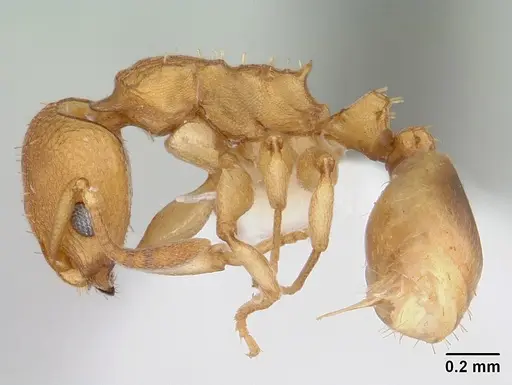
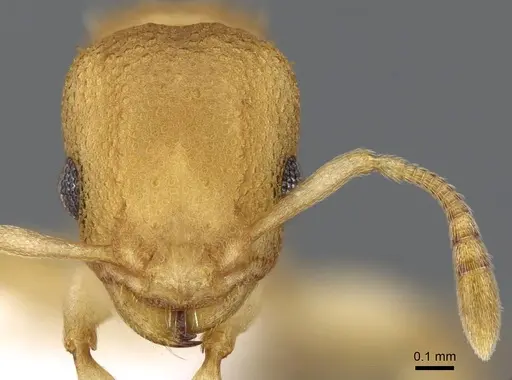
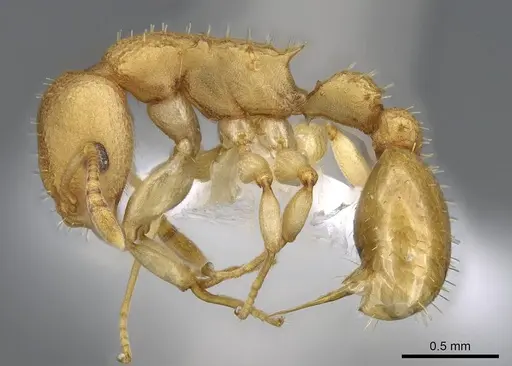
Nesomyrmex vicinus is an ant species of the genus Nesomyrmex. It is primarily documented in 1 countries , including Paraguay. Detailed taxonomic data and occurrence records can be further explored via authoritative databases such as AntWeb or the Global Biodiversity Information Facility (GBIF).
Nesomyrmex vicinus
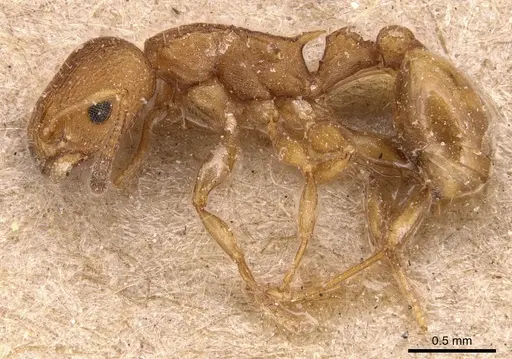
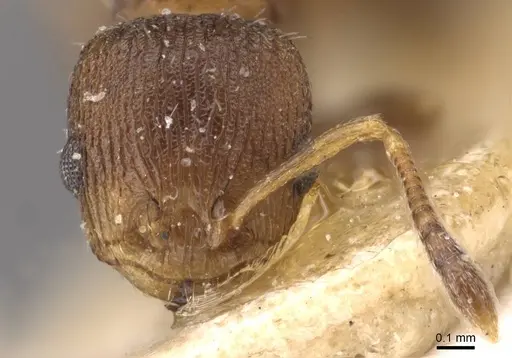
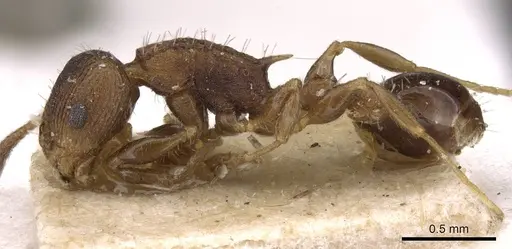
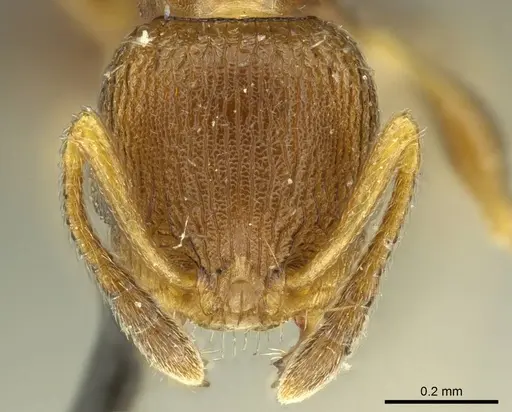
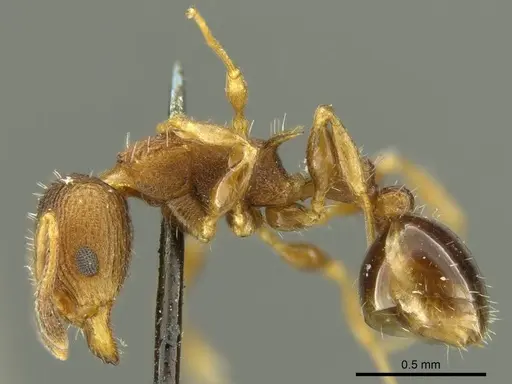
Nesomyrmex vicinus is a small myrmicine ant native to the Neotropical region, found across Mexico, Brazil, Argentina, and Paraguay [1]. Workers are tiny, typically measuring 2-4mm, with the genus characterized by their delicate build and relatively pale coloration. This species was originally described as Nesomyrmex vicinus before being reclassified to Nesomyrmex in 2003. These ants inhabit tropical and subtropical forests, with records from both moist montane forests and semi-arid regions, suggesting good adaptability to varying conditions [2]. The colony sizes remain modest, typically reaching only a few hundred workers, which makes them suitable for smaller colony setups.
Quick Summary
- Difficulty: Easy
- Origin & Habitat: Neotropical region, Mexico, Brazil, Argentina, and Paraguay. Found in moist montane forests and semi-arid tropical regions [2][1].
- Colony Type: Likely monogyne (single queen colonies) based on typical Nesomyrmex patterns. Colony size modest, typically under 200 workers.
- Colony: Monogyne
- Founding: Claustral
- Size & Growth:
- Queen: Estimated 5-7mm based on genus typical size
- Worker: 2-4mm [1]
- Colony: Estimated up to 200-300 workers based on genus patterns
- Growth: Moderate
- Development: Estimated 6-8 weeks at tropical temperatures (24-28°C) based on related Leptothorax species (Development time inferred from genus-level data, specific timing unconfirmed for this species)
- Antkeeping:
- Temperature: Keep at 24-28°C. They tolerate a range from 22-30°C but prefer warm, stable conditions typical of their tropical distribution.
- Humidity: Moderate humidity (60-80%). Keep the nest substrate slightly moist but not waterlogged. Provide a water source via test tube setup.
- Diapause: Unlikely required. As a tropical species, they do not typically undergo hibernation. However, a slight reduction in temperature during winter months (down to 20-22°C) may be beneficial.
- Nesting: Nesomyrmex typically nests in small cavities, under stones, or in rotting wood in nature. In captivity, test tube setups work well, or small acrylic/formicarium nests with tight chambers scaled to their tiny size.
- Behavior: Generally docile and non-aggressive. Workers are small and timid, typically foraging quietly for honeydew and small prey. They are not known to sting and pose no danger to keepers. Escape prevention is important due to their tiny size, they can squeeze through small gaps. They are not escape artists in the traditional sense but require standard barrier precautions.
- Common Issues: tiny size means escapes are possible without fine mesh barriers, limited research means some care aspects are inferred rather than confirmed, slow colony growth compared to faster-growing genera may test beginner patience, wild-caught colonies may carry parasites that are difficult to detect
Housing and Nest Setup
Nesomyrmex vicinus is a small ant that does well in simple test tube setups, which provide the humidity control they need. Use a standard test tube with a cotton ball at one end as a water reservoir, the ants will drink from the condensation and the substrate should stay moist without flooding. For larger colonies, small acrylic nests or Y-tong style formicariums work well. The key is providing chambers scaled to their tiny size, passages should be narrow enough that workers feel secure. Avoid tall, open spaces that can make them feel exposed. A small outworld for foraging completes the setup. Because of their small size, use fine mesh on any ventilation holes to prevent escapes. [1]
Feeding and Diet
Like most Nesomyrmex species, these ants are omnivorous with a preference for sugar sources and protein. Offer sugar water, honey, or diluted maple syrup as a constant energy source. For protein, provide small insects like fruit flies, pinhead crickets, or mealworm pieces. They are not aggressive hunters, so prey should be small and easy to handle. Some colonies will accept commercial ant foods, but live prey is always better for protein. Feed protein 2-3 times per week, and keep sugar water available at all times. Remove uneaten prey after 24 hours to prevent mold.
Temperature and Seasonal Care
As a tropical species from Mexico and South America, Nesomyrmex vicinus prefers warm conditions. Keep the nest area at 24-28°C for optimal brood development. Room temperature (around 22-24°C) is generally acceptable, but colonies will be more active and grow faster in the warmer range. A heating cable on one side of the nest can create a gentle gradient if your room runs cool. Unlike temperate species, they do not require true hibernation. However, a slight seasonal reduction to around 20-22°C during winter months may be natural and can give the colony a rest period. Avoid temperatures below 18°C for extended periods.
Colony Development and Growth
Nesomyrmex colonies grow moderately compared to some faster-growing myrmicines. A newly mated queen will lay her first eggs within a week or two of sealing herself in the founding chamber. The eggs develop through larval and pupal stages over approximately 6-8 weeks at optimal temperature, producing the first workers (nanitics). These first workers are typically smaller than mature workers. Colony growth is steady but not explosive, expect 6-12 months to reach 50 workers, and perhaps 1-2 years to reach 100-200 workers. Patience is key with this species. The queen can live for several years, and established colonies can persist for a long time with proper care.
Behavior and Temperament
These ants are among the more docile species available to keepers. Workers are small, measuring around 2-4mm, and are not aggressive. They will flee rather than fight when threatened. They do not have a functional stinger that can penetrate human skin, so they pose no sting risk. Foraging is quiet and methodical, workers search for honeydew and small prey rather than raiding aggressively. They are not known for any particularly unusual behaviors like slave-making or temporary parasitism. The main behavioral consideration is their small size, which means they can slip through surprisingly small gaps. Standard escape prevention with fluon-coated barriers or fine mesh is sufficient. [1]
Frequently Asked Questions
How long does it take for Nesomyrmex vicinus to produce first workers?
At optimal temperature (24-28°C), expect first workers in approximately 6-8 weeks from the time the queen lays eggs. This is based on related Leptothorax species development patterns, as specific development time for N. vicinus has not been documented.
Can I keep multiple queens together in one colony?
This species is likely monogyne (single queen) based on typical Nesomyrmex patterns. Combining unrelated queens is not recommended as they will likely fight. If you obtain a wild colony, it will typically have just one functional queen.
Do Nesomyrmex vicinus ants sting?
No, these ants are not known to sting humans. Their small size and docile nature mean they pose no danger to keepers. They will simply flee or hide when disturbed.
What temperature range is best for Nesomyrmex vicinus?
Keep them at 24-28°C for best growth and activity. They can tolerate 22-30°C but avoid temperatures below 18°C or above 32°C for extended periods. A gentle temperature gradient in the nest allows workers to choose their preferred zone.
How big do Nesomyrmex vicinus colonies get?
Colony size remains modest, typically reaching 200-300 workers at maturity. This is typical for the genus. They are not supercolonies, expect a small, manageable colony even when fully established.
What do Nesomyrmex vicinus eat?
They are omnivorous. Offer sugar water, honey, or maple syrup as a constant energy source. For protein, provide small insects like fruit flies, small mealworms, or similar tiny prey. Feed protein 2-3 times per week and keep sugar available at all times.
Are Nesomyrmex vicinus good for beginners?
Yes, they are considered an easy species suitable for beginners. They are docile, do not sting, and have modest colony size requirements. The main challenges are their small size requiring good escape prevention and slower growth requiring patience.
Do they need hibernation or diapause?
No, as a tropical species they do not require true hibernation. A slight temperature reduction to 20-22°C during winter months may be beneficial but is not strictly necessary. They remain active year-round at room temperature.
When should I move them from a test tube to a formicarium?
Move to a larger setup when the colony reaches 30-50 workers or the test tube becomes crowded. For Nesomyrmex, a small acrylic nest or Y-tong style formicarium works well. They do not need large spaces, tight, appropriately-sized chambers are better than large open areas.
Why are my ants dying or not growing?
Common causes include: temperature too cold (below 22°C slows development significantly), humidity too dry (substrate should be moist), overfeeding leading to mold, or stress from too much disturbance. Check these basics first. Also ensure escape prevention is adequate, tiny ants can slip out of seemingly sealed setups.
References

This caresheet is licensed under CC BY-SA 4.0 .
CASENT0173997
View on AntWeb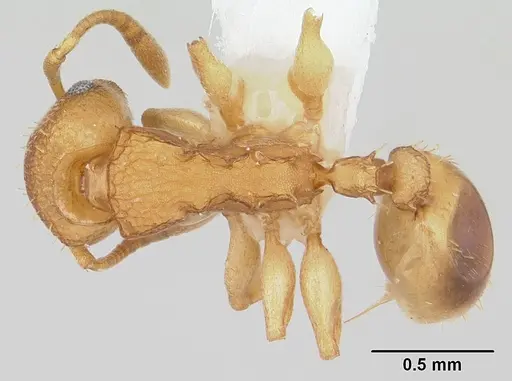
CASENT0246291
View on AntWeb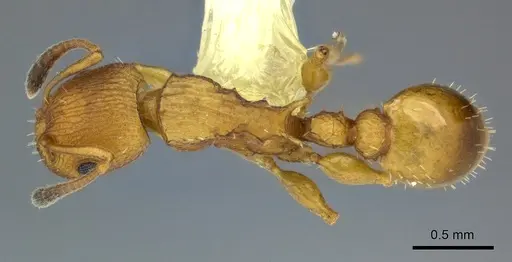
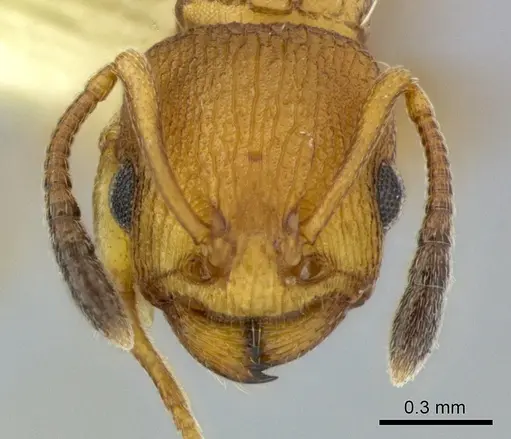
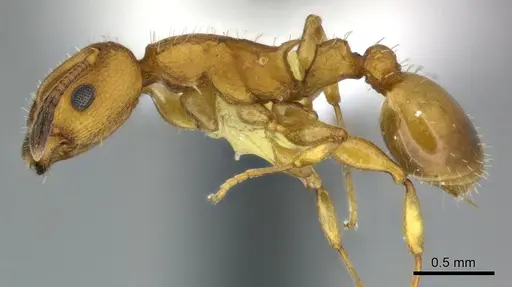
CASENT0904727
View on AntWeb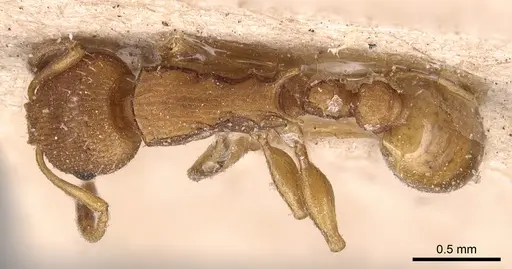
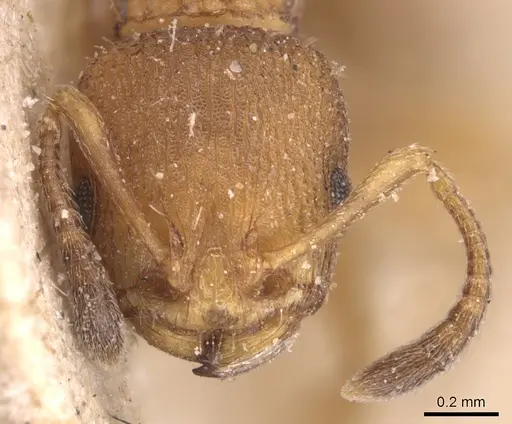
CASENT0909000
View on AntWeb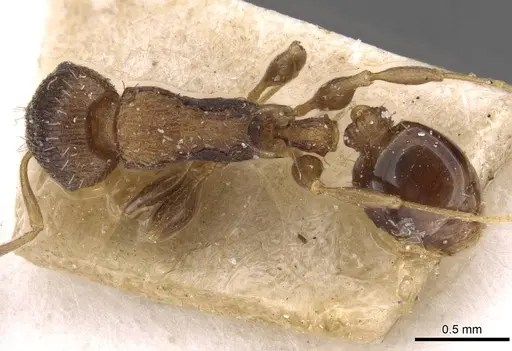
CASENT0919735
View on AntWeb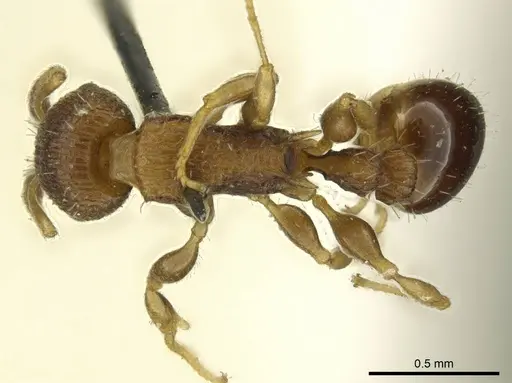
CASENT0922001
View on AntWeb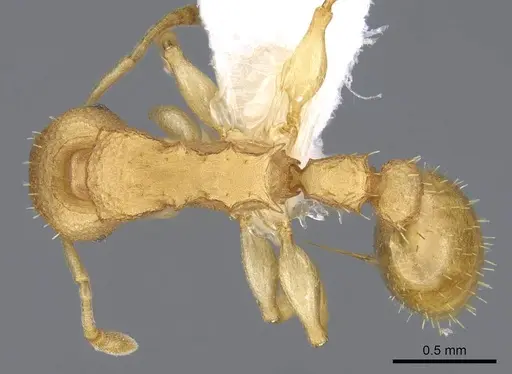
Literature
Loading...Loading products...