

Nesomyrmex vargasi
- Scientific Name
- Nesomyrmex vargasi
- Tribe
- Crematogastrini
- Subfamily
- Myrmicinae
- Author
- Longino, 2006
- Distribution
- Found in 1 countries
Nesomyrmex vargasi Overview
Nesomyrmex vargasi is an ant species of the genus Nesomyrmex. It is primarily documented in 1 countries , including Costa Rica. Detailed taxonomic data and occurrence records can be further explored via authoritative databases such as AntWeb or the Global Biodiversity Information Facility (GBIF).
Nesomyrmex vargasi
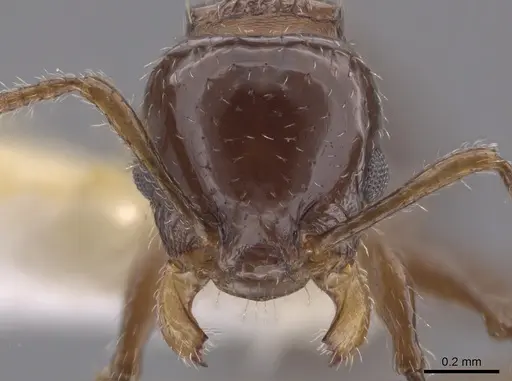
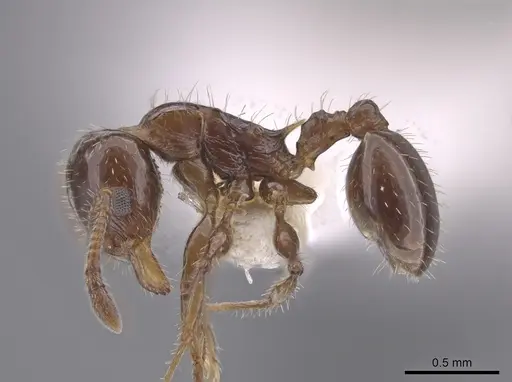
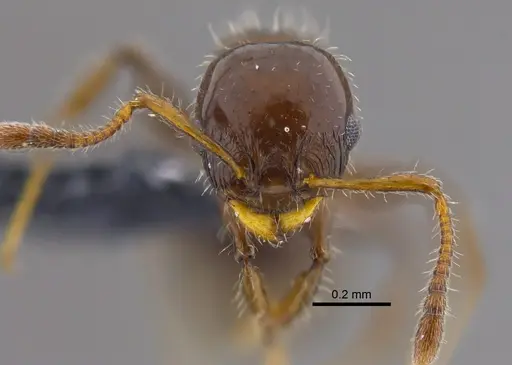
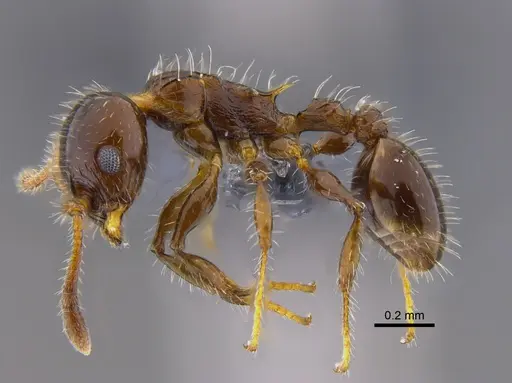
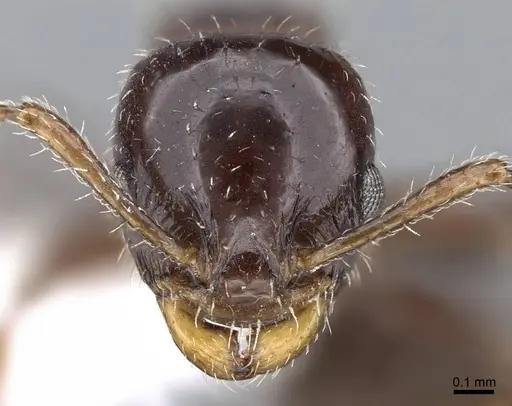
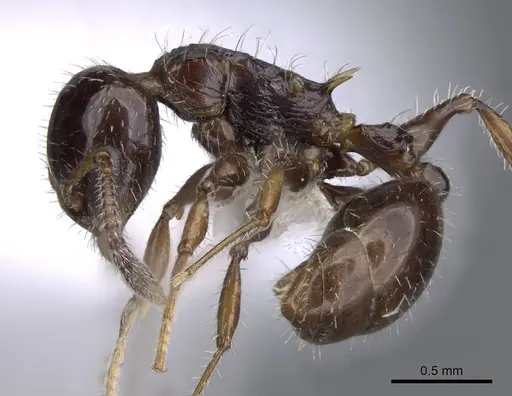
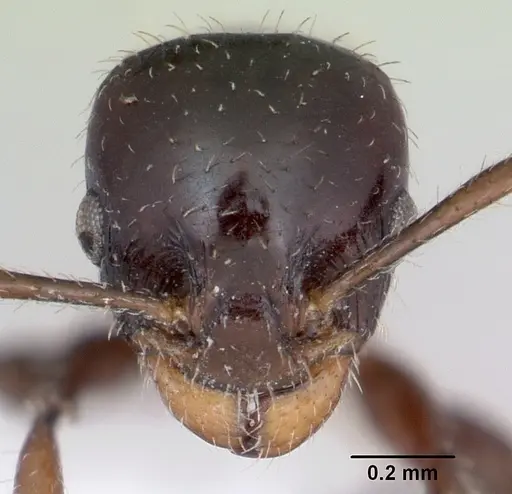
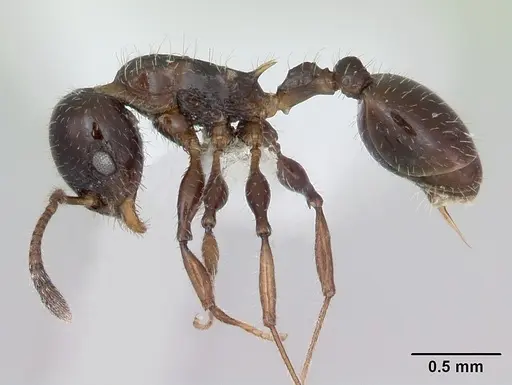
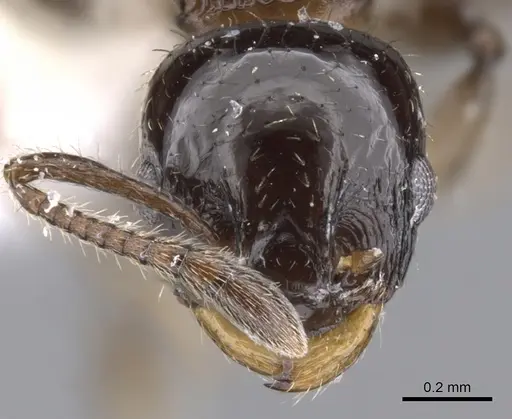
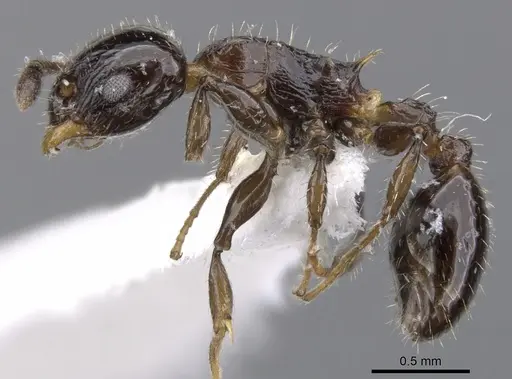
Nesomyrmex vargasi is a small, smooth, and shiny red-brown ant belonging to the Myrmicinae subfamily. Workers measure just 0.70-0.76mm in head length, making them one of the smaller ant species kept in captivity [1][2]. The species is native to Central and South America, found in Costa Rica's mid-elevation wet forests around 1000-1100m elevation, with recent records extending into Colombia's lowland tropical dry forests [1][2]. This ant gets its scientific name from Ronald Vargas C., an ALAS parataxonomist who collected specimens in the 1980s-2000s [1]. The species is parapatric with its close relative Nesomyrmex pleuriticus, meaning they live in different elevation zones without overlapping much, with N. pleuriticus in lowlands below 500m and N. vargasi in higher, wetter areas around 1100m [1][2].
Quick Summary
- Difficulty: Medium
- Origin & Habitat: Costa Rica (Braulio Carrillo National Park, Volcan Barva transect,1000-1100m elevation) and Colombia (lowland tropical dry forest to 1100m). Found in mid-elevation wet forest habitats in Costa Rica, with recent Colombia records showing adaptation to lowland dry forest [1][2].
- Colony Type: Single-queen colonies. The only documented wild colony contained 32 workers with 1 dealate queen [1]. Colony structure is likely monogyne (single queen) based on small colony sizes observed.
- Colony: Monogyne
- Size & Growth:
- Queen: Approximately 6-7mm (estimated from genus patterns, exact measurements not documented in primary literature)
- Worker: 0.70-0.76mm head length,0.64-0.72mm head width [1][2]
- Colony: Up to several hundred workers likely, wild colonies documented at 32+ workers [1]
- Growth: Moderate, estimated based on small worker size and tropical distribution
- Development: Estimated 6-10 weeks at optimal tropical temperatures (24-28°C), based on typical Nesomyrmex and small Myrmicinae development patterns (Direct development data unavailable, estimates based on genus-level inference for small tropical Myrmicinae)
- Antkeeping:
- Temperature: Keep at 22-26°C. This is a tropical species from mid-elevation wet forests, they prefer warm, stable conditions similar to their natural habitat in Costa Rica [1]. Avoid temperatures below 20°C or above 30°C.
- Humidity: High humidity required (70-85%). These ants live in wet forest environments, keep the nest substrate consistently moist but not waterlogged. Provide a water tube or moisture reservoir. Mist occasionally but rely on substrate moisture rather than misting schedules.
- Diapause: No, as a tropical species from Costa Rica and Colombia, they do not require hibernation. Maintain consistent temperatures year-round.
- Nesting: In the wild, colonies nest in small live plant stems (1.25cm diameter melastome vine stem) [1]. In captivity, small test tubes with cotton barriers work well for founding colonies. For established colonies, a small Y-tong (AAC) nest or plaster nest with narrow chambers scaled to their tiny size is ideal. They prefer tight, enclosed spaces.
- Behavior: Workers are small and active, foraging on low vegetation and ground [1][2]. They are not aggressive and likely have a peaceful temperament typical of Nesomyrmex. Escape prevention is critical, at only 0.7mm size, they can squeeze through standard test tube barriers. Use fine mesh and tight-fitting lids. Workers are relatively fast-moving and will explore the outworld actively. They likely form small, stable colonies with moderate activity levels.
- Common Issues: escape prevention is critical, their tiny 0.7mm size means they can slip through standard barriers easily, high humidity requirements can lead to mold if ventilation is poor, small colony size at founding means slow initial growth, patience is needed, test tube flooding can drown colonies if water reservoirs are too large, wild-caught colonies may contain parasites that affect captive survival
Nest Preferences and Housing
Nesomyrmex vargasi nests naturally in small plant stems, the documented colony was found in a 1.25cm diameter live stem of a melastome vine in a treefall gap [1]. This tells you they prefer enclosed, tight spaces rather than open nesting areas. For captive care, start with a standard test tube setup for the founding queen. Use a small test tube (around 15mm diameter or smaller) with a cotton barrier and water reservoir. The queen will need a dark, quiet space to lay eggs and raise her first workers. Once the colony reaches 20-30 workers, you can consider moving to a small formicarium. A Y-tong (AAC) nest with narrow chambers works well, or a small plaster nest that holds moisture. The key is keeping chambers appropriately sized, these are tiny ants, so avoid large open spaces. Provide a small outworld for foraging with a barrier of fluon to prevent escapes.
Feeding and Diet
In the wild, workers forage on low vegetation and in leaf litter on the ground [1][2]. This suggests they are generalist foragers, likely collecting small insects, honeydew, and nectar. In captivity, offer a varied diet: sugar water or honey as an energy source (always available), and protein sources like small fruit flies, pinhead crickets, or mealworm pieces. Since they are small, prey items should be appropriately sized, tiny insects are better than large ones. Feed protein 2-3 times per week for established colonies, with sugar water constantly available. Remove uneaten prey after 24 hours to prevent mold. Their small size means they cannot take down large prey items.
Temperature and Seasonal Care
These ants come from Costa Rica's mid-elevation wet forests where temperatures are warm and stable year-round [1]. Keep your colony at 22-26°C, this is warmer than typical room temperature for many keepers, so you may need a small heating cable or heat mat on one side of the nest to maintain warmth. Create a temperature gradient so ants can choose their preferred zone. Avoid temperatures below 20°C or above 30°C. As a tropical species, they do not require hibernation or diapause. Maintain consistent temperatures throughout the year. The Colombian populations from lowland areas suggest they can tolerate slightly warmer conditions, but the Costa Rican populations from 1000-1100m elevation indicate they prefer not to get too hot.
Humidity and Water Requirements
Nesomyrmex vargasi lives in wet forest habitats in Costa Rica, so high humidity is essential [1]. Keep the nest substrate consistently moist, it should feel damp to the touch but not be waterlogged. A test tube setup with a water reservoir (cotton ball soaked with water) works well for founding colonies. The cotton provides moisture while preventing flooding. For larger setups, use a moisture reservoir or drip system. Mist the nest occasionally, but avoid creating standing water. Good ventilation is important to prevent mold while maintaining humidity, this is a balance you will need to manage. The key is consistent moisture without stagnation.
Behavior and Colony Dynamics
Workers are foragers on low vegetation and ground, suggesting they are active and exploratory [1][2]. The documented colony had 32 workers with a queen and abundant brood, indicating moderate colony sizes [1]. They are likely peaceful ants without aggressive tendencies typical of some Myrmicinae. Their small size (0.7mm workers) means they are vulnerable and may be intimidated by larger ants. In captivity, they will establish foraging trails and explore the outworld actively. They probably have a single queen system based on the single-queen colony observed in the wild. Colony growth will be gradual, expect several months to reach 50+ workers from a founding colony.
Frequently Asked Questions
How long does it take for Nesomyrmex vargasi to produce first workers?
Estimated 6-10 weeks from egg to worker at optimal temperatures (24-28°C). This is based on typical development times for small Myrmicinae ants, as specific development data for this species is not available. The first workers (nanitics) will be smaller than normal workers.
Can I keep multiple Nesomyrmex vargasi queens together?
Not recommended. The documented wild colony had a single queen, and colony structure appears to be monogyne (single queen). Combining unrelated queens has not been studied for this species and could result in fighting.
What size colony does Nesomyrmex vargasi reach?
The only documented wild colony had 32 workers [1]. Based on related Nesomyrmex species and their small size, colonies likely reach several hundred workers at maximum. Expect moderate growth over 1-2 years.
Do Nesomyrmex vargasi ants sting?
They are very small Myrmicinae ants. While they likely have a stinger, it is probably too small to penetrate human skin effectively. They are not considered dangerous to humans.
Are Nesomyrmex vargasi good for beginners?
They are rated as Medium difficulty. They require high humidity and warm temperatures, which can be challenging to maintain consistently. Their tiny size also makes escape prevention important. They are best suited for keepers who have kept at least one other tropical species successfully.
What do I feed Nesomyrmex vargasi?
Offer sugar water or honey constantly for energy. For protein, provide small insects like fruit flies, tiny crickets, or mealworm pieces. Feed protein 2-3 times per week. Remove uneaten prey after 24 hours. Their small size means prey should be appropriately sized.
Do Nesomyrmex vargasi need hibernation?
No. As a tropical species from Costa Rica and Colombia, they do not require hibernation or winter cooling. Maintain warm, consistent temperatures year-round.
When should I move Nesomyrmex vargasi to a formicarium?
Move from test tube to a small formicarium (Y-tong or plaster nest) when the colony reaches 20-30 workers. The key is matching chamber size to colony size, too large a space can stress small colonies. Ensure the new setup maintains high humidity.
Why are my Nesomyrmex vargasi escaping?
Their tiny 0.7mm size means they can squeeze through standard barriers. Use fine mesh (0.5mm or smaller), apply fluon barriers to the outworld, and ensure all lids fit tightly. Check for any gaps in your setup.
References

This caresheet is licensed under CC BY-SA 4.0 .
CASENT0653706
View on AntWeb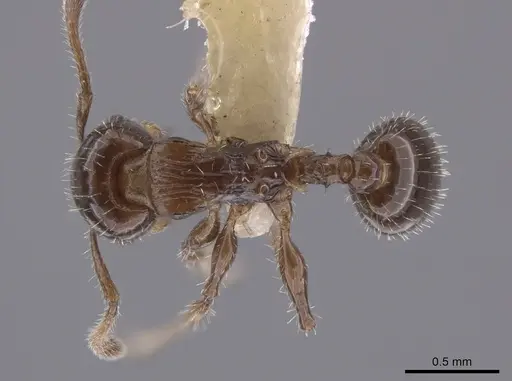
CBUMAGENT41907
View on AntWeb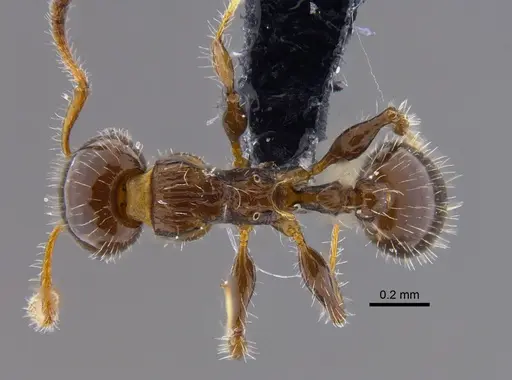
JTLC000008517
View on AntWeb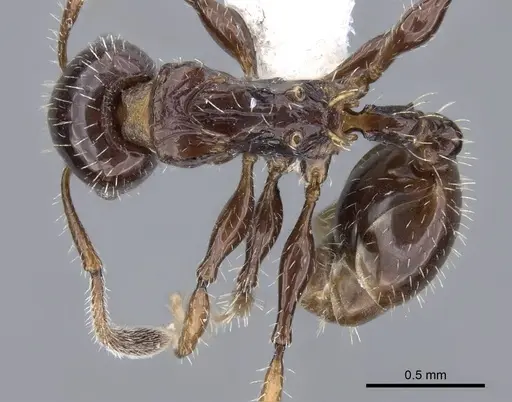
JTLC000008518
View on AntWeb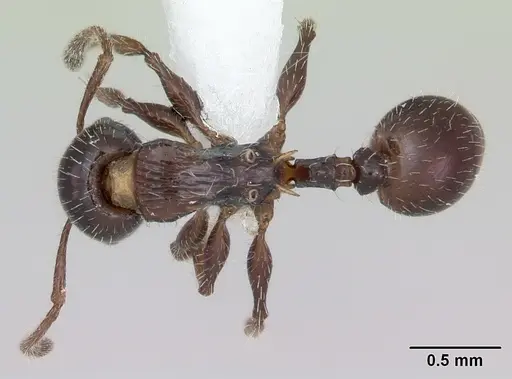
LACMENT144699
View on AntWeb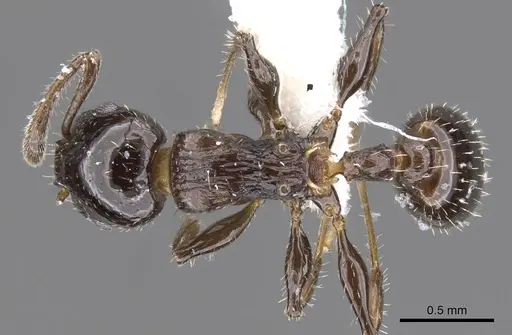
Literature
Loading...Loading products...