

Nesomyrmex tonsuratus
- Scientific Name
- Nesomyrmex tonsuratus
- Tribe
- Crematogastrini
- Subfamily
- Myrmicinae
- Author
- Kempf, 1959
- Distribution
- Found in 5 countries
Nesomyrmex tonsuratus Overview
Nesomyrmex tonsuratus is an ant species of the genus Nesomyrmex. It is primarily documented in 5 countries , including Brazil, Costa Rica, Ecuador. Detailed taxonomic data and occurrence records can be further explored via authoritative databases such as AntWeb or the Global Biodiversity Information Facility (GBIF).
Nesomyrmex tonsuratus
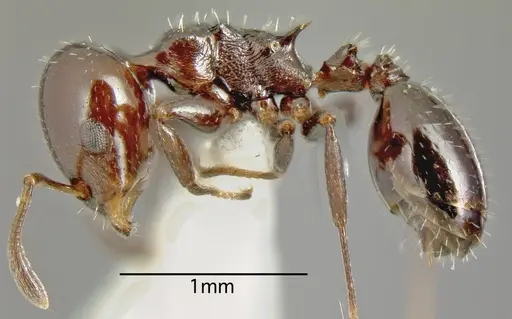
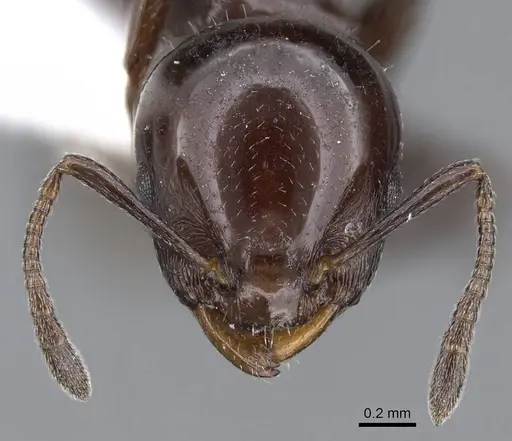
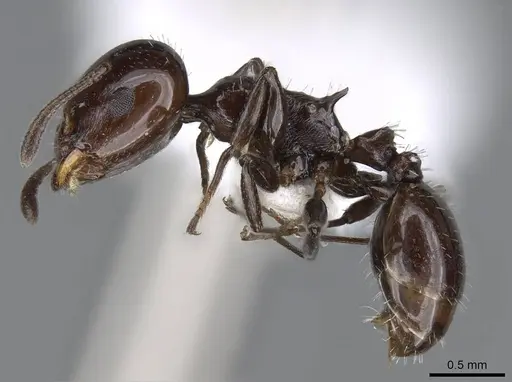
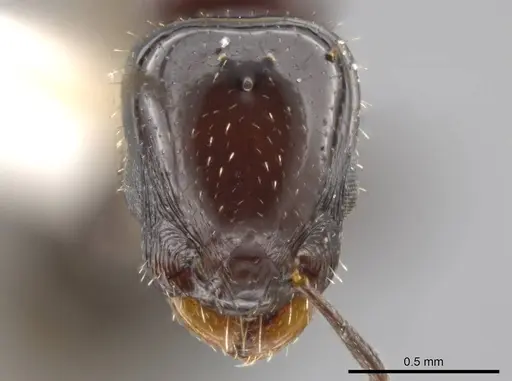
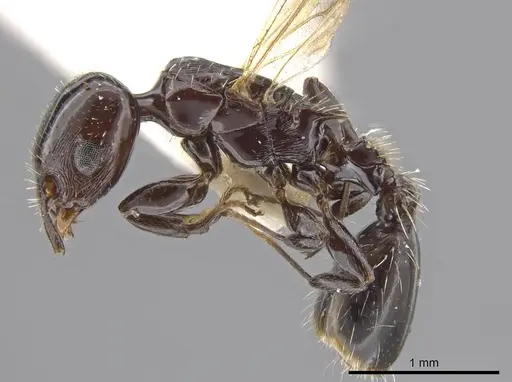
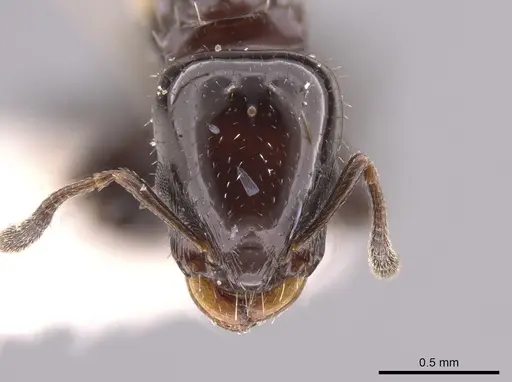
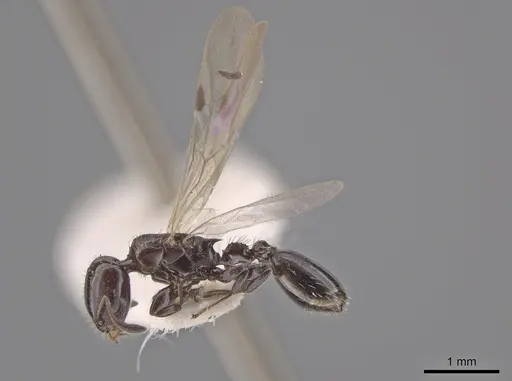
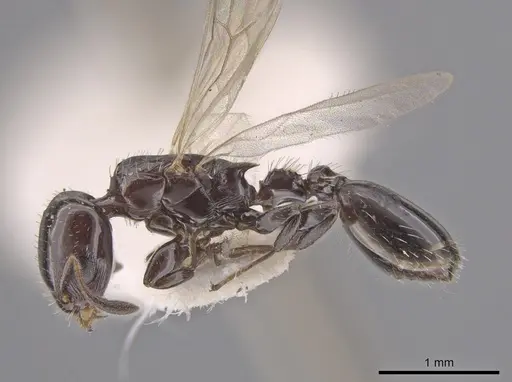
Nesomyrmex tonsuratus is a small, slender ant species belonging to the Myrmicinae subfamily. Workers have a smooth and shiny dorsal surface on the head, with the head being notably longer than the mesosoma (more than 1.1 times). The pronotum lacks a carina at the anterior margin and has rounded humeri, while the postpetiolar node is also smooth and shiny. They possess 11 antennomeres on their antennae [1]. This species is widely distributed across Central and South America, ranging from Mexico down through Costa Rica, Panama, Colombia, Peru, Venezuela, and into Brazil and Ecuador, where they have been collected in Amazonian lowland rainforests using Malaise traps and canopy fogging techniques [1][2]. The species was originally described as Leptothorax (Nesomyrmex) tonsuratus by Kempf in 1959 from Mexico, with the worker described later in 1975 [3].
This is an uncommon species in ant collections despite its wide distribution. In Ecuador, they have been found in pristine Amazonian lowland rainforests at elevations ranging from 129-237 meters [1]. They are classified as ground-stratum ants in Costa Rica inventories, suggesting they may nest in soil or leaf litter rather than high in the canopy despite being collected via fogging [4]. The genus Nesomyrmex includes arboreal and ground-nesting species, and this species appears to bridge these habits based on collection data.
Quick Summary
- Difficulty: Medium
- Origin & Habitat: Tropical Central and South America, Amazonian lowland rainforests in Ecuador, with records from Mexico, Costa Rica, Panama, Colombia, Peru, Venezuela, Brazil, and Trinidad and Tobago. Found in humid forest environments at low elevations (129-237m in Ecuador) [1][2][5].
- Colony Type: Colony structure is unconfirmed. No data on queen number or colony size has been documented in scientific literature.
- Size & Growth:
- Queen: Unconfirmed, not measured in available literature
- Worker: Unconfirmed, worker described by Kempf 1975 but measurements not available in current dataset
- Colony: Unknown, no colony size data available
- Growth: Unknown, no development data available
- Development: Unknown, no direct development data available for this species. Based on typical Myrmicinae patterns in tropical species, estimate 4-8 weeks at optimal temperature. (Development timeline is unconfirmed. Tropical Myrmicinae species typically develop faster than temperate species due to year-round warm conditions.)
- Antkeeping:
- Temperature: Tropical species, aim for 24-28°C. Based on Amazonian rainforest habitat, they prefer warm, stable conditions. A heating cable on one side of the nest can create a gentle gradient if room temperature is below this range.
- Humidity: High humidity required, rainforest species from Amazonian lowlands. Keep nest substrate consistently moist but not waterlogged. Provide a water tube for drinking access. Mist the outworld occasionally and ensure good ventilation to prevent mold while maintaining humidity.
- Diapause: Unknown, as a tropical species, they likely do not require hibernation. However, a slight reduction in temperature during winter months may be beneficial if room temperatures drop significantly.
- Nesting: Likely accepts various nest types. Based on ground-stratum classification and Amazonian habitat, they probably nest in soil or rotting wood. Test tubes, acrylic nests, or plaster nests with moisture reservoirs should work well. Provide leaf litter or decaying wood in the outworld to mimic natural habitat.
- Behavior: Behavior is poorly documented. Based on genus typical patterns, they are likely generalist foragers that scavenge and tend aphids for honeydew. Escape risk is moderate, small ants require standard barrier precautions like Fluon on test tube rims. No documented sting or significant defense mechanisms reported.
- Common Issues: Limited availability, this species is uncommon in the antkeeping hobby and may be difficult to acquire, No established care protocols, most keepers will be pioneering care for this species, Humidity management is critical, rainforest species are sensitive to drying out, Growth and development timeline unknown makes colony management challenging, Wild-caught colonies may have parasites or diseases not yet documented in captivity
Natural History and Distribution
Nesomyrmex tonsuratus occupies a broad range across the Neotropical region, from Mexico through Central America and into South America. The species has been documented in Mexico (Hidalgo and Puebla states), Costa Rica, Panama, Colombia (specifically the Chocó region), Peru, Venezuela, Trinidad and Tobago, and Brazil [6][2][5]. A 2025 study recorded the species for the first time in Ecuador, specifically in Orellana province within the Amazonian lowland rainforest zone [1].
In Ecuador, specimens were collected at elevations between 129-237 meters using two methods: Malaise traps and canopy fogging. This suggests the species is arboreal or at least forages in the canopy layer. However, in Costa Rica inventories, they are classified as ground-stratum ants, indicating they may nest in soil or leaf litter while foraging opportunistically in both strata [4]. The species appears to prefer pristine, humid rainforest environments rather than disturbed areas.
Identification and Morphology
Nesomyrmex tonsuratus can be identified by several diagnostic characteristics. The dorsal surface of the head is smooth and shiny, and notably, the head length exceeds the mesosoma length by more than 1.1 times, a distinctive proportion for this species. The anterior margin of the pronotum lacks a carina (ridge), and the humeri (shoulder corners) are rounded rather than angular. The postpetiolar node is smooth and shiny, and the antenna has 11 antennomeres (segments) [1].
The queen was originally described by Kempf in 1959,and the worker was later described by Kempf in 1975. However, specific measurements are not readily available in the current dataset. As a general guide, Nesomyrmex species are typically small ants, often in the 2-5mm range for workers, though this is an estimate based on genus patterns rather than confirmed data for this specific species.
Housing and Nesting
Based on the species' origin in Amazonian lowland rainforests and their ground-stratum classification in Costa Rica, they likely prefer humid conditions with access to soil or decaying organic material. For captive care, a test tube setup with a water reservoir works well for founding colonies. For established colonies, acrylic nests or plaster nests with moisture chambers maintain humidity effectively.
The outworld should include some substrate (soil or sand) and ideally some leaf litter or small pieces of decaying wood to provide enrichment and mimic their natural forest floor habitat. This is especially important given their likely omnivorous scavenging habits. Ensure the nest area remains consistently moist but avoid waterlogging, as this can drown colonies. [1][4]
Feeding and Diet
The specific diet of Nesomyrmex tonsuratus has not been documented in scientific literature. However, based on typical Nesomyrmex and general Myrmicinae behavior, they are likely omnivorous generalists. They probably consume honeydew from aphids and scale insects, scavenge small dead insects, and may collect seeds.
For captive care, offer a varied diet including sugar water or honey as an energy source, small live insects (fruit flies, pinhead crickets, mealworms) for protein, and occasionally seeds if accepted. Feed small amounts 2-3 times per week and remove uneaten food promptly to prevent mold. Always provide access to fresh water.
Temperature and Seasonal Care
As a tropical species from Amazonian rainforests, Nesomyrmex tonsuratus requires warm, humid conditions year-round. Aim for temperatures in the 24-28°C range. Temperatures below 20°C for extended periods may stress colonies and slow development.
Whether they require a true diapause (winter rest) is unknown. Given their tropical origin, they likely do not need hibernation. However, if room temperatures drop significantly in winter, a slight reduction to around 20-22°C may be appropriate, but active heating is preferable to maintain consistent tropical conditions. [1]
Challenges and Considerations
Nesomyrmex tonsuratus presents several challenges for antkeepers. First, this species is uncommon in the hobby, making acquisition difficult. Second, there is limited scientific data on their specific care requirements, so keepers may need to experiment and adapt based on colony response. Third, as a tropical rainforest species, they require careful humidity management, too dry and colonies will fail, too wet and mold becomes problematic.
Growth rates are unknown, which makes it difficult to predict when colonies will reach maturity. Beginners may find this frustrating compared to species with well-documented development timelines. Additionally, because this species is rarely kept, there is no established community knowledge base to draw upon for troubleshooting problems.
Frequently Asked Questions
How long does it take for Nesomyrmex tonsuratus to develop from egg to worker?
The development timeline is unconfirmed for this species. Based on typical tropical Myrmicinae patterns, estimate 4-8 weeks from egg to first worker at optimal temperature (24-28°C). Without specific data, monitor your colony's growth and adjust conditions accordingly.
What temperature do Nesomyrmex tonsuratus ants need?
As a tropical Amazonian species, they require warm conditions around 24-28°C. Use a heating cable on one side of the nest if room temperature is below this range. Avoid temperatures below 20°C for extended periods.
How big do Nesomyrmex tonsuratus colonies get?
Colony size is unknown, no scientific data exists on maximum colony size for this species. Based on typical Nesomyrmex patterns, colonies likely reach several hundred workers at most, but this is an estimate.
Can I keep multiple Nesomyrmex tonsuratus queens together?
Colony structure is unconfirmed. No data exists on whether they are single-queen (monogyne) or multi-queen (polygyne) species. Until more information is available, it is not recommended to combine unrelated queens.
Do Nesomyrmex tonsuratus ants sting?
Sting capability is not documented for this species. As Myrmicinae, they likely have a stinger but it is probably too small to penetrate human skin effectively. They are not considered dangerous to humans.
What do Nesomyrmex tonsuratus ants eat?
Specific diet is unconfirmed, but they are likely omnivorous generalists. Offer sugar water or honey, small live insects for protein, and seeds. Remove uneaten food promptly to prevent mold.
Is Nesomyrmex tonsuratus good for beginners?
This species is not ideal for beginners. It is uncommon in the hobby, has no established care protocols, and requires specific tropical conditions (high humidity, warm temperatures). The unknown development timeline also makes colony management challenging.
Do Nesomyrmex tonsuratus need hibernation?
Diapause requirements are unknown. As a tropical species from Amazonian rainforests, they likely do not require true hibernation. However, a slight temperature reduction in winter may be appropriate if room temperatures drop significantly.
What type of nest is best for Nesomyrmex tonsuratus?
Based on their ground-stratum classification and rainforest habitat, test tubes with water reservoirs or acrylic/plaster nests with moisture chambers work well. Keep the nest substrate consistently moist but not waterlogged.
Where is Nesomyrmex tonsuratus found in the wild?
They are distributed across Central and South America: Mexico, Costa Rica, Panama, Colombia, Peru, Venezuela, Brazil, and Ecuador. They inhabit Amazonian lowland rainforests at low elevations (129-237m) and have been collected using Malaise traps and canopy fogging.
References

This caresheet is licensed under CC BY-SA 4.0 .
CASENT0636537
View on AntWeb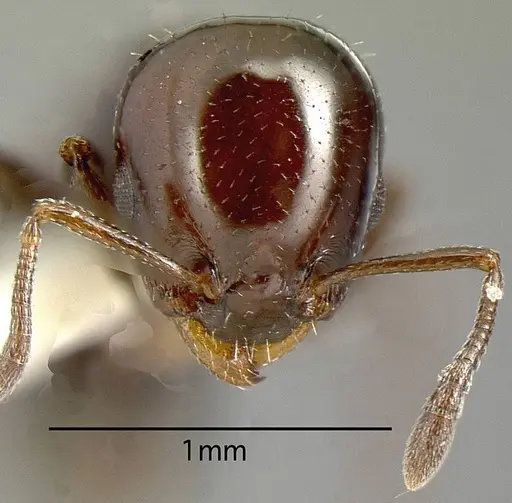
CASENT0914999
View on AntWeb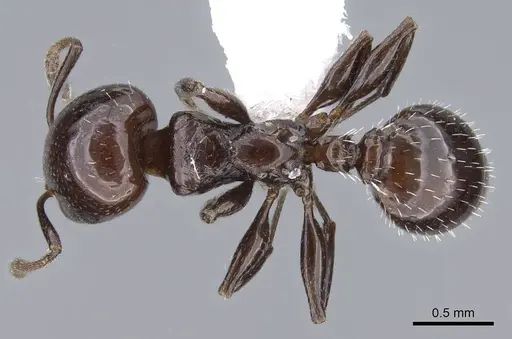
INBIOCRI001800846
View on AntWeb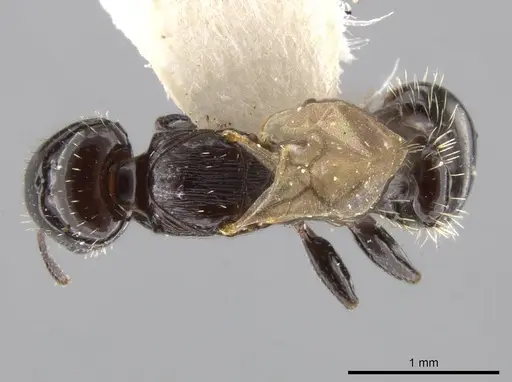
INBIOCRI001800852
View on AntWeb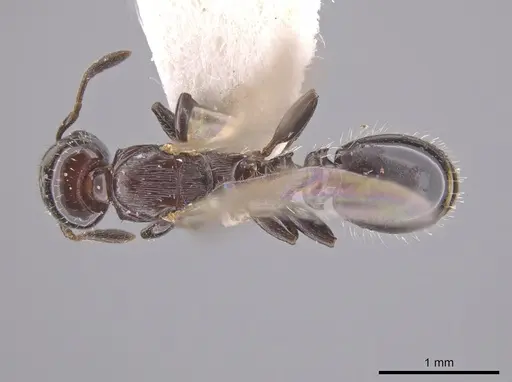
Literature
Loading...Loading products...