

Nesomyrmex tamatavensis
- Scientific Name
- Nesomyrmex tamatavensis
- Tribe
- Crematogastrini
- Subfamily
- Myrmicinae
- Author
- Csősz & Fisher, 2016
- Distribution
- Found in 1 countries
Nesomyrmex tamatavensis Overview
Nesomyrmex tamatavensis is an ant species of the genus Nesomyrmex. It is primarily documented in 1 countries , including Madagascar. Detailed taxonomic data and occurrence records can be further explored via authoritative databases such as AntWeb or the Global Biodiversity Information Facility (GBIF).
Nesomyrmex tamatavensis
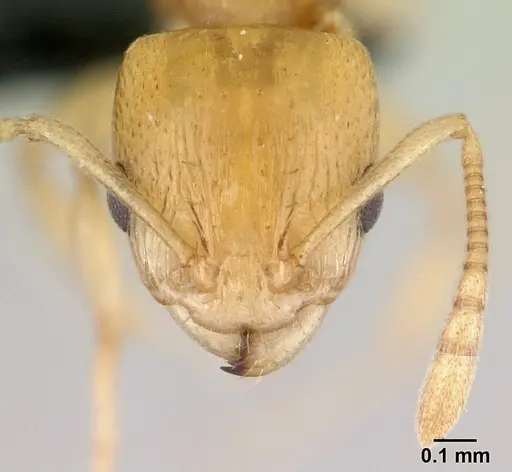
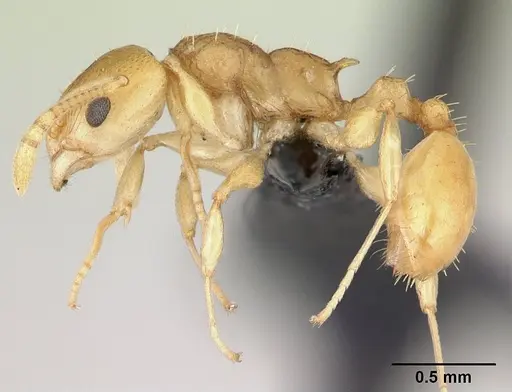
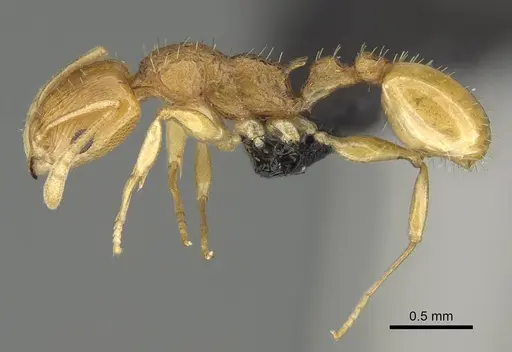
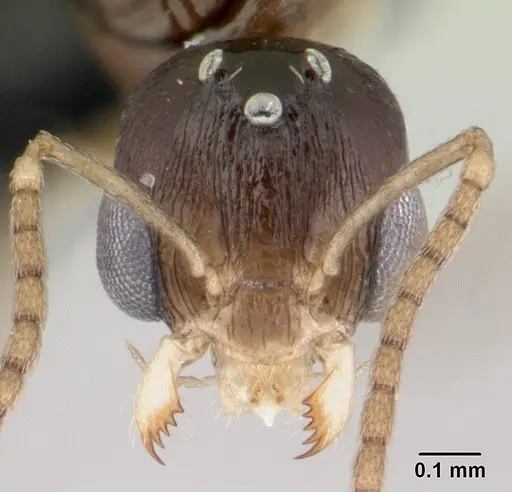
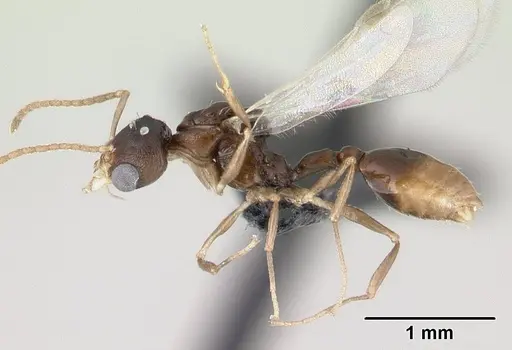
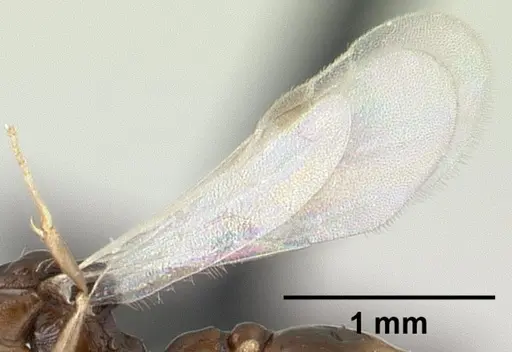
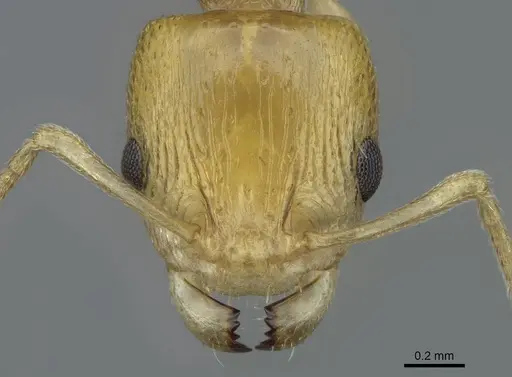
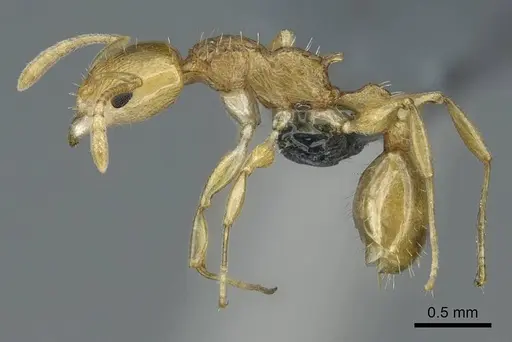
Nesomyrmex tamatavensis is a tiny rainforest ant native to northeastern Madagascar, specifically the Toamasina (Tamatave) region. Workers are small at about 3-4mm with a yellow to brown, concolorous body and distinctive bent propodeal spines. This species belongs to the sikorae species group and was formally described in 2016. In the wild, they nest in dead twigs and small cavities above ground in humid rainforest environments, from sea level up to 1100m elevation. The only known southwestern population lives in an isolated rainforest relic surrounded by dry forest near Analavelona. These ants are peaceful and not aggressive, making them an interesting species for antkeepers seeking something unusual.
Quick Summary
- Difficulty: Medium
- Origin & Habitat: Northeastern Madagascar, primarily the Toamasina region. They live in rainforests from sea level to 1100m elevation, nesting in dead twigs above ground [1][2].
- Colony Type: Likely single-queen (monogyne) colonies based on typical Nesomyrmex behavior. Colony size is unknown but likely small, possibly under 100 workers given their tiny size and twig-nesting habits.
- Colony: Monogyne
- Founding: Claustral
- Size & Growth:
- Queen: Unknown, estimated 5-6mm based on genus patterns
- Worker: Approximately 3-4mm total length (head 0.63-0.75mm) [1]
- Colony: Unknown, estimated under 100 workers based on similar twig-nesting Myrmicinae
- Growth: Moderate, estimated based on typical small ant development
- Development: Estimated 6-10 weeks at optimal temperature based on related species (Development time is estimated from similar small Myrmicinae, actual timeline unconfirmed)
- Antkeeping:
- Temperature: Keep at 22-26°C, they are tropical rainforest ants that need warmth and stability [2]
- Humidity: High humidity required, aim for 70-85%. These ants come from humid rainforest environments and need consistently moist substrate [2]
- Diapause: Unknown, likely minimal or no true diapause given their tropical origin. Some reduction in activity during cooler months may occur.
- Nesting: Provide small, tight chambers. Test tubes with cotton or small acrylic nests work well. They naturally nest in dead twigs, so include small-diameter passages. Keep nest substrate consistently moist but not waterlogged.
- Behavior: Peaceful temperament, these tiny ants are not aggressive and rarely sting. Workers are active foragers but due to their very small size, escape prevention must be excellent. They likely forage for small insects and tend aphids for honeydew. Workers are slender and quick-moving.
- Common Issues: escape prevention is critical, they are very small and can squeeze through tiny gaps, high humidity requirements can lead to mold if ventilation is poor, slow colony growth may cause keepers to overfeed or disturb the nest too often, wild-caught colonies may have parasites that are difficult to detect, small colony size means they are sensitive to disturbance
Housing and Nest Setup
Nesomyrmex tamatavensis requires small-scale housing due to their tiny size. Test tubes work well for founding colonies, use a small diameter tube (around 10-12mm) with a water reservoir secured with cotton. For established colonies, small acrylic nests or ytong nests with narrow chambers and passages are ideal. The nest chambers should be sized appropriately for their small workers, avoid large, open spaces that can make them feel insecure. Provide a small outworld area for foraging. Because they naturally nest in dead twigs above ground, you can also create a naturalistic setup with small twigs or bamboo sections. Escape prevention is critical, use fine mesh barriers and ensure all connections are sealed. Even the smallest gaps will allow these tiny ants to escape. [1][2]
Feeding and Diet
Like most small Myrmicinae, Nesomyrmex tamatavensis likely accepts a varied diet. Offer sugar water or honey as a constant energy source, these ants will readily consume sweet liquids. For protein, provide small live prey such as fruit flies, pinhead crickets, or tiny insects. Given their small size, prey items should be appropriately sized, no larger than they can handle. They may also tend aphids for honeydew in captivity. Feed small amounts of protein 2-3 times per week, and ensure sugar water is always available. Remove any uneaten prey within 24-48 hours to prevent mold. Because they are tiny, it's easy to overfeed, err on the side of smaller portions. [2]
Temperature and Humidity
These are tropical rainforest ants from Madagascar that require warm, humid conditions. Maintain temperatures between 22-26°C, stable warmth is more important than exact numbers. A heating cable on one side of the nest can create a gentle gradient, but ensure the heating element is placed on top of the nest to avoid drying out the substrate. Humidity should be high, around 70-85%. Keep the nest substrate consistently moist but not waterlogged, the substrate should feel damp to the touch. Mist the outworld occasionally but avoid direct misting on the nest. Good ventilation is essential to prevent mold while maintaining humidity. Avoid placing the colony near air conditioning or drafty areas. [1][2]
Colony Development and Growth
Nesomyrmex tamatavensis is a recently described species (2016), and detailed captive breeding data is not available. Based on typical small Myrmicinae development, expect 6-10 weeks from egg to first worker at optimal temperature. The first workers (nanitics) will be smaller than mature workers. Colony growth will be gradual, these are not fast-growing ants. A mature colony likely reaches only 50-100 workers given their natural twig-nesting habitat. Be patient with founding colonies, disturbing them too often can cause queen abandonment. Once established, colonies are relatively hardy but sensitive to sudden environmental changes. Monitor for mold and maintain consistent care routines. [1]
Behavior and Temperament
These ants are peaceful and not prone to biting or stinging. Workers are active and will readily explore their foraging area. Due to their tiny size, they are excellent climbers and will explore vertical surfaces. They are not aggressive toward humans and present no danger. However, their small size means they can be easily crushed if handled carelessly. In the nest, they are relatively quiet and do not exhibit dramatic behaviors. Workers likely use chemical trails to recruit nestmates to food sources. Overall, they are suitable for antkeepers who want a peaceful, low-maintenance species that is interesting to observe. [2]
Frequently Asked Questions
How long does it take for Nesomyrmex tamatavensis to produce first workers?
Estimated 6-10 weeks from egg to first worker at optimal temperature (22-26°C). This is based on typical development times for similar small Myrmicinae species, as specific development data for this species is not available.
What do Nesomyrmex tamatavensis ants eat?
They accept sugar sources (honey, sugar water) and small protein prey like fruit flies, pinhead crickets, or tiny insects. Feed protein 2-3 times per week and keep sugar water constantly available.
Are Nesomyrmex tamatavensis ants aggressive?
No, they are peaceful and not aggressive. They rarely sting and present no danger to keepers. Their small size makes them more likely to flee than to fight.
What temperature and humidity do they need?
Keep them at 22-26°C with humidity around 70-85%. They are tropical rainforest ants that need warm, humid conditions. Maintain consistently moist substrate.
How big do Nesomyrmex tamatavensis colonies get?
Likely under 100 workers based on similar twig-nesting species. They are small ants that naturally live in confined spaces like dead twigs.
Can I keep multiple queens together?
Not recommended, combining unrelated queens of this species has not been documented. They are likely single-queen (monogyne) colonies based on typical Nesomyrmex behavior.
Do they need hibernation?
Unknown, likely no true diapause given their tropical origin. Some reduction in activity during cooler months may occur, but do not force hibernation.
Why are my Nesomyrmex tamatavensis escaping?
Their very small size means they can escape through tiny gaps. Use fine mesh barriers, ensure all connections are sealed, and check for any gaps larger than 1mm.
Is Nesomyrmex tamatavensis good for beginners?
They are rated Medium difficulty. While peaceful and interesting, their small size and high humidity requirements make them better suited for keepers with some experience.
When should I move them to a formicarium?
Wait until the colony reaches at least 20-30 workers. Moving too early can disturb the queen. Test tubes work well for smaller colonies, transition to a small formicarium when the colony is established and active.
References

This caresheet is licensed under CC BY-SA 4.0 .
CASENT0065056
View on AntWeb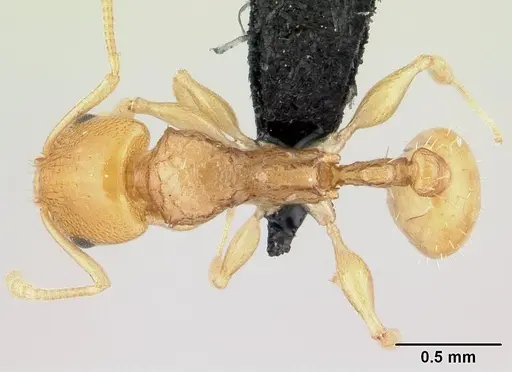
CASENT0179477
View on AntWeb
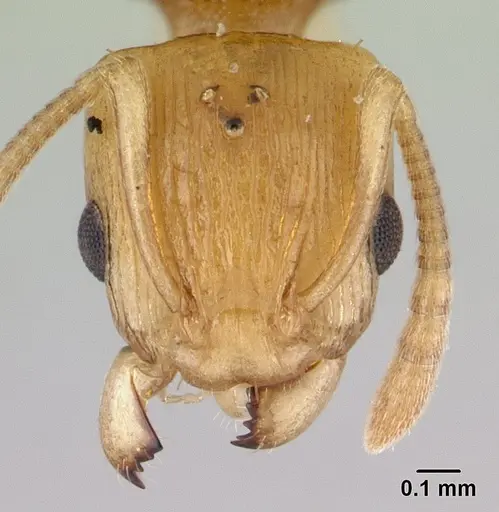
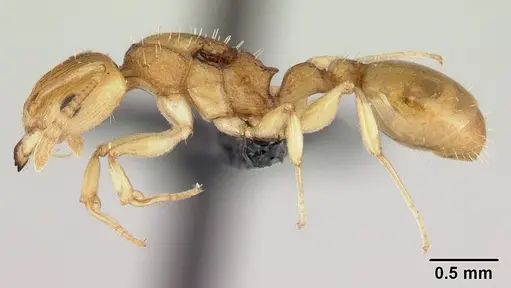
CASENT0496292
View on AntWeb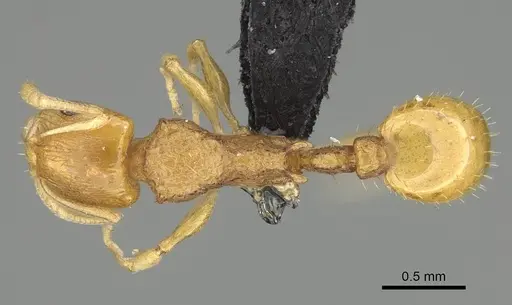
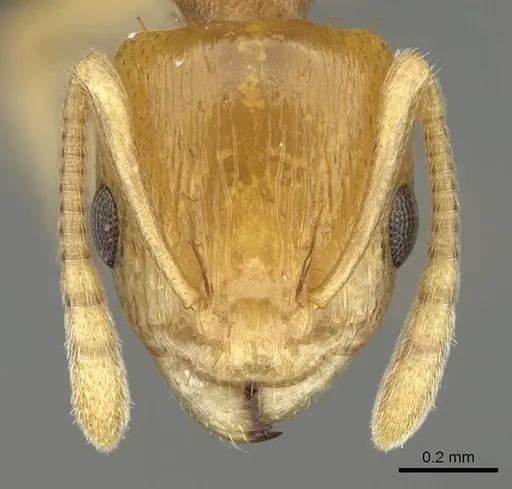
CASENT0496295
View on AntWeb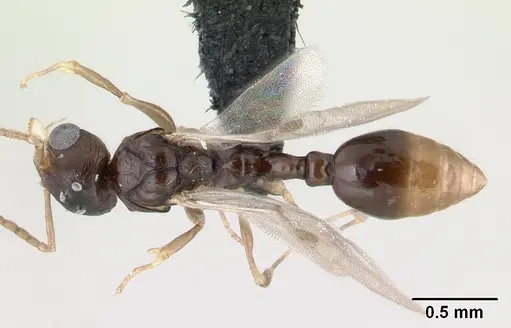
CASENT0840866
View on AntWeb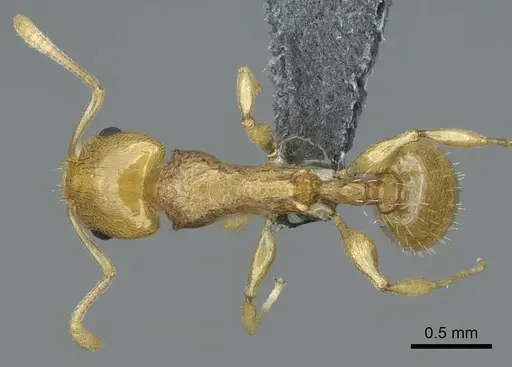
Literature
Loading...Loading products...