

Nesomyrmex reticulatus
- Scientific Name
- Nesomyrmex reticulatus
- Tribe
- Crematogastrini
- Subfamily
- Myrmicinae
- Author
- Csősz & Fisher, 2016
- Distribution
- Found in 1 countries
Nesomyrmex reticulatus Overview
Nesomyrmex reticulatus is an ant species of the genus Nesomyrmex. It is primarily documented in 1 countries , including Madagascar. Detailed taxonomic data and occurrence records can be further explored via authoritative databases such as AntWeb or the Global Biodiversity Information Facility (GBIF).
Nesomyrmex reticulatus
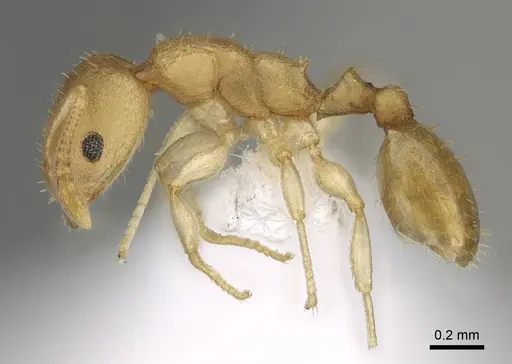
Nesomyrmex reticulatus is a tiny ant species native to Madagascar, belonging to the sikorae species group. Workers measure approximately 2-3mm in length with a distinctive yellow to brown coloration and fine reticulate (net-like) sculpturing across their body, this intricate surface texture is what gives the species its name 'reticulatus' [1]. These ants inhabit dry forests in the lowlands of Madagascar's western and southern coasts, typically found at elevations between 50-130 meters [1][2]. As part of the Nesomyrmex genus, they are small Myrmicine ants that likely nest in small cavities within the forest floor or in rotting wood. This species remains poorly studied in the scientific literature, with most available information derived from morphological descriptions rather than ecological or behavioral observations.
Quick Summary
- Difficulty: Unknown
- Origin & Habitat: Dry forests in lowlands of western and southern Madagascar, elevations 50-130m (mean 94m) [1][2]
- Colony Type: Colony structure is unconfirmed, no published data on queen number or colony organization for this species
- Size & Growth:
- Queen: Undocumented in available literature, estimated 4-5mm based on genus patterns
- Worker: Approximately 2-3mm total body length based on cephalic measurements of 472-545µm [1]
- Colony: Unknown, no colony size data published
- Growth: Unknown, no development studies available
- Development: Unconfirmed, estimated 6-10 weeks based on typical Myrmicinae development at warm temperatures (No direct development data exists for this species. Estimates based on genus-level patterns for small tropical Myrmicinae.)
- Antkeeping:
- Temperature: Likely 24-28°C based on Madagascar lowland dry forest habitat, provide a warm gradient and adjust based on colony activity
- Humidity: Adapted to dry forest conditions, keep nest substrate moderately dry to slightly moist, with some drier areas available
- Diapause: Unlikely, being a tropical Madagascar species, they probably do not require hibernation. Maintain warm conditions year-round.
- Nesting: No specific nesting data exists. Based on genus patterns, they likely prefer small cavities in rotting wood, under bark, or in soil. A small acrylic or Y-tong nest with narrow chambers scaled to their tiny size would be appropriate.
- Behavior: Behavior is unstudied in captivity. Based on typical Nesomyrmex behavior, they are likely relatively docile and non-aggressive. Workers are very small (2-3mm) so escape prevention must be excellent, they can squeeze through tiny gaps. Foraging style is unknown but likely involves ground-level searching for small prey and honeydew.
- Common Issues: very small size makes escape prevention critical, use fine mesh and tight-fitting barriers, no published care information means keepers must experiment with conditions, slow growth and small colony sizes may be frustrating for beginners, wild-caught colonies may have parasites or diseases not yet understood, humidity balance is challenging, too wet can kill them, too dry may prevent brood development
Natural History and Distribution
Nesomyrmex reticulatus is endemic to Madagascar, specifically found in the dry forests along the island's western and southern coasts. These ants inhabit lowland areas at elevations between 50-130 meters, with an average collection elevation of 94 meters [1]. The dry forest habitat suggests they are adapted to seasonal conditions with distinct wet and dry periods. The species was formally described in 2016 by Csösz and Fisher as part of a morphological taxonomy study of the Nesomyrmex sikorae species group [1]. The species name 'reticulatus' refers to the distinctive fine, net-like (reticulate) sculpturing found on various body parts including the vertex and gena [1]. This species remains poorly known, with most specimens collected during general forest surveys rather than targeted ecological studies.
Identification and Morphology
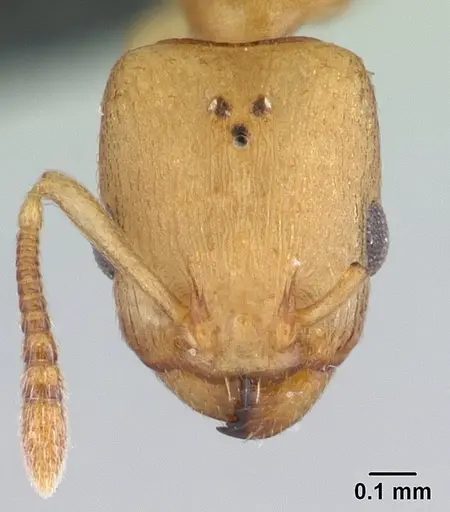
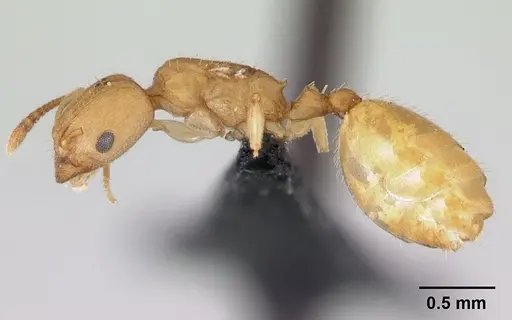
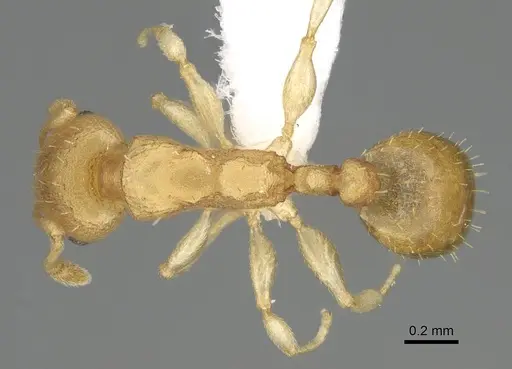
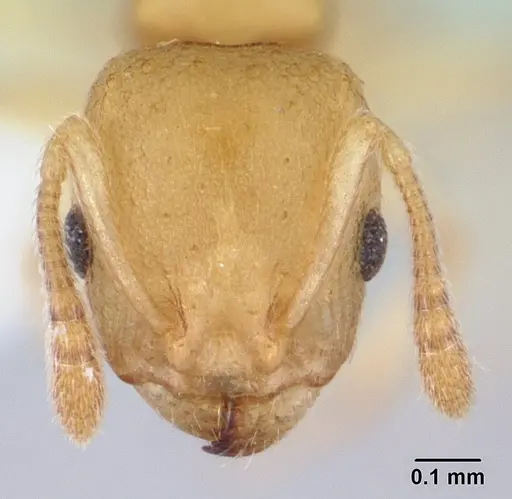
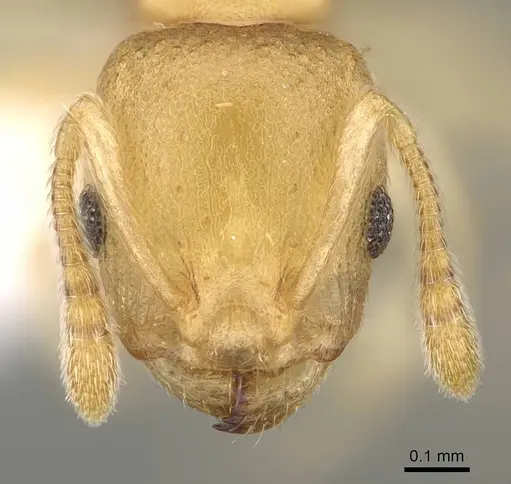
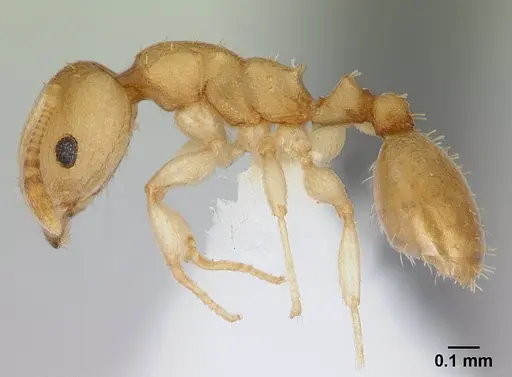
Workers of Nesomyrmex reticulatus are tiny ants measuring approximately 2-3mm in total body length, with a cephalic size (head length) of 472-545µm [1]. Their body coloration ranges from yellow to brown and is concolorous (uniform in color) [1]. The species is characterized by distinctive sculpturing: the head has rugoso-reticulate (wrinkled net-like) sculpture with areolate (small pit-like) ground sculpture, while the mesosoma (middle body section) has areolate ground sculpture overlaid with dispersed rugae (wrinkles) [1]. They possess propodeal spines that are straight, triangular, and blunt [1]. The postpetiole (segment behind the petiole) is relatively wide compared to body size [1]. These morphological features help distinguish them from other Nesomyrmex species in the sikorae group.
Housing and Nesting
Since no specific captive care information exists for this species, keepers must make educated inferences based on the natural habitat and genus patterns. The dry forest environment suggests they prefer moderately dry to slightly moist conditions rather than high humidity. A small acrylic nest or Y-tong formicarium with chambers scaled to their tiny 2-3mm worker size would be appropriate. The chambers should be narrow and tight-fitting, these small ants can easily escape through gaps that would not concern larger species. Use fine mesh (at least 0.5mm) for any ventilation or barrier openings. A small outworld for foraging can be simple since they likely forage for small prey items. Test tube setups may work for founding colonies but monitor for drying, dry forest species can be sensitive to excess moisture.
Feeding and Diet
The specific diet of Nesomyrmex reticulatus has not been documented in scientific literature. As small Myrmicinae ants, they likely function as generalist foragers, consuming small insects, aphids, and honeydew from hemipterans. Based on genus patterns, they probably accept small live prey such as fruit flies, pinhead crickets, or other tiny arthropods. Sugar sources like honey water or sugar water may be accepted, though this should be offered experimentally. Start with small protein offerings (small live or freeze-dried insects) and observe acceptance. Remove uneaten prey after 24-48 hours to prevent mold. Given their tiny size, food items should be appropriately scaled, very small portions of protein and minimal sugar water to avoid drowning risk.
Temperature and Seasonal Care
As a species from the lowland dry forests of Madagascar (50-130m elevation), Nesomyrmex reticulatus likely thrives in warm tropical conditions. Based on the Madagascar lowland habitat, aim for temperatures in the range of 24-28°C, with some variation allowed across the nest to enable thermoregulation. A heating cable on one side of the nest can create a temperature gradient. Being a tropical species, they likely do not require diapause or hibernation, maintain warm conditions year-round. The dry forest habitat suggests they can tolerate drier conditions than many tropical ants, but some moisture should be available. Monitor colony behavior: if workers cluster consistently in warmer areas, increase temperature slightly, if they avoid heated areas, reduce heat.
Behavior and Temperament
Specific behavioral observations for Nesomyrmex reticulatus are not available in the scientific literature. However, Nesomyrmex species generally are not known for aggressive behavior, they are small, relatively docile ants that focus on foraging rather than colony defense. Workers are tiny (2-3mm) and likely forage individually or in small groups rather than forming large raiding parties. Their small size means excellent escape prevention is essential, they can squeeze through remarkably small gaps. Watch for workers exploring beyond the foraging area and seal any potential escape routes. The reticulate sculpturing may serve a defensive or camouflage function, but no specific defensive behaviors have been documented for this species. [1]
Frequently Asked Questions
How long does it take for Nesomyrmex reticulatus to produce first workers?
The egg-to-worker development timeline is unconfirmed for this species. Based on typical Myrmicinae development patterns at warm temperatures (24-28°C), estimate approximately 6-10 weeks from egg to first worker. This is a rough estimate since no specific development data exists for this species.
What do Nesomyrmex reticulatus ants eat?
Their specific diet is undocumented, but as small Myrmicinae ants they likely eat small insects, honeydew, and may accept sugar water. Offer small live prey like fruit flies or tiny crickets, and experiment with honey water or sugar water. Remove uneaten food promptly to prevent mold.
What temperature should I keep Nesomyrmex reticulatus at?
Based on their Madagascar lowland dry forest habitat, aim for 24-28°C. Provide a temperature gradient so the colony can choose its preferred zone. Being tropical, they do not require hibernation, keep them warm year-round.
Are Nesomyrmex reticulatus ants aggressive?
Aggression levels are not documented, but Nesomyrmex species are generally not considered aggressive. They are small, docile ants focused on foraging. However, they may defend their nest if threatened.
How big do Nesomyrmex reticulatus colonies get?
Maximum colony size is unknown, no published colony size data exists for this species. Based on their small worker size and typical Nesomyrmex patterns, colonies likely remain relatively small, possibly under 100-500 workers.
Do Nesomyrmex reticulatus ants sting?
Stinging behavior is not documented for this species. As Myrmicinae ants, they have the anatomical capability to sting but their small size (2-3mm) means any sting would be minimal and unlikely to penetrate human skin. They are not considered dangerous to humans.
Can I keep multiple Nesomyrmex reticulatus queens together?
Colony structure (monogyne vs polygyne) is unconfirmed for this species. No data exists on whether multiple queens can be kept together or how they would interact. Do not attempt combining unrelated queens without documented evidence of acceptance.
References

This caresheet is licensed under CC BY-SA 4.0 .
CASENT0073583
View on AntWeb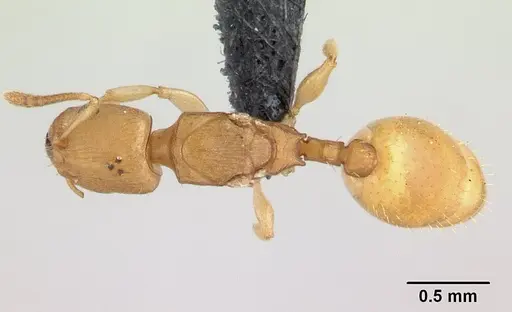
CASENT0418497
View on AntWeb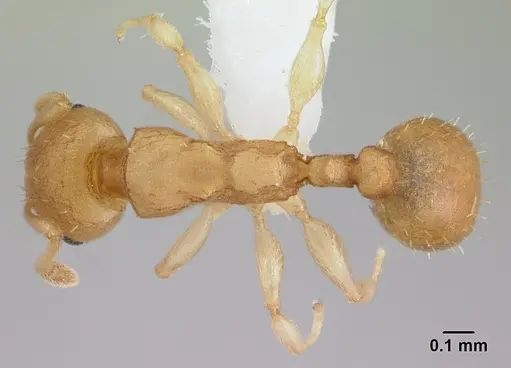
Literature
Loading...Loading products...