

Nesomyrmex pulcher
- Scientific Name
- Nesomyrmex pulcher
- Tribe
- Crematogastrini
- Subfamily
- Myrmicinae
- Author
- Emery, 1917
- Distribution
- Found in 0 countries
Nesomyrmex pulcher Overview
Nesomyrmex pulcher is an ant species of the genus Nesomyrmex. It is primarily documented in 0 countries . Detailed taxonomic data and occurrence records can be further explored via authoritative databases such as AntWeb or the Global Biodiversity Information Facility (GBIF).
Nesomyrmex pulcher
Nesomyrmex pulcher is a small to medium-sized myrmicine ant native to the Amazon region of South America. Workers measure around 1.4mm or larger in Weber's length (WL), making them relatively small ants with distinctive morphological features including a triangular lobe on the mesonotum, sharply angulated humeri, and prominent spines on the petiolar and postpetiolar nodes [1]. The species was originally described from Bolivia and has since been recorded in Ecuador's Amazon lowlands at elevations between 220-480 meters [1]. These ants are arboreal, typically found in forest canopies as evidenced by canopy fogging collection methods [1]. The genus Nesomyrmex belongs to the tribe Crematogastrini and these ants are known for their distinctive appearance with spiny nodes and 12-segmented antennae.
Quick Summary
- Difficulty: Medium
- Origin & Habitat: Amazon basin of Bolivia and Ecuador. Found in tropical lowland rainforests at elevations of 220-480 meters. Collections from Yasuní National Park and Cuyabeno Reserve indicate preference for intact Amazon forest habitats [1].
- Colony Type: Colony structure is unconfirmed. Based on related Nesomyrmex species, likely monogyne (single queen) colonies.
- Founding: Claustral
- Size & Growth:
- Queen: Unconfirmed, no documented queen measurements for this species. Based on worker size (WL ≥1.4mm), queens likely measure 5-7mm.
- Worker: Workers are relatively small at 1.4mm Weber's length (WL) or larger [1].
- Colony: Unknown. Based on typical Nesomyrmex patterns, likely reaches several hundred workers.
- Growth: Moderate, estimated based on related genus patterns.
- Development: 6-10 weeks, estimated based on typical Myrmicinae development at tropical temperatures. (Development timeline is not directly studied for this species. Tropical environment suggests faster development compared to temperate species.)
- Antkeeping:
- Temperature: Keep at 24-28°C, reflecting their Amazon tropical habitat. A gentle gradient is recommended. Room temperature in most homes may be suitable if kept in the low-to-mid 20s°C range.
- Humidity: High humidity required, think humid rainforest conditions. Keep nest substrate consistently moist but not waterlogged. Amazon lowland species need 70-80% humidity.
- Diapause: No, as a tropical species from the Amazon basin, they do not require hibernation. Maintain consistent temperatures year-round.
- Nesting: Arboreal nesting habits suggest they prefer elevated nests. In captivity, a Y-tong (AAC) nest or plaster/formicarium with narrow chambers works well. Provide climbing structures and maintain high humidity. Avoid dry, substrate-heavy setups.
- Behavior: These ants are arboreal and likely form small to medium colonies. Based on related species, they are generally non-aggressive and not known for stinging. Their small size and arboreal nature make them active foragers. Escape prevention is important due to their small worker size, use fine mesh barriers. They likely forage in trees and may accept both sugar and protein sources.
- Common Issues: high humidity maintenance is critical, dry conditions will kill colonies quickly, escape prevention is important due to small worker size, they can squeeze through standard gaps, tropical species are sensitive to temperature drops, avoid cold drafts, limited availability in the antkeeping hobby means established colonies are rare, arboreal nature requires vertical space and climbing structures in captivity
Natural History and Distribution
Nesomyrmex pulcher is native to the Amazon basin of South America, originally described from Bolivia and subsequently recorded in Ecuador. The species has been collected from multiple locations in Ecuador's Amazon region including the Yasuní National Park and the Cuyabeno Reserve, both protected areas in the Amazon lowlands [1]. These ants are arboreal, living in the forest canopy rather than on the forest floor. Collection methods using canopy fogging indicate they inhabit tree environments rather than ground nests [1]. The elevation range of 220-480 meters reflects their preference for lowland tropical rainforest habitats. The species was originally described in 1915 as Temnothorax formosus by Emery, but this name was already preoccupied, leading to the replacement name pulcher in 1917 [2].
Identification and Distinguishing Features
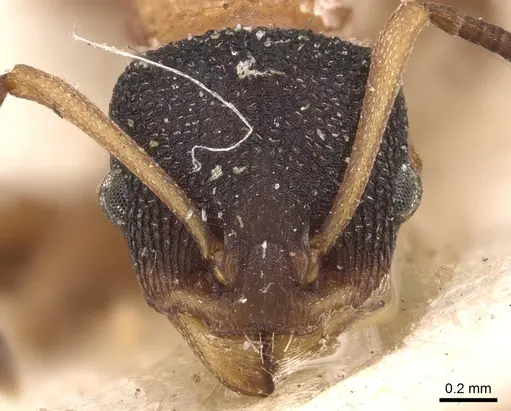
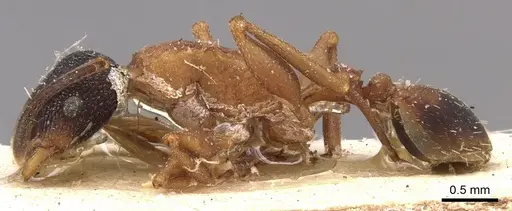
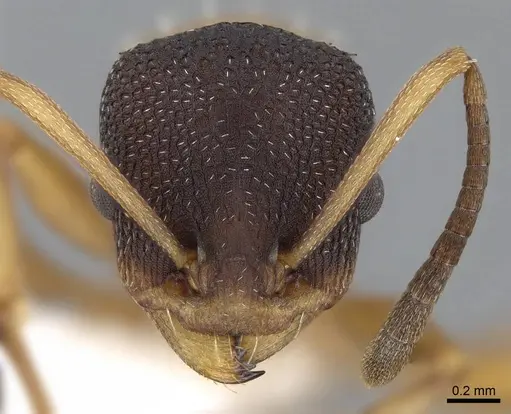
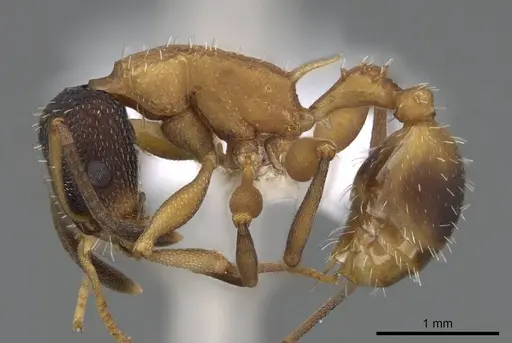
Nesomyrmex pulcher can be identified by several distinctive morphological characters. The mesonotum projects laterally as a triangular lobe, and the mesosoma is strongly constricted both in front and behind this lobe. The humeri (shoulder region) are sharply angulated or even dentate (toothed). The petiolar and postpetiolar nodes have prominent spines or teeth on their posterolateral surfaces. The antennal scapes, when pulled back, surpass the occipital margin (back of the head). This is a relatively large species within the genus, with workers measuring 1.4mm or more in Weber's length, and they have 12-segmented antennae [1]. The species is similar to Nesomyrmex anduzei and N. sculptiventris, but can be distinguished by the triangular mesonotal lobe (versus rounded in N. anduzei) and the deeply constricted mesosoma margins [1].
Housing and Nest Preferences
Based on their arboreal nature and Amazon habitat, these ants require high humidity and warm temperatures in captivity. A Y-tong (AAC) nest or plaster formicarium works well, as these materials can hold moisture effectively. The nest should be kept consistently moist but never waterlogged. Provide a water reservoir or moisture source that allows gradual humidity control. Since they are arboreal, include climbing structures in the outworld such as branches, cork, or artificial plants. This gives them vertical space to forage and mimics their natural canopy-dwelling behavior. Room temperature in the low-to-mid 20s°C is suitable, but avoid placing the nest near air conditioning vents or cold windows. Maintain humidity around 70-80% for optimal health.
Feeding and Diet
As a typical Myrmicinae species, Nesomyrmex pulcher is likely omnivorous, accepting both sugar sources and protein. In captivity, offer sugar water or honey as a carbohydrate source, refreshed every few days. For protein, provide small insects such as fruit flies, pinhead crickets, or mealworms. Since workers are small (around 1.4mm), prey items should be appropriately sized, very small insects or pre-killed pieces work better than large prey. Based on their forest canopy habitat, they may also tend aphids or collect honeydew if provided an opportunity. Feed small amounts initially and observe what the colony accepts, adjusting based on consumption patterns.
Temperature and Seasonal Care
As a tropical Amazon species, Nesomyrmex pulcher does not require hibernation or diapause. Maintain consistent temperatures year-round, ideally between 24-28°C. Temperature drops below 20°C can stress these ants and slow or stop colony development. Avoid placing the nest in air-conditioned rooms or near drafty windows. If your room temperature runs cooler, use a small heating cable on one side of the nest to create a warm zone around 26°C. Monitor colony activity, workers should be actively foraging and caring for brood. If they cluster together and show reduced activity, the temperature may be too low. No seasonal cycling is required for this tropical species.
Colony Development and Growth
The colony development timeline for this species has not been directly studied. Based on typical Myrmicinae patterns in tropical conditions, expect 6-10 weeks from egg to first worker (nanitic). The founding queen will seal herself in a chamber and raise the first brood alone, surviving on stored fat reserves until the first workers emerge. Initial colony growth is slow as the queen can only lay a limited number of eggs. Once the first workers (nanitics) emerge, they will begin foraging and helping to care for subsequent brood, accelerating colony growth. Colonies likely reach several hundred workers over time, though exact maximum size is unknown for this species.
Frequently Asked Questions
How long does it take for Nesomyrmex pulcher to have first workers?
The exact timeline is not documented for this species, but based on typical Myrmicinae development in tropical conditions, expect 6-10 weeks from egg to first worker at optimal temperatures (24-28°C). The claustral queen will seal herself in and raise the first brood alone.
What temperature do Nesomyrmex pulcher ants need?
Keep them at 24-28°C. As an Amazon tropical species, they need consistent warmth year-round. Avoid temperatures below 20°C as this can stress or kill the colony.
Do Nesomyrmex pulcher ants need hibernation?
No, they do not require hibernation. As a tropical species from the Amazon basin, maintain consistent temperatures year-round without seasonal cooling.
What do Nesomyrmex pulcher ants eat?
They are likely omnivorous like most Myrmicinae. Offer sugar water or honey for carbohydrates, and small insects (fruit flies, small crickets, mealworms) for protein. Prey should be appropriately sized for their small worker size.
Are Nesomyrmex pulcher ants good for beginners?
This species is rated as Medium difficulty. While not the most challenging species, they do require specific conditions, high humidity and warm temperatures that mimic their Amazon habitat. They are also rarely available in the hobby.
How big do Nesomyrmex pulcher colonies get?
The maximum colony size is not documented, but based on related Nesomyrmex species, colonies likely reach several hundred workers over time.
Do Nesomyrmex pulcher ants sting?
Based on related species, they are not known for being aggressive or having a painful sting. Their small size makes any sting negligible to humans.
What type of nest is best for Nesomyrmex pulcher?
A Y-tong (AAC) nest or plaster formicarium works well. These materials hold humidity effectively, which is critical for this Amazon species. Include climbing structures in the outworld to accommodate their arboreal nature.
Where is Nesomyrmex pulcher found in the wild?
They are native to the Amazon basin, originally described from Bolivia and also found in Ecuador. They inhabit tropical lowland rainforests at elevations of 220-480 meters, living in the forest canopy [1].
Can I keep multiple Nesomyrmex pulcher queens together?
The colony structure is not well documented for this species. Based on typical Nesomyrmex patterns, they likely form single-queen colonies. Combining unrelated queens is not recommended without documented evidence of pleometrosis in this species.
References

This caresheet is licensed under CC BY-SA 4.0 .
CASENT0904723
View on AntWeb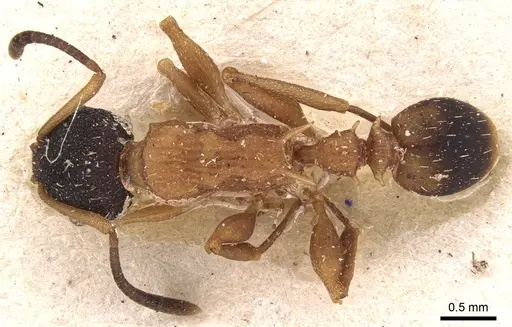
CASENT0914996
View on AntWeb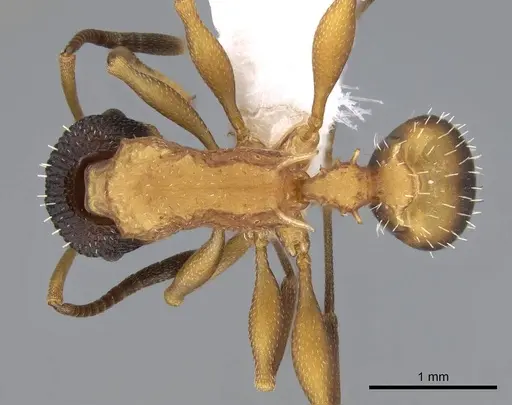
Literature
Loading...Loading products...