

Nesomyrmex pittieri
- Scientific Name
- Nesomyrmex pittieri
- Tribe
- Crematogastrini
- Subfamily
- Myrmicinae
- Author
- Forel, 1899
- Distribution
- Found in 5 countries
Nesomyrmex pittieri Overview
Nesomyrmex pittieri is an ant species of the genus Nesomyrmex. It is primarily documented in 5 countries , including Colombia, Costa Rica, Mexico. Detailed taxonomic data and occurrence records can be further explored via authoritative databases such as AntWeb or the Global Biodiversity Information Facility (GBIF).
Nesomyrmex pittieri
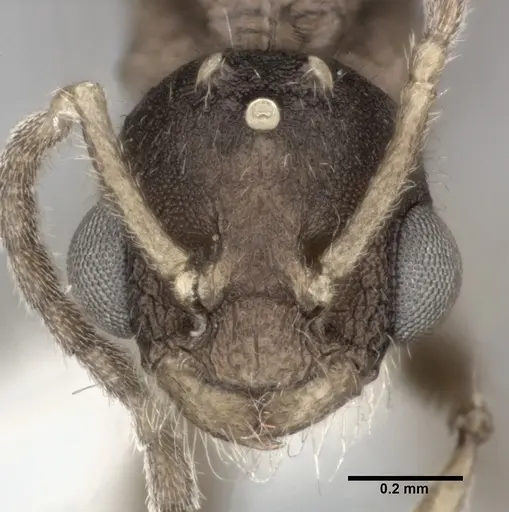
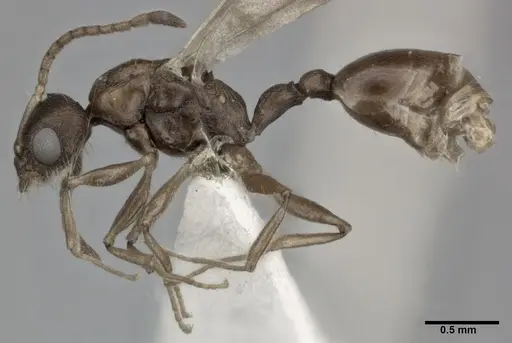
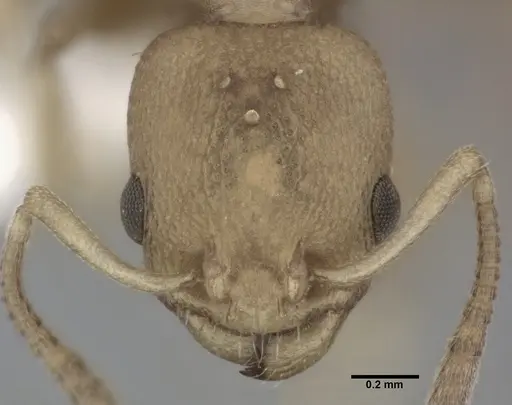
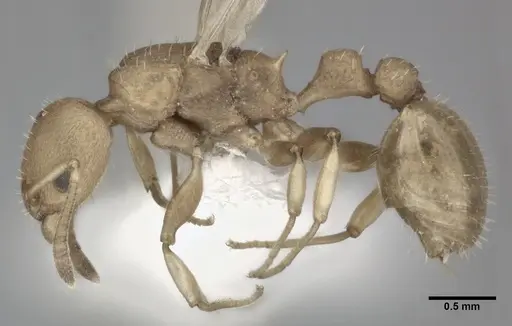
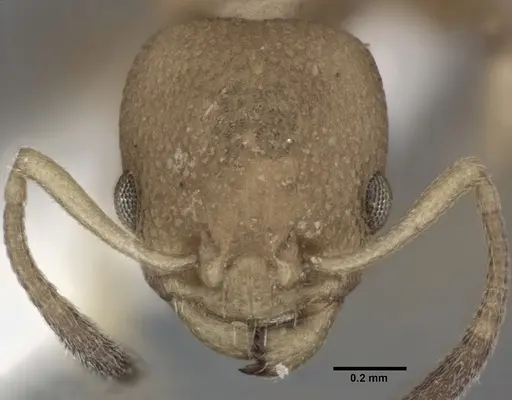
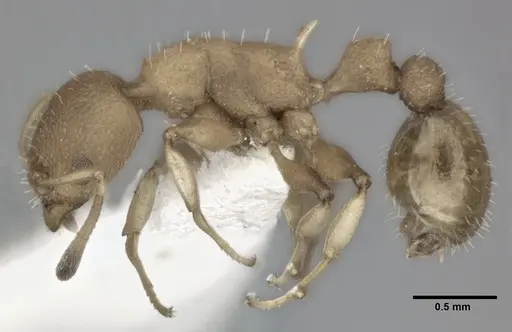
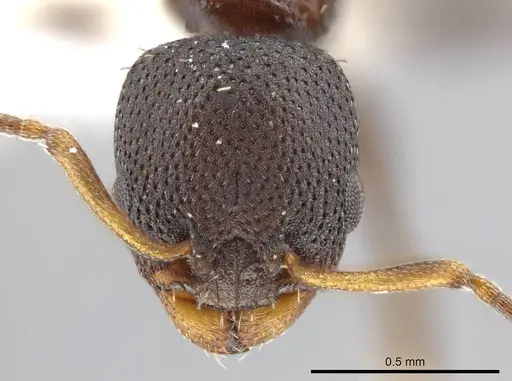
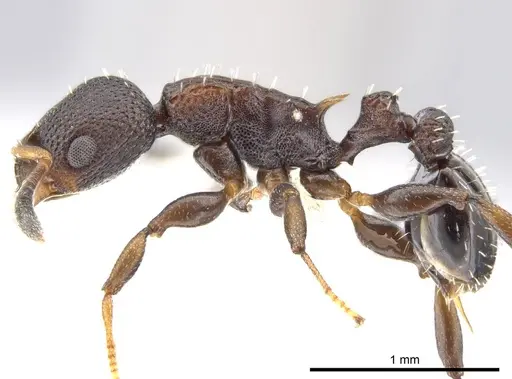
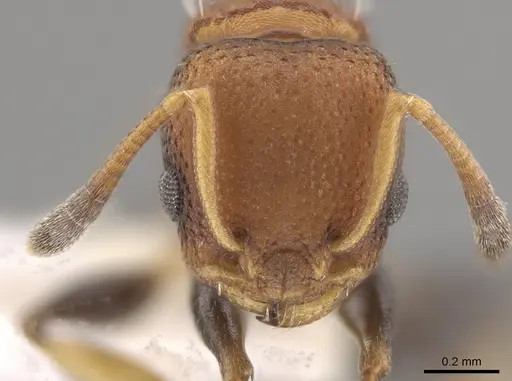
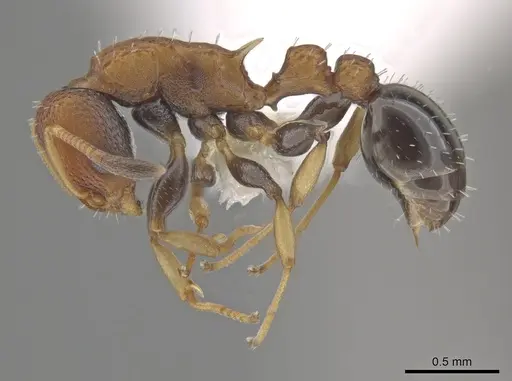
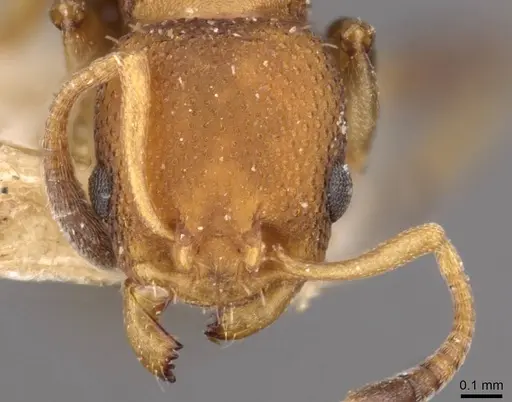
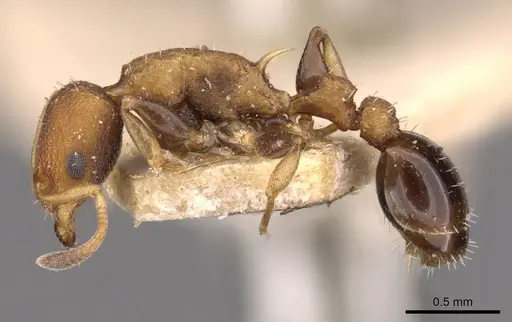
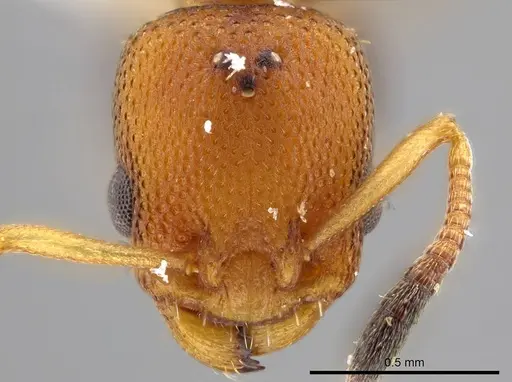
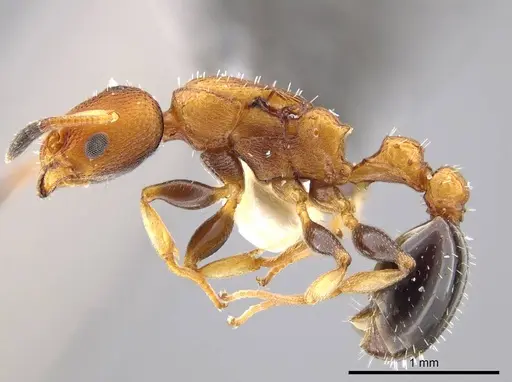
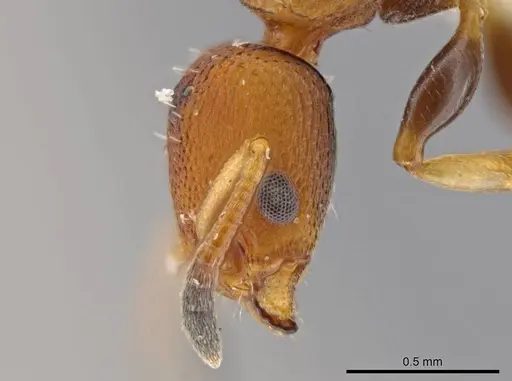
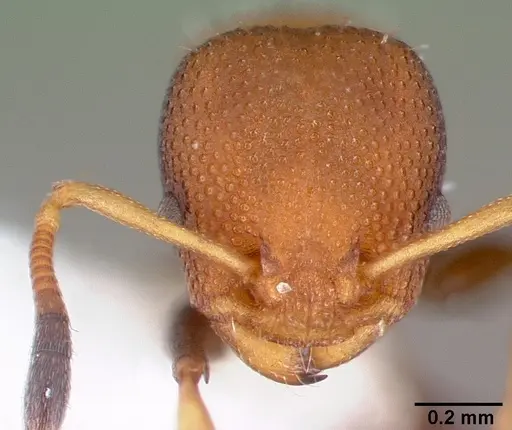
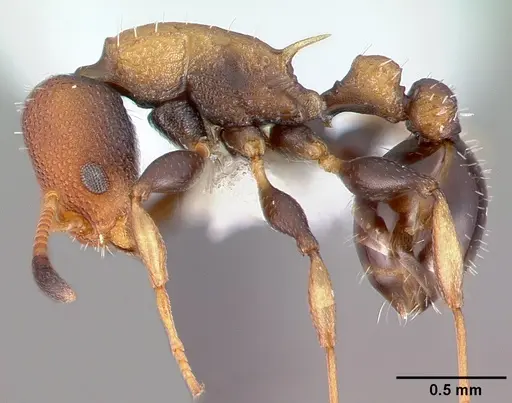
Nesomyrmex pittieri is a small arboreal ant species native to the Neotropical region, found across Colombia, Costa Rica, Guatemala, Honduras, Mexico, Nicaragua, Panama, and Trinidad and Tobago [1]. Workers are tiny, measuring around 0.81mm in head length with distinctive features including wide, deep foveae (pits) on the dorsal surface of the head, curved antennal scapes that do not reach the posterior margin of the head, and propodeal spines as long as the distance between their tips [1][2]. Coloration varies considerably across their range, from reddish brown to dark in Colombian populations, while Ecuadorian specimens show mixed yellowish-brown tones [1][2].
This species is arboreal, meaning it nests in plant cavities and forages in vegetation rather than on the ground [3]. They are not aggressive and forage solitarily, making them a relatively calm species to keep [3]. As a satellite species in their native ecosystem with small colony sizes (typically single colonies of just a few workers), they represent an unusual and somewhat challenging species for antkeeping [4].
Quick Summary
- Difficulty: Medium
- Origin & Habitat: Neotropical region spanning Mexico through Colombia and into Trinidad and Tobago. Found in tropical dry forest, premontane forest, and pristine rainforest biomes including the Chocó region of Ecuador [1][2]. They are arboreal ants that live in plant cavities and are collected from vegetation through manual sampling and canopy fogging [3][1].
- Colony Type: Likely monogyne (single queen) based on small colony sizes observed in the wild. Satellite species status with very small colonies suggests simple colony structure [4]. Ergatoid replacement reproductives have not been documented for this species.
- Size & Growth:
- Queen: Undescribed in primary literature, estimated 4-5mm based on genus patterns
- Worker: Approximately 3-4mm total length based on measurements (HL 0.81mm, WL 0.98mm) [1]
- Colony: Small, satellite species with mean colony size of 1.0 and maximum of 1 worker per colony in one study [4]. Likely under 100 workers in mature colonies.
- Growth: Slow to moderate, small colony size suggests slower development
- Development: Estimated 6-10 weeks based on typical Myrmicinae development in tropical conditions (Direct development data unavailable, estimate based on related Nesomyrmex species and tropical Myrmicinae patterns)
- Antkeeping:
- Temperature: Keep at 22-26°C, tropical species requiring warm, stable conditions. Room temperature within this range is acceptable, avoid temperatures below 20°C.
- Humidity: Moderate to high, arboreal species from humid tropical forests. Keep nest substrate slightly moist but not waterlogged. Provide a humidity gradient by misting one area of the outworld.
- Diapause: No, tropical species does not require hibernation. Maintain warm conditions year-round.
- Nesting: Arboreal cavity-nester. Provide vertical or diagonal nesting options that mimic plant stems and cavities, cork bark setups, bamboo sections, or acrylic nests with narrow chambers. They prefer enclosed spaces with minimal light exposure.
- Behavior: Docile and non-aggressive. Workers forage solitarily rather than in groups [3]. They are small but not particularly escape-prone compared to some tiny ants, they stay within the nest structure more than wandering. However, their small size means fine mesh barriers are still recommended. As arboreal ants, they will explore vertically and may utilize any elevated foraging areas.
- Common Issues: small colony sizes mean slow population growth, beginners may lose patience, tropical humidity requirements can lead to mold if ventilation is poor, arboreal nesting means they need vertical space and appropriate cavity setups, wild-caught colonies may be difficult to establish due to their satellite species status, solitary foraging means food discovery may be slower, ensure feeding stations are accessible
Nest Preferences and Housing
Nesomyrmex pittieri is an arboreal species that naturally nests in plant cavities, hollow stems, and similar enclosed spaces found in vegetation [3]. In captivity, they do best with nesting options that mimic these conditions. Cork bark setups work well, as do bamboo sections or acrylic nests designed with narrow, enclosed chambers. They prefer their nest to be positioned vertically or at an angle rather than horizontally. Because they are small and from humid tropical environments, the nest material should retain some moisture without becoming waterlogged. Avoid open-top formicariums, these ants prefer dark, enclosed spaces and will not thrive in bright, exposed nests. A small outworld connected to the nest allows for foraging while maintaining the dark nest environment they prefer.
Feeding and Diet
As a small Myrmicinae species, Nesomyrmex pittieri likely has a typical omnivorous diet. They probably consume small insects, honeydew from aphids and scale insects, and may accept sugar sources. In captivity, offer small protein sources such as fruit flies, pinhead crickets, and mealworm pieces. Since they are small and not aggressive foragers, prey items should be appropriately sized, no larger than they can handle. Sugar water, honey, or commercial ant sweets can be offered as carbohydrate sources. Feed small amounts every 2-3 days and remove uneaten food promptly to prevent mold in the humid enclosure. Their small colony sizes mean they do not require large quantities of food, a small feeding station with a drop of honey water and a tiny piece of protein is sufficient.
Temperature and Humidity
As a tropical species from the Neotropical region, Nesomyrmex pittieri requires warm and humid conditions. Maintain temperatures between 22-26°C, with 24°C being ideal. They can tolerate brief periods slightly above or below this range but should not be exposed to temperatures below 20°C for extended periods. Room temperature is often suitable if your home stays in this range. For humidity, aim for 60-80% relative humidity within the nest area. Mist the outworld occasionally to maintain moisture, but ensure adequate ventilation to prevent stagnant air and mold growth. The arboreal nature of this species means they are accustomed to humid forest canopy conditions rather than dry environments. [1][2]
Colony Establishment and Growth
This species appears to be a satellite species in its native ecosystem, with very small colony sizes typically consisting of just a single queen and a small number of workers [4]. This means colonies grow slowly and may remain small even in captivity. The small colony size observed in wild populations (mean of 1 worker per colony in one study) suggests this species naturally maintains modest populations [4]. Keepers should have realistic expectations, do not expect rapid colony explosion. A mature colony may reach 50-100 workers over several years. The slow growth rate means founding colonies require patience. Ensure the founding queen has a quiet, dark location and is not disturbed during the claustral period (if claustral, founding type is unconfirmed).
Behavior and Temperament
Nesomyrmex pittieri is described as not aggressive and is a solitary forager [3]. Workers do not form aggressive swarms and the species is generally calm in temperament. This makes them suitable for observation but less exciting for keepers who enjoy watching dramatic foraging raids or territorial behavior. They are arboreal, so they will spend more time in vegetation-level spaces than ground level. Their small size and docile nature means they are best kept in setups with excellent escape prevention, not because they are particularly escape-prone, but because small ants can slip through gaps that would hold larger species. Use fine mesh barriers on any outworld connections.
Frequently Asked Questions
How long does it take for Nesomyrmex pittieri to produce first workers?
Exact development time is unknown, but based on typical tropical Myrmicinae patterns, expect 6-10 weeks from egg to first worker at optimal temperature (around 24°C). Small colony sizes in this species may indicate slower development.
What size colony does Nesomyrmex pittieri reach?
This is a small colony species. Wild colonies often consist of just a single queen with 1 worker. In captivity, mature colonies may reach 50-100 workers over several years. Do not expect large colonies.
Can I keep multiple queens together?
Not recommended. This species is likely monogyne (single queen), and combining unrelated queens has not been documented. Each colony should be started with a single founding queen.
Do Nesomyrmex pittieri ants sting?
As a small Myrmicinae species, they likely have a stinger but it is too small to penetrate human skin effectively. They are not aggressive and pose no danger to keepers.
Are Nesomyrmex pittieri good for beginners?
This species is rated Medium difficulty. While not aggressive, their small colony sizes, slow growth, and specific arboreal nesting requirements make them better suited for keepers with some experience. Beginners may lose patience with their slow development.
Do they need hibernation?
No. As a tropical species from Central and South America, they do not require hibernation. Maintain warm temperatures (22-26°C) year-round.
Why are my Nesomyrmex pittieri dying?
Common causes include: temperatures below 20°C, excessive dryness, improper nesting (open/bright spaces), overfeeding leading to mold, or stress from disturbance during founding. Ensure humid, warm, dark conditions and minimal disturbance.
References

This caresheet is licensed under CC BY-SA 4.0 .
CASENT0246053
View on AntWeb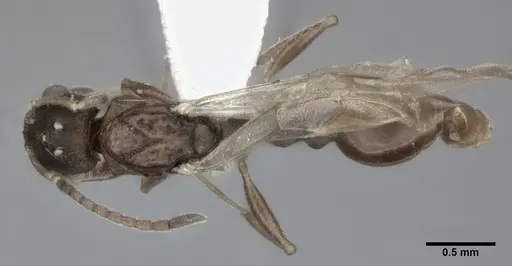
CASENT0246054
View on AntWeb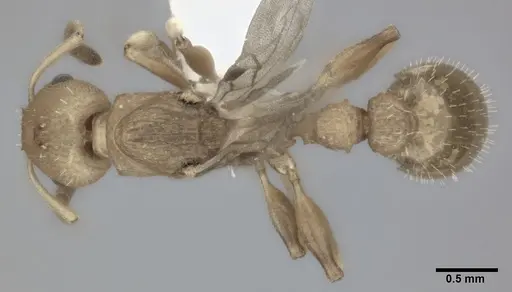
CASENT0246055
View on AntWeb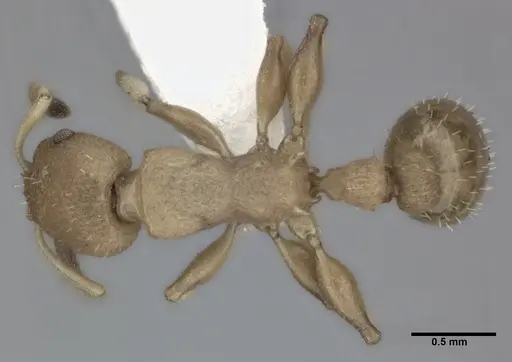
CASENT0612277
View on AntWeb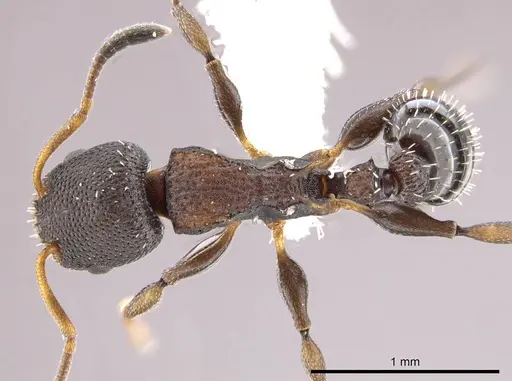
CASENT0637849
View on AntWeb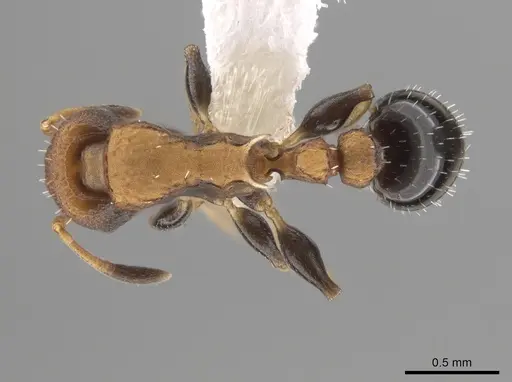
CASENT0908997
View on AntWeb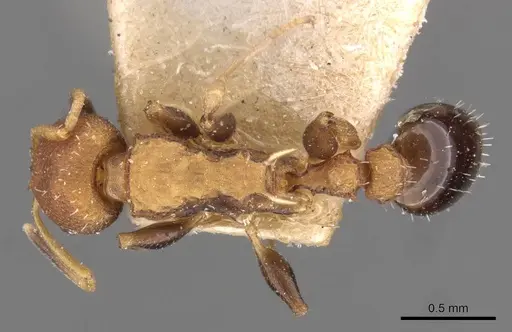
CBUMAGENT41909
View on AntWeb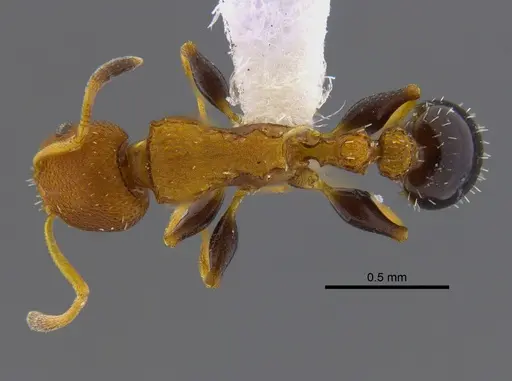
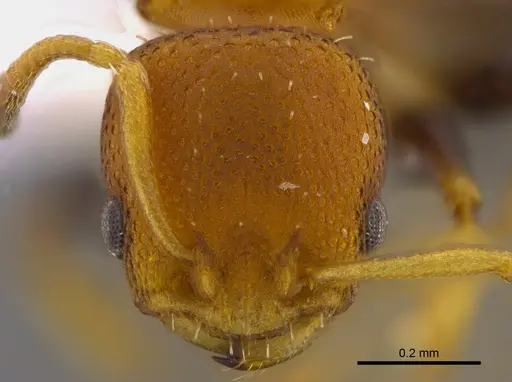
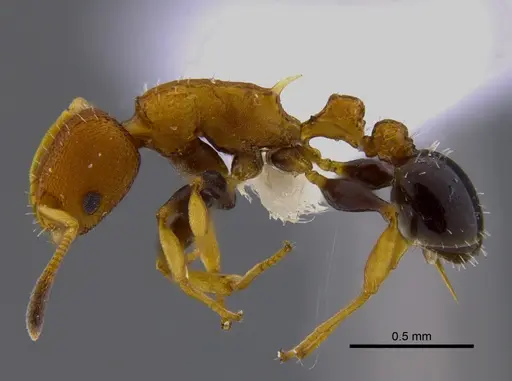
INBIOCRI001275159
View on AntWeb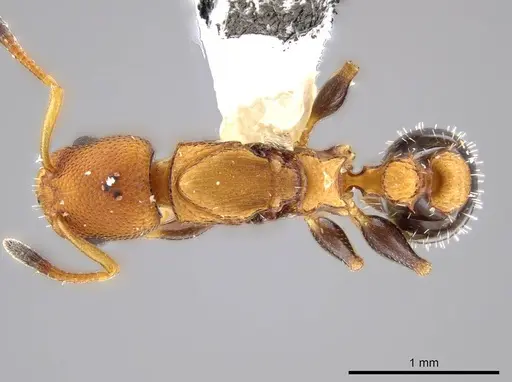
PSW10608-4
View on AntWeb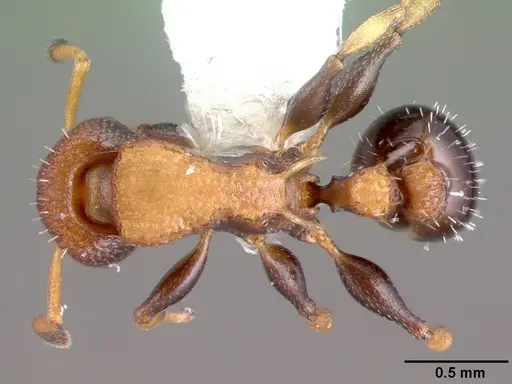
Literature
Loading...Loading products...