

Nesomyrmex minutus
- Scientific Name
- Nesomyrmex minutus
- Tribe
- Crematogastrini
- Subfamily
- Myrmicinae
- Author
- Csősz & Fisher, 2016
- Distribution
- Found in 1 countries
Nesomyrmex minutus Overview
Nesomyrmex minutus is an ant species of the genus Nesomyrmex. It is primarily documented in 1 countries , including Madagascar. Detailed taxonomic data and occurrence records can be further explored via authoritative databases such as AntWeb or the Global Biodiversity Information Facility (GBIF).
Nesomyrmex minutus
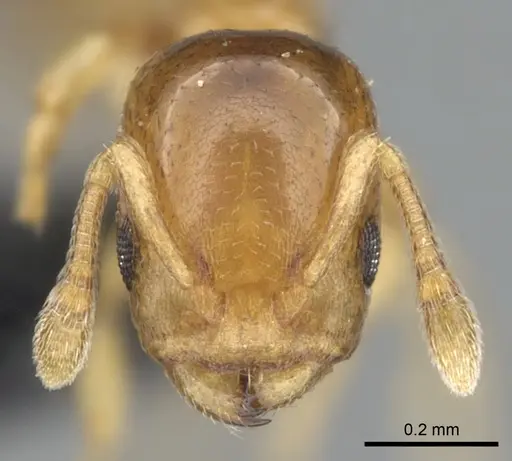
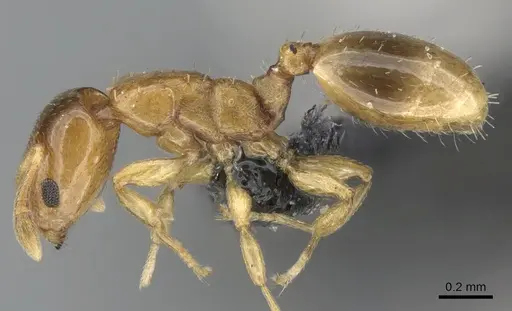
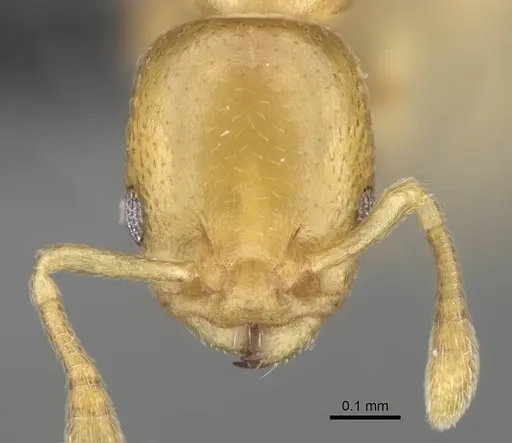
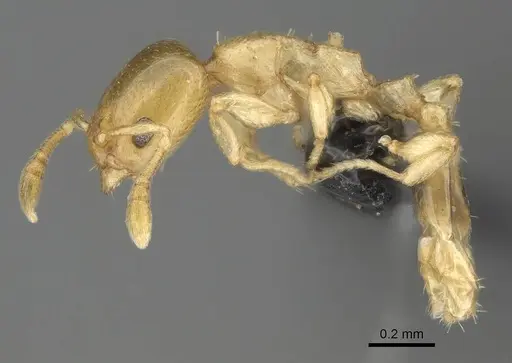
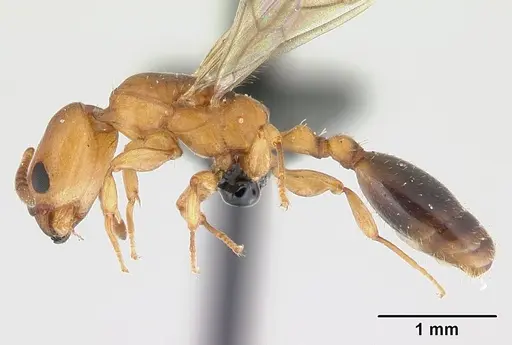
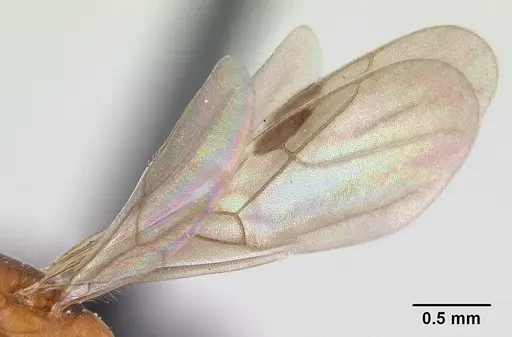
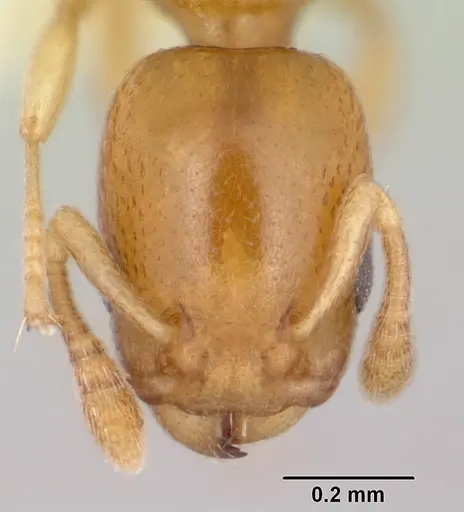
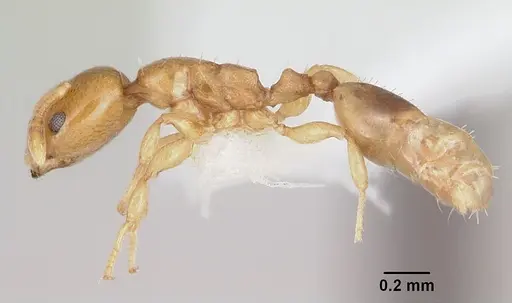
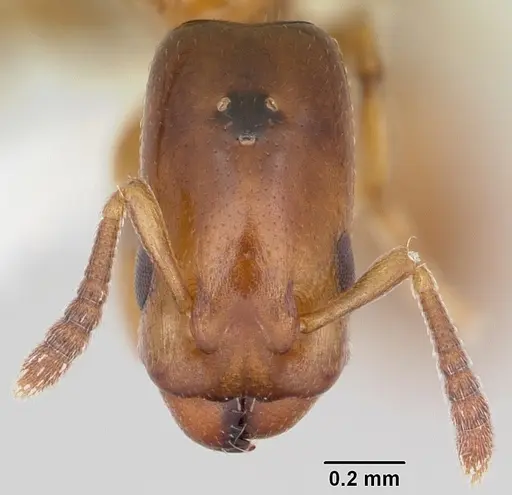
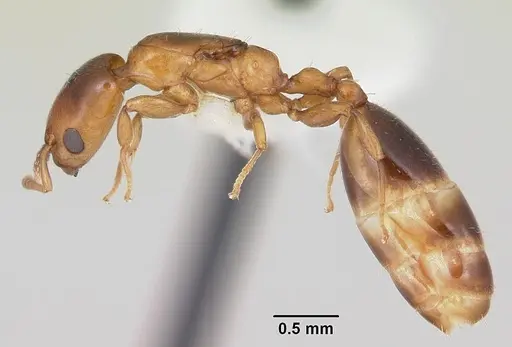
Nesomyrmex minutus is an exceptionally tiny yellow ant endemic to the rainforests of southeastern Madagascar. Workers measure only about 0.5mm in head size, earning the species its name from the Latin word for 'small' [1]. This species has a unique ecological relationship, it lives exclusively inside the stems of a tropical plant called Macphersonia gracilis (Sapindaceae), making it one of the few known ant-plant associations in Madagascar [1]. The ants are yellow throughout with a slightly darker first gaster segment. This is a rare species known only from a single locality near Manombo, making it a truly special find for antkeepers interested in unusual tropical species.
Quick Summary
- Difficulty: Expert
- Origin & Habitat: Rainforests of southeastern Madagascar at 30m elevation, exclusively associated with stems of the plant Macphersonia gracilis (Sapindaceae) [1]. This represents one of the few known ant-plant mutualisms in Madagascar.
- Colony Type: Colony structure is unconfirmed. Based on typical Nesomyrmex genus patterns, likely single-queen colonies. The exclusive association with plant stems suggests a specialized nesting requirement.
- Size & Growth:
- Queen: Unconfirmed, queens have not been described in detail [1]
- Worker: Extremely small, approximately 0.5mm head size (cephalic size 469 µm, range 405-530 µm) [1]
- Colony: Unknown, likely small colonies based on their tiny size and specialized habitat
- Growth: Unknown
- Development: Unconfirmed, likely 4-8 weeks based on typical tropical Myrmicinae patterns (No direct development data exists for this species. Estimates based on related Nesomyrmex species from Madagascar.)
- Antkeeping:
- Temperature: Keep at 24-28°C, they are a tropical rainforest species from lowland Madagascar requiring warm, stable conditions. A small heating cable on one side of the nest creates a gentle gradient.
- Humidity: High humidity is essential, these ants live inside plant stems in a humid rainforest environment. Keep nest substrate consistently moist but not waterlogged. Provide a water tube for drinking access.
- Diapause: No diapause required, as a tropical species from Madagascar, they do not experience cold winters. Maintain warm conditions year-round.
- Nesting: This species requires a naturalistic setup that mimics its natural stem-nesting habitat. A Y-tong (AAC) nest with narrow passages scaled to their tiny size works well, or a custom setup with small-diameter tubes/channels. The key requirement is tight, humid chambers that simulate plant stem interiors.
- Behavior: These ants are very small and likely skittish. Their tiny size means excellent escape prevention is critical, use fine mesh barriers and tight-fitting lids. They are probably docile and non-aggressive, focused on their mutualistic relationship with their host plant. Foraging activity is likely limited due to their specialized stem-nesting lifestyle. Expect slow, subtle movement and minimal foraging outside the nest.
- Common Issues: escape prevention is critical due to their extremely small size, they can squeeze through the tiniest gaps, specialized habitat requirements make this species difficult to keep, they need a naturalistic stem-like environment, high humidity needs can lead to mold problems if ventilation is inadequate, lack of available information on care makes this an expert-only species, wild-caught colonies may be difficult to establish in captivity due to their specialized plant association
Natural History and Distribution
Nesomyrmex minutus is one of the rarest ant species in the hobby, known only from a single location in southeastern Madagascar. The species was formally described in 2016 by Sándor Csösz and Brian Fisher, and represents one of the few documented ant-plant associations in Madagascar [1]. These ants live exclusively inside the stems of Macphersonia gracilis, a tropical tree in the Sapindaceae family. This specialized relationship means the ants have evolved to live in tight, humid plant stem environments. The type locality is the Réserve Speciale Manombo, located about 24.5km from Farafangana at just 30 meters elevation [1]. This lowland rainforest habitat experiences warm temperatures year-round with high humidity.
Housing and Nest Requirements
Housing Nesomyrmex minutus requires recreating their unique natural stem-nesting environment. These ants are extremely small, workers measure only about 0.5mm in head size, so all nest passages must be correspondingly tiny [1]. A Y-tong (AAC) nest with the smallest available chamber options works well, or you could create a custom naturalistic setup with narrow tubes simulating plant stems. The nest must maintain high humidity at all times, these ants are adapted to the constantly moist interior of living plant stems. Use a water tube attached to the nest for drinking access, and keep the nest substrate consistently moist. Because of their tiny size, escape prevention must be excellent, use fine mesh barriers and check all lid connections regularly. A small formicarium with tight chambers scaled to their minute size is essential.
Temperature and Humidity
As a tropical lowland rainforest species from southeastern Madagascar, Nesomyrmex minutus requires warm and humid conditions year-round. Maintain temperatures between 24-28°C, avoiding any drops below 22°C. A small heating cable placed on one side of the nest creates a gentle temperature gradient while preventing overheating. Humidity is critical, these ants live inside plant stems in a humid forest environment, so aim for consistently high moisture levels. Keep the nest substrate moist but not waterlogged, and provide a water tube for drinking. Good ventilation is needed to prevent mold, but avoid excessive airflow that would dry out the nest. Room temperature in a warm, humid room may suffice if it stays in the 24-28°C range. [1]
Feeding and Diet
The natural diet of Nesomyrmex minutus is not directly documented, but like most small Myrmicinae, they likely feed on honeydew collected from their host plant and small insects. In captivity, offer sugar water or honey water in a small container (like a cotton ball in a tube cap) as a constant sugar source. For protein, provide tiny prey items appropriate to their size, fruit flies, pinhead crickets, or other small insects. Feed protein every 5-7 days and remove any uneaten prey promptly. Because of their tiny size, even small prey items may be too large, consider chopping larger insects into very small pieces or culturing small feeder insects like springtails specifically for this species. Always ensure fresh water is available.
Behavior and Temperament
Nesomyrmex minutus is likely a docile, non-aggressive species focused on their specialized plant-nesting lifestyle. Their tiny size means they are probably shy and will avoid confrontation. Workers are slow-moving and likely spend most of their time inside the nest or traveling along plant stems. Due to their minute size, they pose no sting threat to humans. The most important behavioral consideration is their escape risk, these ants are so small they can slip through gaps invisible to the naked eye. Always use excellent escape prevention with fine mesh barriers, sealed connections, and regular checks. Their specialized association with Macphersonia gracilis suggests they may be sensitive to environmental changes and require stable, established conditions. [1]
Frequently Asked Questions
How big do Nesomyrmex minutus ants get?
Workers are extremely small, about 0.5mm in head size (cephalic size 469 µm, range 405-530 µm). This is one of the smallest ant species in the world, earning the species its name 'minutus' meaning 'small' or 'tiny' in Latin [1].
Where does Nesomyrmex minutus live in the wild?
This species is known only from the rainforests of southeastern Madagascar, specifically the Réserve Speciale Manombo near Farafangana at 30m elevation. They live exclusively inside the stems of the plant Macphersonia gracilis (Sapindaceae), making them one of the few known ant-plant associations in Madagascar [1].
What temperature do Nesomyrmex minutus ants need?
Keep them at 24-28°C as a tropical lowland species. They do not tolerate cool temperatures and require warm conditions year-round. A small heating cable on one side of the nest can help maintain appropriate temperatures.
Do Nesomyrmex minutus ants need hibernation?
No, as a tropical species from Madagascar, they do not require hibernation or diapause. Maintain warm, humid conditions throughout the year.
What do Nesomyrmex minutus ants eat?
Their natural diet is not documented, but they likely feed on honeydew from their host plant and small insects. In captivity, offer sugar water or honey water as a constant sugar source, plus tiny protein prey like fruit flies or small insects. Their tiny size means prey must be appropriately small.
Are Nesomyrmex minutus good for beginners?
No, this is an expert-only species. They are extremely rare in the hobby, have highly specialized habitat requirements (plant stem nesting), require very high humidity, and there is almost no available care information. They are best suited for experienced antkeepers who can provide specialized naturalistic setups.
How do I set up a nest for Nesomyrmex minutus?
Use a naturalistic setup that mimics their plant stem habitat. A Y-tong (AAC) nest with the smallest available chambers works well, or create custom narrow tubes scaled to their tiny size. The key requirements are tight, humid chambers and excellent escape prevention due to their minute size.
Do Nesomyrmex minutus ants sting?
No sting threat to humans, they are far too small to penetrate human skin. Their tiny size and docile nature means they are completely harmless to keepers.
Why is Nesomyrmex minutus so special?
This species represents one of the few known ant-plant associations in Madagascar and is known only from a single locality. Their exclusive relationship with Macphersonia gracilis makes them ecologically unique. They were only formally described in 2016,making them a recently discovered species [1].
How do I prevent Nesomyrmex minutus from escaping?
Escape prevention is critical due to their extremely small size. Use fine mesh barriers (at least 0.5mm mesh), check all lid connections regularly, and ensure any gaps are sealed. Even seemingly sealed containers may allow these tiny ants to slip through.
References

This caresheet is licensed under CC BY-SA 4.0 .
CASENT0071616
View on AntWeb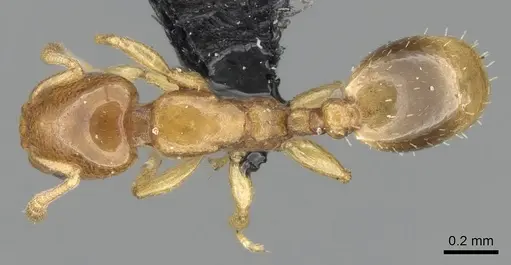
CASENT0071633
View on AntWeb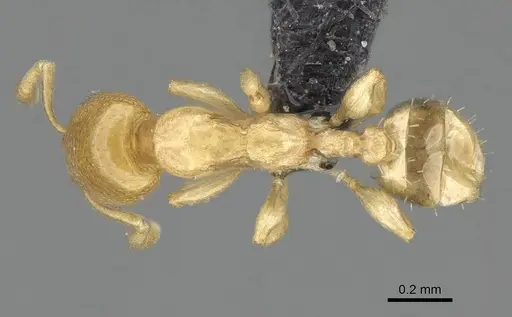
CASENT0071657
View on AntWeb
CASENT0103114
View on AntWeb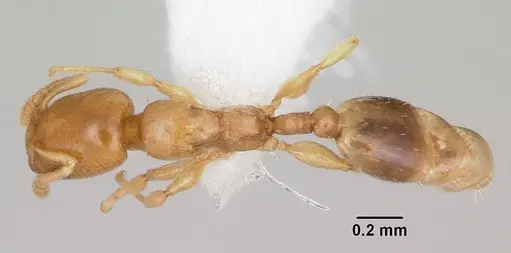
CASENT0103115
View on AntWeb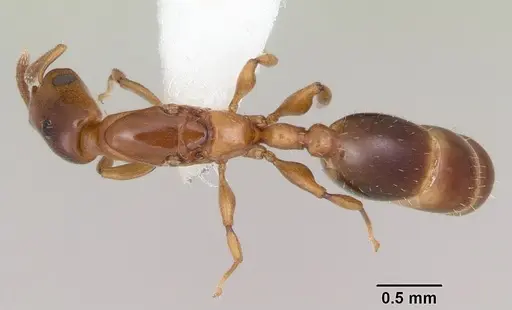
Literature
Loading...Loading products...