

Nesomyrmex madecassus
- Scientific Name
- Nesomyrmex madecassus
- Tribe
- Crematogastrini
- Subfamily
- Myrmicinae
- Author
- Forel, 1892
- Distribution
- Found in 1 countries
Nesomyrmex madecassus Overview
Nesomyrmex madecassus is an ant species of the genus Nesomyrmex. It is primarily documented in 1 countries , including Madagascar. Detailed taxonomic data and occurrence records can be further explored via authoritative databases such as AntWeb or the Global Biodiversity Information Facility (GBIF).
Nesomyrmex madecassus
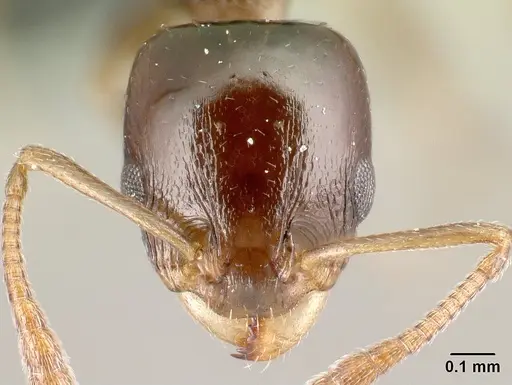
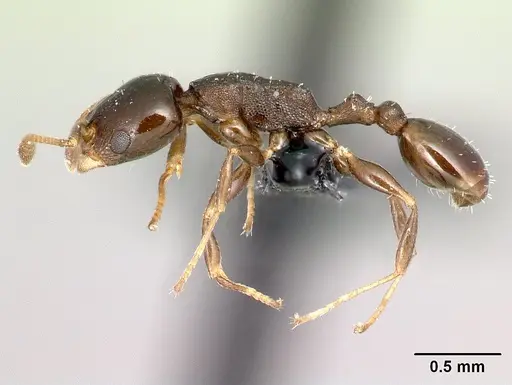
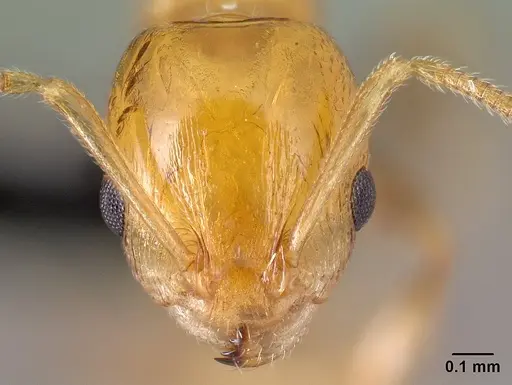
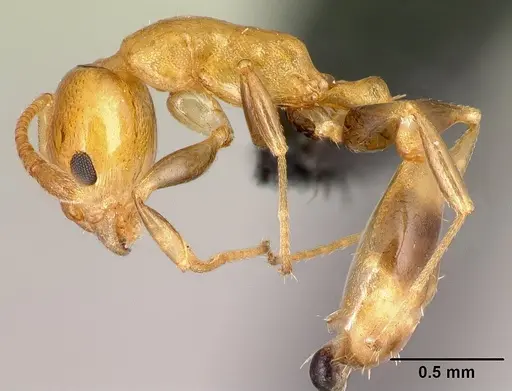
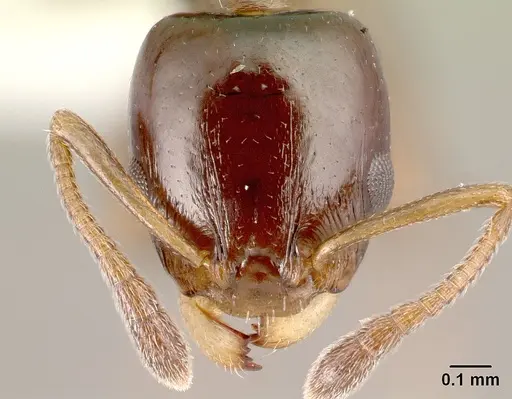
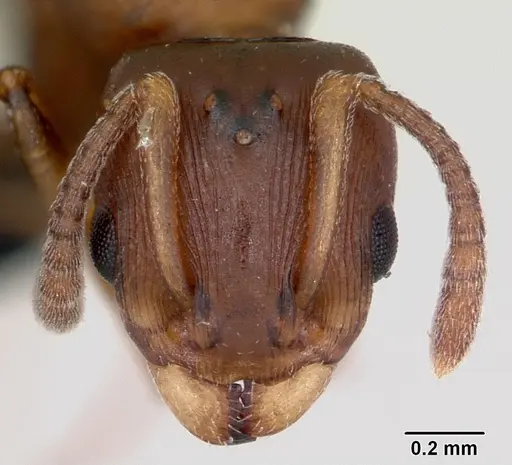
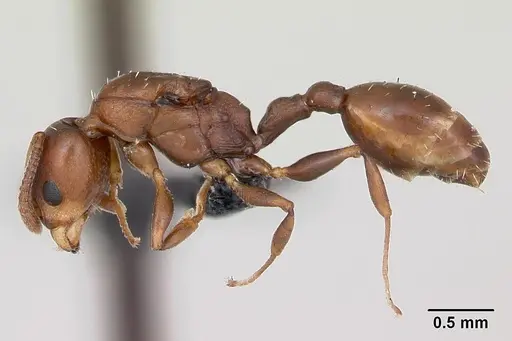
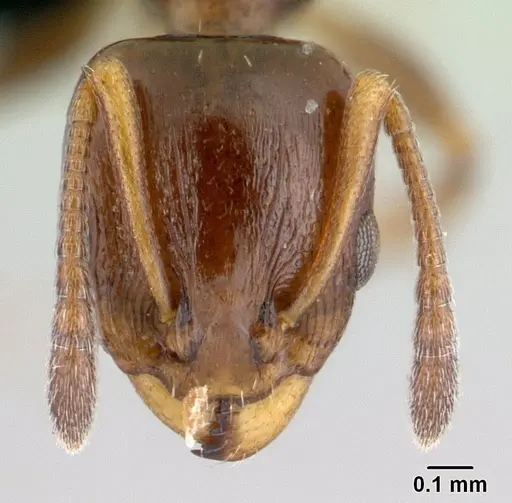
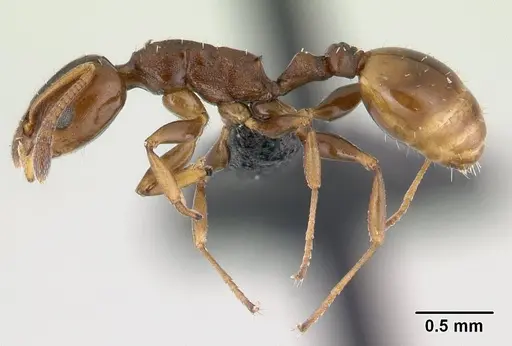
Nesomyrmex madecassus is a tiny ant species native to the rainforests of Madagascar and surrounding islands. Workers measure just 3-4mm with a distinctive dark brown to black coloration (about 95% of populations), though a rare lighter ocher phenotype exists. They belong to the Myrmicinae subfamily and are part of the madecassus species-group. These ants nest in dead twigs and forages in low vegetation at high elevations between 690-2150 meters [1].
What makes N. madecassus interesting is their adaptation to high-altitude rainforest environments, they're one of the few ant species documented foraging in vegetation at such elevations in Madagascar. Their small size and preference for twig nesting makes them well-suited to test tube or small acrylic nest setups. The genus Nesomyrmex is known for relatively peaceful colony dynamics compared to some other Myrmicines.
Quick Summary
- Difficulty: Medium
- Origin & Habitat: Madagascar rainforests at high altitudes (690-2150m elevation, mean 1538m). Also found on Comoros and Mayotte. Nests in dead twigs, rarely in leaf litter or rotten tree stumps. Forages in low vegetation [1][2].
- Colony Type: Colony structure is unconfirmed. Based on typical Nesomyrmex genus patterns, likely single-queen (monogyne) colonies with small worker populations.
- Size & Growth:
- Queen: Estimated 5-6mm based on genus patterns [3]
- Worker: 3-4mm total length (head ~0.7mm) [1]
- Colony: Likely small colonies, under 500 workers based on twig-nesting genus patterns [2]
- Growth: Moderate, estimated based on small colony size patterns
- Development: Estimated 6-10 weeks based on typical Nesomyrmex and small Myrmicinae development at warm temperatures (Development time is estimated, no specific studies on this species. Temperature-dependent: warmer conditions (24-28°C) will speed development, cooler highland conditions will slow it.)
- Antkeeping:
- Temperature: Keep at 22-26°C. This species comes from high-altitude Madagascar rainforests, so they prefer cooler conditions than typical tropical ants. A gentle temperature gradient allows workers to self-regulate [1].
- Humidity: High humidity required, aim for 70-85%. These are rainforest ants that naturally experience damp conditions. Keep the nest substrate consistently moist but not waterlogged. Provide a water tube as a drinking source.
- Diapause: Unconfirmed. High-altitude origin suggests possible seasonal slow-down, but no specific studies. Consider a slight cooling period (15-18°C) during winter months if colony shows reduced activity.
- Nesting: Natural nesting in dead twigs translates well to captivity. Test tubes work excellently for founding colonies. For established colonies, small acrylic nests or Y-tong nests with narrow chambers (scaled to their tiny 3-4mm workers) work well. Avoid large open spaces, they prefer tight, enclosed spaces.
- Behavior: These are relatively peaceful, small ants. Workers are not aggressive and rarely sting (their stingers are too small to penetrate human skin effectively). They forage in vegetation, suggesting they may accept both sugar sources and small prey. Escape risk is moderate due to their small size, use fine mesh barriers. They are not known for escape artistry but can squeeze through small gaps.
- Common Issues: high humidity management, too wet causes fungal problems, too dry causes brood death, temperature sensitivity, they prefer cooler conditions than many tropical ants, overheating can be fatal, small size makes escape prevention important, use fine mesh and tight-fitting lids, slow colony growth can frustrate beginners, these are not fast-growing species, wild-caught colonies may have parasites that kill them in captivity
Nest Preferences and Housing
In the wild, N. madecassus nests almost exclusively in dead twigs, this is their primary nesting microhabitat [1]. This preference translates directly to captive care. For founding colonies, a simple test tube setup works perfectly. The queen will seal herself into a chamber (likely claustral founding based on genus patterns), and you should provide a dark, quiet space away from vibrations.
For established colonies, scale the nest to their tiny size. Small acrylic nests like Y-tong or similar formicaria work well. The chambers should be narrow and tight-fitting, these ants feel safest in enclosed spaces. Avoid large, open foraging areas that can stress them. A naturalistic setup with small twigs and debris can also work if you maintain proper humidity.
The high-altitude rainforest origin means they need consistent moisture but good ventilation to prevent mold. Place the nest in an area with stable temperatures away from direct sunlight or heating elements that could cause temperature swings.
Feeding and Diet
N. madecassus forages in low vegetation in the wild, which suggests they collect nectar and small arthropods [1]. In captivity, offer a varied diet. Sugar water or honey water should be available at all times, they will readily accept these energy sources. For protein, offer small live prey appropriate to their tiny size: fruit flies, pinhead crickets, small mealworms, or similar-sized insects.
Because they are small, prey items should be appropriately sized. A fruit fly is a perfect meal for these ants. Avoid large prey items that they cannot subdue. You can also experiment with commercial ant foods designed for small species.
Feed protein 2-3 times per week, removing any uneaten prey after 24 hours to prevent mold. Keep sugar water available continuously, replacing every few days to prevent fermentation. Observe your colony, if workers are clustering around food eagerly, you're offering the right amounts. Adjust based on colony size and appetite.
Temperature and Seasonal Care
This species comes from high elevations in Madagascar (690-2150m, averaging 1538m), so they prefer cooler conditions than typical tropical ants [1]. Keep the nest area at 22-26°C, with a slight gradient if possible so workers can choose their preferred temperature. Room temperature in most homes (20-24°C) should work well.
Avoid overheating, temperatures above 30°C can be stressful or fatal. If you need to warm the nest, use a very low-output heating cable on one side only, never directly under the nest. The key is stability: these ants evolved in a cool, stable highland environment and do not handle temperature swings well.
Regarding diapause or winter rest: this is unconfirmed for this specific species. However, their high-altitude origin suggests they may experience seasonal temperature changes in the wild. If your colony shows reduced activity in winter, you can provide a slight cooling period (15-18°C) for 2-3 months. Do not feed during this period and reduce humidity slightly. Resume normal care when activity increases in spring.
Behavior and Colony Dynamics
Nesomyrmex ants are generally peaceful and not aggressive. Workers are small and unlikely to sting humans effectively, their stingers are too tiny to penetrate skin. This makes them a good choice if you want to observe colony behavior without safety concerns.
Colony sizes are likely small, probably under 500 workers at maturity based on their twig-nesting lifestyle [2]. This means you can keep them in relatively compact setups. The colony will grow gradually over months or years, with the queen laying eggs continuously once established.
Workers forage in vegetation, so they are active and will explore their outworld. They are not known for being particularly shy or reclusive, but they do prefer enclosed nest spaces. Provide a moderate-sized outworld with some coverage (like plants or structures) where they can forage comfortably. They will establish trails to food sources once they find them.
Growth and Development
Specific development timeline for N. madecassus has not been studied, so we estimate based on related Nesomyrmex species and typical Myrmicinae patterns. At optimal temperatures (around 24-26°C), expect egg to worker development to take approximately 6-10 weeks.
The first workers (nanitics) will be smaller than mature workers and may take longer to develop. After the founding stage, colony growth is gradual but steady. A well-fed colony can produce new workers every few weeks once established.
Patience is key with this species. Unlike some fast-growing tropical ants, N. madecassus will build their colony slowly over months. Focus on providing consistent care: proper humidity, appropriate temperature, and regular feeding. The colony will grow steadily if conditions are stable. Avoid the temptation to overfeed, excess food leads to mold problems that can be fatal to small colonies.
Frequently Asked Questions
How long does it take for Nesomyrmex madecassus to have first workers?
Estimated 6-10 weeks from egg to first worker at optimal temperatures (24-26°C). This is based on typical Nesomyrmex development patterns since specific studies on this species are lacking. The queen will remain in the nest chamber throughout the founding period, living on stored fat reserves until her first workers emerge.
What do Nesomyrmex madecassus ants eat?
They accept sugar sources (honey water, sugar water) and small live prey (fruit flies, small crickets, pinhead crickets, tiny mealworms). Feed protein 2-3 times per week and keep sugar water available at all times. Prey should be appropriately sized for their tiny 3-4mm workers.
Can I keep Nesomyrmex madecassus in a test tube?
Yes, test tubes work excellently for founding colonies. These ants naturally nest in dead twigs in the wild, so a test tube provides a similar enclosed space. Use a test tube with a water reservoir (cotton ball) for humidity, and keep it in a dark, quiet location during the founding stage.
What temperature do Nesomyrmex madecassus ants need?
Keep them at 22-26°C. This high-altitude Madagascar species prefers cooler conditions than typical tropical ants. Avoid temperatures above 30°C. A slight temperature gradient in the setup allows workers to self-regulate.
Do Nesomyrmex madecassus ants sting?
They have stingers but are too small to effectively penetrate human skin. These ants are not considered dangerous or aggressive. They are peaceful colony inhabitants suitable for observation without safety concerns.
How big do Nesomyrmex madecassus colonies get?
Likely under 500 workers at maturity based on their twig-nesting behavior and small body size. This is a relatively small colony size compared to many common ant species. Growth is gradual over months or years.
Are Nesomyrmex madecassus good for beginners?
They are rated Medium difficulty. They require specific humidity (70-85%) and prefer cooler temperatures than many tropical ants. Their small size and slow growth require patience. They are peaceful and not dangerous, which makes them rewarding for keepers willing to meet their specific care requirements.
Do Nesomyrmex madecassus need hibernation?
Diapause requirements are unconfirmed for this species. Their high-altitude origin suggests they may benefit from a slight cooling period (15-18°C) during winter months if the colony shows reduced activity. This is optional, many keepers successfully keep them active year-round at stable temperatures.
Why are my Nesomyrmex madecassus dying?
Common causes include: too low humidity (keep substrate consistently moist), temperature stress (above 30°C is dangerous), mold from overfeeding or poor ventilation, or parasites from wild-caught colonies. These are delicate high-altitude ants that need stable conditions. Review humidity, temperature stability, and feeding amounts.
When should I move Nesomyrmex madecassus to a formicarium?
Wait until the colony has at least 20-30 workers and the test tube is becoming crowded. For this small species, a small acrylic nest or Y-tong setup works well. Do not rush the transfer, moving too early can stress the colony. Ensure the new nest maintains similar humidity levels.
References

This caresheet is licensed under CC BY-SA 4.0 .
CASENT0101588
View on AntWeb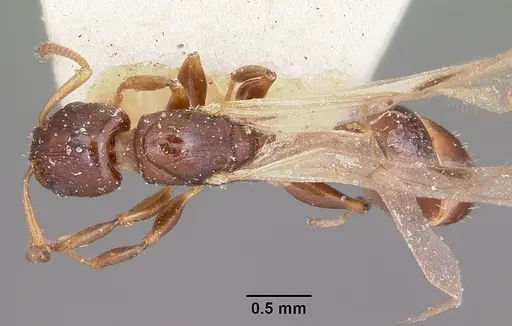
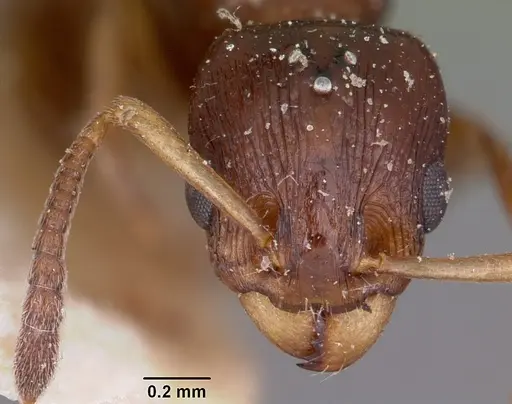
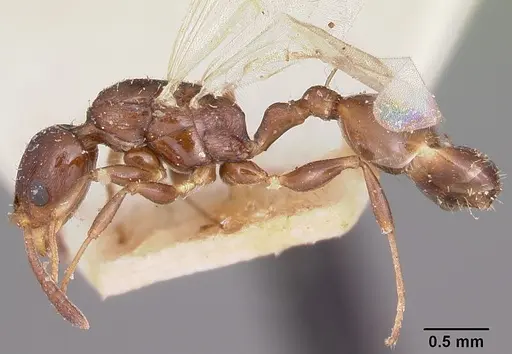
CASENT0101667
View on AntWeb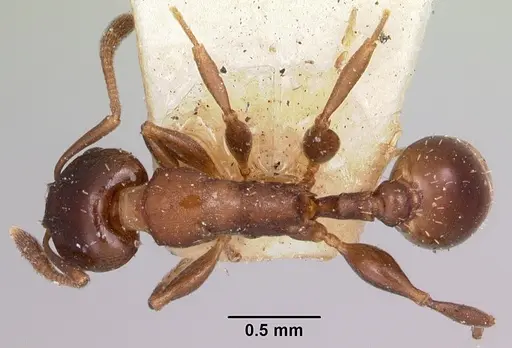
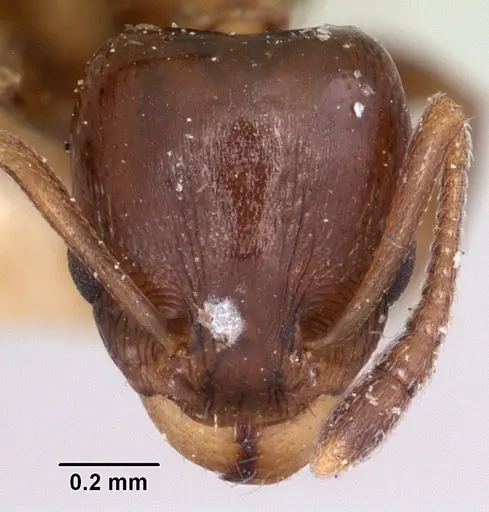
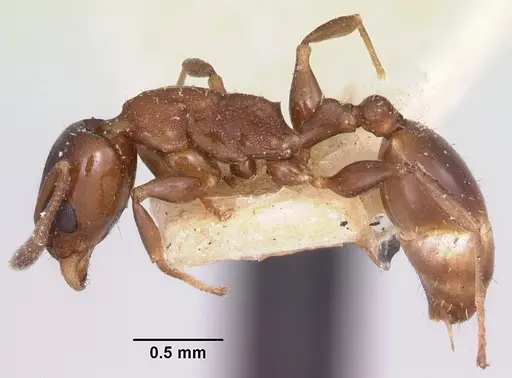
CASENT0101687
View on AntWeb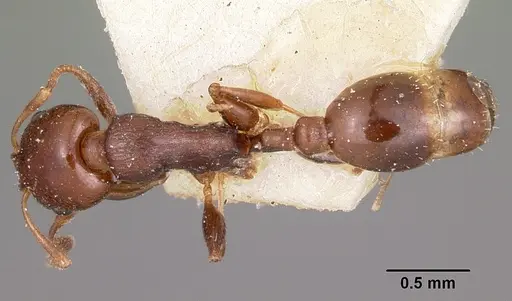
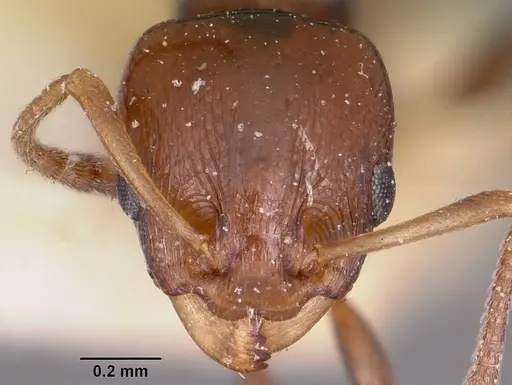
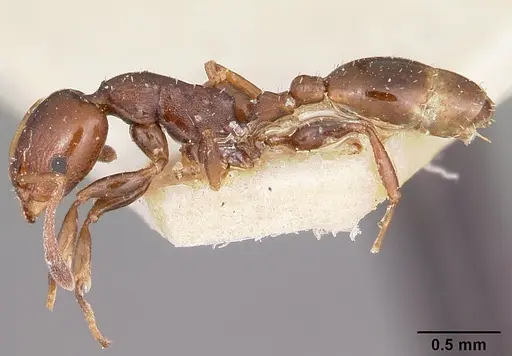
CASENT0102065
View on AntWeb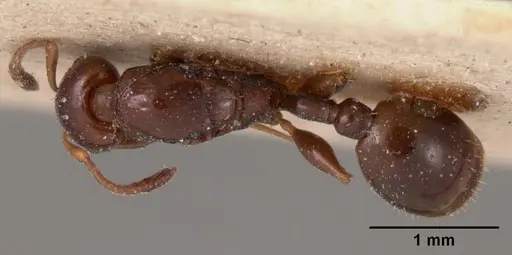
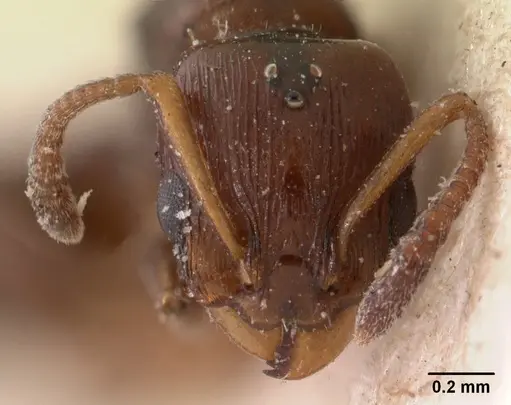
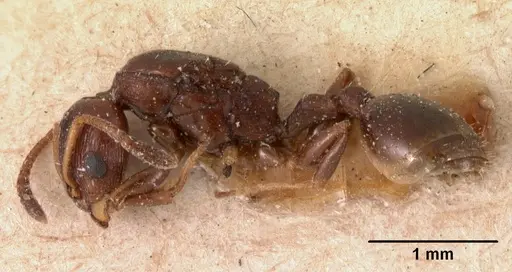
CASENT0125882
View on AntWeb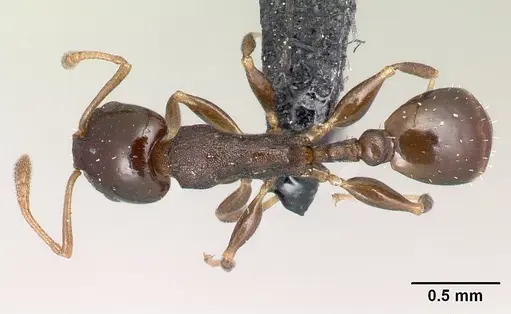
CASENT0149638
View on AntWeb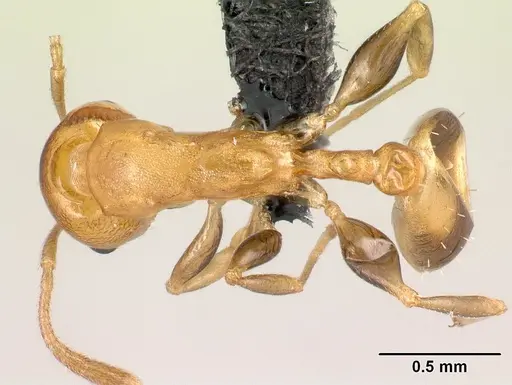
CASENT0409551
View on AntWeb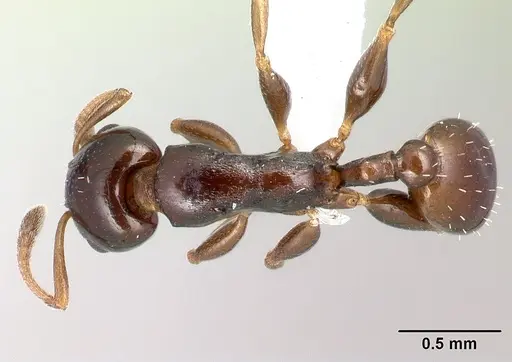
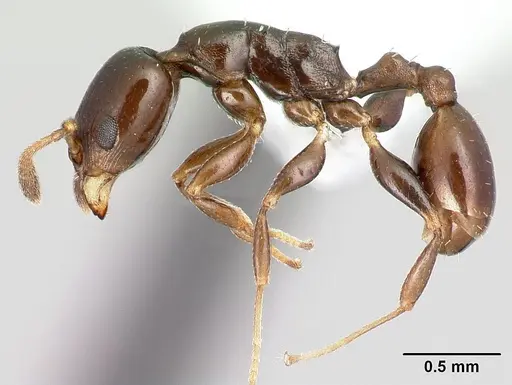
CASENT0487130
View on AntWeb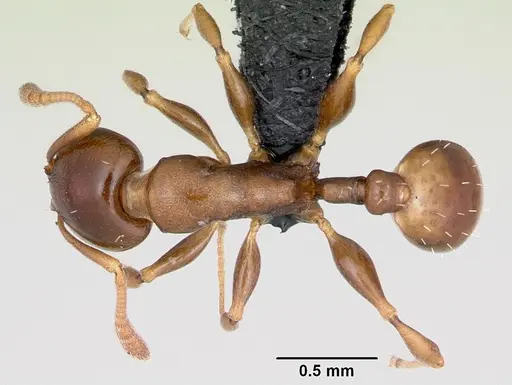
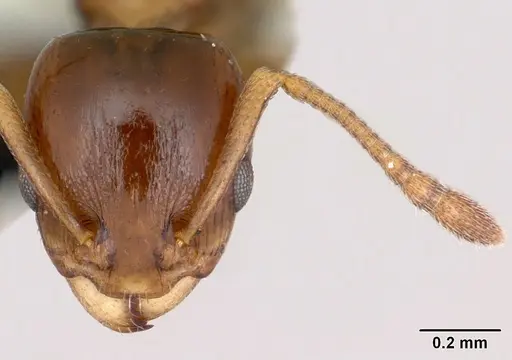
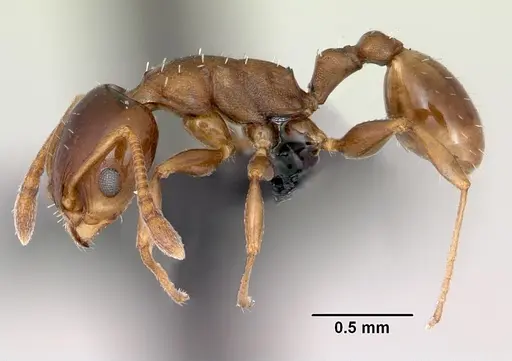
CASENT0487131
View on AntWeb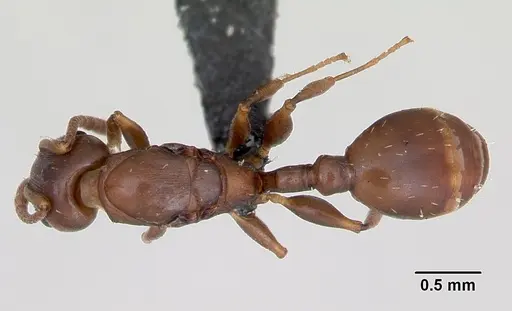
CASENT0487142
View on AntWeb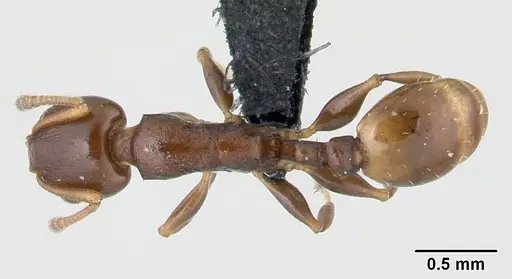
Literature
Loading...Loading products...