

Nesomyrmex humerosus
- Scientific Name
- Nesomyrmex humerosus
- Tribe
- Crematogastrini
- Subfamily
- Myrmicinae
- Author
- Emery, 1896
- Distribution
- Found in 1 countries
Nesomyrmex humerosus Overview
Nesomyrmex humerosus is an ant species of the genus Nesomyrmex. It is primarily documented in 1 countries , including Tanzania, United Republic of. Detailed taxonomic data and occurrence records can be further explored via authoritative databases such as AntWeb or the Global Biodiversity Information Facility (GBIF).
Nesomyrmex humerosus
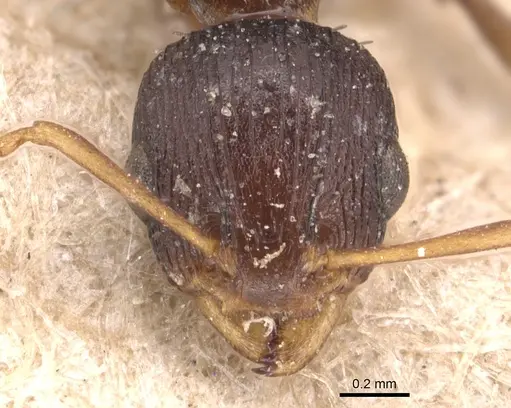
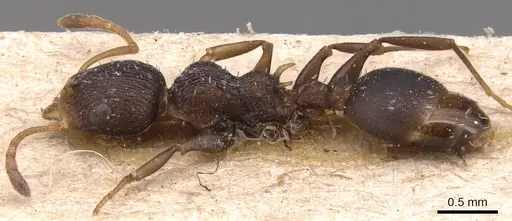
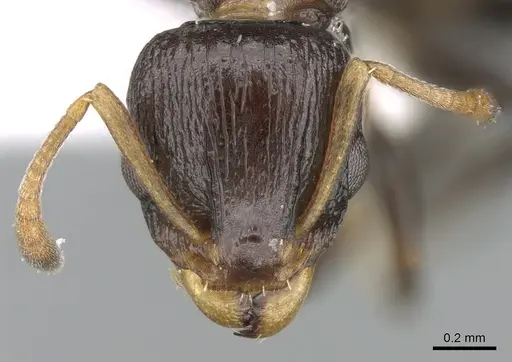
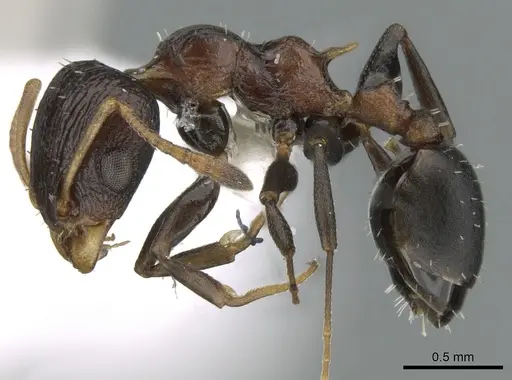
Nesomyrmex humerosus is a small, distinctive Myrmicine ant native to East Africa, found in Kenya, Tanzania, and Yemen. Workers measure around 3.7mm in total length, with a medium brown body and yellowish mandibles, clypeus, and antennae. This species is easily recognized by its flat-margined clypeal lobe, sharply marginate pronotum with dentate corners, deeply impressed metanotal groove, and barrel-shaped petiole with a triangular node. The propodeal spines are exceptionally long and spiniform. N. humerosus is quite unique in the Afrotropical region and is the only member of its species group. It is rarely collected, with our knowledge based on only four collection events, and appears to live on vegetation though it has also been sampled from the ground.
Quick Summary
- Difficulty: Unknown, insufficient data for difficulty rating
- Origin & Habitat: East Africa (Kenya, Tanzania, Yemen), possibly Somalia and Mozambique. Found in coastal dry forest at low elevations (50m in Kenya). Lives on vegetation but also recorded from ground [1][2]
- Colony Type: Colony structure unconfirmed, no data available on queen number or colony organization
- Size & Growth:
- Queen: Unknown, not described in available literature
- Worker: 3.7mm total length, HL 0.74-0.75mm, HW 0.70-0.71mm, SL 0.58-0.59mm [1][2]
- Colony: Unknown, rarely collected with limited data
- Growth: Unknown, no development data available
- Development: Unknown, no direct development data for this species (Development timeline has not been studied. Based on typical Nesomyrmex and Myrmicinae patterns, expect 4-8 weeks at warm temperatures, but this is an estimate.)
- Antkeeping:
- Temperature: No specific data available. Based on origin (Kenya, Tanzania, Yemen, tropical/subtropical East Africa), likely prefers warm conditions. Start around 24-28°C and observe colony behavior and activity levels. A gentle temperature gradient allows ants to self-regulate.
- Humidity: No specific humidity data available. Based on habitat (coastal dry forest, vegetation-dwelling), moderate humidity around 50-70% is likely appropriate. Provide a water tube for drinking access.
- Diapause: Unknown, no data on overwintering requirements. Being from tropical/subtropical Africa, may not require a true diapause but may show reduced activity during cooler periods.
- Nesting: No specific nesting data. Based on being found on vegetation and ground, likely accepts various nest types. A Y-tong (AAC) or plaster nest with moderate humidity would be a reasonable starting point. The species has long propodeal spines, so ensure adequate space in chambers.
- Behavior: Temperament and detailed behavior are unstudied. Based on genus and morphology (large eyes, long spines), likely a generalist forager. Escape risk is moderate, workers are small (~3.7mm) so standard barrier methods like Fluon should be used. No documented sting reports available.
- Common Issues: limited data makes care recommendations uncertain, proceed with caution and observe colony closely, rarely collected species means captive husbandry experience is minimal to nonexistent, no documented diet preferences, may require experimentation to determine accepted foods, colony structure unknown, founding behavior and colony development are unstudied
Species Identification and Distinction
Nesomyrmex humerosus is morphologically quite unique in the Afrotropical region, making it relatively easy to identify compared to other Nesomyrmex species. The key identifying features include: a short, flat-margined anterior clypeal lobe with a small median triangular projection (never convex), a pronotum that is sharply marginate anterodorsally with sharp, dentate corners, a conspicuously concave mesosomal outline in profile, and a barrel-shaped petiole with a very weakly developed, short and triangular petiolar node. The propodeal spines are exceptionally long, about three times longer than their base and blunt apically. The body is medium brown overall, with the mandibles, clypeal lobe, and antennae being yellowish. All dorsal surfaces bear distinctive short, stout, blunt hairs. This unusual combination of characters sets N. humerosus apart from other African Nesomyrmex species and even from modified forms in the Neotropical and Malagasy regions [1][2].
Distribution and Collection Notes
Nesomyrmex humerosus is currently known from only three countries: Kenya, Tanzania, and Yemen. The known localities include Coast Province in Kenya (Arabuko Sokoke Forest,50m elevation in coastal dry forest), Tanzania, and Yemen. It is considered a rarely collected species, with our entire knowledge base coming from just four collection events. The species may also occur in neighboring Somalia and Mozambique, which are greatly under-sampled regions. Collection data suggests it lives on vegetation, but specimens have also been collected from the ground in Tanzania and Yemen, indicating some ecological flexibility in nesting or foraging sites. The Arabuko Sokoke Forest in Kenya represents one of the few documented collection localities, a coastal dry forest ecosystem at low elevation [1][2].
Housing and Nesting Recommendations
Since N. humerosus has been found both on vegetation and on the ground, it likely accepts various captive nest setups. A Y-tong (AAC) nest or plaster formicarium with moderate humidity would be appropriate starting points. The species has notably long propodeal spines, so ensure nest chambers provide adequate vertical space to accommodate the ants comfortably without spines getting stuck or damaged. Given the small worker size (~3.7mm), use standard escape prevention measures like Fluon on container edges. Provide a water tube for drinking access and a separate outworld area for foraging. Since this is a vegetation-dwelling species, you might consider adding some vertical structures or plant material in the outworld to simulate their natural environment. Start with moderate humidity around 50-70% and adjust based on colony behavior [1][2].
Feeding and Diet
No specific dietary studies exist for N. humerosus. As a Myrmicine ant, it will likely accept a typical omnivorous diet similar to other Nesomyrmex species: sugar sources (honey water, sugar water) and protein sources (small insects like fruit flies, pinhead crickets, mealworms). Offer a varied diet and observe what the colony preferentially consumes. Since the species has large, well-developed eyes and is found on vegetation, it may be an active forager. Provide protein foods 2-3 times per week and keep a sugar water source available at all times. Remove uneaten food after 24-48 hours to prevent mold. Start with small prey items appropriate to their size and scale up as the colony grows [3].
Temperature and Seasonal Care
No specific temperature requirements have been documented for this species. Based on its origin in tropical East Africa (Kenya, Tanzania, Yemen), it likely prefers warmer conditions typical of those regions. Aim for temperatures in the range of 24-28°C as a starting point. Use a heating cable or mat on one side of the nest to create a gentle temperature gradient, allowing the ants to self-regulate by moving between warmer and cooler areas. Monitor colony activity, if workers cluster consistently in warmer areas, increase slightly, if they avoid the heated zone, reduce temperature. Since these ants come from a tropical climate, they likely do not require a true hibernation diapause, but may show reduced activity during cooler periods. Room temperature in most homes (20-24°C) may be acceptable, but warmer conditions likely support more active colonies [1][2].
Important Keeper Notes
Nesomyrmex humerosus is one of the least studied ant species in the hobby due to its extreme rarity in both wild collections and scientific sampling. This caresheet represents best guesses based on limited data rather than established husbandry protocols. Every colony may require individual adjustment as you learn what works for your specific ants. Document your observations carefully, captive breeding success with this species would be a valuable contribution to antkeeping knowledge. Be patient with slow growth and don't be discouraged if progress is slower than with better-studied species. If you acquire a colony, consider sharing your husbandry notes with the antkeeping community to help establish baseline care protocols for this rarely kept species. [1][2]
Frequently Asked Questions
How long does it take for Nesomyrmex humerosus to develop from egg to worker?
The egg-to-worker development time is unknown, this has not been studied in scientific literature. Based on typical Nesomyrmex and Myrmicinae patterns, expect approximately 4-8 weeks at warm temperatures (24-28°C), but this is an estimate. Actual development may be faster or slower depending on conditions.
What do Nesomyrmex humerosus ants eat?
Specific dietary preferences are unstudied. Based on typical Myrmicine behavior, they likely accept sugar sources (honey water, sugar water) and protein (small insects like fruit flies, pinhead crickets, mealworms). Offer a varied diet and observe colony preferences.
What temperature should I keep Nesomyrmex humerosus at?
No specific temperature data exists. Based on their East African origin, aim for 24-28°C as a starting point. Create a gentle gradient using a heating cable on part of the nest so ants can self-regulate. Adjust based on observed colony activity.
Are Nesomyrmex humerosus ants good for beginners?
This species cannot be recommended for beginners due to the complete lack of captive husbandry data. It is rarely kept in the antkeeping hobby, and there are no established care protocols. Only experienced keepers willing to experiment and document their results should attempt this species.
How big do Nesomyrmex humerosus colonies get?
Colony size is unknown, this species is so rarely collected that no colony size data exists in scientific literature. Expect moderate-sized colonies based on typical Nesomyrmex patterns, but this is an estimate.
Do Nesomyrmex humerosus ants sting?
Sting behavior has not been documented for this species. As Myrmicinae, they likely have a stinger but it may be too small to penetrate human skin effectively. Handle with standard antkeeping precautions.
What type of nest should I use for Nesomyrmex humerosus?
No specific nesting data exists. Based on being found on vegetation and ground, a Y-tong (AAC) or plaster formicarium with moderate humidity would be appropriate. Ensure chambers are sized appropriately for their small (~3.7mm) worker size and provide space for their long propodeal spines.
Can I keep multiple Nesomyrmex humerosus queens together?
Colony structure (monogyne vs polygyne) is unconfirmed, no data exists on whether this species is single-queen or multi-queen. Do not attempt combining unrelated queens without documented evidence of colony acceptance.
Does Nesomyrmex humerosus need hibernation?
Diapause requirements are unknown. Being from tropical/subtropical East Africa, they likely do not require a true hibernation period. They may show reduced activity during cooler periods but should not be subjected to cold temperatures below around 15°C.
Where is Nesomyrmex humerosus found in the wild?
N. humerosus is known from Kenya, Tanzania, and Yemen in East Africa. It may also occur in Somalia and Mozambique. Known habitats include coastal dry forest (Arabuko Sokoke Forest, Kenya at 50m elevation) where it has been found on vegetation and on the ground.
References

This caresheet is licensed under CC BY-SA 4.0 .
CASENT0904729
View on AntWeb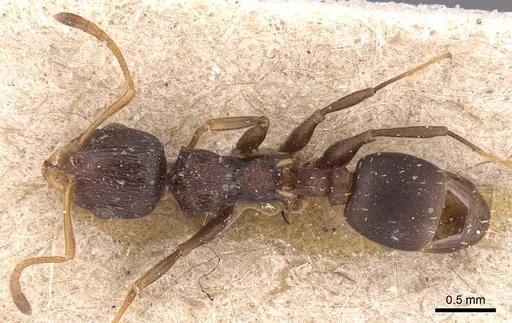
CASENT0906196
View on AntWeb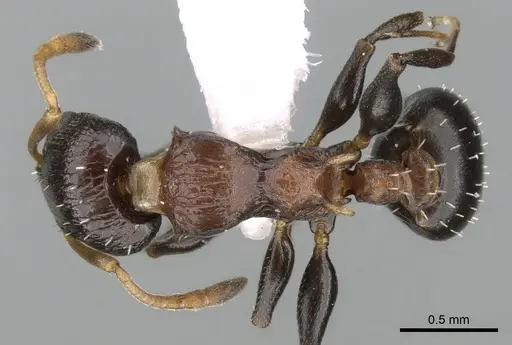
Literature
Loading...Loading products...