

Nesomyrmex excelsior
- Scientific Name
- Nesomyrmex excelsior
- Tribe
- Crematogastrini
- Subfamily
- Myrmicinae
- Author
- Csősz & Fisher, 2016
- Distribution
- Found in 1 countries
Nesomyrmex excelsior Overview
Nesomyrmex excelsior is an ant species of the genus Nesomyrmex. It is primarily documented in 1 countries , including Madagascar. Detailed taxonomic data and occurrence records can be further explored via authoritative databases such as AntWeb or the Global Biodiversity Information Facility (GBIF).
Nesomyrmex excelsior
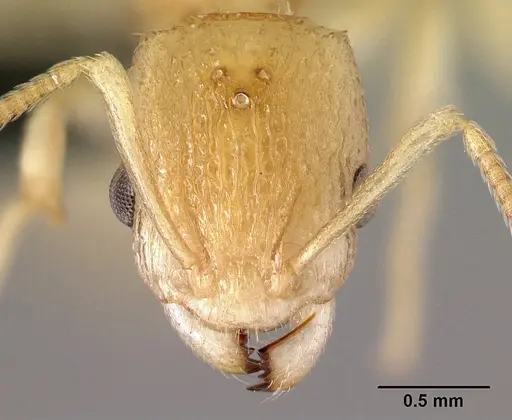
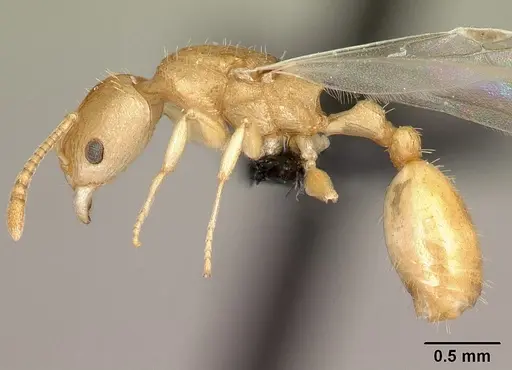
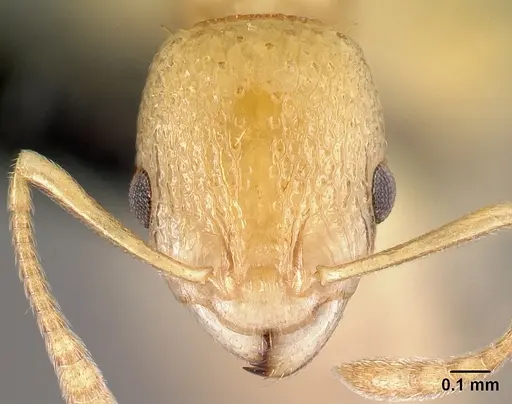
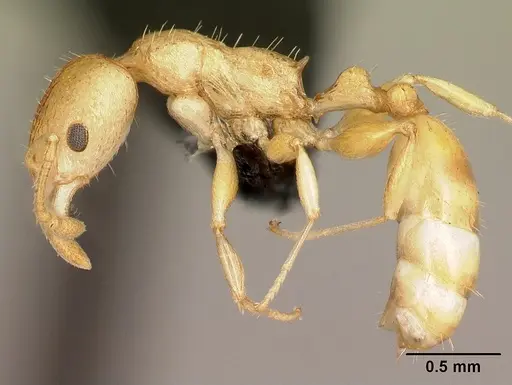
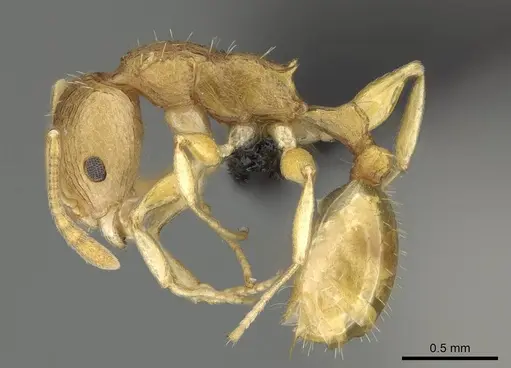
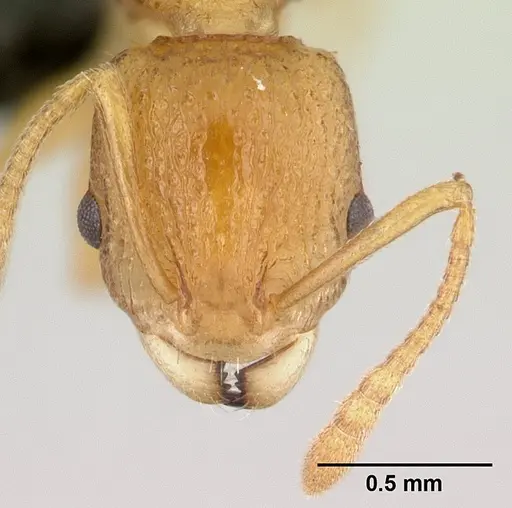
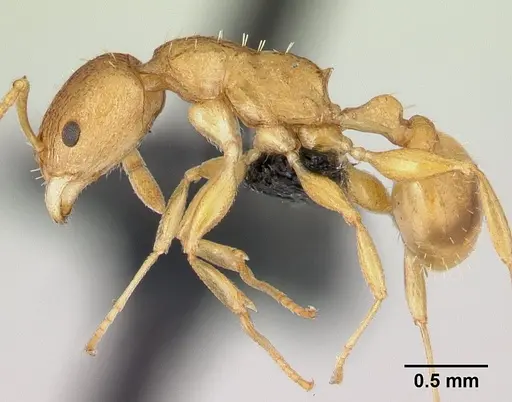
Nesomyrmex excelsior is a small, yellow to brown ant native to the montane rainforests of Madagascar. Workers measure roughly 3-4mm with a distinctive elongated head and short propodeal spines. The species name 'excelsior' means 'higher' or 'loftier' in Latin, referring to its preference for high-elevation habitats between 520-1325 meters [1]. This species belongs to the Nesomyrmex sikorae species group and is known only from isolated montane rainforest fragments in western and central Madagascar [1]. The ants have a concolorous yellow to brown body with distinctive rugoso-reticulate sculpture on the head and mesosoma, giving them a somewhat textured appearance under magnification.
Quick Summary
- Difficulty: Medium
- Origin & Habitat: Montane rainforests of western and central Madagascar at elevations of 520-1325m (mean 1007m) [1]. These are isolated high-elevation rainforest patches in a tropical island environment.
- Colony Type: Colony structure is unconfirmed. Based on typical Nesomyrmex patterns, likely single-queen colonies.
- Size & Growth:
- Queen: Approximately 4-5mm (estimated from genus patterns)
- Worker: Approximately 3-4mm based on cephalic measurements of 671-799µm [1]
- Colony: Likely small to moderate, possibly under 500 workers based on typical genus patterns
- Growth: Moderate, estimated based on related Myrmicinae
- Development: Estimated 6-10 weeks at optimal temperature based on genus inference (Direct development data unavailable, estimate based on similar montane Myrmicinae species)
- Antkeeping:
- Temperature: Keep around 20-24°C with a gentle gradient. Montane origin means they prefer cooler conditions than typical tropical ants, avoid overheating. Room temperature in this range should work well.
- Humidity: High humidity (70-80%) matching their montane rainforest origin. Keep the nest substrate consistently moist but not waterlogged. Provide a water tube for drinking water.
- Diapause: Unknown, no direct data on overwintering requirements. Given their montane origin, a brief cool period during the simulated 'winter' season may benefit them, but this is unconfirmed.
- Nesting: In nature, they nest in dead twigs and small cavities above ground in humid forest environments. In captivity, a small test tube setup or Y-tong nest with tight chambers works well. Avoid large, open spaces, they prefer snug fit.
- Behavior: These ants are relatively docile and not aggressive. Workers are small but active foragers. They likely forage for small insects and tend honeydew-producing insects, similar to other Myrmicinae. Escape prevention is important due to their small size, use fine mesh barriers and tight-fitting lids. They do not have a painful sting, though the tiny stinger may be present.
- Common Issues: small size means escapes are likely without fine mesh barriers, high humidity requirements can lead to mold if ventilation is poor, slow growth may cause keepers to overfeed, leading to mold and mite problems, lack of biological data means care is based on inference, monitor colony response and adjust, wild-caught colonies may carry parasites that can devastate captive colonies
Housing and Nest Setup
Nesomyrmex excelsior is a small ant that prefers snug nesting cavities. In the wild, they nest in dead twigs and small cavities above ground in humid montane forest environments. For captivity, a small test tube setup works well for founding colonies. As the colony grows, you can transition to a small Y-tong (acrylic) nest with chambers appropriately sized for their tiny workers. Avoid large, open formicaria, these ants feel safer in tight spaces. The nest should have a water reservoir to maintain humidity, and you should provide a separate outworld area for foraging. Because of their small size, escape prevention must be excellent, use fine mesh on any ventilation holes and ensure all connections are sealed. [1]
Feeding and Diet
Like most Myrmicinae ants, Nesomyrmex excelsior likely accepts a varied diet of sugars and proteins. Offer sugar water or honey water as a constant energy source. For protein, small live prey like fruit flies, pinhead crickets, or mealworm pieces work well. They may also tend honeydew-producing insects if given the opportunity. Feed small amounts 2-3 times per week, removing any uneaten prey after 24 hours to prevent mold. Because they are small ants, portion sizes should be tiny, a drop of sugar water and prey items smaller than their head width.
Temperature and Humidity
This species comes from montane rainforests in Madagascar, which means they prefer cooler, more humid conditions than typical tropical ants. Keep the nest at 20-24°C, this is cooler than many ant species require. Avoid placing the nest in direct sunlight or near heat sources that could cause overheating. Humidity should be high, around 70-80%. The nest substrate should remain consistently moist but never waterlogged. A water tube attached to the test tube or nest provides drinking water and helps maintain humidity. Monitor condensation levels, if the nest is constantly dripping wet, increase ventilation, if it looks dry, add more moisture. [1]
Colony Growth and Development
Direct development data for this species is not available, but based on typical Myrmicinae patterns and their montane origin, expect relatively slow growth. The first workers (nanitics) should emerge after 6-10 weeks under optimal conditions. Initial colonies will grow slowly, be patient and avoid the temptation to overfeed. A claustral founding queen likely seals herself in a chamber and raises the first brood alone on stored fat reserves, similar to most Myrmicinae. Once workers emerge, growth should gradually accelerate, but colonies will likely remain small (likely under 500 workers) based on typical Nesomyrmex colony sizes. Do not disturb the founding queen unnecessarily during the founding stage.
Behavior and Temperament
Nesomyrmex excelsior is a relatively docile species. Workers are small but active, foraging individually or in small groups for food. They do not show aggressive swarming behavior and are not known to have a painful sting. Their small size means they can slip through surprisingly tiny gaps, excellent escape prevention is essential. Observe your colony's activity patterns to learn their preferences. If workers consistently cluster in one area of the nest, they may be seeking specific temperature or humidity conditions. These ants are fascinating to watch as they navigate their environment with their relatively large heads and elongated bodies. [1]
Frequently Asked Questions
How long does it take for Nesomyrmex excelsior to produce first workers?
Direct data is unavailable, but based on typical Myrmicinae development and their montane origin, expect 6-10 weeks from egg to first worker at optimal temperature (around 20-24°C). Growth will likely be slower than lowland tropical species.
What temperature do Nesomyrmex excelsior ants need?
Keep them at 20-24°C. Their montane rainforest origin means they prefer cooler conditions than typical tropical ants. Avoid overheating, room temperature in this range is ideal.
How big do Nesomyrmex excelsior colonies get?
Colony size is not well documented, but based on typical Nesomyrmex patterns, colonies likely reach a few hundred workers at most. They are not large colony formers.
Do Nesomyrmex excelsior ants sting?
They likely have a tiny stinger like most Myrmicinae, but it is too small to penetrate human skin or cause pain. They are not considered dangerous.
What do I feed Nesomyrmex excelsior?
Offer sugar water or honey water as a constant energy source. For protein, provide small live prey like fruit flies, small crickets, or mealworm pieces. Feed small amounts 2-3 times per week and remove uneaten food.
Are Nesomyrmex excelsior good for beginners?
They are rated as medium difficulty. While relatively docile, their specific humidity and temperature requirements (cooler, more humid than average) require more attention than hardy species. Experience with antkeeping basics is recommended.
Do Nesomyrmex excelsior need hibernation?
This is unconfirmed. Their montane origin suggests they may benefit from a brief cool period, but no specific diapause requirements have been documented. Monitor your colony's behavior and adjust accordingly.
How do I house a founding Nesomyrmex excelsior queen?
Use a small test tube setup with a water reservoir. Provide a snug chamber, these small ants feel secure in tight spaces. Keep the tube in a dark, quiet location at 20-24°C with high humidity until workers emerge.
Why are my Nesomyrmex excelsior escaping?
Their small size means they can squeeze through tiny gaps. Use fine mesh (at least 0.5mm or smaller) on all ventilation, seal all connections with tape or silicone, and check lid fit regularly. Escape prevention is critical for this species.
Can I keep multiple Nesomyrmex excelsior queens together?
This has not been documented. Based on typical Nesomyrmex patterns, they likely form single-queen colonies. Do not combine unrelated foundress queens, they will likely fight.
References

This caresheet is licensed under CC BY-SA 4.0 .
CASENT0049848
View on AntWeb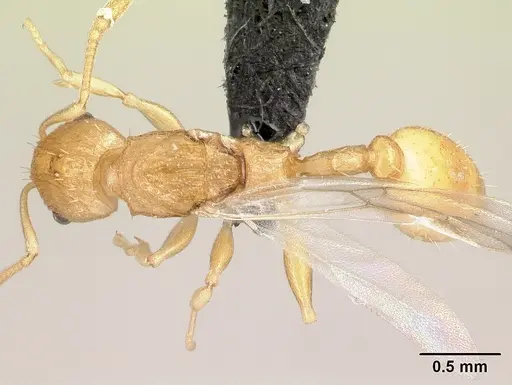
CASENT0077471
View on AntWeb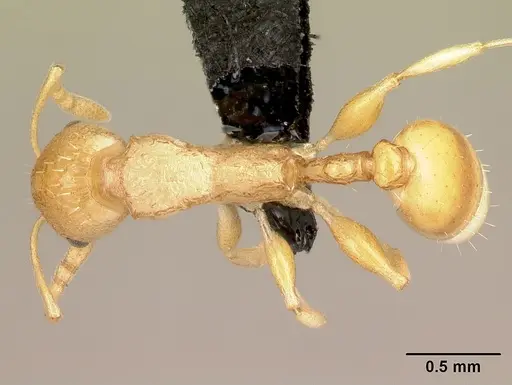
CASENT0485106
View on AntWeb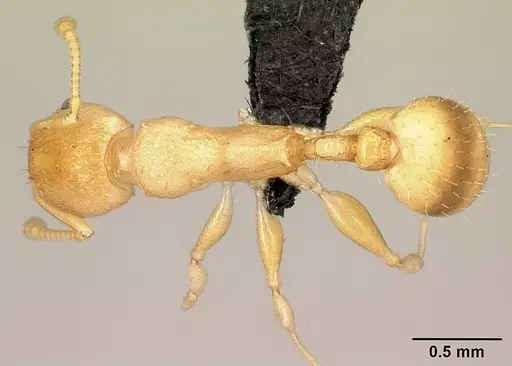
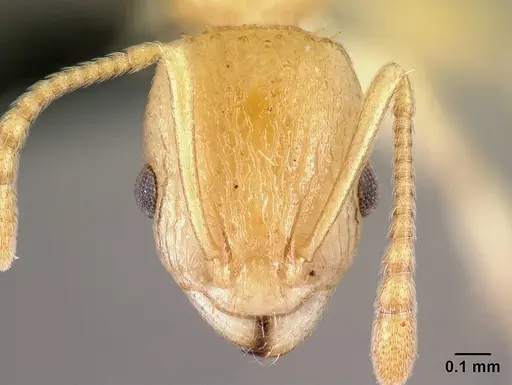
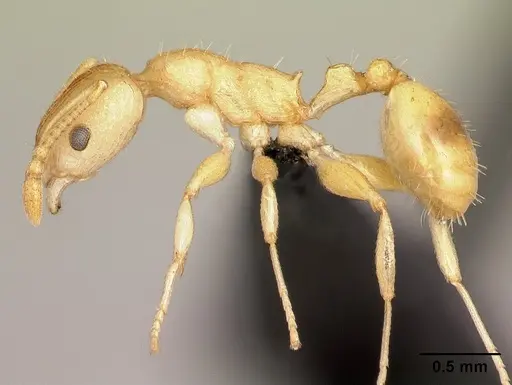
CASENT0498265
View on AntWeb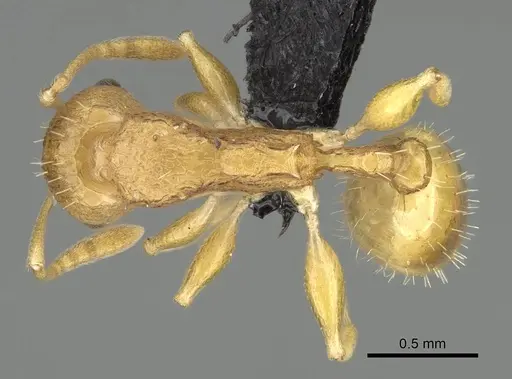
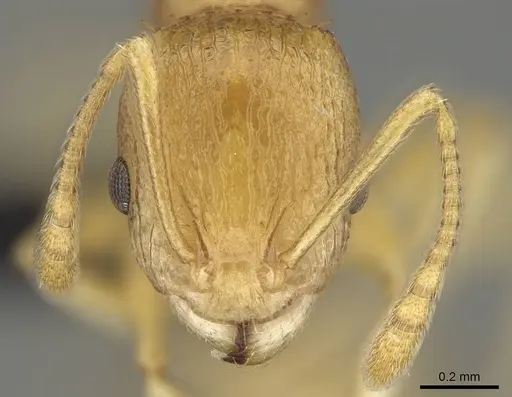
CASENT0499874
View on AntWeb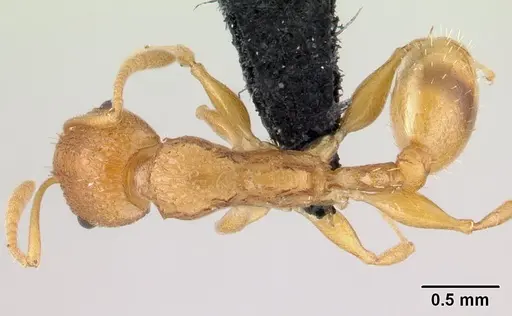
Literature
Loading...Loading products...