

Nesomyrmex cingulatus
- Scientific Name
- Nesomyrmex cingulatus
- Tribe
- Crematogastrini
- Subfamily
- Myrmicinae
- Author
- Csősz & Fisher, 2016
- Distribution
- Found in 1 countries
Nesomyrmex cingulatus Overview
Nesomyrmex cingulatus is an ant species of the genus Nesomyrmex. It is primarily documented in 1 countries , including Madagascar. Detailed taxonomic data and occurrence records can be further explored via authoritative databases such as AntWeb or the Global Biodiversity Information Facility (GBIF).
Nesomyrmex cingulatus
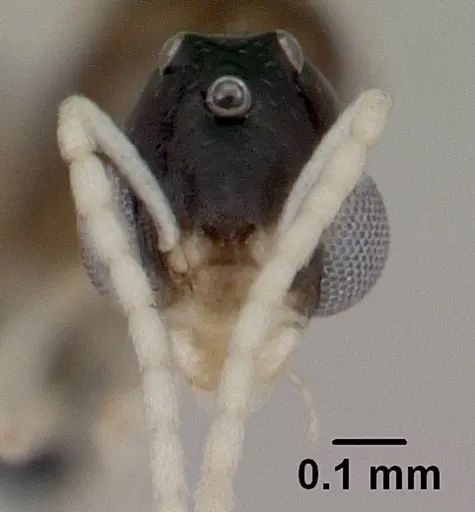
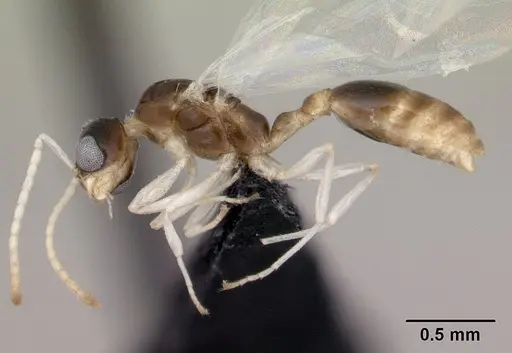
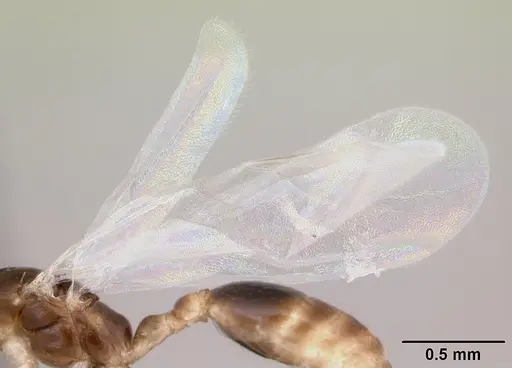
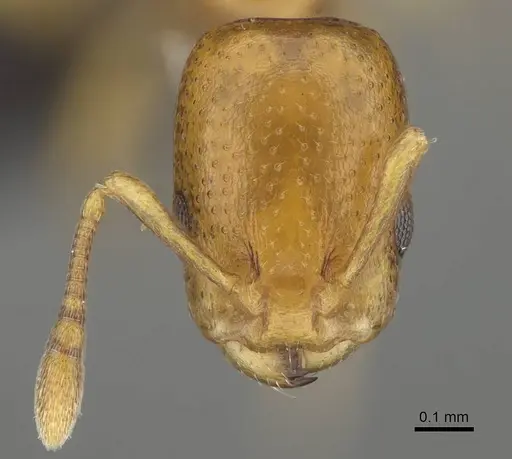
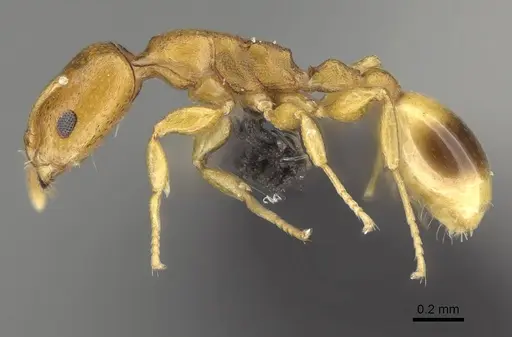
Nesomyrmex cingulatus is a tiny ant species described in 2016 from the spiny forests of southern Madagascar. Workers measure approximately 2-3mm and have a distinctive yellow to brown body with a conspicuous dark brown band across the first gaster segment, this marking gives the species its name 'cingulatus, ' meaning 'banded' in Latin [1]. The head is relatively small with distinct foveae (small pits) on the dorsal surface, and the antennae have 12 segments [1].
This species has a specialized nesting habit: unlike many ants that nest in soil or rotting wood, N. cingulatus has been collected from live plant stems [1]. This suggests they may be associated with living vegetation in their native habitat, possibly nesting in hollow stems or under bark. They occur at elevations between 40-400 meters in the spiny thickets near Tsimanampetsotsa in southern Madagascar [1].
Quick Summary
- Difficulty: Unknown, likely Medium due to specialized habitat requirements
- Origin & Habitat: Southern Madagascar (spiny forests at 40-400m elevation), dry, warm forest habitat with live stem nesting [1]
- Colony Type: Unconfirmed colony structure, only described in 2016 with limited field data
- Size & Growth:
- Queen: Unknown, not yet documented in scientific literature
- Worker: Approximately 2-3mm based on cephalic measurements of 419-515µm [1]
- Colony: Unknown, no colony size data available
- Growth: Unknown, no development data available
- Development: Unknown, no direct measurements exist. Estimates based on similar Myrmicinae suggest 6-10 weeks at warm temperatures, but this is speculative. (Development timeline has not been studied. Related Nesomyrmex species from Madagascar may provide rough estimates, but no specific data exists for this species.)
- Antkeeping:
- Temperature: Based on Madagascar spiny forest habitat: aim for 24-28°C with minor fluctuations. This is a warm, dry region so they likely tolerate higher temperatures than typical forest ants.
- Humidity: Moderate to low, spiny forests are seasonally dry. Keep substrate slightly moist but allow drying periods. Avoid constant saturation.
- Diapause: Unknown, Madagascar experiences mild seasonal variation. They may have reduced activity during cooler months but true hibernation is unlikely.
- Nesting: Based on live stem collection: they likely prefer narrow, enclosed spaces. Y-tong (AAC) nests with tight chambers or small acrylic nests would work well. Avoid large open spaces.
- Behavior: Not well-documented. As a tiny Myrmicinae, they likely have moderate escape ability and will need fine mesh barriers. Foraging style is unknown but they probably collect small prey and honeydew like related species. Temperament is unstudied but small Myrmicinae are typically non-aggressive.
- Common Issues: Very limited biological data makes care recommendations speculative, Escape prevention is critical due to tiny worker size, Specialized live-stem habitat may be difficult to replicate in captivity, No available information on diet acceptance or feeding behavior, Colony size potential is completely unknown, start with modest expectations
Origin and Natural Habitat
Nesomyrmex cingulatus comes from the spiny forests of southern Madagascar, specifically from the Tsimanampetsotsa region at elevations between 40-400 meters [1]. This area is characterized by a unique ecosystem called the 'spiny thicket', a dry, scrubland habitat with thorny vegetation adapted to the hot, semi-arid conditions. The species has been collected directly from live plant stems, indicating a specialized association with living vegetation rather than soil or dead wood nesting [1]. This makes them somewhat unusual among Malagasy ants, as many species in the region nest in soil or rotting logs. The elevation range suggests they are adapted to lowland, warmer conditions rather than cooler highland areas.
Size and Identification
This is a very small ant species. Workers have an absolute cephalic size of 459 micrometers (about 0.46mm), ranging from 419-515µm across measured specimens [1]. This translates to an estimated worker length of approximately 2-3mm. The body coloration ranges from yellow to brown, with a distinctive dark brown to black band across the first gaster segment, this 'belt' marking is what inspired the species name 'cingulatus' [1]. The head has distinctive foveae (small pitted impressions) on the dorsal surface, and the antennae have 12 segments. The eyes are relatively small compared to head size, and the scapes (antenna segments closest to the head) are moderately long [1]. These are subtle identification features that matter more for taxonomic purposes than for everyday keeping.
Nesting in Captivity
Since this species has been found nesting in live plant stems, they likely prefer enclosed, stem-like spaces in captivity. A Y-tong (AAC) nest with narrow chambers would be more appropriate than a large, open formicarium. The tight chambers of a Y-tong or small acrylic nest mimic the constrained stem environment they occupy in the wild. Given their tiny size, avoid nests with large chambers or wide passages where they may feel exposed. A test tube setup could work for founding colonies, but monitor for escape risk, these tiny ants can squeeze through surprisingly small gaps. The nesting material should be kept slightly moist but allow some drying between water additions, reflecting the seasonally dry nature of their spiny forest habitat. [1]
Temperature and Humidity
Based on their origin in the southern Madagascar spiny forests, these ants prefer warmer temperatures, aim for 24-28°C as a starting point. The spiny forest ecosystem experiences hot days and warm nights year-round, so they likely tolerate a range of warm conditions. A heating cable on one side of the nest can create a gentle temperature gradient, allowing the ants to self-regulate. For humidity, keep things moderately dry rather than damp. The spiny thicket experiences seasonal drought, so these ants probably tolerate, and may prefer, drier conditions than typical forest ants. Keep the nest substrate slightly moist but not saturated, and provide some drier areas within the setup for the ants to choose between. [1]
Feeding and Diet
The specific diet of Nesomyrmex cingulatus has not been studied. As a small Myrmicinae ant, they likely forage for small arthropods and may tend aphids or collect honeydew, similar to related species in the genus. Start with small live prey items like fruit flies, pinhead crickets, or small mealworms. Sugar water or honey can be offered occasionally, though acceptance is uncertain. Given their tiny size, any prey items should be appropriately scaled, very small arthropods or pre-killed portions. Feed small amounts every few days and remove uneaten food to prevent mold. Because so little is known about this species' diet, be prepared to experiment with different food types and observe what the colony accepts.
Known Challenges
The biggest challenge with Nesomyrmex cingulatus is the complete lack of biological data, this species was only described in 2016 and has received almost no research attention since. There is no information on colony size, development time, founding behavior, or even basic temperament. This means keepers will be pioneering care for this species with essentially no guidance. Additionally, their tiny size (2-3mm workers) makes escape prevention critical, use fine mesh barriers and ensure all connections are sealed. The specialized live-stem habitat association may also mean they have specific requirements that are difficult to replicate in standard ant keeping setups. Start with conservative expectations and be prepared to adjust care based on colony behavior. [1]
Frequently Asked Questions
How big do Nesomyrmex cingulatus workers get?
Workers are approximately 2-3mm in length based on cephalic measurements of 419-515 micrometers [1]. This makes them a very small species, similar in size to many Pheidole or Tetramorium workers.
Where does Nesomyrmex cingulatus come from?
This species is native to southern Madagascar, specifically the spiny forests near Tsimanampetsotsa at elevations of 40-400 meters [1].
What kind of nest should I use for Nesomyrmex cingulatus?
Based on their natural association with live plant stems, a Y-tong (AAC) nest with narrow chambers or a small acrylic nest works best. Avoid large open spaces. Test tubes can work for founding colonies but monitor for escapes due to their tiny size.
What temperature do Nesomyrmex cingulatus need?
Aim for 24-28°C based on their warm Madagascar spiny forest habitat. They likely tolerate higher temperatures than typical forest ants. A heating cable on one side of the nest can create a gradient.
Do Nesomyrmex cingulatus need hibernation?
Diapause requirements are unknown. Madagascar has mild seasonal variation, so true hibernation is unlikely. They may have reduced activity during cooler months but probably don't need a dedicated hibernation period.
How long does it take for Nesomyrmex cingulatus to develop from egg to worker?
This is completely unknown, no development data exists for this species. Estimates based on similar Myrmicinae suggest 6-10 weeks at warm temperatures, but this is speculative.
What do Nesomyrmex cingulatus eat?
Specific diet is unstudied. Likely small arthropods and honeydew like related species. Start with small live prey (fruit flies, tiny crickets) and offer sugar water or honey occasionally. Acceptances is uncertain, experiment and observe.
Can I keep multiple Nesomyrmex cingulatus queens together?
Colony structure is unconfirmed, no data exists on whether they are single-queen or multi-queen colonies. Not recommended to combine unrelated foundresses until more is known about their social structure.
Are Nesomyrmex cingulatus good for beginners?
Probably not ideal for beginners due to the complete lack of biological data and potentially specialized habitat requirements. This is a species for experienced keepers who enjoy experimenting with new species.
Do Nesomyrmex cingulatus ants sting?
Stinging behavior has not been documented for this species. As a Myrmicinae, they have a stinger but small ants typically use it rarely and it would cause minimal pain.
How big do Nesomyrmex cingulatus colonies get?
Maximum colony size is completely unknown, no colony size data exists in scientific literature. Start with modest expectations and be patient.
Why is Nesomyrmex cingulatus called 'cingulatus'?
The name 'cingulatus' means 'banded' or 'belted' in Latin, referring to the distinctive dark brown transversal band on the first gaster segment of workers [1].
References

This caresheet is licensed under CC BY-SA 4.0 .
CASENT0455789
View on AntWeb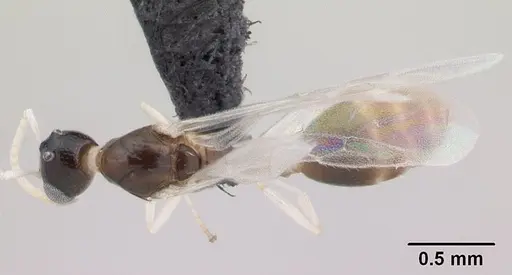
CASENT0919845
View on AntWeb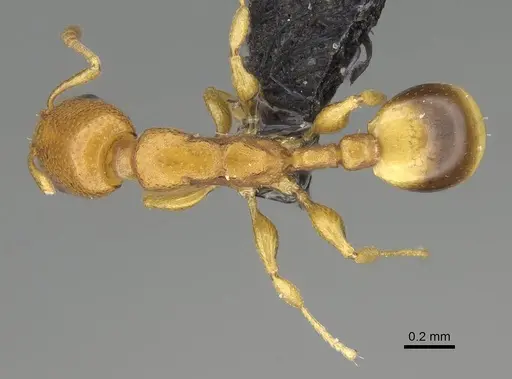
Literature
Loading...Loading products...