

Nesomyrmex brevicornis
- Scientific Name
- Nesomyrmex brevicornis
- Tribe
- Crematogastrini
- Subfamily
- Myrmicinae
- Author
- Csősz & Fisher, 2016
- Distribution
- Found in 1 countries
Nesomyrmex brevicornis Overview
Nesomyrmex brevicornis is an ant species of the genus Nesomyrmex. It is primarily documented in 1 countries , including Madagascar. Detailed taxonomic data and occurrence records can be further explored via authoritative databases such as AntWeb or the Global Biodiversity Information Facility (GBIF).
Nesomyrmex brevicornis
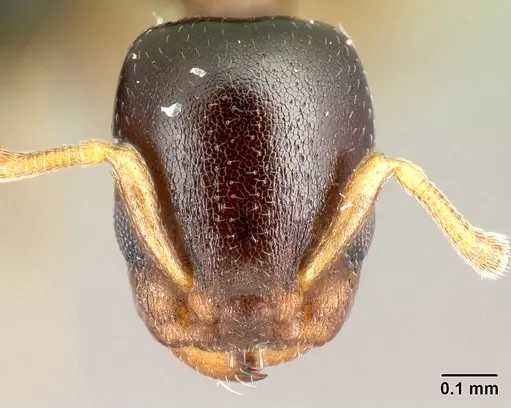
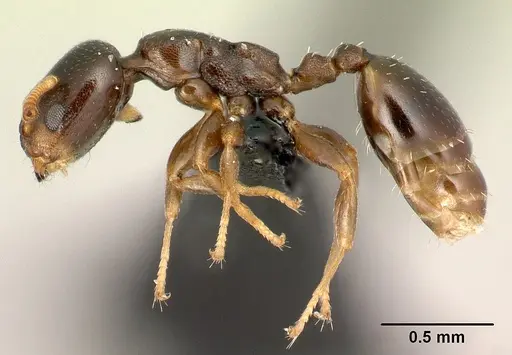
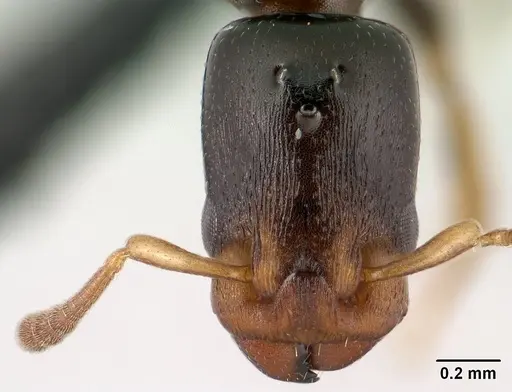
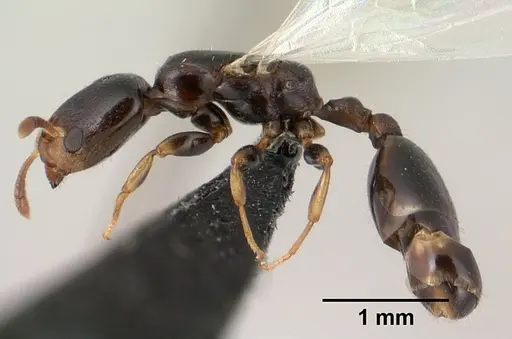
Nesomyrmex brevicornis is a tiny ant species native to southwestern Madagascar, where it lives in tropical dry forest habitats at elevations between 30-770 meters [1]. Workers are among the smallest ants in the hobby, measuring roughly 2-2.5mm in total length with a distinctive dark brown to black coloration [1]. The species gets its name 'brevicornis' from its notably short antennal scapes, which distinguishes it from related taxa [1]. These ants nest in sifted leaf litter and rotting wood within the forest floor, making them a true litter-dwelling species [1]. Their tiny size and cryptic lifestyle make them a challenging but rewarding species for experienced antkeepers interested in more obscure Malagasy species.
Quick Summary
- Difficulty: Expert
- Origin & Habitat: Southwestern Madagascar, tropical dry forest at 30-770m elevation [1]. Found in sifted leaf litter and rotting wood.
- Colony Type: Colony structure is unconfirmed. Likely monogyne based on typical Nesomyrmex patterns.
- Size & Growth:
- Queen: Unconfirmed, no queen measurements documented [1]
- Worker: Approximately 2-2.5mm total length (head: 0.47-0.54mm) [1]
- Colony: Likely small colonies under 500 workers, estimated based on tiny worker size and litter-dwelling habits
- Growth: Moderate, estimated based on typical Myrmicinae development
- Development: Estimated 6-10 weeks at optimal temperature, based on related species patterns (Direct development data unavailable, estimates based on genus-level inference from similar litter-dwelling Myrmicinae)
- Antkeeping:
- Temperature: Keep at 24-27°C, they come from warm tropical dry forest conditions in Madagascar [1]. A gentle gradient is recommended.
- Humidity: Maintain moderate to high humidity (60-80%). These ants live in leaf litter which stays damp but not waterlogged. Use a moist substrate with some drier areas for escape.
- Diapause: Unconfirmed, Madagascar has mild winters, but tropical dry forest may have seasonal patterns. Consider a slight cooling period (2-3 months at 18-20°C) rather than true hibernation.
- Nesting: Provide small, tight chambers scaled to their tiny size. Y-tong (AAC) nests or plaster nests with fine passages work well. They naturally nest in rotting wood and leaf mold, a naturalistic setup with small cavities mimics their natural habitat [1].
- Behavior: These are shy, cryptic ants that prefer to stay hidden within their nest. Workers are tiny and slow-moving, foraging primarily within the substrate rather than openly on surfaces. They are not aggressive and will avoid confrontation. Escape prevention is critical due to their very small size, they can squeeze through standard mesh barriers. Activity level is low, they spend most time tending brood within the nest.
- Common Issues: escape prevention is critical, they are tiny and can slip through standard barriers, slow growth can frustrate beginners who overfeed or disturb the colony, wild-caught colonies may have parasites that are difficult to detect, they require tiny prey items (springtails, minute soil mites) that may be hard to source, maintaining stable humidity without causing mold is challenging
Housing and Nest Setup
Nesomyrmex brevicornis requires careful housing due to its extremely small size. Y-tong (AAC) nests with narrow chambers or plaster nests with fine passages work best, the chambers should be tight enough that workers feel secure but wide enough for movement [1]. A naturalistic setup with small pieces of rotting wood, leaf litter, and moist soil can mimic their natural forest floor habitat. Because they are litter-dwelling ants, they prefer to stay within the substrate rather than climb on surfaces. Use a small outworld container and ensure all connections are sealed with cotton or fine mesh, these ants can escape through gaps that would hold larger species. A test tube setup with a small water reservoir works well for founding colonies, but transition to a more elaborate setup as the colony grows.
Feeding and Diet
Like most Myrmicinae, N. brevicornis is likely an omnivore that accepts both protein and sugar sources. Their tiny size means you must provide appropriately sized prey, springtails, minute soil mites, and newly hatched fruit fly larvae are ideal protein sources. Offer sugar water, honey, or diluted nectar regularly. Feed small amounts every 2-3 days, removing any uneaten food promptly to prevent mold. Because they are so small, even a single fruit fly is a significant meal. Observe feeding behavior carefully, if they ignore certain foods, try alternatives. Avoid large prey items that could overwhelm or escape from these tiny foragers.
Temperature and Seasonal Care
Maintain temperatures between 24-27°C year-round, reflecting their origin in Madagascar's tropical dry forest [1]. Use a heating cable on one side of the nest to create a gentle gradient, allowing ants to self-regulate. Avoid temperatures above 30°C or below 20°C for extended periods. The seasonal cycle is not well documented, but Madagascar has mild winters, consider a slight cooling period (2-3 months at 18-20°C) during the winter months rather than a true hibernation. This species does not require the prolonged cold dormancy that temperate species need. Keep lighting indirect or dim, these cryptic ants prefer dark conditions within their nest.
Humidity Management
These litter-dwelling ants need consistent moderate to high humidity. The substrate should feel damp but never waterlogged, aim for 60-80% relative humidity within the nest area. Use a moisture reservoir (test tube water supply or moist plaster) and monitor for condensation. Provide a gradient with slightly drier areas near the outworld entrance so ants can self-regulate. Mist lightly if the substrate surface dries, but avoid over-misting which causes mold. Good ventilation is essential to prevent stagnant air while maintaining humidity. The key is balance, damp enough for the ants, dry enough to prevent mold growth.
Handling and Observation
Nesomyrmex brevicornis is not a display species, these ants are cryptic and spend most of their time within the nest. Observation requires patience and careful lighting. When the colony grows, you may see workers occasionally foraging in the outworld, but they remain shy and quick to retreat. Avoid disturbing the nest frequently as this stresses the colony. Use red film or a dark background to observe without bright light startling them. Because they are so small, photographing them requires macro equipment. This species is best suited for antkeepers who enjoy observing subtle colony behaviors rather than active foraging displays.
Frequently Asked Questions
How long does it take for Nesomyrmex brevicornis to produce first workers?
The exact timeline is unconfirmed, but based on related Myrmicinae species, expect 6-10 weeks from egg to worker at optimal temperature (24-27°C). Growth is slow due to their tiny size, be patient with founding colonies.
Can I keep Nesomyrmex brevicornis in a test tube?
Yes, test tubes work well for founding colonies. Use a small test tube with a cotton-plugged water reservoir. The tube should be dark-wrapped to simulate the dark conditions they prefer. Transition to a proper nest (Y-tong or plaster) when the colony reaches 20-30 workers.
What do Nesomyrmex brevicornis eat?
They likely accept both protein and sugar sources. Offer tiny live prey like springtails, fruit fly larvae, and minute soil mites. Sugar water, honey, or nectar should be available continuously. Remove uneaten food promptly to prevent mold.
Do Nesomyrmex brevicornis ants sting?
As Myrmicinae, they have a stinger but due to their tiny size, any sting would be negligible to humans. They are not aggressive and will flee rather than defend.
Are Nesomyrmex brevicornis good for beginners?
No, this species is rated Expert difficulty due to their extremely small size, specific humidity requirements, and cryptic behavior. Escape prevention is challenging, and finding appropriate tiny prey is difficult. This species is best for experienced antkeepers.
How big do Nesomyrmex brevicornis colonies get?
Colony size is unconfirmed but likely remains small, probably under 500 workers given their tiny worker size and litter-dwelling habits. Growth is slow compared to larger ant species.
Do Nesomyrmex brevicornis need hibernation?
Unconfirmed, Madagascar has mild winters, so they likely do not need true hibernation. A slight cooling period (2-3 months at 18-20°C) during winter months may be beneficial but is not required.
Why are my Nesomyrmex brevicornis escaping?
Their tiny size means they can slip through standard barriers. Use fine mesh (at least 0.5mm), seal all connections with cotton or fluon, and ensure lid fit is tight. Check for any gaps in your setup, if a human hair can fit, these ants will find a way through.
When should I move Nesomyrmex brevicornis to a formicarium?
Move from test tube to a proper nest when the colony reaches 20-30 workers or when the test tube becomes crowded. Y-tong nests with narrow chambers or moist plaster nests work well. Ensure the new nest has appropriately sized chambers.
Can I keep multiple Nesomyrmex brevicornis queens together?
This has not been documented. Based on typical Nesomyrmex behavior, they are likely monogyne (single queen). Do not attempt combining unrelated queens, they would likely fight.
References

This caresheet is licensed under CC BY-SA 4.0 .
CASENT0027494
View on AntWeb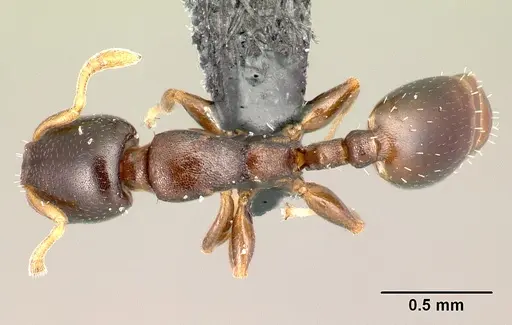
CASENT0143936
View on AntWeb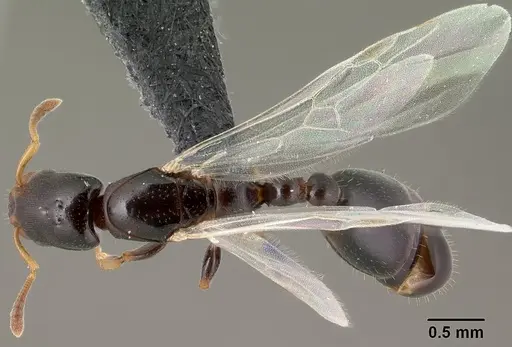
Literature
Loading...Loading products...