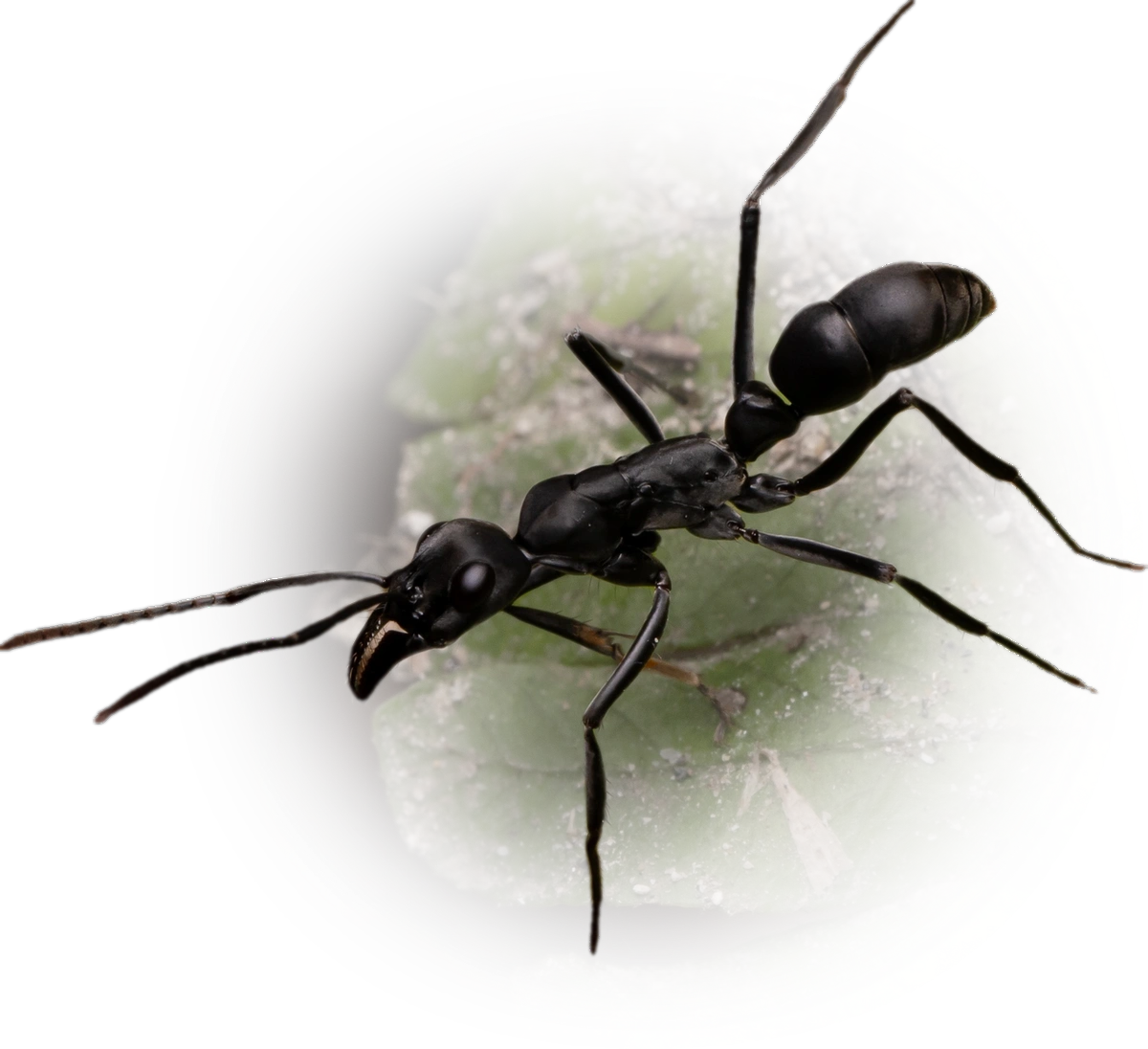

Neoponera verenae
- Scientific Name
- Neoponera verenae
- Tribe
- Ponerini
- Subfamily
- Ponerinae
- Author
- Forel, 1922
- Distribution
- Found in 13 countries
Neoponera verenae Overview
Neoponera verenae is an ant species of the genus Neoponera. It is primarily documented in 13 countries , including Brazil, Colombia, Costa Rica. Detailed taxonomic data and occurrence records can be further explored via authoritative databases such as AntWeb or the Global Biodiversity Information Facility (GBIF).
Neoponera verenae
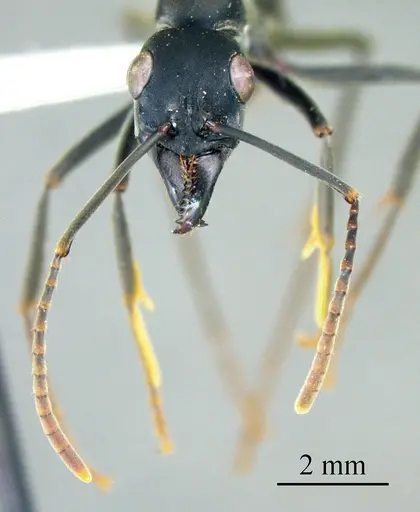
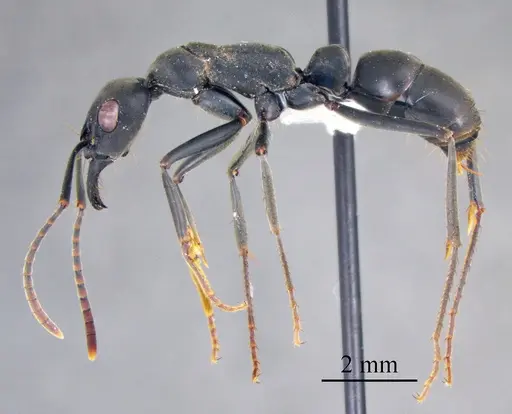
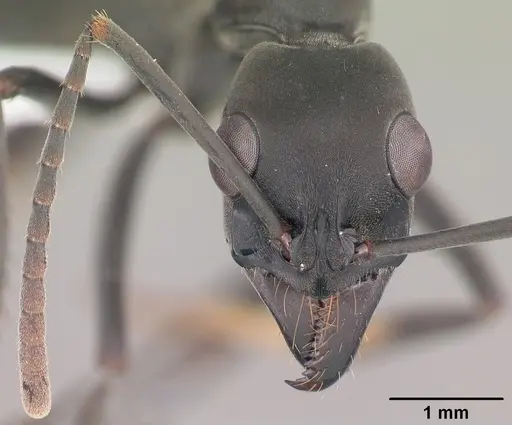
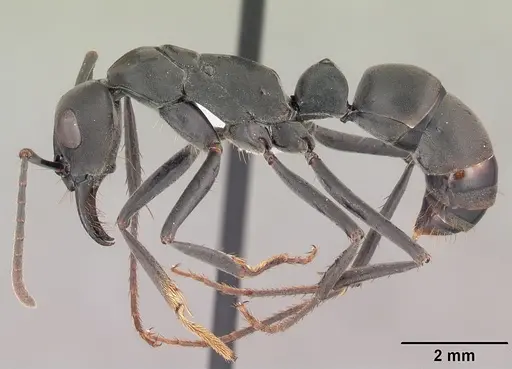
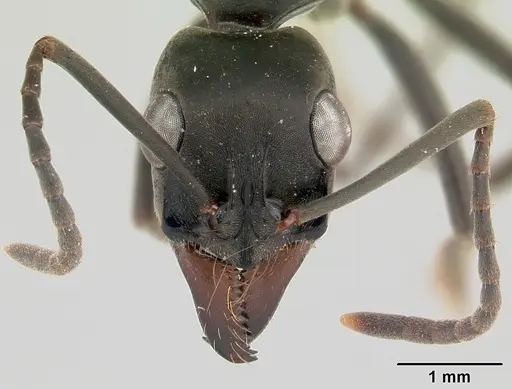
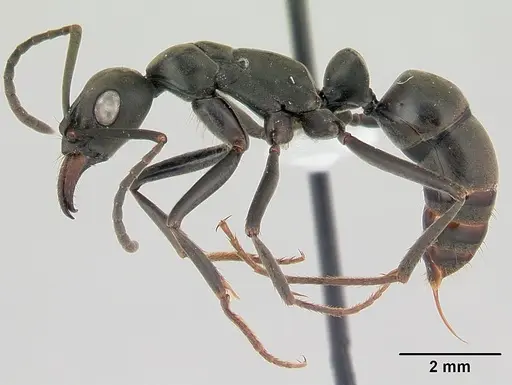
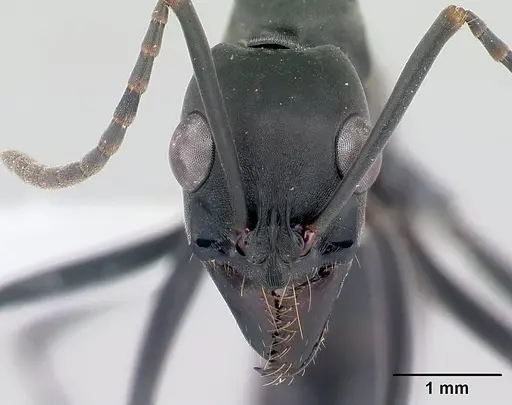
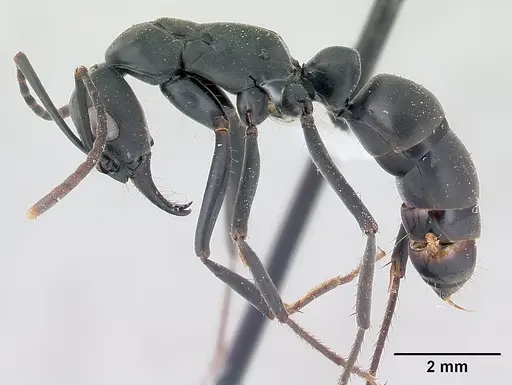
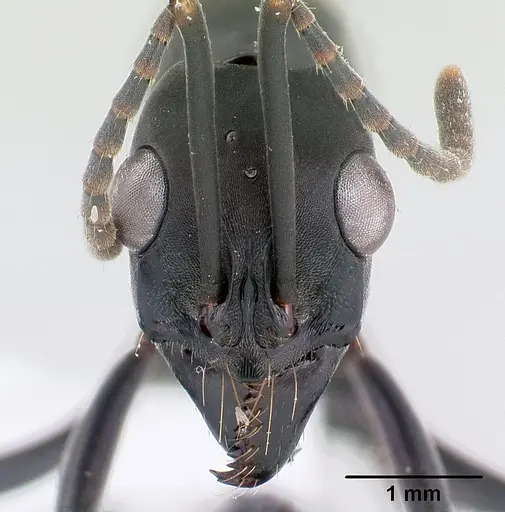
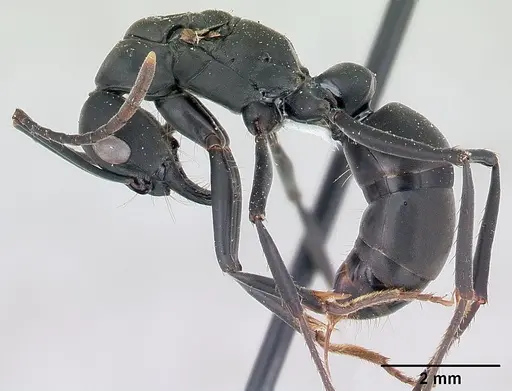
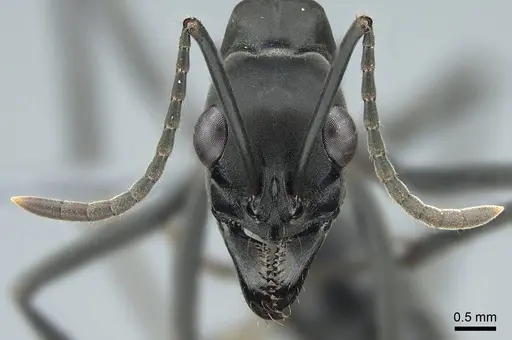
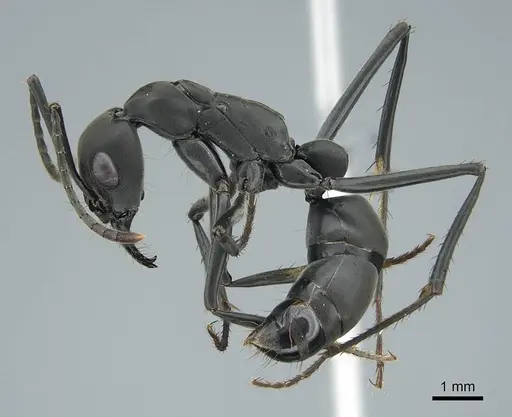
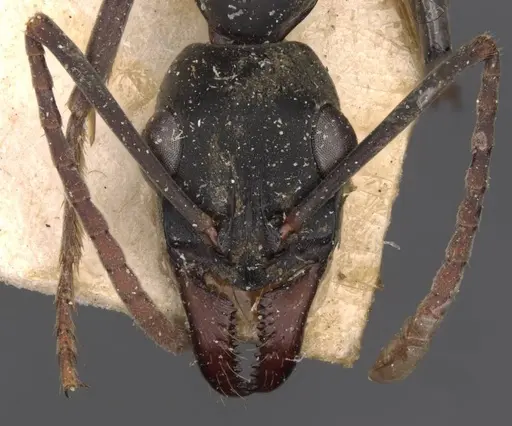
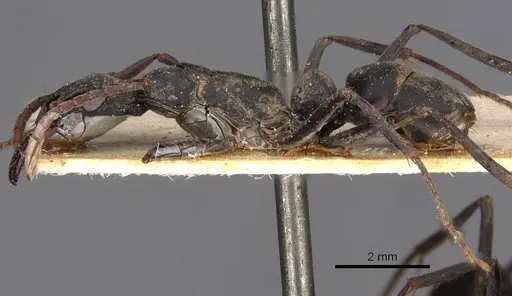
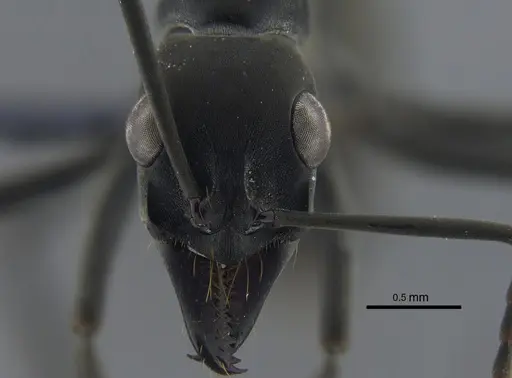
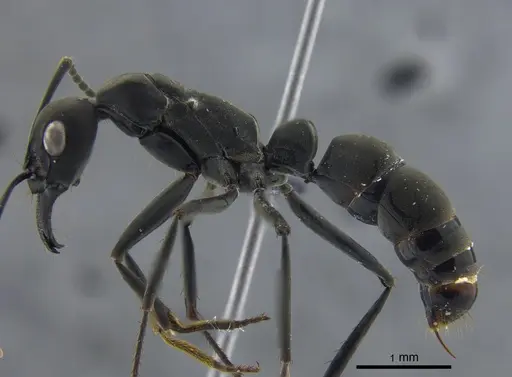
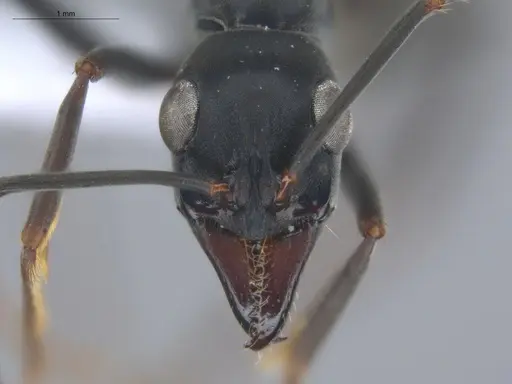
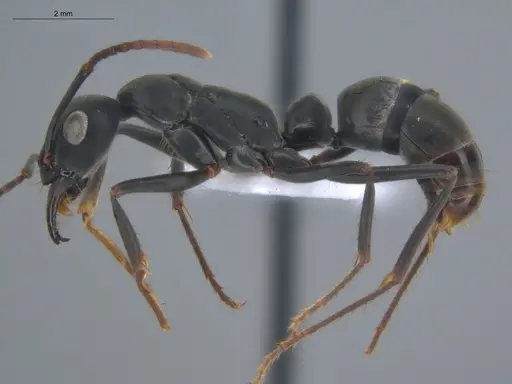
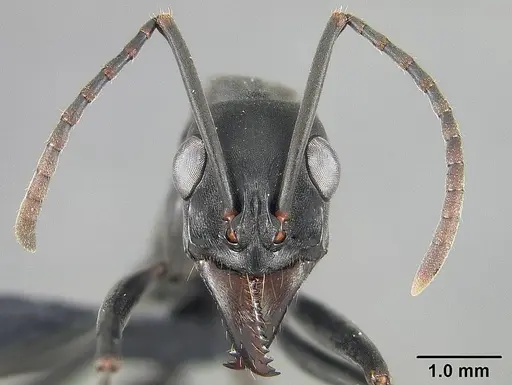
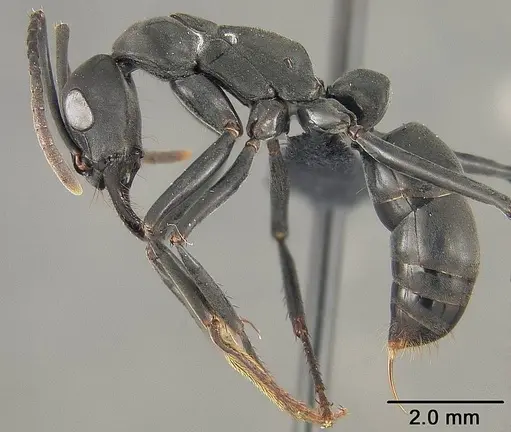
Neoponera verenae is a medium-sized predatory ant native from Mexico down through central South America. Workers are glossy black ants measuring 8-9mm with notably large eyes that occupy more than one-third of the head side, and a sharp carina along the posterior edges of the petiole. Queens are larger at 12mm and similar in appearance to workers. This species was historically confused with Neoponera obscuricornis but was separated as a distinct species in 2005. Colonies are polygynous, meaning they have multiple queens, and remain relatively small with typically under 100 workers. They are skilled predators that hunt insects and also scavenge, using tandem-running to recruit nestmates during nest relocation.
Quick Summary
- Difficulty: Medium
- Origin & Habitat: Tropical and subtropical forests from Mexico to Argentina, sea level to 925m elevation. Found in rainforests, gallery forests, riparian areas, and even cacao plantations and urban environments [1].
- Colony Type: Polygynous (multiple queens per colony). Studies show an average of 1.7 wingless queens per colony, with some nests containing up to 8 reproductive females [2].
- Colony: Optionally polygyne
- Size & Growth:
- Queen: 12mm [1]
- Worker: 8-9mm [1]
- Colony: Under 100 workers, typical colonies contain 26-80 workers [2][1]
- Growth: Moderate
- Development: Unknown, no specific development data available for this species (Development time is unconfirmed. Based on typical Ponerinae patterns, expect 6-10 weeks from egg to worker at tropical temperatures)
- Antkeeping:
- Temperature: Keep at 24-28°C. As a tropical species, they need warm conditions similar to their natural rainforest habitat. A heating cable on one side of the nest creates a suitable gradient.
- Humidity: High humidity required, aim for 70-80%. These ants naturally nest in rotting wood and humid forest environments. Keep the nest substrate consistently moist but not waterlogged.
- Diapause: No, this is a tropical species that does not require hibernation. Maintain warm temperatures year-round.
- Nesting: In nature they nest in rotting wood, logs, twigs, and under stones. In captivity, they do well in naturalistic setups with rotting wood or cork bark, or in acrylic/plaster nests with high humidity. They prefer pre-existing cavities and do not excavate.
- Behavior: These ants are predatory and will actively hunt insects. They use tandem-running to recruit nestmates during nest relocation, with the recruiting ant using a pheromone from its pygidial gland. Workers are not particularly aggressive toward keepers but can deliver a painful sting if handled roughly. They are escape artists when small, ensure enclosures are secure. They do not recruit to food sources like some ants, so you won't see mass foraging raids.
- Common Issues: small colony size means slow population growth, don't expect rapid expansion, tropical species requires consistent warmth, cold temperatures can be fatal, polygynous colonies may have queen conflicts, some workers may harass or kill excess queens, no recruitment to food means foragers work alone, don't mistake this for starvation, high humidity needs can lead to mold if ventilation is poor
Housing and Nest Setup
Neoponera verenae does well in naturalistic setups that mimic their natural nesting preferences. They nest in pre-existing cavities in rotting wood, so provide cork bark, rotting wood pieces, or a naturalistic formicarium with wood sections. They don't excavate tunnels themselves, they move into ready-made spaces. Acrylic or plaster nests work if you provide appropriate humidity chambers, but ensure the chambers aren't too large for their small colony sizes. A small outworld for hunting is sufficient, these aren't extensive foragers. Use a water test tube setup for humidity, and consider misting the nest area regularly to maintain moisture levels. [2][1]
Feeding and Diet
These are predatory ants that hunt and scavenge for protein. In the wild, they eat crickets, cockroaches, termites, lepidopteran larvae, and other insects. In captivity, offer live prey like crickets, mealworms, roaches, and similar insects. They will also scavenge dead insects. Unlike many ants, they don't recruit nestmates to food sources, foragers work alone and bring food back individually. They also carry liquid droplets between their mandibles, so occasional sugar water or honey can be offered, but protein is the primary food source. Feed every 2-3 days, adjusting based on colony size and consumption. [1]
Temperature and Humidity
As a tropical species, Neoponera verenae needs warm and humid conditions. Keep temperatures in the 24-28°C range, they naturally occur in lowland tropical forests where temperatures are consistently warm. A heating cable on one side of the nest creates a gradient allowing workers to self-regulate. Humidity should be high, around 70-80%, mimicking the damp conditions of rotting wood in rainforest floors. Use a water tube setup and mist regularly to maintain moisture. Avoid both drying out and stagnant air, some ventilation is needed to prevent mold while maintaining humidity. [1]
Colony Structure and Behavior
This is a polygynous species with multiple queens per colony. Studies show an average of 1.7 wingless queens per colony, with some nests containing up to 8 reproductive females. Queens are similar in appearance to workers, just larger, this is typical of the genus. Colonies remain small, typically under 100 workers, with most colonies having 26-80 workers. They use tandem-running for nest relocation, where one ant leads a single nestmate at a time using pheromone signals. Workers are not particularly aggressive but can sting if threatened. They do not form large foraging raids, instead, individual foragers hunt alone. [2][1]
Growth and Development
Colony growth is relatively slow compared to many common ant species. The small colony size (under 100 workers) means you won't see rapid population explosions. Development time from egg to worker is not specifically documented for this species, but based on typical Ponerinae development patterns at tropical temperatures, expect approximately 6-10 weeks. The first workers (nanitics) will be smaller than mature workers. Because colonies are polygynous, multiple queens contribute to egg production, which helps maintain steady but slow growth. Be patient, these ants are long-lived and colonies build up gradually over years. [2]
Frequently Asked Questions
How long does it take for Neoponera verenae to produce first workers?
Exact development time is unconfirmed for this species. Based on typical Ponerinae patterns at 24-28°C, expect approximately 6-10 weeks from egg to first worker. The founding queen will need to tend the brood alone until nanitics emerge.
Can I keep multiple Neoponera verenae queens together?
Yes, this is a naturally polygynous species. Wild colonies typically have 1-3 queens, with some nests containing up to 8 reproductive females. Unlike many species where multiple queens fight, these ants have evolved to coexist. You can keep multiple foundresses together if you're starting a colony from scratch.
What do Neoponera verenae ants eat?
They are predatory ants that eat insects. Offer live crickets, mealworms, roaches, termites, and other small insects. They also scavenge dead insects. Occasional sugar water or honey can be offered, but protein-rich prey should be the main food source. They don't recruit to food like some ants, foragers work alone.
How big do Neoponera verenae colonies get?
Colonies remain relatively small. Wild colonies typically have under 100 workers, with studies showing averages of 26-80 workers per colony. They are not a rapidly expanding species, colonies grow slowly over time.
Do Neoponera verenae need hibernation?
No, they are a tropical species and do not require hibernation. Keep them warm year-round at 24-28°C. Cold temperatures can be harmful or fatal to this species.
What is the best nest type for Neoponera verenae?
They prefer naturalistic setups with rotting wood, cork bark, or similar pre-existing cavities. They don't excavate themselves, they move into ready-made spaces. High humidity is essential, so ensure your setup can maintain moisture. Acrylic or plaster nests work if humidity is properly maintained.
Are Neoponera verenae good for beginners?
They are rated as medium difficulty. The main challenges are maintaining proper humidity and temperature, and accepting that colonies grow slowly. They are not as forgiving as some common species, but with attention to their tropical requirements, they can be kept successfully by intermediate antkeepers.
Why don't my Neoponera verenae recruit to food?
This is normal behavior. Unlike many ants that use recruitment pheromones to bring nestmates to food, Neoponera verenae foragers work alone. They use tandem-running only for nest relocation, not for food recruitment. Individual foragers bring food back to the nest, you won't see mass raids.
When should I move Neoponera verenae to a formicarium?
Wait until the colony has at least 15-20 workers and is actively using a hunting area. Since they nest in pre-existing cavities, a naturalistic setup often works best from the start. Only move if the test tube setup becomes too cramped or dries out too quickly.
References

This caresheet is licensed under CC BY-SA 4.0 .
ANTWEB1041420
View on AntWeb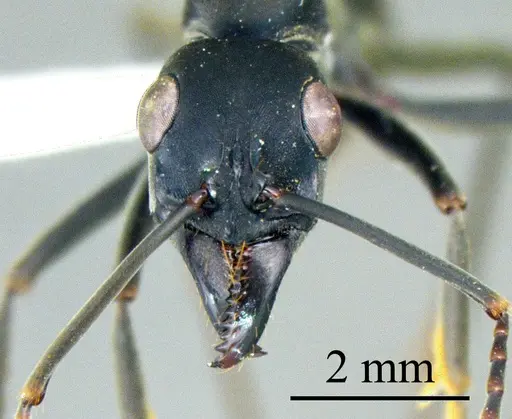
CASENT0103061
View on AntWeb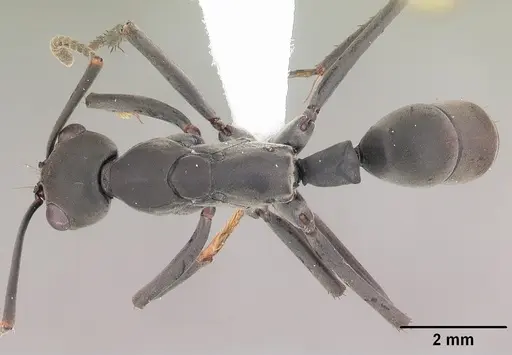
CASENT0178187
View on AntWeb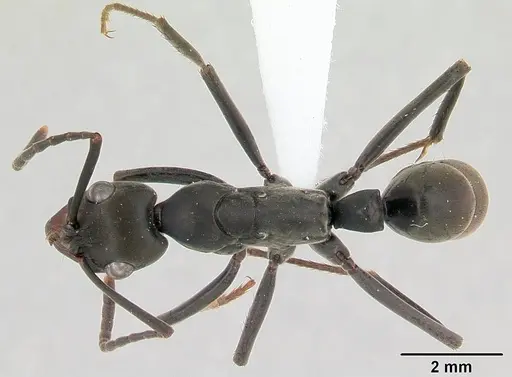
CASENT0178684
View on AntWeb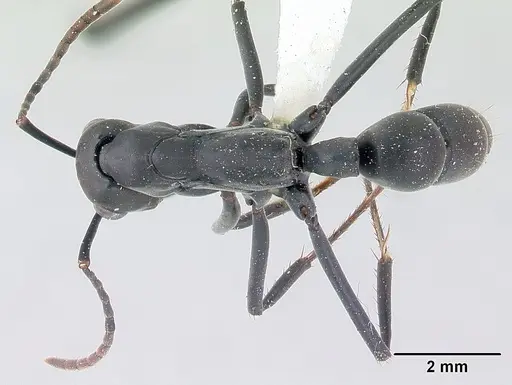
CASENT0178685
View on AntWeb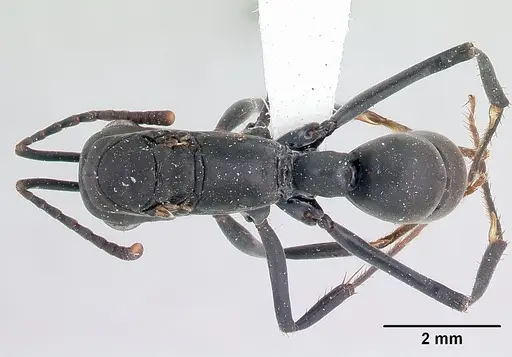
CASENT0845821
View on AntWeb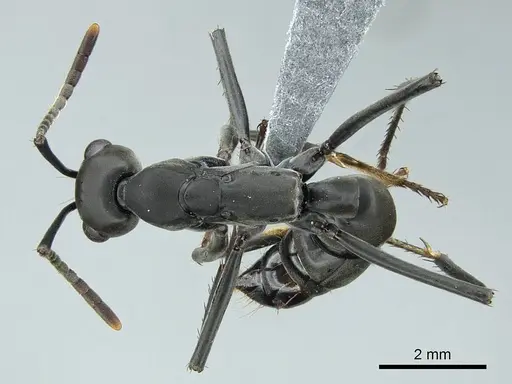
CASENT0907236
View on AntWeb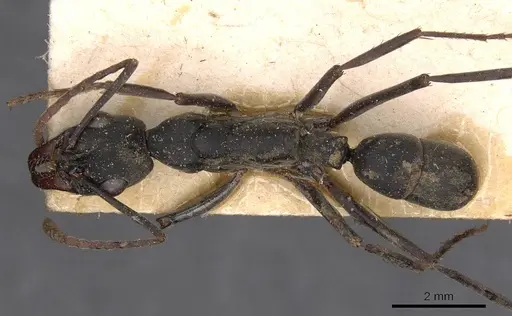
CBUMAGENT41726
View on AntWeb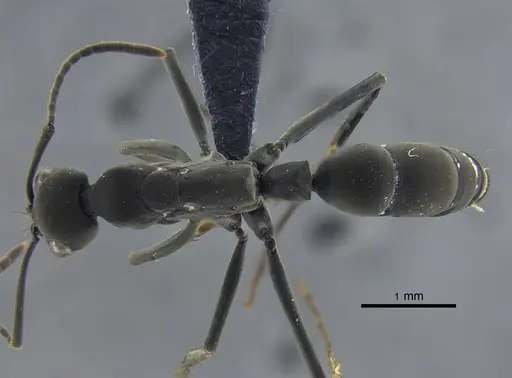
ECOFOG-MI15-0124-31
View on AntWeb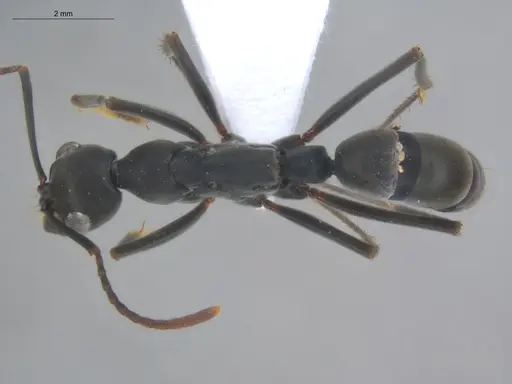
USNMENT01124301
View on AntWeb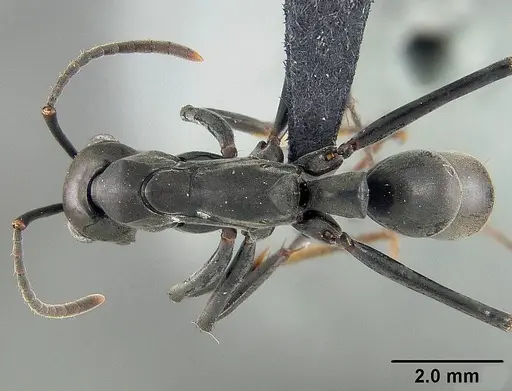
Literature
Loading...Loading products...