

Neoponera solisi
- Scientific Name
- Neoponera solisi
- Tribe
- Ponerini
- Subfamily
- Ponerinae
- Author
- MacKay & MacKay, 2010
- Distribution
- Found in 1 countries
Neoponera solisi Overview
Neoponera solisi is an ant species of the genus Neoponera. It is primarily documented in 1 countries , including Costa Rica. Detailed taxonomic data and occurrence records can be further explored via authoritative databases such as AntWeb or the Global Biodiversity Information Facility (GBIF).
Neoponera solisi
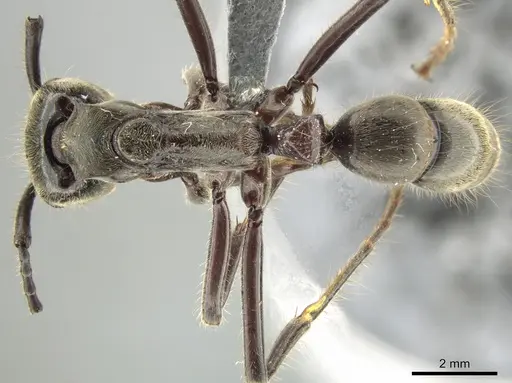
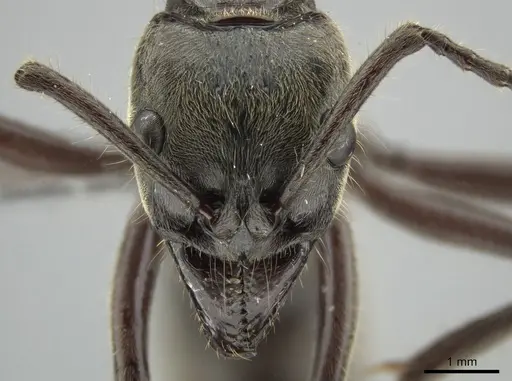
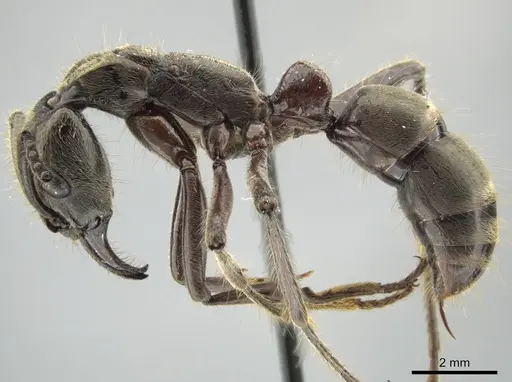
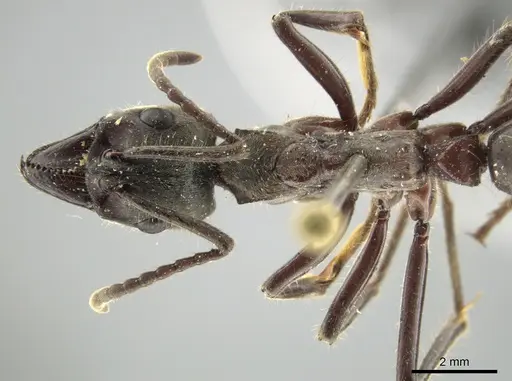
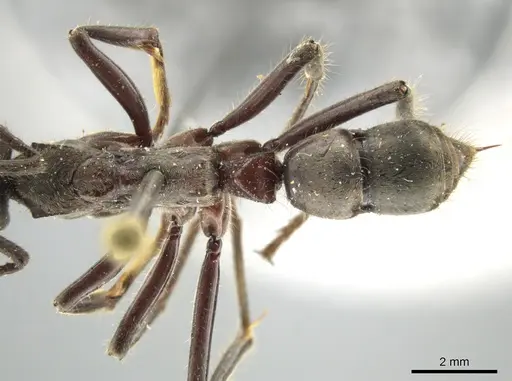
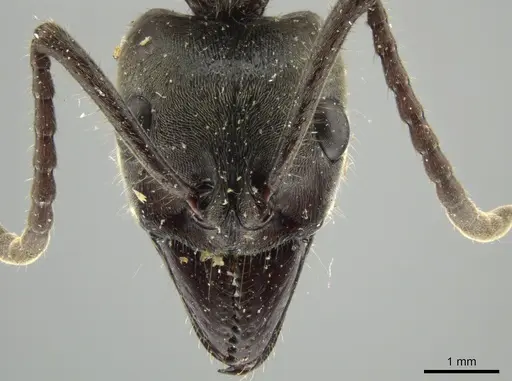
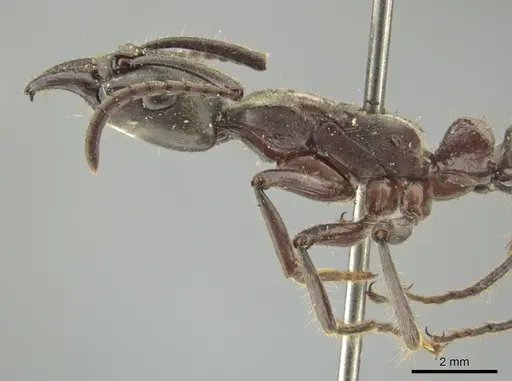
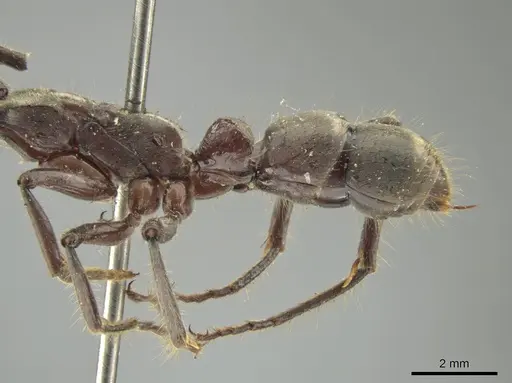
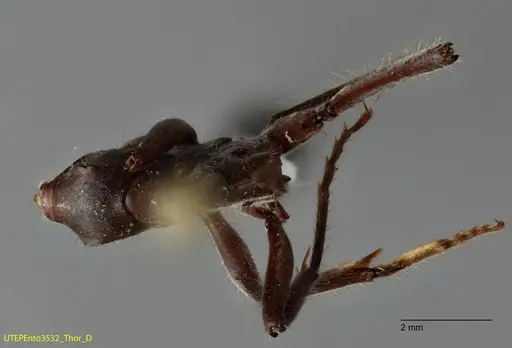
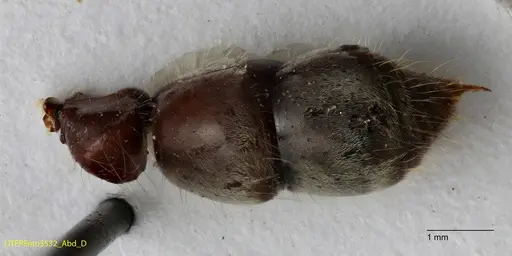
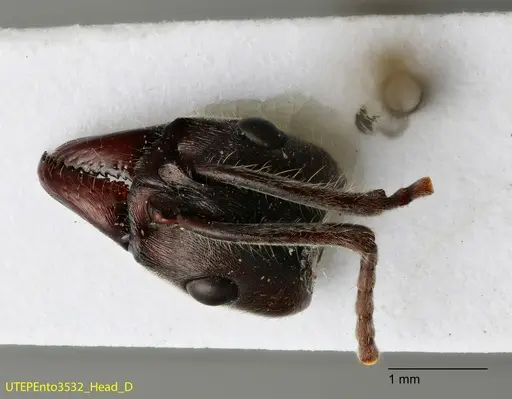
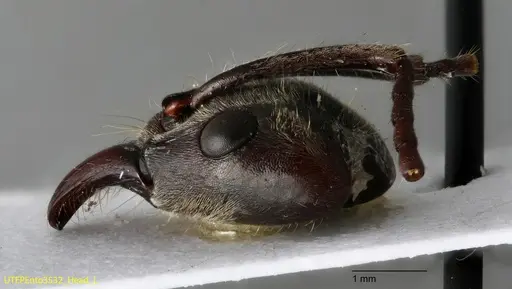
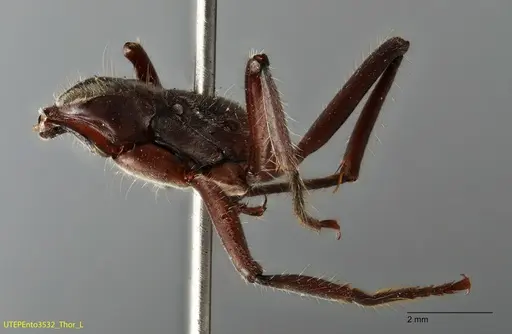
Neoponera solisi is a moderately large ponerine ant native to the tropical forests of Costa Rica, specifically found in the Heredia region. Workers measure around 13mm in total length and are entirely black with large eyes positioned in the middle of the head. Queens are significantly larger at 18mm, also black with reddish-brown appendages. This species belongs to the foetida species group and can be identified by its smooth, glossy posterior face of the petiole and partially developed malar carina. Males have not been documented for this species. The species was originally described as Neoponera solisi in 2010 and named in honor of Costa Rican myrmecologist Manuel Solís.
Quick Summary
- Difficulty: Expert
- Origin & Habitat: Tropical rainforests of Costa Rica, specifically Heredia province at elevations of 400-600 meters. Found in lowland tropical forest habitats.
- Colony Type: Colony structure is unconfirmed, no field observations of wild colonies exist. Based on related Neoponera species, likely forms single-queen colonies.
- Size & Growth:
- Queen: 18mm [1]
- Worker: 13mm total length [1]
- Colony: Unknown, no colony size data exists
- Growth: Unknown, no development data exists
- Development: Unknown, no direct development data exists. Based on typical Neoponera patterns, estimate 8-12 weeks at optimal temperature. (Estimated based on genus-level data for related Ponerinae, direct observations are needed for this species)
- Antkeeping:
- Temperature: Keep warm at 24-28°C. Provide a thermal gradient allowing the ants to choose their preferred temperature. This species comes from tropical Costa Rica so warmth is important.
- Humidity: High humidity required, aim for 70-80%. Keep the nest substrate consistently moist but not waterlogged. Ponerine ants from tropical forests need damp conditions.
- Diapause: Likely minimal or no true diapause given the tropical origin. However, some seasonal slowdowns may occur during drier periods. More observation needed.
- Nesting: In the wild, Neoponera typically nest in soil, rotting wood, or under stones in forest floor habitats. In captivity, a naturalistic setup with moist substrate or a Y-tong/plaster nest works well. Provide chambers scaled to their moderate size.
- Behavior: Neoponera solisi is a ponerine ant, which means it is predatory and likely has a potent sting. Based on related species in the genus, workers are active foragers that hunt small invertebrates. They are likely moderately aggressive in defense of their colony. Escape prevention should be excellent, while not tiny, they are large enough to explore and may attempt to escape. Their large eyes suggest they may rely more on visual cues than some other ponerines.
- Common Issues: no biological data exists, all care recommendations are estimates based on genus-level patterns, colony founding is unconfirmed, may be semi-claustral requiring the queen to hunt, temperature and humidity requirements are estimated, not directly studied, growth rate is unknown, colonies may grow slowly or quickly, requiring careful observation, predatory diet means live prey is essential, they cannot survive on sugar alone like some ants
Species Identification and History
Neoponera solisi was originally described as Neoponera solisi by Mackay and Mackay in 2010,based on worker and queen specimens collected from Heredia, Costa Rica. The species was later moved to the genus Neoponera during a 2014 revision of Pachycondyla. It belongs to the foetida species group, which is characterized by certain morphological features including the structure of the clypeus and petiole. The species was named to honor Manuel Solís, a Costa Rican myrmecologist who provided the type series. This is a relatively recently described species, and much remains to be learned about its biology in the wild. [1]
Natural Habitat and Distribution
This species is known only from the Heredia province of Costa Rica, specifically from the Braulio Carrillo National Park area at elevations between 400-600 meters. This region consists of tropical rainforest at low to mid elevations. The habitat is characterized by high humidity, warm temperatures year-round, and dense forest cover. Nothing is known about the specific microhabitat preferences of this species within the forest, but related Neoponera species typically nest in soil, under stones, or in rotting wood on the forest floor. [1]
Appearance and Morphology
Workers are moderately large at 13mm total length and are entirely black. The head has convex sides that narrow toward the front, with a concave posterior border. The eyes are large and positioned in the middle of the head side, which distinguishes this species from similar species like Neoponera chyzeri where eyes are more anterior. The malar carina is partially developed, extending about two-thirds of the distance to the eye. The petiole has a distinctive smooth and glossy posterior face, unlike the punctate surface found in related species. Queens are significantly larger at 18mm, black with reddish-brown legs and antennae. Both castes have erect hairs of varying lengths and appressed pubescence on the body. [1]
Care Recommendations Based on Genus Patterns
Since no biological data exists for this species, all care recommendations must be inferred from related Neoponera species and general Ponerinae husbandry. Keep the nest at 24-28°C with high humidity around 70-80%. The substrate should remain consistently moist. As a predatory ponerine, these ants will need a protein-based diet consisting of small live invertebrates such as mealworms, crickets, or other appropriate-sized prey. Sugar water or honey may be accepted as supplementary energy but should not replace protein sources. Provide a test tube setup for founding colonies, transitioning to a larger formicarium as the colony grows. Given the lack of species-specific data, keepers should observe their colonies carefully and adjust conditions based on colony health and activity levels.
Temperament and Defense
As a member of the Ponerinae subfamily, Neoponera solisi possesses a functional sting that is used for subduing prey and defending the colony. Ponerine ants typically have potent stings, and this species should be handled with appropriate caution. Workers are likely active foragers that hunt individually or in small groups, using their large eyes to locate prey. While not typically aggressive toward humans unless threatened, the sting may cause discomfort. Escape prevention should be maintained, though this species is not particularly small and standard barriers should be adequate.
Frequently Asked Questions
How long does it take for Neoponera solisi to produce first workers?
The egg-to-worker timeline is unknown as no development data exists for this species. Based on typical Neoponera and Ponerinae patterns, expect approximately 8-12 weeks from egg to adult worker at optimal temperature. However, this is purely an estimate and actual times may vary.
What do Neoponera solisi ants eat?
As a predatory ponerine ant, they require protein-rich food sources. Offer small live invertebrates such as mealworms, crickets, fruit flies, or other appropriately sized prey. Sugar water or honey may be accepted as supplementary energy but protein is essential for brood development.
Are Neoponera solisi ants dangerous?
Yes, they possess a functional sting used for prey capture and colony defense. While not typically aggressive toward keepers, they will sting if threatened. The sting of related Ponerine ants can cause significant pain, though severe reactions are uncommon.
What temperature and humidity do Neoponera solisi need?
Keep them warm at 24-28°C with high humidity around 70-80%. These ants come from tropical Costa Rica and need warm, damp conditions. Provide a moisture source in the nest and monitor substrate dampness.
Can I keep multiple Neoponera solisi queens together?
Colony structure is unconfirmed for this species. No data exists on whether they are monogyne (single queen) or can form multi-queen colonies. Based on related species, single-queen colonies are most common. Combining unrelated queens is not recommended without evidence they can coexist.
How big do Neoponera solisi colonies get?
Maximum colony size is unknown, no wild colony data exists for this species. Related Neoponera species typically form colonies ranging from dozens to a few hundred workers. Expect moderate colony growth over time.
Do Neoponera solisi need hibernation?
Likely no true hibernation is required, given their tropical origin in Costa Rica. Some seasonal reduction in activity may occur during natural dry periods, but this is not a true diapause. Keep temperatures stable year-round.
Is Neoponera solisi good for beginners?
No, this species is rated Expert difficulty. No biological data exists for the species, meaning all care must be based on genus-level inference. Additionally, they require live prey, high humidity, and warm conditions, with a potent sting requiring careful handling.
What type of nest should I use for Neoponera solisi?
A naturalistic setup with moist substrate, or a Y-tong/plaster nest works well. Provide chambers scaled to their moderate 13mm worker size. The nest must maintain high humidity and should include areas for brood chambers and food storage.
Why is there no information about Neoponera solisi biology?
This is a recently described species (2010) known only from a few specimens collected in Costa Rica. No field studies have been conducted on wild colonies, and no captive breeding observations exist. The species remains poorly studied in the scientific literature.
References

This caresheet is licensed under CC BY-SA 4.0 .
Literature
Loading...Loading products...