

Neoponera schoedli
- Scientific Name
- Neoponera schoedli
- Tribe
- Ponerini
- Subfamily
- Ponerinae
- Author
- MacKay & MacKay, 2006
- Distribution
- Found in 1 countries
Neoponera schoedli Overview
Neoponera schoedli is an ant species of the genus Neoponera. It is primarily documented in 1 countries , including Ecuador. Detailed taxonomic data and occurrence records can be further explored via authoritative databases such as AntWeb or the Global Biodiversity Information Facility (GBIF).
Neoponera schoedli
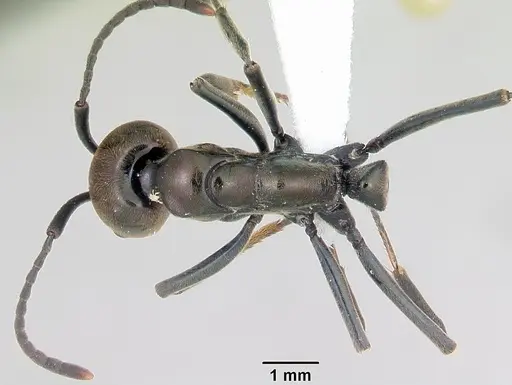
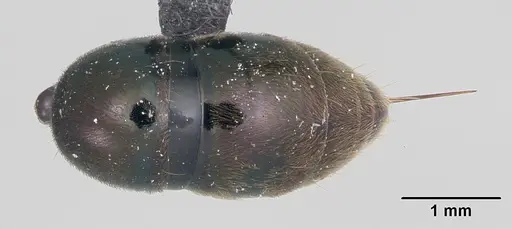
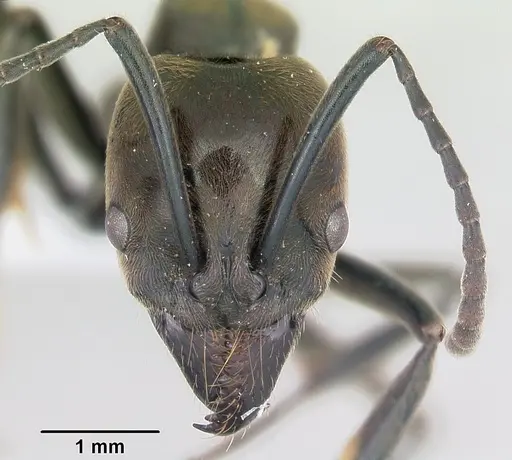
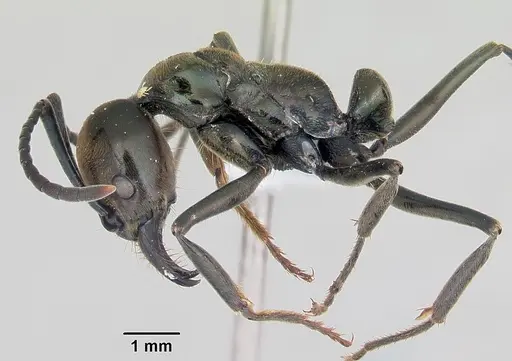
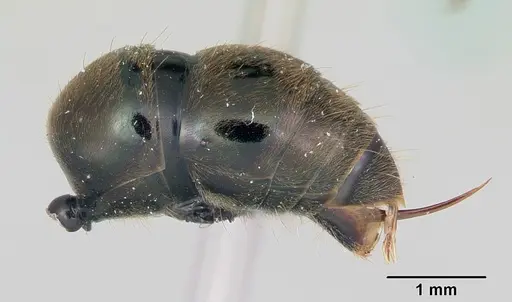
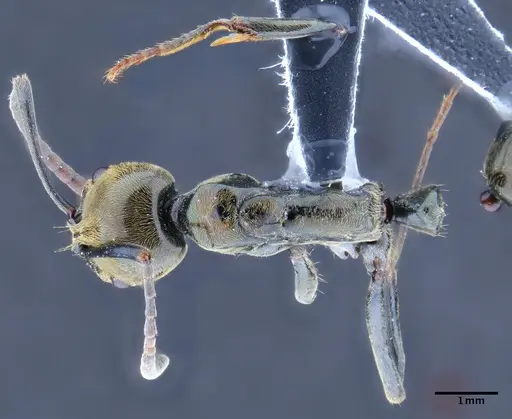
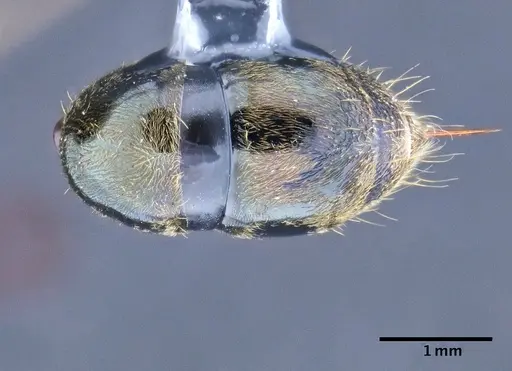
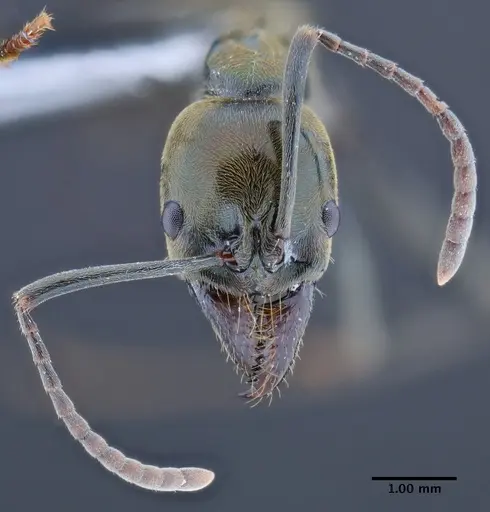
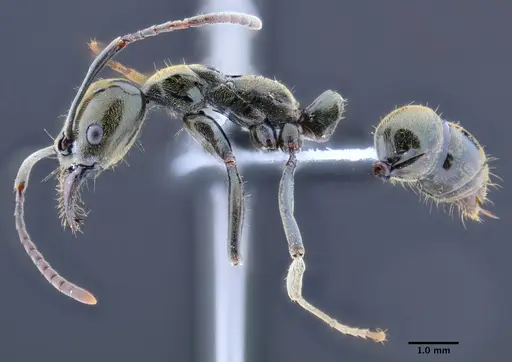
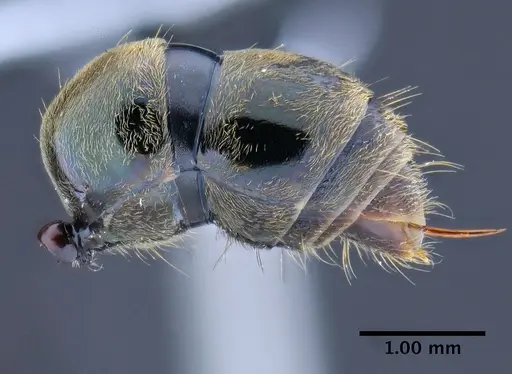
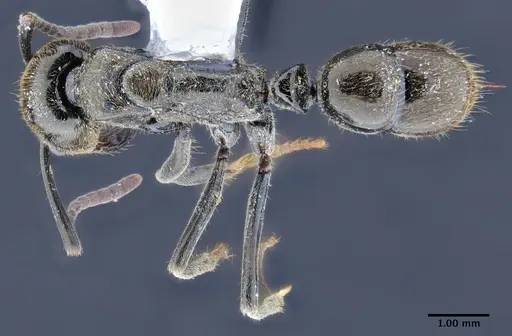
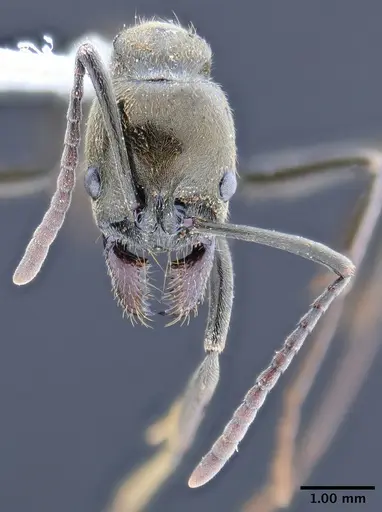
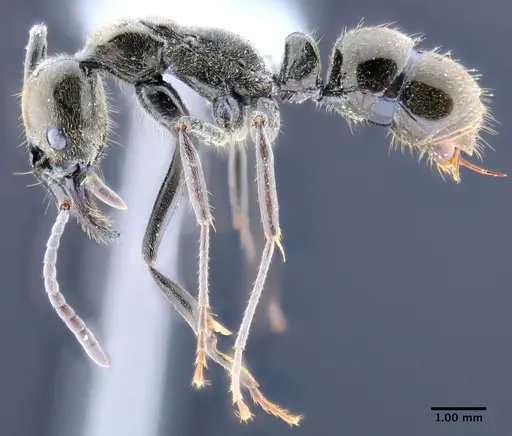
Neoponera schoedli is a medium-sized ponerine ant native to the montane forests of Ecuador. Workers reach about 10mm in total length and are mostly black with a shiny appearance and subtle bluish or greenish reflections on the head and mesosoma [1]. This species belongs to the Neoponera aenescens species complex and was only described in 2006,making it one of the more recently discovered Neotropical ants [1]. The species was named in honor of Dr. Stefan Schödl, a Viennese myrmecologist. Unlike some related species, N. schoedli has a relatively smooth and glossy mesopleuron rather than rough sculpturing. These ants are found at high elevations between 1978-2150 meters in Ecuador's cloud forests [1][2].
Quick Summary
- Difficulty: Medium
- Origin & Habitat: Ecuador, Pichincha province, Bellavista Reserve at 2150m elevation. Montane cloud forest habitat [1][2].
- Colony Type: Unknown colony structure. Only the worker caste has been described. Colony type (single-queen or multi-queen) has not been documented.
- Size & Growth:
- Queen: Unknown, queen caste has not been described
- Worker: 10mm total length [1]
- Colony: Unknown, no colony size data available
- Growth: Unknown, no development data available
- Development: Unknown, no direct measurements. Based on typical Neoponera patterns, estimate 6-10 weeks at optimal temperature. (Development timeline has not been studied. Related Neoponera species typically take 6-10 weeks from egg to first worker.)
- Antkeeping:
- Temperature: Keep warm, around 24-28°C. This species comes from montane Ecuador where temperatures are moderate but not cold. Provide a temperature gradient so ants can choose their preferred zone.
- Humidity: High humidity required, these are cloud forest ants. Keep nest substrate consistently moist but not waterlogged. Aim for 70-85% humidity in the nest area.
- Diapause: Unknown, no data on overwintering requirements. The high-elevation Ecuador habitat suggests they may tolerate cooler conditions than lowland tropical species but likely do not require true hibernation.
- Nesting: Natural nesting: forest litter. In captivity, a naturalistic setup with moist substrate (soil/peat mix) works well, or a Y-tong/plaster nest with moisture reservoirs. Provide deep substrate for tunneling.
- Behavior: Temperament: Likely defensive like most Ponerinae, they can deliver a painful sting if provoked. Foraging style: probably a solitary predator like other Neoponera species, hunting small invertebrates in the leaf litter. Escape risk: medium, workers are 10mm so standard barriers should work, but they are fast-moving and may explore for exits.
- Common Issues: no colony data available, starting from wild-caught foundress may be difficult since founding behavior is unknown, temperature and humidity requirements are inferred, not confirmed, monitor colony response and adjust, development timeline unknown makes planning difficult, be patient, only worker caste known, if you find a queen, her care requirements are unconfirmed, high humidity needs can lead to mold problems if ventilation is poor
Nest Preferences
In the wild, Neoponera schoedli has been found in forest litter at high elevations in Ecuador's cloud forests [1]. The type series was extracted from leaf litter samples, suggesting they nest in the upper layers of decomposing vegetation and soil in montane forest environments [1]. For captive care, a naturalistic setup with a deep substrate layer (a mix of soil, peat, and coco fiber) works well to mimic their natural litter-layer nesting. The substrate should be kept moist but with some variation, allow the surface to dry slightly between rehydrations while keeping deeper areas damp. A Y-tong (acrylic) nest with narrow chambers and a water reservoir can also work, but ensure humidity is maintained through regular misting or a moisture chamber. These ants do not need elaborate nest structures, they will tunnel and create their own chambers in suitable substrate.
Feeding and Diet
Neoponera species are typically predatory, hunting small invertebrates in the leaf litter. While specific diet data for N. schoedli is lacking, related species in the genus are known to be predators that capture and subdue prey with their sting. In captivity, offer a varied diet including live prey such as small crickets, mealworms, fruit flies, and other small insects. Protein-rich foods should be the primary diet. Some Neoponera species will accept sugar water or honey as an energy source, but protein is essential for brood development. Feed every 2-3 days, removing uneaten prey after 24 hours to prevent mold. Since this species is poorly known, be prepared to experiment with prey sizes, start with prey items that are appropriately sized for a 10mm ant.
Temperature and Care
This species comes from Ecuador's montane forests at 1978-2150m elevation, where temperatures are moderate year-round [1]. In captivity, aim for temperatures in the 24-28°C range, warm but not hot. Provide a temperature gradient by placing the nest on one side of the enclosure with a gentle heat source (like a heating cable on low) so workers can regulate their temperature by moving between zones. Room temperature in most homes (20-24°C) may be slightly cool, monitor colony activity. If workers cluster near the warm side, increase heat slightly. If they avoid the heated area, reduce temperature. High humidity is important, maintain 70-85% in the nest area. Use a moisture reservoir or regular misting to achieve this, but ensure adequate ventilation to prevent stagnant air and mold.
Behavior and Temperament
As a Ponerinae ant, Neoponera schoedli likely has a potent sting, these ants are not aggressive but will defend if threatened. The genus is known for solitary foraging rather than mass recruitment, meaning workers hunt alone rather than forming foraging trails. Workers are relatively large (10mm) and fast-moving, with good vision thanks to their compound eyes. They are probably nocturnal or crepuscular foragers based on the typical patterns of the genus. In captivity, observe them during evening hours when they are most active. They will likely explore the outworld regularly, searching for prey. Escape prevention is important, while not tiny, they are agile and can find small gaps. Use standard barrier methods (fluon on rim edges) and ensure any connections between nest and outworld are secure. Their defensive sting means they should be handled with care, never provoke or corner them. [1]
Colony Founding
The colony founding behavior of Neoponera schoedli has not been documented in scientific literature. Only the worker caste has been described, and no queen or founding colony observations exist [1][2]. Based on typical Neoponera genus patterns, the species is likely either claustral (queen seals herself in and raises first workers alone on stored fat) or semi-claustral (queen leaves the nest to hunt during founding). If you obtain a wild-caught queen, the safest approach is to provide a claustral setup: a test tube or small container with moist substrate, kept in darkness, with no food offered initially. Observe for signs of egg-laying and development. If the queen appears active and leaves the chamber, offer small live prey. Be patient, founding can take several months.
Growth and Development
No specific development data exists for Neoponera schoedli. The species was only described in 2006 and has been rarely studied since. Based on related Neoponera species and general Ponerinae patterns, the egg-to-worker timeline is estimated at 6-10 weeks at optimal temperature (around 26°C). First workers (nanitics) will likely be smaller than mature workers. Colony growth is probably slow initially, Ponerine colonies typically develop more slowly than many Myrmicinae species. Do not expect rapid growth. A founding queen may take 2-3 months to produce her first workers, and the colony may remain small (under 50 workers) for the first year. Patience is essential with this species. Monitor brood development but avoid disturbing the nest frequently.
Frequently Asked Questions
How long does it take for Neoponera schoedli to produce first workers?
The exact timeline is unknown, no development studies exist for this species. Based on related Neoponera species, expect 6-10 weeks from egg to first worker at optimal temperature (around 26°C). First workers may take 2-3 months to appear after the queen lays eggs. Be patient, Ponerine ants grow more slowly than many common ant species.
What do Neoponera schoedli ants eat?
Like other Neoponera species, they are likely predatory. Feed small live insects (fruit flies, small crickets, mealworms) as a primary food source. They may also accept sugar water or honey. Remove uneaten prey after 24 hours. Protein is essential for brood development.
What temperature do Neoponera schoedli ants need?
Keep them warm, around 24-28°C. This species comes from Ecuador's montane forests where temperatures are moderate. Provide a temperature gradient so they can regulate their own temperature. Room temperature alone may be slightly cool.
What humidity level do Neoponera schoedli ants need?
High humidity, aim for 70-85% in the nest area. These are cloud forest ants from high-elevation Ecuador. Keep the substrate consistently moist but not waterlogged. Regular misting or a moisture reservoir helps maintain humidity.
Are Neoponera schoedli ants good for beginners?
This species is not ideal for beginners. It is poorly studied with no confirmed care data, and colony structure (single-queen vs multi-queen) is unknown. Only the worker caste has been described. If you want a rewarding Neoponera experience, consider better-studied species like Neoponera villosa or Neoponera compressicornis which have more documented care information.
How big do Neoponera schoedli colonies get?
Colony size is unknown, no data exists on maximum colony size for this species. Related Neoponera species typically form colonies of several hundred workers. Expect slow growth and a colony that remains small for the first year.
Can I keep multiple Neoponera schoedli queens together?
Unknown, colony structure has not been documented. The species may be monogyne (single queen) or polygyne (multiple queens), but we have no data. Do not combine unrelated queens unless you are prepared for potential aggression and colony failure.
Do Neoponera schoedli ants need hibernation?
Unknown, no data on overwintering requirements. The high-elevation Ecuador habitat suggests they may tolerate cooler conditions but likely do not require true hibernation like temperate species. If you choose to provide a cool period, keep temperatures above 15°C and reduce feeding.
When are Neoponera schoedli nuptial flights?
Unknown, nuptial flight timing has not been documented. Foragers have been collected in June and November in Ecuador [1], but this does not necessarily indicate flight timing. If you keep this species, expect flights could occur during warm, humid periods.
References

This caresheet is licensed under CC BY-SA 4.0 .
Literature
Loading...Loading products...