

Neoponera moesta
- Scientific Name
- Neoponera moesta
- Tribe
- Ponerini
- Subfamily
- Ponerinae
- Author
- Mayr, 1870
- Distribution
- Found in 13 countries
Neoponera moesta Overview
Neoponera moesta is an ant species of the genus Neoponera. It is primarily documented in 13 countries , including Argentina, Brazil, Colombia. Detailed taxonomic data and occurrence records can be further explored via authoritative databases such as AntWeb or the Global Biodiversity Information Facility (GBIF).
Neoponera moesta
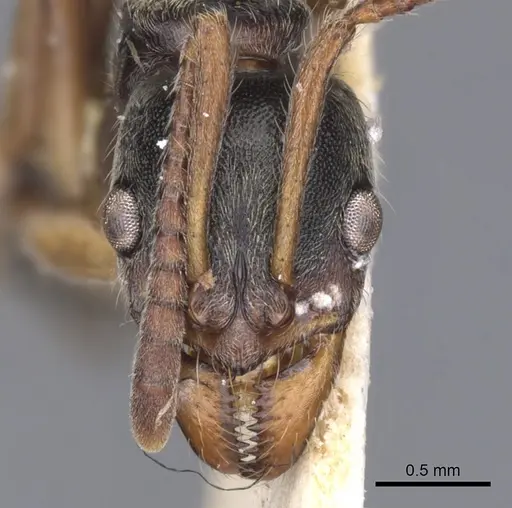
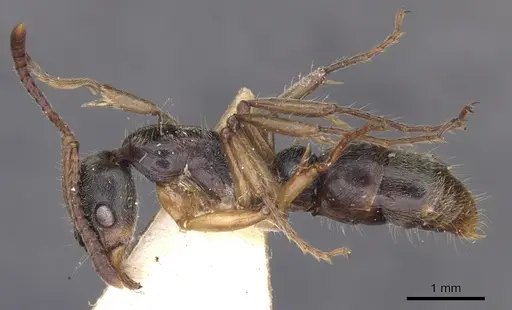
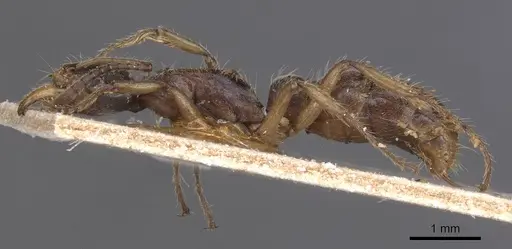
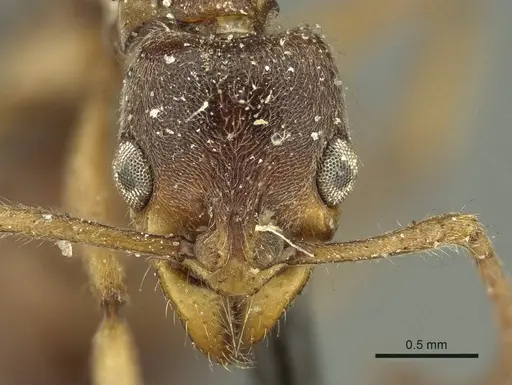
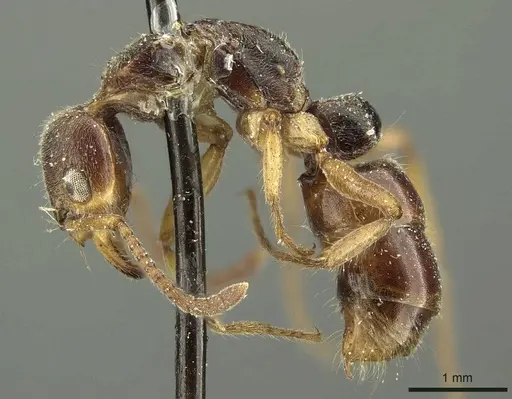
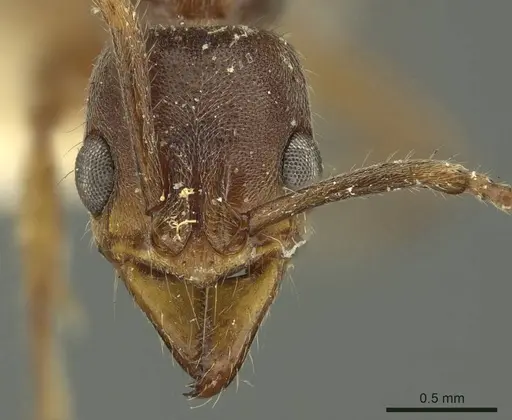
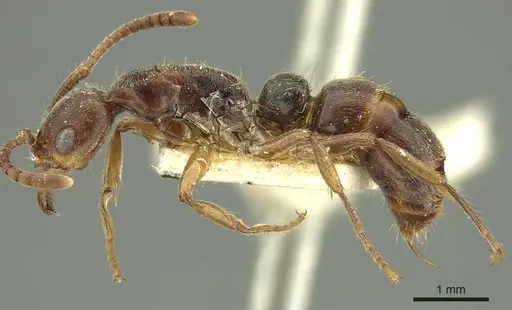
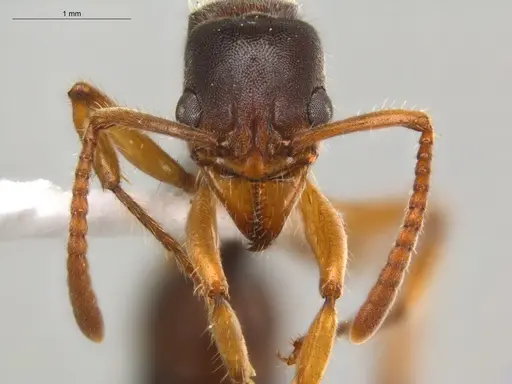
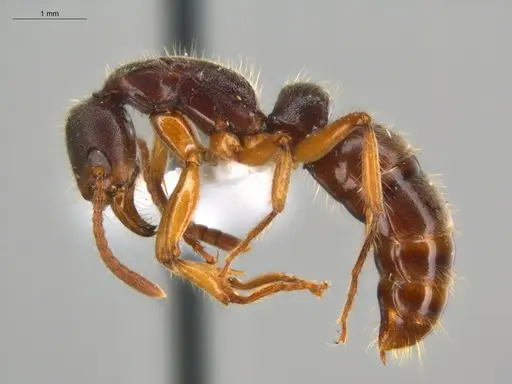
Neoponera moesta is a medium-sized ponerine ant native to Central and South America, ranging from Mexico down to Argentina. Workers measure around 6.5mm and have a distinctive reddish-brown coloration with a dark reddish-brown petiole and gaster. The species is part of the N. crenata species complex and can be distinguished by the unique shape of the petiole, which has the apex distinctly lower anteriorly than posteriorly. This arboreal species nests in dead twigs, bromeliads, and tree cavities, making it a fascinating choice for antkeepers interested in tropical arboreal species. Despite being relatively common in field samples, virtually nothing is known about its natural history in the scientific literature [1].
Quick Summary
- Difficulty: Medium
- Origin & Habitat: Tropical wet and cloud forests of Central and South America, from Mexico to Argentina, typically found at elevations up to 1285m. Nests in dead twigs hanging from the canopy, bromeliads, and tree cavities [1][2].
- Colony Type: Colony structure is unconfirmed. Found in twigs and bromeliads, suggesting small to moderate colony sizes typical of arboreal species.
- Size & Growth:
- Queen: 7mm [2]
- Worker: 6.4-6.5mm [3][2]
- Colony: Unknown, likely small to moderate based on arboreal nesting in twigs
- Growth: Unknown
- Development: Unknown, likely 6-10 weeks based on typical Ponerinae development patterns (No direct development data exists for this species. Related Neoponera species suggest several months from egg to worker.)
- Antkeeping:
- Temperature: Keep at 24-28°C, these are tropical ants from warm, humid forests. Room temperature (22-26°C) is suitable, with a slight increase if colony activity is low.
- Humidity: High humidity required, think tropical rainforest conditions. Keep nest substrate consistently moist but not waterlogged. Bromeliad-dwelling species need damp conditions.
- Diapause: No, this is a tropical species that does not require hibernation. Maintain warm conditions year-round.
- Nesting: Arboreal species that naturally nests in dead twigs, tree cavities, and bromeliads. In captivity, a naturalistic setup with cork bark, twigs, or a Y-tong/plaster nest with small chambers works well. They prefer tight spaces scaled to their size.
- Behavior: Generally calm and non-aggressive for a Ponerine. Workers are moderately active and forage through arboreal pathways. They have a functional sting but are not known for aggressive colony defense. Escape risk is moderate, use standard barrier methods.
- Common Issues: tropical species requires warm, humid conditions year-round, cold drafts can be fatal, arboreal nesting means they need vertical space and climbing surfaces, wild-caught colonies may harbor parasites that can devastate captive colonies, small colony size means they are sensitive to disturbance, escape prevention is important, they can climb smooth surfaces
Natural History and Distribution
Neoponera moesta is found throughout Central and South America, from Mexico through Guatemala, Costa Rica, Nicaragua, Colombia, Ecuador, Peru, Brazil, Paraguay, to northern Argentina. It belongs to the N. crenata species complex and is notoriously difficult to distinguish from its closest relatives N. crenata and N. globularia. The species is arboreal and has been collected from dead twigs hanging from the canopy (around 2cm diameter), from bromeliad leaf axils, and from foliar domatia of Tococa plants. It prefers tropical wet and cloud forest habitats at elevations up to 1285 meters. Winged sexuals and brood have been collected in July, suggesting nuptial flights occur during the rainy season in its native range [1][2].
Housing and Nest Preferences
In the wild, N. moesta nests in arboreal microhabitats including dead twigs, tree cavities, and bromeliads. They associate with the twigs and bark cavities of bromeliads rather than the suspended soil or litter within them. For captive care, provide a naturalistic setup that mimics their arboreal lifestyle. A Y-tong or plaster nest with small, tight chambers works well, or a naturalistic setup with cork bark and small twigs. They need climbing surfaces and vertical space to explore. Because they nest in small twigs in nature, they prefer compact nesting areas rather than large open spaces. Ensure the nest area maintains high humidity while providing some drier areas for the ants to regulate their moisture needs. [1][2]
Temperature and Humidity Requirements
As a tropical species from wet and cloud forests, N. moesta requires warm and humid conditions. Keep the nest area at 24-28°C, which is typical for tropical arboreal species. Room temperature in most homes (22-26°C) should be suitable, but you may need to slightly increase temperature if the colony seems sluggish. High humidity is essential, these ants come from environments where humidity is consistently high. Keep the nest substrate consistently moist but not waterlogged. A water tube or reservoir in the outworld helps maintain humidity. Avoid cold drafts and sudden temperature drops, as these can stress or kill the colony. [1]
Feeding and Diet
Like most Ponerine ants, N. moesta is likely a predator that feeds on small invertebrates. In the wild, they probably hunt micro-arthropods in their arboreal habitat. In captivity, offer small live prey such as fruit flies, pinhead crickets, mealworms, and other small insects. They may also accept protein-based foods like boiled chicken or fish, though live prey is preferred. Sugar sources like honey or sugar water may be accepted but are not a primary food source for this predatory species. Feed every 2-3 days, adjusting based on colony size and appetite. Remove uneaten prey after 24 hours to prevent mold.
Colony Development and Growth
The colony structure and founding behavior of N. moesta have not been documented in scientific literature. Based on related species in the Ponerinae subfamily, the queen likely seals herself in a chamber during founding (claustral founding) and raises the first workers alone on stored fat reserves. Workers are 6.4-6.5mm, and queens are slightly larger at 7mm. The karyotype has been studied: 2n=26 with exclusively acrocentric chromosomes. Winged sexuals and brood have been collected in July, suggesting reproduction occurs during the rainy season. Colony size is likely small to moderate, probably under 100 workers, which is typical for arboreal species nesting in small twigs and cavities. [2]
Frequently Asked Questions
Is Neoponera moesta a good species for beginners?
Neoponera moesta is rated as medium difficulty. While not as challenging as some specialized predators, it does require warm, humid tropical conditions year-round. If you can maintain stable temperature and humidity, and can provide appropriate small live prey, it can be a rewarding species to keep.
How long does it take for the first workers to emerge?
The exact development timeline has not been documented for this species. Based on typical Ponerinae development, expect 6-10 weeks from egg to first worker at optimal temperature (around 26°C). Related species in the genus suggest several months for complete development.
What should I feed Neoponera moesta?
Feed small live prey such as fruit flies, small crickets, mealworms, and other micro-arthropods. They are predatory by nature. Occasional protein foods like boiled chicken may be accepted. Sugar sources like honey water can be offered but are not a primary food source.
Can I keep Neoponera moesta in a test tube setup?
A test tube setup can work for founding colonies, but because they are arboreal and prefer tight spaces, a small Y-tong or plaster nest with appropriately sized chambers is more suitable once the colony grows. They need climbing surfaces and vertical space in their outworld.
Do Neoponera moesta need hibernation?
No, they are tropical ants and do not require hibernation. Maintain warm, humid conditions year-round. Cold temperatures can be harmful or fatal to this species.
How big do Neoponera moesta colonies get?
Colony size is not well documented, but based on their arboreal twig-nesting behavior, colonies are likely small to moderate, probably under 100 workers. This is typical for species that nest in small cavities like twigs and bromeliads.
Where is Neoponera moesta found in the wild?
Neoponera moesta is found throughout Central and South America, from Mexico to Argentina. They live in tropical wet and cloud forests, typically at higher elevations around 1285m, and nest in dead twigs, tree cavities, and bromeliads.
Is Neoponera moesta aggressive?
Neoponera moesta is generally calm and not particularly aggressive for a Ponerine ant. They are not known for aggressive colony defense. Workers are moderately active foragers rather than aggressive defenders.
What makes Neoponera moesta different from other ants?
Neoponera moesta is part of the N. crenata species complex and is arboreal, nesting in twigs and bromeliads rather than in soil. They have a distinctive petiole shape with the apex lower anteriorly than posteriorly. Despite being relatively common in field samples, very little is known about their natural history.
References

This caresheet is licensed under CC BY-SA 4.0 .
CASENT0902519
View on AntWeb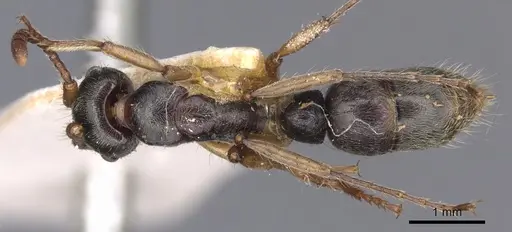
CASENT0907246
View on AntWeb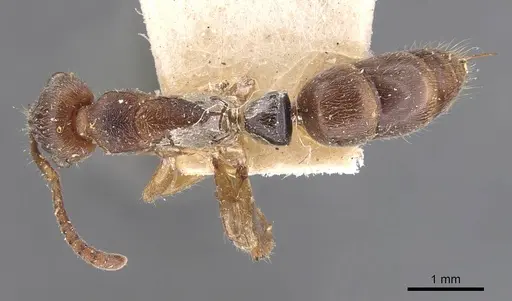
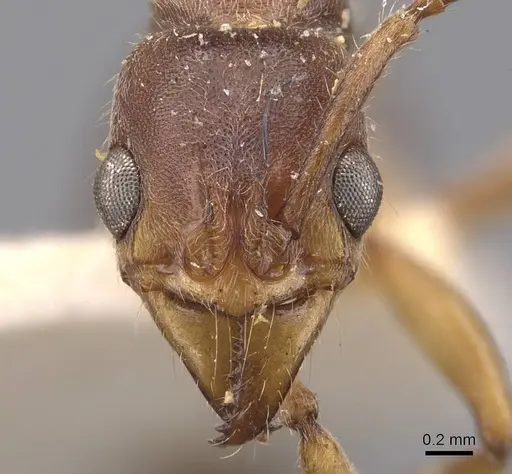
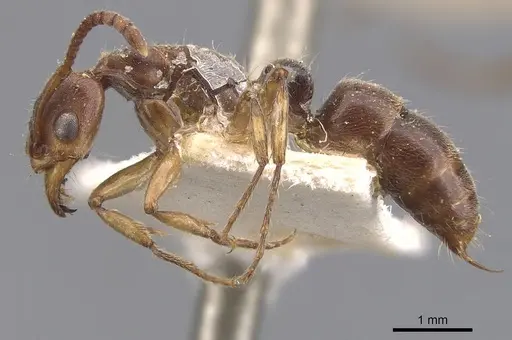
CASENT0915255
View on AntWeb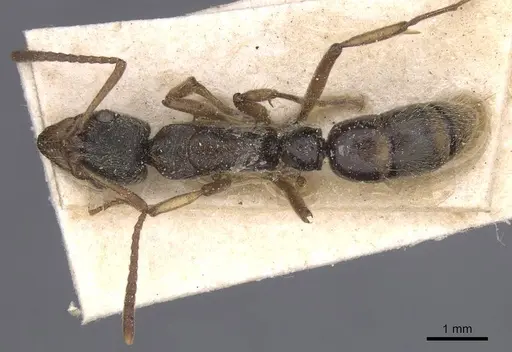
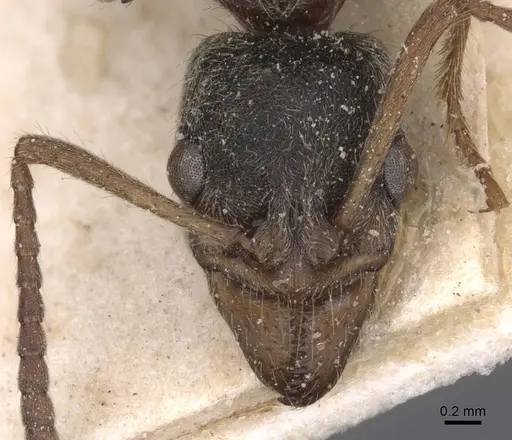
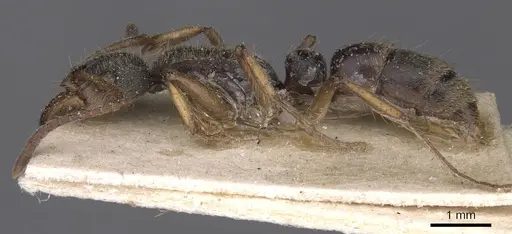
CASENT0915256
View on AntWeb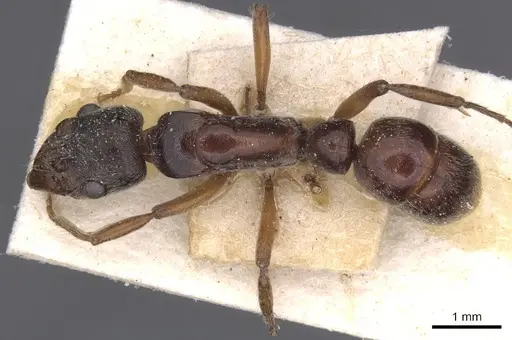
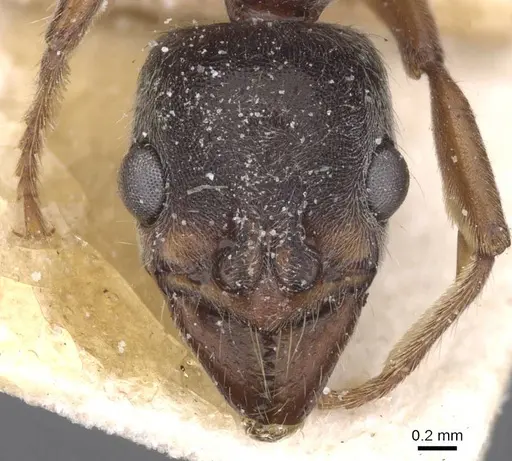
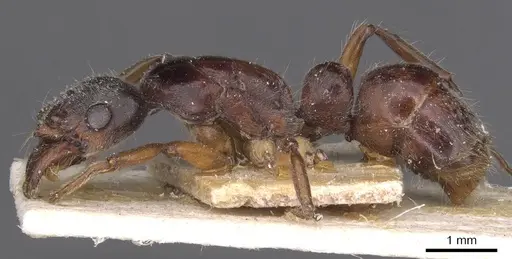
CASENT0915257
View on AntWeb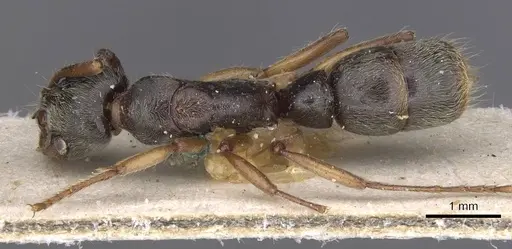
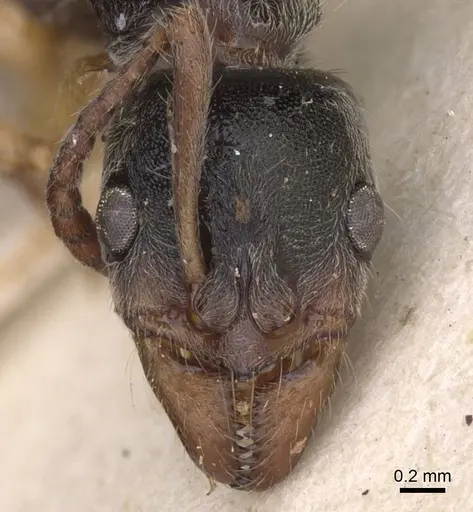
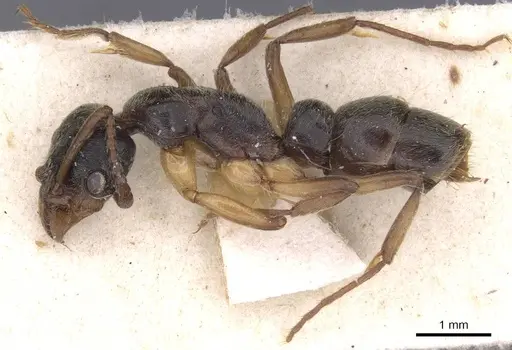
CASENT0915258
View on AntWeb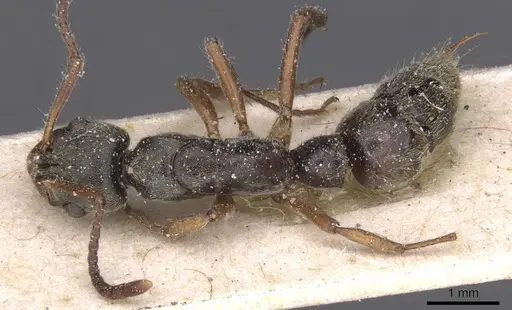
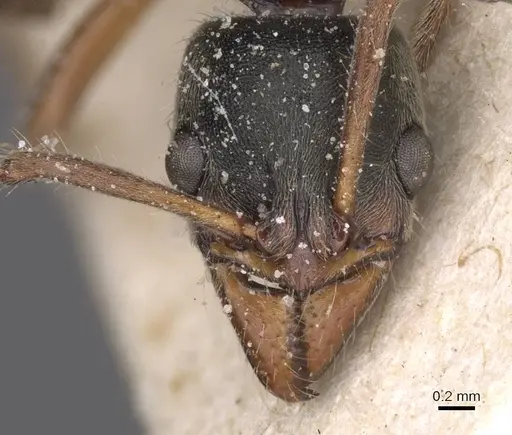
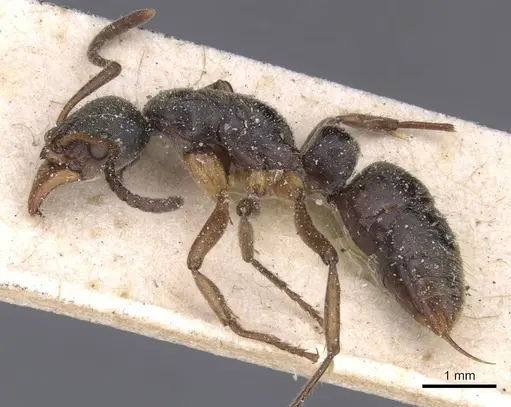
CASENT0915268
View on AntWeb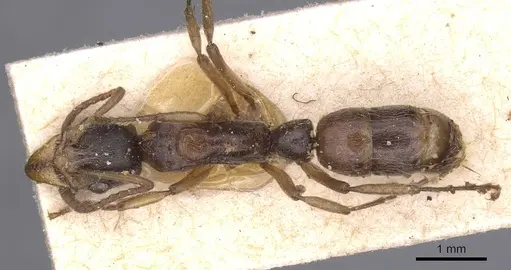
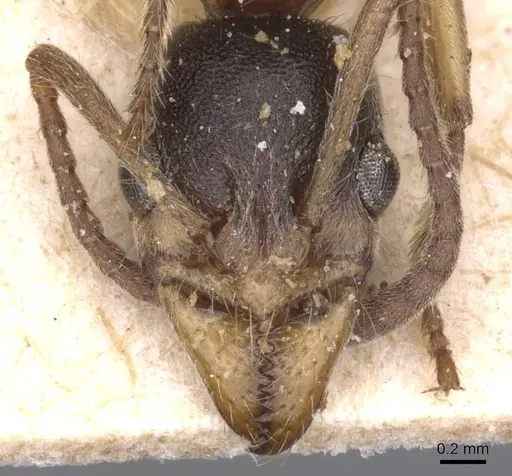
CASENT0915658
View on AntWeb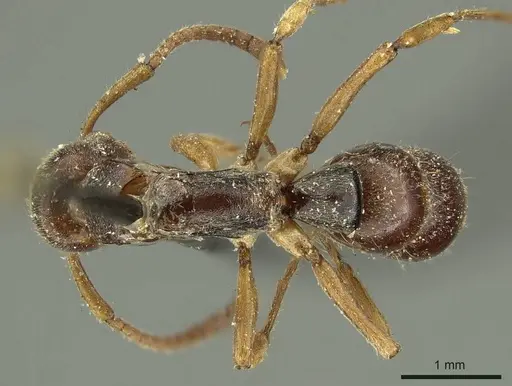
CASENT0915659
View on AntWeb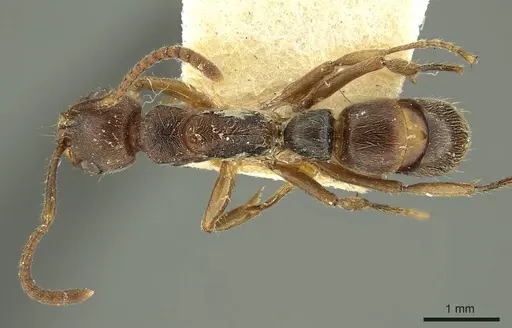
ECOFOG-SGR-IN2PF11-01
View on AntWeb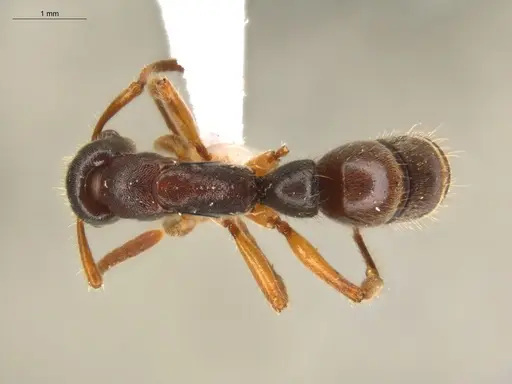
Literature
Loading...Loading products...