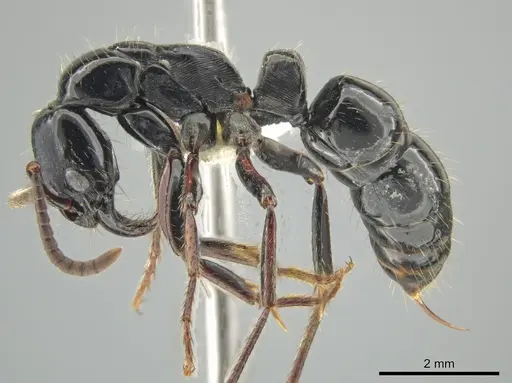
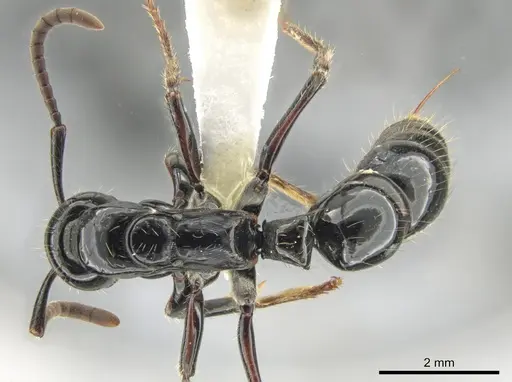
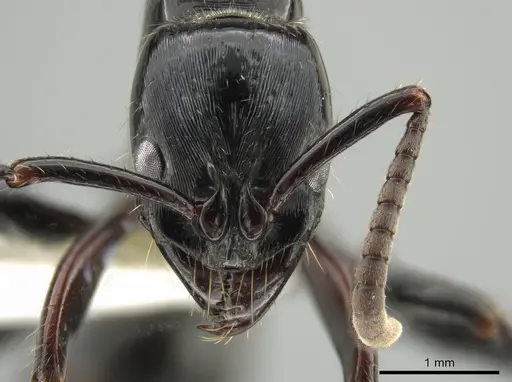
Neoponera mashpi - "Mashpi Tiger Ant"
Neoponera mashpi, also known as the Mashpi Tiger Ant, is a fascinating ponerine ant species found in the Neotropics. These ants are slender and relatively small for the Neoponera genus, with workers typically ranging from 1.66 to 3.31 mm in length. They are primarily known as specialized termite hunters, often raiding termite nests for food. Observations in their natural habitat suggest they can form colonies of considerable size, with one reported relocation involving 1400 to 1800 workers. They exhibit interesting behaviors like tandem running for recruitment and can be found in various rainforest and cloud forest environments.
- Difficulty: Medium
- Origin & Habitat: Central and South America (Brazil, Colombia, Costa Rica, Ecuador, French Guiana, Panama, Peru, Suriname, Venezuela) in Lowland and pre-montane rainforests, Andean mountainous and Pacific lowland forests (Chocó-Darien), dense and open Amazonian and Atlantic ombrophyllous forests..
- Colony Type: Monogyne, though some Neoponera species can be polygynous, specific information for N. mashpi is limited, but ponerines are generally monogyne or oligogyne., semi-claustral (likely, as many ponerinae forage during founding, and they are observed actively hunting) founding.
- Size & Growth:
- Queen: 3.0-4.0mm
- Worker: 1.66-3.31mm
- Colony: Medium (thousands, with observations of 1400-1800 workers in colony relocation).. Medium (growth rate would be influenced by consistent prey availability) growth.
- Antkeeping:
- Temperature: Ideally, maintain a temperature between 24-28°C. Being a tropical species, consistent warmth is crucial for their well-being and brood development. Avoid significant temperature drops..
- Humidity: High humidity, around 70-90%, is essential, mimicking their natural rainforest and cloud forest environments. This can be achieved through regular misting of the outworld and ensuring the nest has a stable moisture gradient..
- Diapause: Not required. Not specified at Not specified.
- Nesting: They are known to nest underground or in fallen logs, and have been observed moving into termite nests. For captivity, naturalistic setups like Ytong, acrylic nests with a good hydration system, or natural soil/substrate setups are preferred. They appreciate areas where they can dig and create their own chambers..
- Behavior: Medium (towards prey, can be defensive if disturbed) aggressiveness.
- Common Issues: Humidity fluctuations leading to stress, Lack of appropriate protein source (termite substitute), Mold in nest due to excessive humidity without ventilation, Colony stalling if diet is insufficient.
One of the most captivating aspects of Neoponera mashpi is their predatory nature. These ants are highly specialized termite hunters, a common trait among many Neoponera species. In their natural habitat, they’ve been observed actively raiding termite nests, showcasing impressive coordination and hunting prowess. Providing a consistent source of small, soft-bodied insects, ideally termites if obtainable ethically and safely, will be crucial for their health and the colony's growth in a captive setup. Variety in their protein diet is always beneficial.
Due to their specific dietary needs and preference for high humidity, Neoponera mashpi can be a bit more challenging to keep than common beginner species. Maintaining stable environmental conditions, particularly the humidity and temperature, is paramount. Fluctuations can quickly lead to stress and decline in the colony. Utilizing a proper nest setup with good hydration and a secure outworld for foraging will be key to their success.
While specific details on their social structure are still being fully documented, many Ponerine ants, including some Neoponera, are known for tandem running-a unique recruitment behavior where one ant guides another to a food source. Observing this behavior in a captive colony would be a truly rewarding experience for an antkeeper. Ensure their foraging area, or 'outworld', is spacious enough to allow for such natural behaviors to be exhibited.
Given their origin in diverse rainforest and cloud forest environments across Central and South America, including the biodiversity-rich Chocó-Darien region and the Mashpi Reserve in Ecuador, these ants thrive in lush, humid conditions. Replicating this environment as closely as possible, perhaps with live moss or appropriate substrates that retain moisture well, will help reduce stress and promote a healthier colony. Adequate ventilation without compromising humidity is also important to prevent mold growth.
Frequently Asked Questions
What kind of diet do Neoponera mashpi ants need?
The Mashpi Tiger Ant primarily hunts termites in the wild, so a protein-rich diet is essential. Offer small, soft-bodied insects like flightless fruit flies, small roaches, or even pieces of mealworms. If you can safely and ethically source termites, they would be an ideal treat for your colony. They also need a sugar source like sugar water or honey water.
Are Neoponera mashpi difficult to keep for a beginner antkeeper?
Yes, Neoponera mashpi are generally considered a medium-difficulty species. Their need for consistent high humidity, stable temperatures, and a specialized protein diet makes them more challenging than common beginner species like Lasius niger or Camponotus. They are best suited for antkeepers with some experience.
What kind of nest is best for Neoponera mashpi?
For these ants, a nest that can maintain high humidity levels is crucial. Ytong nests, acrylic nests with a good hydration system, or naturalistic soil/substrate setups are often recommended. They like to dig their own chambers, so a substrate they can excavate, like a mix of sand and loam, would be ideal within a secure formicarium.
Do Neoponera mashpi have a sting?
Yes, like many Ponerine ants, Neoponera mashpi workers are capable of stinging. While typically not aggressive towards handlers unless provoked, caution should always be exercised. The sting is primarily used for subduing their prey.
How large can a Neoponera mashpi colony get?
Based on field observations, colonies of Neoponera mashpi can reach into the thousands, with reports of colony relocations involving 1400 to 1800 workers. While they may not form the supercolonies seen in some other ant species, they can still become quite sizable.
Do Neoponera mashpi need a diapause (hibernation)?
No, as a tropical species from Central and South America, Neoponera mashpi do not require a diapause or hibernation period. They thrive in consistent warm temperatures year-round, mimicking their natural habitat.
What is 'tandem running' and do Neoponera mashpi do it?
Tandem running is a unique form of recruitment where one ant, the leader, guides another, the follower, to a food source or new nest site. It has been observed in other Neoponera species, and it's likely that Neoponera mashpi exhibits this fascinating behavior as well, given their close relation.
How long does it take for a Neoponera mashpi egg to become a worker?
The development time from egg to adult worker for Neoponera mashpi is estimated to be between 8 to 12 weeks. This can vary depending on factors like temperature stability and the availability of protein in their diet.
What are some common issues when keeping Neoponera mashpi?
Common issues include failing to maintain consistent high humidity, which can stress the colony, and not providing adequate protein, leading to colony stalling. Mold can also be an issue if ventilation isn't managed well alongside high humidity. Ensuring a clean outworld and regular waste removal is also important.
Where can I find Neoponera mashpi queens?
Neoponera mashpi queens are typically found after their nuptial flights, which would occur in their native tropical regions. Obtaining them for antkeeping usually involves purchasing from specialized ant dealers who source them responsibly from their natural range or from established captive breeding programs.