

Neoponera magnifica
- Scientific Name
- Neoponera magnifica
- Tribe
- Ponerini
- Subfamily
- Ponerinae
- Author
- Borgmeier, 1929
- Distribution
- Found in 1 countries
Neoponera magnifica Overview
Neoponera magnifica is an ant species of the genus Neoponera. It is primarily documented in 1 countries , including Brazil. Detailed taxonomic data and occurrence records can be further explored via authoritative databases such as AntWeb or the Global Biodiversity Information Facility (GBIF).
Neoponera magnifica
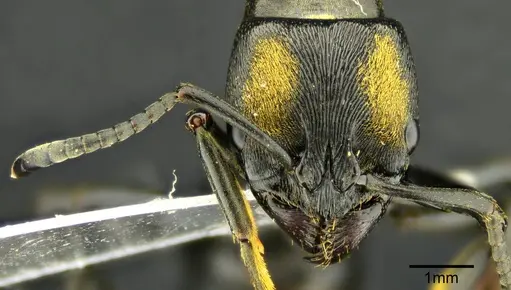
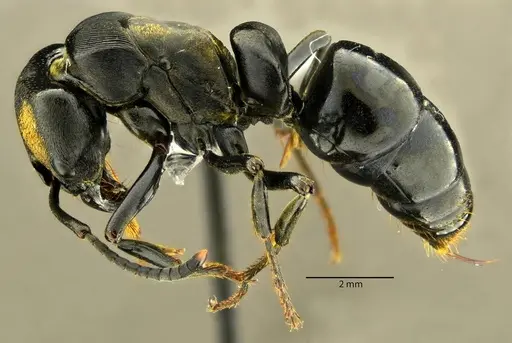
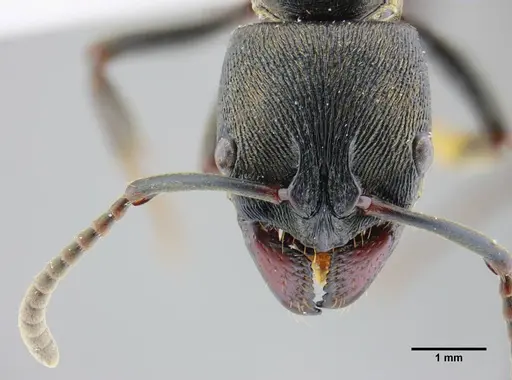
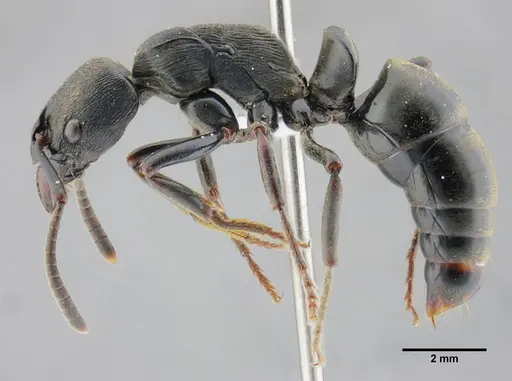
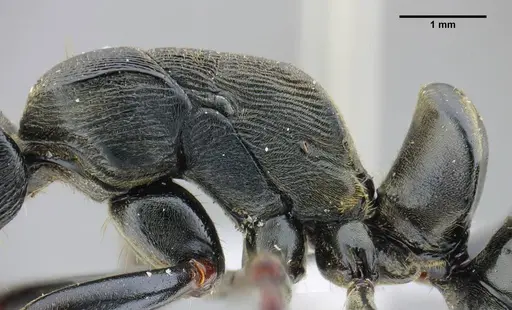
Neoponera magnifica is a large, striking ponerine ant native to Brazil and Colombia. Workers reach 13-15mm in total length, making them one of the larger Neoponera species. They are primarily black with black appendages and reddish-brown mandibles. The most distinctive feature is the coarse, well-defined striations on the pronotum (the middle body section), which easily separates them from most related species. They also have patches of golden pubescence around the eyes that can be quite noticeable. This species has a stridulatory file on the abdomen, which they can use to produce sound. Despite being described in 1929,almost nothing is known about their biology in the wild, they remain one of the more mysterious Neoponera species in the hobby. [1][2]
Quick Summary
- Difficulty: Unknown, likely Medium to Hard
- Origin & Habitat: Brazil (Goiás, Mato Grosso, Mato Grosso do Sul, Pará, Bahia) and Colombia (Putumayo). Found in Amazonian regions, seasonally dry tropical forest, and Brazilian savanna at elevations up to 320m. They appear to prefer mature, well-regenerated forest areas (over 40 years regeneration). [3][4][5][6]
- Colony Type: Unknown, no data on colony structure (single queen vs multiple queens) exists. Only the worker caste has been documented. [1]
- Size & Growth:
- Queen: Unknown, queen has not been described
- Worker: 13-15mm total length [1]
- Colony: Unknown, only sparse records with few individuals collected
- Growth: Unknown
- Development: Unknown, no development data exists for this species. Based on typical Neoponera/Ponerinae patterns, expect 6-10 weeks at warm temperatures. (Estimated based on genus-level patterns since no species-specific data exists)
- Antkeeping:
- Temperature: Start around 24-27°C and observe colony activity. No specific data exists, but Neoponera species typically prefer warm, humid conditions.
- Humidity: Keep substrate consistently moist but not waterlogged. Based on their Amazonian/savanna habitat, aim for moderate to high humidity (60-80%). Provide a water tube as a moisture source.
- Diapause: Unknown, no data on overwintering requirements. Based on their tropical/subtropical distribution, they may not require a true diapause but may slow down during cooler periods.
- Nesting: No specific nesting data exists. In captivity, Neoponera species typically do well in test tube setups initially, then can be moved to Y-tong or naturalistic setups with moist substrate. Provide deep soil or a spacious formicarium as they are a larger species.
- Behavior: No specific behavioral data exists for this species. Based on related Neoponera species, they are likely predatory and will accept live prey. They may have a potent sting as is typical for Ponerinae. They are ground-nesting ants that likely forage on the forest floor. Escape prevention should be moderate, at 13-15mm they are large enough that standard barriers work well, but they are strong climbers.
- Common Issues: this species has never been kept in captivity, no established husbandry protocols exist, biology is completely unknown, making care recommendations speculative, only worker caste known, queen and colony structure unconfirmed, sparse distribution records suggest they may be difficult to locate in the wild, lack of captive breeding means wild-caught colonies may be the only option
Appearance and Identification
Neoponera magnifica workers are large ants measuring 13-15mm in total length. They are predominantly black with black legs and antennae, while their mandibles are a distinctive reddish-brown color. The most notable identifying feature is the extremely coarse striations on the dorsum of the pronotum, these are much more pronounced than in related species. They also have patches of dense golden pubescence around and behind the eyes that can create a shiny appearance. The mandibles have about ten teeth, with the apical three or four being significantly larger than the rest. A stridulatory file is present on the second pretergite (abdomen), which they can use to produce audible sounds when disturbed. The petiole (the narrow 'waist' segment) is relatively narrow in profile with a nearly straight anterior face. [1][3]
Distribution and Habitat
This species is known from Brazil and Colombia. In Brazil, records exist from the states of Goiás (type locality), Mato Grosso, Mato Grosso do Sul, Pará, and Bahia. In Colombia, they have been recorded from Putumayo at approximately 320m elevation. They appear to inhabit Amazonian regions, seasonally dry tropical forest, and Brazilian savanna (Cerrado). Research indicates they are found exclusively in areas with over 40 years of forest regeneration, suggesting they require mature, complex forest environments. They are typically collected using pitfall traps in soil-level sampling. The species has sparse distribution records with few individuals collected, making them relatively rare in scientific collections. [3][4][7][5][6][2]
Current State of Knowledge
It must be emphasized that Neoponera magnifica is one of the least studied ant species in the hobby. Literally nothing is known about their biology, no one has documented how they found colonies, what they eat in the wild, their colony size, queen behavior, nuptial flight timing, or any aspect of their life cycle. The queen caste has never been described, and only the worker caste is known to science. This makes providing accurate care guidance extremely challenging. Any recommendations for keeping this species must be considered highly speculative and based on what we know about related Neoponera species rather than species-specific data. If you obtain this species, careful observation and documentation would be incredibly valuable to the antkeeping community. [1][2]
Housing and Setup Recommendations
Since no captive husbandry data exists, recommendations must be based on typical Neoponera requirements. For founding colonies, use a standard test tube setup with a water reservoir. Once established (if you can obtain a colony), they would likely benefit from a spacious formicarium with deep chambers or a naturalistic setup with moist soil. As a large species, they need room to move and forage. Provide a water tube for moisture and maintain humidity around 60-80%. Room temperature (24-27°C) is likely appropriate, but observe your colony's behavior, if they cluster together, they may want it warmer, if they avoid the heated areas, reduce temperature. Use standard escape prevention measures, at their size, they cannot squeeze through typical barrier setups, but ensure lids are secure.
Feeding and Diet
No specific dietary data exists for this species. However, Neoponera ants are typically predatory, so their diet likely consists mainly of live prey. Based on related species, they would probably accept small insects like fruit flies, pinhead crickets, mealworms, and other small arthropods. As large ants, they may be able to tackle prey larger than what smaller species can handle. Sugar sources (honey, sugar water) may or may not be accepted, offer occasionally but do not rely on them as a primary food source. Start with live prey and observe acceptance. Remove uneaten prey after 24-48 hours to prevent mold.
Temperament and Handling
Neoponera ants belong to the subfamily Ponerinae, which is known for having potent stings. While specific sting data for N. magnifica does not exist, it would be wise to assume they can deliver a painful sting and handle them accordingly. They are ground-nesting ants that likely forage on the forest floor, so they may be more defensive of their nest than some arboreal species. When working with the colony, use caution and avoid provoking them. They are large enough that they can be seen clearly, but their sting should be taken seriously. If you are sensitive to insect stings, wear gloves when working with this species.
Frequently Asked Questions
Is Neoponera magnifica a good species for beginners?
No, this is not a recommended species for beginners. Literally nothing is known about their biology in captivity, and they may have specific requirements we don't understand. They are also extremely rare in the hobby with no established breeding protocols. If you're interested in Neoponera, consider more commonly kept species like Neoponera villosa or other Ponerinae with documented care requirements.
How long do Neoponera magnifica workers live?
No data exists on worker longevity for this species. In general, ant workers live from several weeks to several months depending on the species and conditions. Without any captive data, we cannot provide accurate estimates.
Can I keep multiple queens together?
Unknown, the colony structure (single queen vs multiple queens) has never been documented for this species. The queen caste hasn't even been described. Without data, combining unrelated queens is not recommended.
What do Neoponera magnifica eat?
No specific dietary data exists. Based on related Neoponera species, they are likely predatory and accept live insects. Start with small live prey like fruit flies, pinhead crickets, or mealworms. Sugar sources may or may not be accepted, offer occasionally but do not rely on them.
Where can I get Neoponera magnifica?
This species is extremely rare in the antkeeping hobby. They have only been found in Brazil and Colombia, and there are very few scientific records. Wild-caught colonies may be the only option if available, but they are unlikely to be commonly traded. If you do obtain them, consider contributing to our knowledge of this species.
What temperature should I keep Neoponera magnifica at?
No specific temperature data exists. Based on their tropical/subtropical distribution in Brazil and Colombia, start around 24-27°C and observe your colony. If they cluster near the warm side, increase slightly, if they avoid heated areas, reduce temperature.
How big do Neoponera magnifica colonies get?
Unknown, colony size has never been documented. Only single workers or very few individuals have been recorded in scientific collections. Related Neoponera species can form colonies of several hundred to over a thousand workers, but we cannot confirm this for N. magnifica.
Do they need hibernation or diapause?
Unknown, no data exists on their seasonal requirements. Based on their distribution in tropical Brazil and Colombia, they likely do not require a true diapause, but may slow activity during cooler periods.
Why is there so little information about this species?
40 years regeneration), which makes them difficult to find. Additionally, their biology has simply never been studied, this is a species that awaits basic research.
References

This caresheet is licensed under CC BY-SA 4.0 .
ANTWEB1014018
View on AntWeb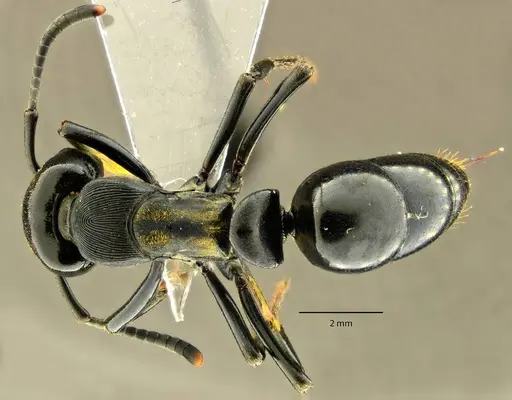
UFV-LABECOL-000003
View on AntWeb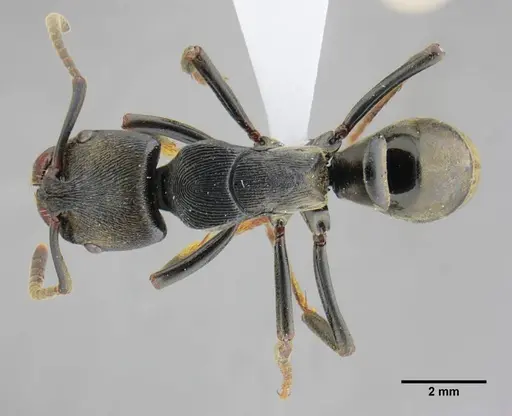
Literature
Loading...Loading products...