

Neoponera lineaticeps
- Scientific Name
- Neoponera lineaticeps
- Tribe
- Ponerini
- Subfamily
- Ponerinae
- Author
- Mayr, 1866
- Distribution
- Found in 4 countries
Neoponera lineaticeps Overview
Neoponera lineaticeps is an ant species of the genus Neoponera. It is primarily documented in 4 countries , including Costa Rica, Honduras, Mexico. Detailed taxonomic data and occurrence records can be further explored via authoritative databases such as AntWeb or the Global Biodiversity Information Facility (GBIF).
Neoponera lineaticeps
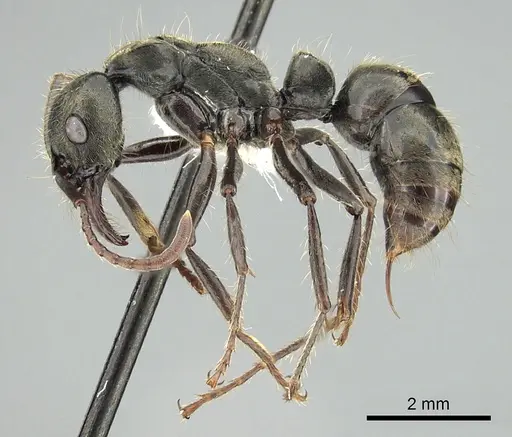
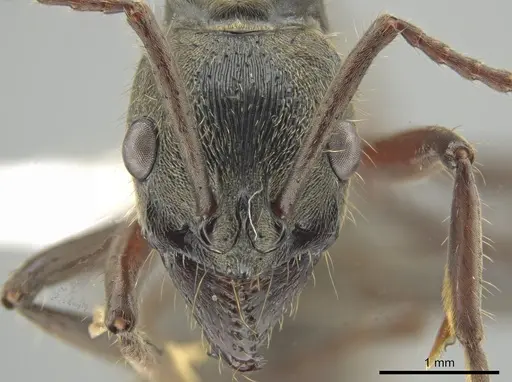
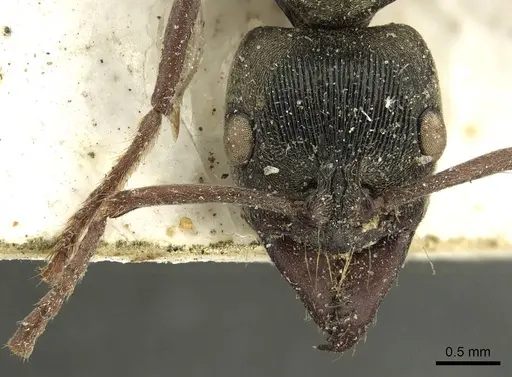
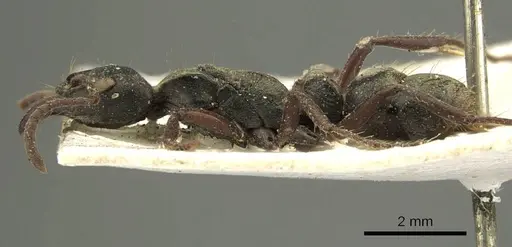
Neoponera lineaticeps is a moderately large predatory ant native to Central America. Workers reach about 10mm in length and are mostly black with brown mandibles, antennae, and reddish-brown legs. The most distinctive feature is the coarse longitudinal striae (lines) running along the central part of the head's dorsum, this is what gives the species its name 'lineaticeps' (lined head). The pronotal shoulder forms a sharp carina that overhangs the side of the pronotum, and the body is covered with both erect hairs and dense golden pubescence. Queens are slightly larger at 11mm, and males are smaller at 9mm and yellowish-brown.
This species has an unusual nesting habit for a Ponerine ant, it nests in Tillandsia bromeliads in Costa Rica, rather than in soil or rotting wood like many of its relatives. Found in tropical rainforest, cloud forest, and canopy forest from 50-1300 meters elevation across Mexico, Nicaragua, Costa Rica, and Panama.
Quick Summary
- Difficulty: Medium
- Origin & Habitat: Neotropical species found in Mexico, Nicaragua, Costa Rica, and Panama. Inhabits tropical rainforest, cloud forest, and canopy forest from 50-1300 meters elevation. Nests in Tillandsia bromeliads in Costa Rica [1].
- Colony Type: Colony structure is unconfirmed. No research documents whether this species is monogyne (single queen) or polygyne (multiple queens).
- Size & Growth:
- Queen: 11mm [1]
- Worker: 9.8-10mm [2][1]
- Colony: Unknown, no colony size data available
- Growth: Unknown, no development timing data available
- Development: Estimated 6-10 weeks based on typical Ponerinae development patterns (Direct development data unavailable for this species. Estimates based on related Neoponera/Pachycondyla species suggest several months from egg to worker at tropical temperatures.)
- Antkeeping:
- Temperature: Keep at 24-28°C, reflecting their tropical rainforest origin. A slight temperature gradient allows ants to regulate their own exposure to warmth.
- Humidity: High humidity required (70-85%). These forest-floor and canopy ants need consistently moist conditions. Mist the outworld regularly and keep nest substrate damp but not waterlogged.
- Diapause: Unlikely, as a tropical species, they probably do not require a true hibernation period. However, slight temperature reductions during winter months may be appropriate if room temperature drops.
- Nesting: Based on their natural nesting in Tillandsia bromeliads, they likely prefer humid, enclosed spaces with some organic material. A Y-tong (AAC) or plaster nest with good humidity retention works well. Avoid overly dry setups.
- Behavior: Ponerine ants are typically predatory and somewhat aggressive. Workers are active foragers on the forest floor, likely hunting small invertebrates. They have a potent sting, these are large ants with well-developed stingers, so expect a painful sting if handled roughly. They are likely to be defensive of their nest. Escape prevention is important but not critical given their moderate size, they are not tiny escape artists, but standard barrier methods still apply.
- Common Issues: tropical species may struggle if temperatures drop below 22°C for extended periods, high humidity requirements can lead to mold if ventilation is poor, predatory diet means they need regular live prey, failure to provide adequate protein leads to colony decline, sting is painful, handle with care, especially during colony disturbances, wild-caught colonies may carry parasites that can devastate captive colonies
Housing and Nest Setup
Neoponera lineaticeps naturally nests in Tillandsia bromeliads in Costa Rica, which are epiphytic plants that collect water and organic debris in their leaf bases. For captive care, a Y-tong (AAC) or plaster formicarium with good humidity retention works well. The nest should have chambers sized appropriately for a 10mm ant, not too tight, but with passages narrow enough that workers feel secure. Because they come from humid forest environments, the nest material should stay damp but not become waterlogged. Provide a water reservoir or moisture chamber connected to the nest. The outworld should be simple, a foraging area where you can offer prey and sugar water. Use standard escape prevention (Fluon on container edges) but this species is not a particularly aggressive escape risk given its moderate size. [1]
Feeding and Diet
As a Ponerine ant, N. lineaticeps is predatory and needs a protein-rich diet. Feed them small live invertebrates appropriate to their size, flightless fruit flies, small crickets, mealworms, and similar prey items. Offer protein 2-3 times per week, removing uneaten prey after 24-48 hours. While most Ponerines are primarily predatory, they may also accept sugar sources like honey water or sugar water, especially once a colony has workers. Provide a constant sugar water source alongside protein prey. Fresh water should always be available. Do not overfeed, excess prey that dies in the nest can cause mold problems.
Temperature and Humidity
Keep these ants warm, aim for 24-28°C in the nest area. This reflects their origin in tropical rainforest and cloud forest environments in Central America. A heating cable on one side of the nest can create a temperature gradient, allowing ants to move between warmer and cooler areas. Temperature is more critical than for temperate species, prolonged periods below 22°C may weaken or kill the colony. Humidity should be high, around 70-85%. The nest substrate should feel consistently damp but not soggy. Mist the outworld regularly and check that condensation is present in the nest. Good ventilation is still necessary to prevent mold, but avoid excessive airflow that dries the nest. [1]
Behavior and Temperament
Expect a defensive, predatory ant. Ponerines are typically more aggressive than many common ant genera, and N. lineaticeps likely forages actively on the forest floor in the wild. Workers are moderately large and have a well-developed sting, if you handle them roughly or disturb the nest, you will likely receive a painful sting. They are not overly skittish but will respond aggressively to threats. Colonies are probably not large, Ponerine colonies often remain modest in size compared to Formicines or Myrmicines. Workers are likely to be active foragers, patrolling the outworld for prey. Provide enrichment in the outworld if possible, but keep setups simple for easy maintenance. [1]
Colony Development
No specific data exists for this species, but based on related Pachycondyla and Neoponera species, expect relatively slow colony development. Ponerine queens typically lay fewer eggs than many other ant genera, and larvae may take longer to develop. A newly mated queen founding alone may take 2-4 months to produce her first workers (nanitics), and the colony may remain small for the first year. Growth to a mature colony of perhaps several dozen to a few hundred workers likely takes 1-2 years under optimal conditions. Be patient, these ants are not fast growers, but colonies can live for many years once established.
Seasonal Care
As a tropical species from Central America, N. lineaticeps does not require true hibernation. However, slight seasonal adjustments may be appropriate. In winter, if your room temperature naturally drops, you can allow a modest reduction to around 20-22°C, but avoid cold stress. Do not cool them dramatically or attempt a full diapause, this is not a temperate species. Maintain high humidity year-round. If you use air conditioning in summer that drops room temperature, ensure the nest area stays warm enough. Consistency is key, avoid temperature fluctuations. [1]
Frequently Asked Questions
How long does it take for Neoponera lineaticeps to produce first workers?
Exact timing is unknown for this species, but based on related Ponerines, expect 2-4 months from founding to first nanitic workers. Ponerine development is generally slower than many common ant genera.
Can I keep multiple Neoponera lineaticeps queens together?
The colony structure of this species is unconfirmed. No research documents whether they are monogyne (single queen) or polygyne (multiple queens). It is not recommended to combine unrelated foundress queens unless you have specific evidence they can coexist.
What do Neoponera lineaticeps eat?
They are predatory ants that need live protein prey. Offer small insects like fruit flies, small crickets, mealworms, or similar prey 2-3 times per week. They will likely also accept sugar sources like honey water or sugar water once workers are present.
Are Neoponera lineaticeps good for beginners?
This species is rated as Medium difficulty. While not the most challenging ant to keep, they require warm temperatures, high humidity, and a predatory diet with live prey. Beginners should ensure they can maintain stable warm, humid conditions before attempting this species.
How big do Neoponera lineaticeps colonies get?
Colony size data is unavailable for this species. Based on related Ponerines, colonies likely reach several dozen to a few hundred workers over 1-2 years. They are not typically supercolony-forming ants.
What temperature do Neoponera lineaticeps need?
Keep them at 24-28°C. This tropical species requires warm conditions and may struggle if temperatures drop below 22°C for extended periods. A heating cable on part of the nest can provide a gradient.
Do Neoponera lineaticeps need hibernation?
No, they do not require hibernation. As a tropical species from Central America, they should be kept warm year-round. A slight winter temperature reduction is acceptable if your room naturally cools, but avoid cold stress.
Why is my Neoponera lineaticeps colony declining?
Common causes include: temperatures below 22°C, low humidity, insufficient protein (no live prey), overfeeding leading to mold, or parasites from wild-caught colonies. Check all environmental parameters and ensure you are offering appropriate live prey regularly.
References

This caresheet is licensed under CC BY-SA 4.0 .
CASENT0217563
View on AntWeb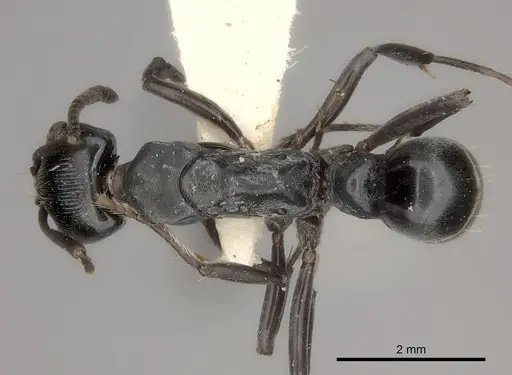
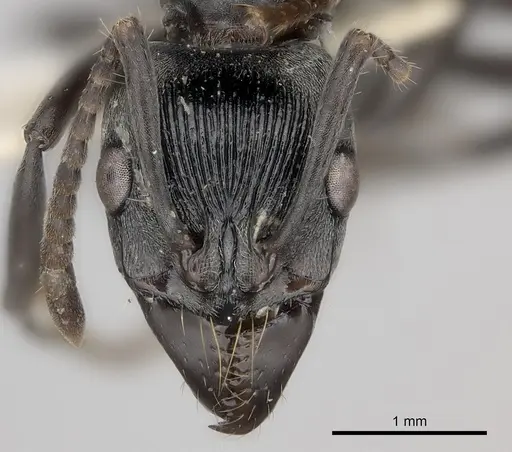

CASENT0249153
View on AntWeb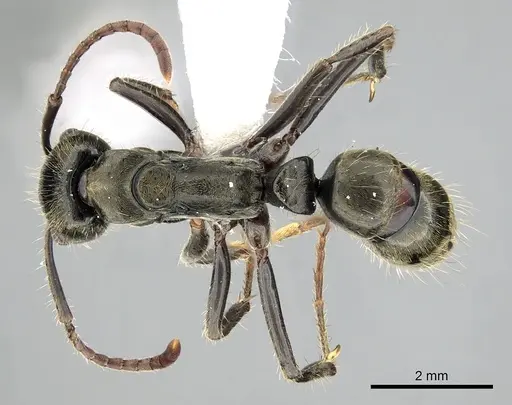
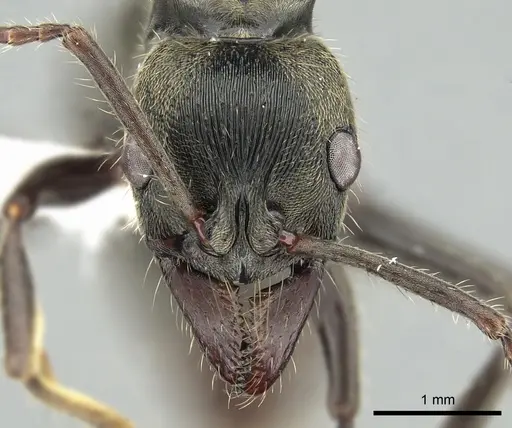
CASENT0644884
View on AntWeb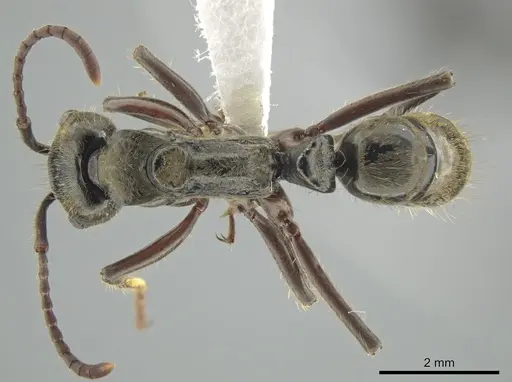
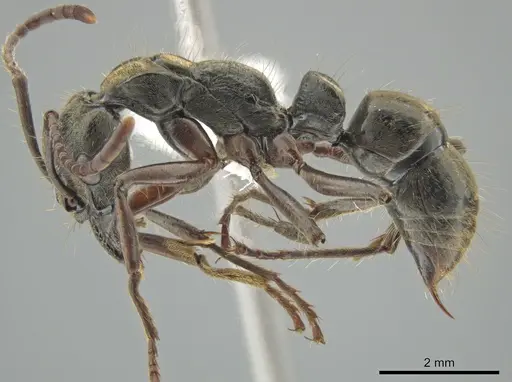
CASENT0915667
View on AntWeb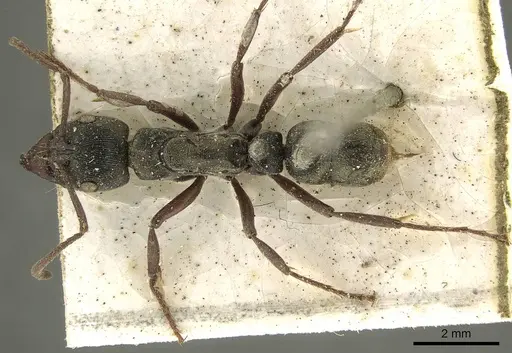
Literature
Loading...Loading products...