

Neoponera laevigata
- Scientific Name
- Neoponera laevigata
- Tribe
- Ponerini
- Subfamily
- Ponerinae
- Author
- Smith, 1858
- Distribution
- Found in 9 countries
Neoponera laevigata Overview
Neoponera laevigata is an ant species of the genus Neoponera. It is primarily documented in 9 countries , including Brazil, Colombia, Costa Rica. Detailed taxonomic data and occurrence records can be further explored via authoritative databases such as AntWeb or the Global Biodiversity Information Facility (GBIF).
Neoponera laevigata
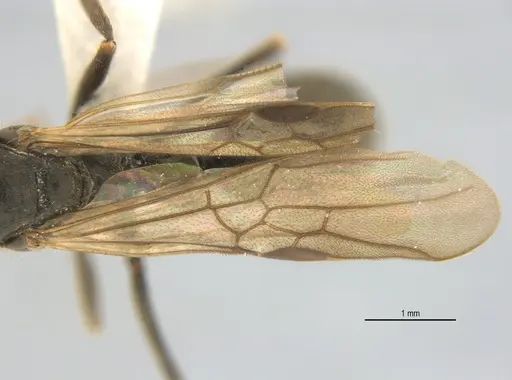
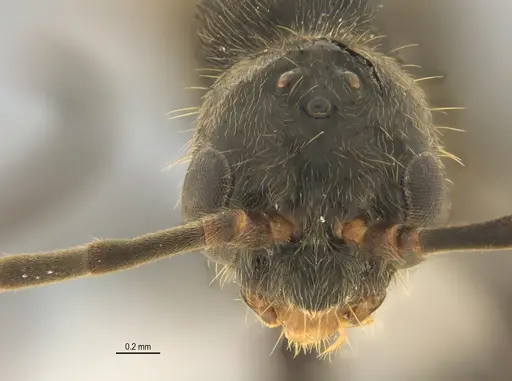
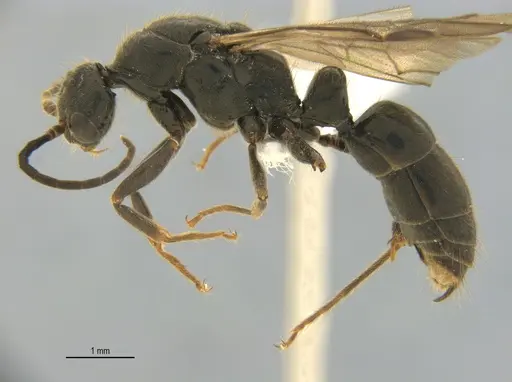
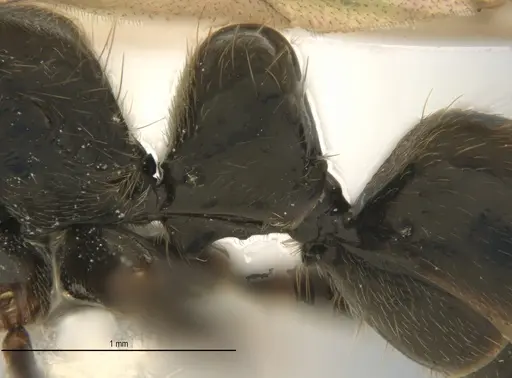
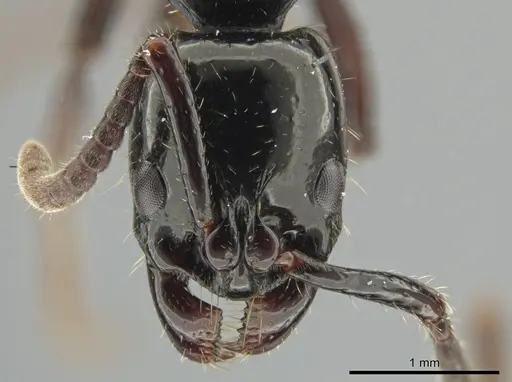
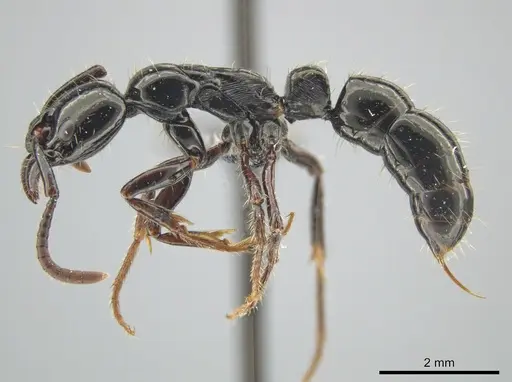
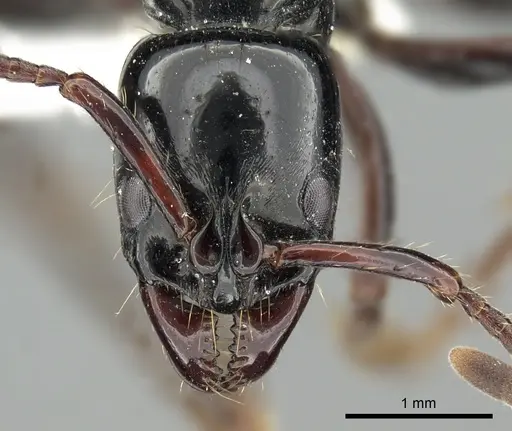
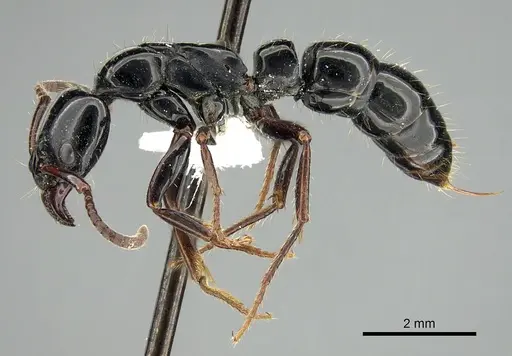
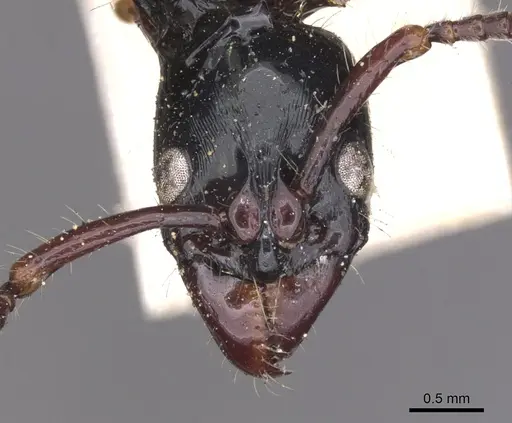
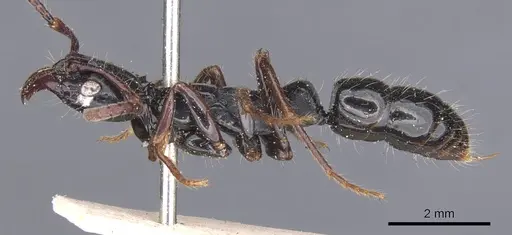
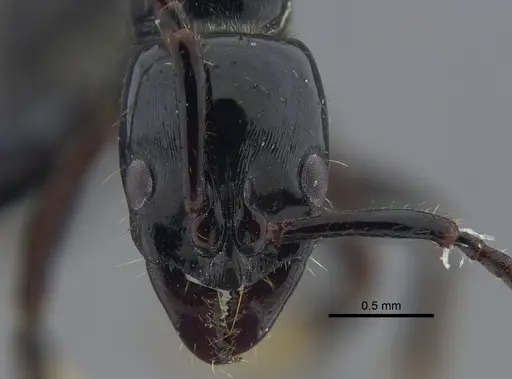
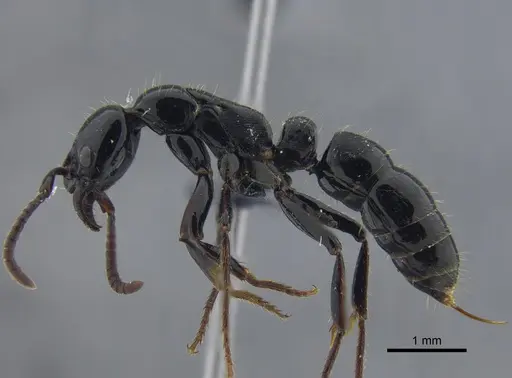
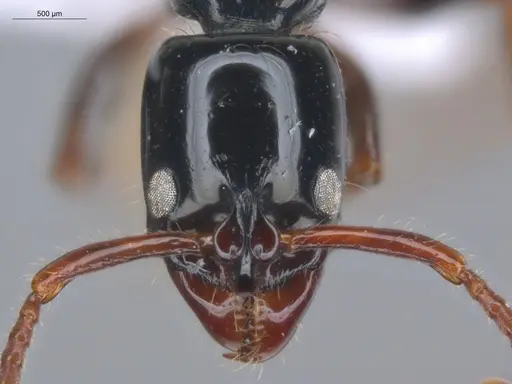
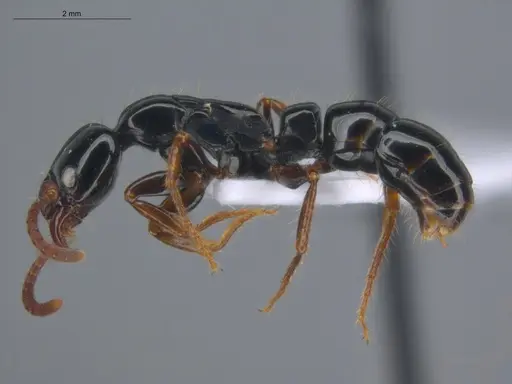
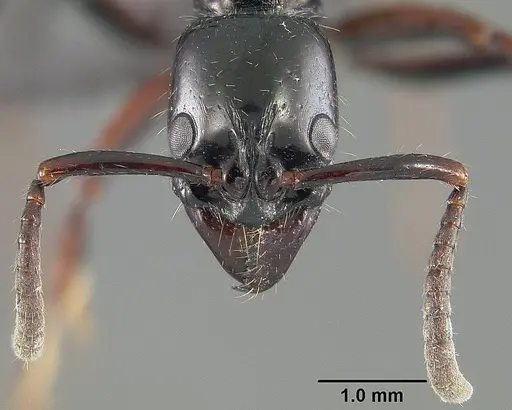
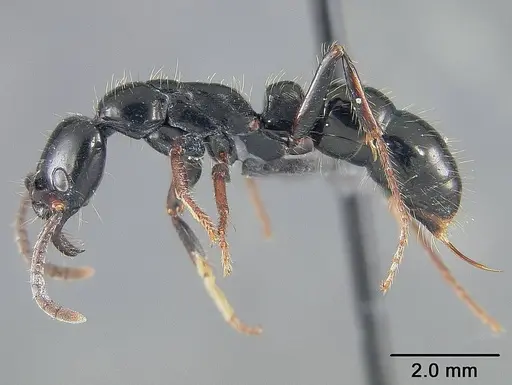
Neoponera laevigata is a large, shiny black ponerine ant native to the Neotropical region, ranging from Costa Rica through Brazil and Trinidad. Workers measure 5-10mm and are notably polymorphic, smaller workers are nearly smooth and glossy while larger workers develop coarse striae on the propodeum. Queens are substantial at 13mm, and males reach 11mm. The species gets its name from the Latin 'laevigatus' meaning smooth, referring to its glossy appearance. These ants are famous termite hunters that form impressive foraging columns of 500-1700 workers, systematically raiding termite colonies. They nest in soil under logs or heavy leaf litter in wet forests between 350-700 meters elevation.
Quick Summary
- Difficulty: Medium
- Origin & Habitat: Wet forests of the Neotropical region from Costa Rica to Brazil and Trinidad, at elevations of 350-700 meters [1][2].
- Colony Type: Likely monogyne (single queen) colonies based on typical Neoponera behavior. Colonies contain 500-1700 workers organized in structured foraging columns.
- Colony: Monogyne
- Size & Growth:
- Queen: 13mm
- Worker: 5-10mm polymorphic
- Colony: Up to 1700 workers in organized colonies
- Growth: Moderate, based on related Ponerine species
- Development: Estimated 6-10 weeks at tropical temperatures based on genus patterns (Development time is inferred from related Neoponera species, actual timing unconfirmed for this specific species)
- Antkeeping:
- Temperature: Keep at 24-28°C, these are tropical ants requiring warm, stable conditions. A heating cable on one side of the nest creates a gradient [3].
- Humidity: High humidity required, they come from wet forest habitats. Keep the nest substrate consistently moist but not waterlogged. Provide a water tube for drinking access.
- Diapause: No, as a tropical species, they do not require hibernation. Maintain warm conditions year-round.
- Nesting: Naturalistic setup works best, they nest in soil under logs and leaf litter in the wild. A Y-tong or plaster nest with a dirt chamber mimics their natural environment. Provide a foraging area with access to soil-like substrate.
- Behavior: Very aggressive and defensive, workers will sting if threatened. They use recruitment trail pheromones from their pygidial gland to organize coordinated raids on termite colonies. Foragers move in organized columns that can stretch several meters. They are active hunters rather than scavengers. Escape prevention is important given their medium size, standard barriers work well but ensure lids fit tightly.
- Common Issues: colonies often fail when kept too cold, maintain temperatures above 24°C, specialized diet means they may refuse standard ant foods, live prey is essential, large colony size requires significant space, plan for expansion, stress from disturbance can cause colony abandonment of nest sites, wild-caught colonies may carry parasites that harm captive populations
Housing and Nest Setup
Neoponera laevigata does best in a naturalistic setup that mimics their natural forest-floor habitat. They nest in soil under logs or heavy leaf litter, so a Y-tong or plaster formicarium with a dirt chamber works well. The nest chamber should be kept moist but never waterlogged, these ants need high humidity to thrive. Connect the nest to a spacious outworld where they can forage. Because colonies can reach 1700 workers, plan for expansion space from the start. Use a water tube attached to the nest for drinking access. [3]
Feeding and Diet
This species is a specialized termite predator, in the wild, they conduct organized raids carrying termite workers and soldiers back to their nest [4]. You must provide live prey, ideally termites or other small insects. They will likely refuse standard ant foods like sugar water or seed mixes. Offer small live crickets, mealworms, and especially termites when available. Feed protein-rich prey 2-3 times per week, adjusting based on colony size and consumption. A well-fed colony will show active foraging behavior and rapid brood development.
Temperature and Heating
As a tropical species from wet Central and South American forests, Neoponera laevigata requires warm conditions year-round. Keep the nest area at 24-28°C. A small heating cable placed on top of the nest (never under, as it can dry out the substrate) creates a gentle warmth gradient. Monitor with a thermometer and adjust to maintain stable temperatures. Cold stress is one of the most common causes of colony failure with this species, if workers become sluggish and cluster together, increase the temperature slightly. [3]
Recruitment and Foraging Behavior
This species is famous for its sophisticated recruitment system. Workers use a trail pheromone from their pygidial gland (not the hindgut as previously assumed) to coordinate group foraging. They form organized columns of 500-1700 workers that raid termite colonies. The columns can be several meters long and just one worker wide. When raiding, they carry termite workers and soldiers between their mandibles back to the nest. In captivity, you may observe this coordinated behavior if you provide ample foraging space and live termite prey. [3]
Defense and Temperament
Neoponera laevigata workers are very aggressive and will sting if they perceive a threat to the colony. The sting is functional and can cause discomfort, handle with caution. Their large size and powerful mandibles make them capable defenders. When disturbed, workers may rush out aggressively from the nest. This is normal defensive behavior. Use appropriate escape prevention even though they are not tiny, they can still climb smooth surfaces effectively. [3]
Frequently Asked Questions
Can I keep Neoponera laevigata in a test tube?
A test tube is not ideal for established colonies. They need space for their large colony (up to 1700 workers) and prefer naturalistic nesting in soil. Use a Y-tong or plaster formicarium with a dirt chamber for best results.
What do Neoponera laevigata eat?
They are termite specialists and need live prey. Offer termites, small crickets, mealworms, and other small insects. They will likely refuse sugar water or dead commercial prey, live hunting is essential for their diet.
How long until first workers?
Exact development time is unconfirmed for this species. Based on related Neoponera species, expect 6-10 weeks from egg to first worker at optimal tropical temperatures (24-28°C).
Do Neoponera laevigata ants sting?
Yes, they can sting and are quite aggressive when defending the colony. The sting is functional and can cause discomfort. Handle with care.
Are Neoponera laevigata good for beginners?
This species is rated as medium difficulty. Their specialized diet (requiring live prey), large colony size, and temperature needs make them better suited for antkeepers with some experience. They are not recommended as a first species.
Do Neoponera laevigata need hibernation?
No, they do not hibernate. As a tropical species from Central and South America, they need warm conditions year-round. Maintain temperatures between 24-28°C consistently.
How big do Neoponera laevigata colonies get?
Colonies can reach 500-1700 workers in organized foraging columns. They are one of the larger Neotropical ponerine species.
When should I move them to a formicarium?
Move from a founding setup to a larger nest once the colony reaches 20-30 workers and the test tube setup becomes crowded. They need space for colony expansion.
Why are my Neoponera laevigata dying?
Common causes include: temperatures below 24°C, lack of live prey, low humidity, or stress from disturbance. Check these parameters first. Wild-caught colonies may also carry parasites.
Can I keep multiple queens together?
This is not recommended. Neoponera laevigata is likely monogyne (single queen colony). Combining unrelated queens has not been documented and would likely result in fighting.
References

This caresheet is licensed under CC BY-SA 4.0 .
ANTWEB1062709
View on AntWeb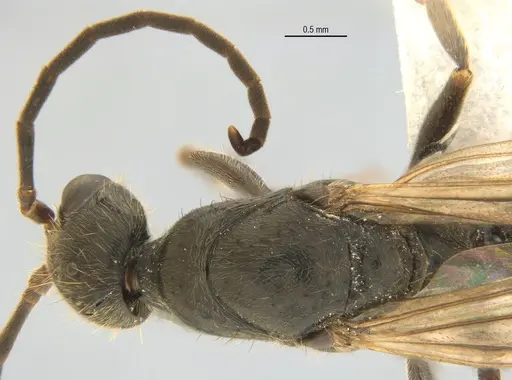
ATPFOR2006
View on AntWeb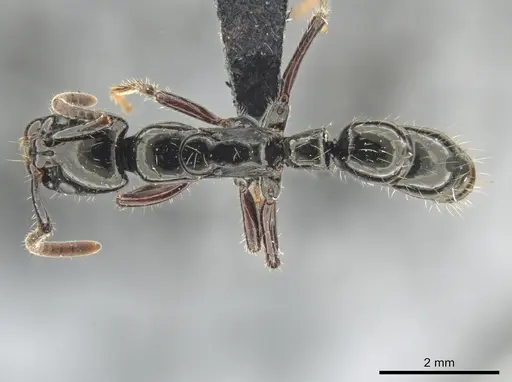
CASENT0249152
View on AntWeb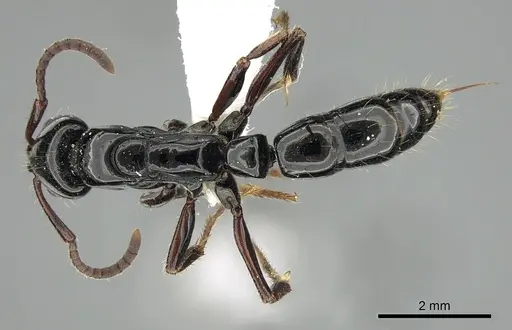
CASENT0902510
View on AntWeb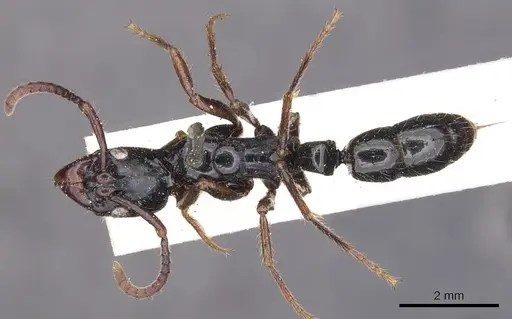
CBUMAGENT41712
View on AntWeb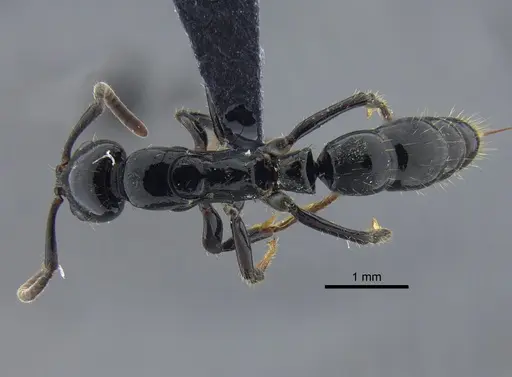
ECOFOG-MI15-0256-26
View on AntWeb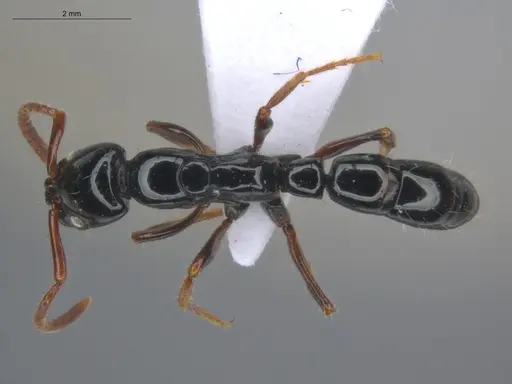
USNMENT01124299
View on AntWeb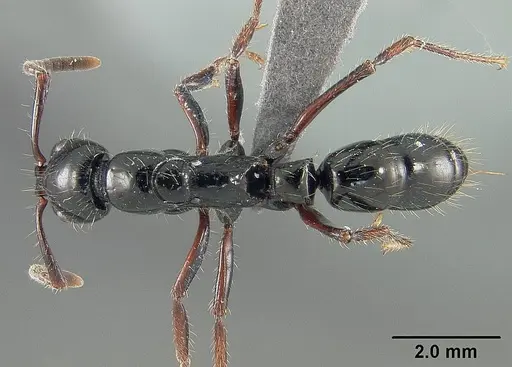
Literature
Loading...Loading products...