

Neoponera eleonorae
- Scientific Name
- Neoponera eleonorae
- Tribe
- Ponerini
- Subfamily
- Ponerinae
- Author
- Forel, 1921
- Distribution
- Found in 1 countries
Neoponera eleonorae Overview
Neoponera eleonorae is an ant species of the genus Neoponera. It is primarily documented in 1 countries , including Ecuador. Detailed taxonomic data and occurrence records can be further explored via authoritative databases such as AntWeb or the Global Biodiversity Information Facility (GBIF).
Neoponera eleonorae
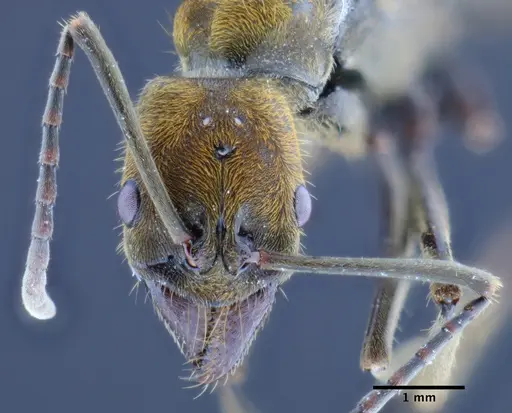
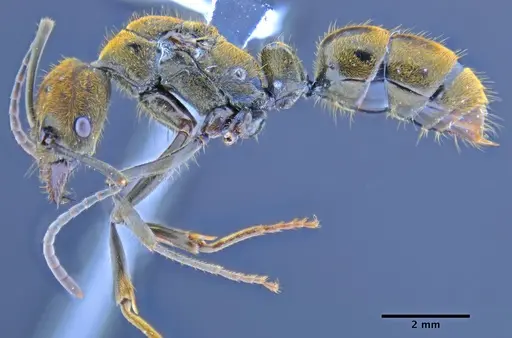
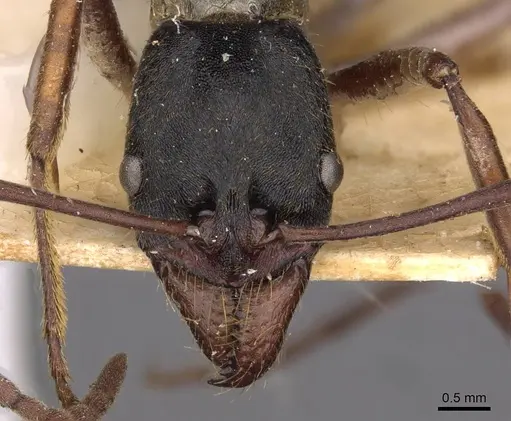
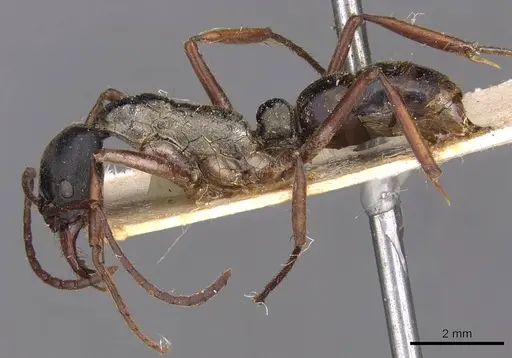
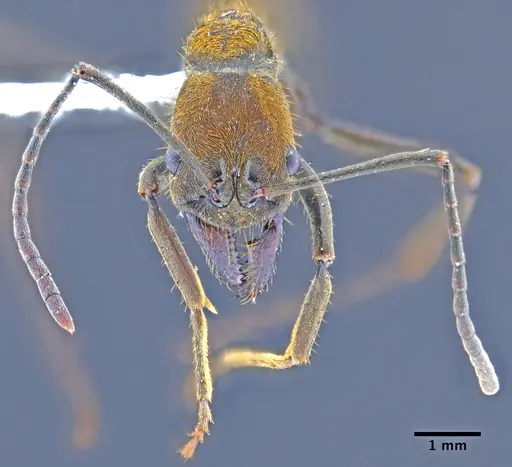
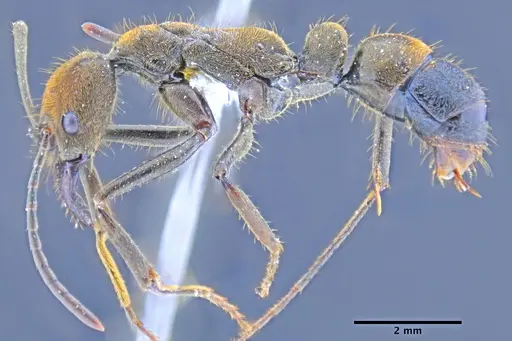
Neoponera eleonorae is a medium-sized predatory ant native to the Andes mountains of Colombia and Ecuador. Workers measure about 9mm and have a distinctive appearance, they're black but covered in dense golden pubescence that gives them a bronze or brassy sheen. The queen is larger at 13mm with the same golden coloration. This species belongs to the Ponerinae subfamily, known for their powerful stings and predatory lifestyle. The most notable physical feature is the unusual metasternal process, a pair of elongated finger-like lobes on the underside of the thorax. They inhabit high-elevation cloud forests between 1600-1900 meters, making them one of the few ant species adapted to cooler mountain tropical conditions.
Quick Summary
- Difficulty: Medium
- Origin & Habitat: Andes mountains of Colombia and Ecuador, found at elevations between 1600-1900 meters in cloud forest habitats [1][2][3]
- Colony Type: Colony structure is unconfirmed, no data exists on whether they are single-queen or multi-queen colonies
- Size & Growth:
- Queen: 13mm [3]
- Worker: 9mm total length [3]
- Colony: Unknown, no colony size data exists for this species
- Growth: Unknown, no development data exists
- Development: Unknown, no direct development studies exist for this species. Based on typical Neoponera patterns, expect 2-4 months at tropical temperatures, but this is an estimate. (Development timeline is unconfirmed. Related Neoponera species typically take 2-4 months from egg to worker at warm temperatures.)
- Antkeeping:
- Temperature: Keep at 22-26°C. Based on their high-elevation origin (1600-1900m), they likely prefer cooler conditions than typical lowland tropical ants. Avoid temperatures above 28°C.
- Humidity: High humidity required, aim for 70-85%. These are cloud forest ants that need consistently moist conditions. Keep the nest substrate damp but not waterlogged.
- Diapause: Unknown, no data on overwintering requirements. Their high-elevation habitat suggests they may tolerate cooler temperatures, but whether they require a dormancy period is unconfirmed.
- Nesting: Natural nesting is unconfirmed. Based on related species, they likely nest in rotting wood or soil in shaded forest floor areas. In captivity, a naturalistic setup with moist substrate or a Y-tong/plaster nest works well.
- Behavior: Temperament is unconfirmed, but Neoponera species are typically defensive and will sting if threatened. They are predatory ants that likely hunt small invertebrates. Escape risk is moderate, workers at 9mm are large enough to be contained with standard barriers, but they are active foragers. Expect moderate to high activity levels. The sting is likely painful based on genus patterns, though this specific species has not been tested.
- Common Issues: no biological data exists, everything about their care is inferred from genus patterns, high-elevation origin means they may be sensitive to overheating, humidity requirements are critical, dry conditions will likely kill colonies, predatory diet means they need live prey, not just sugar water, sting is painful, handle with care
Appearance and Identification
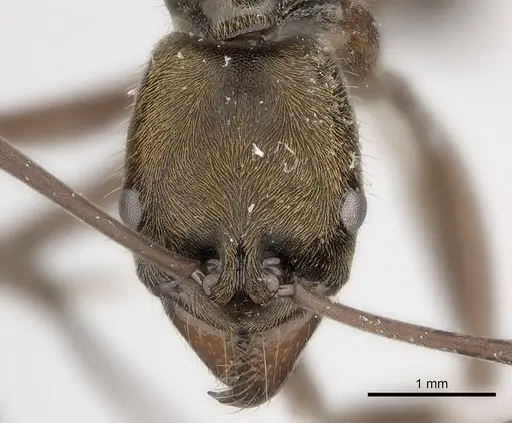
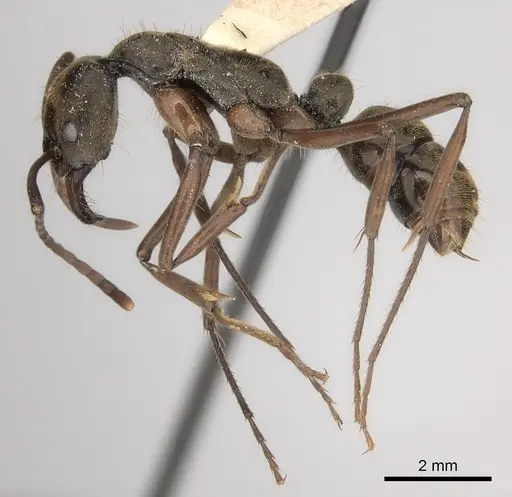
Neoponera eleonorae workers reach about 9mm in total length and are immediately recognizable by their distinctive golden-bronze coloration. The ant appears black at first glance but is covered in dense golden appressed pubescence that creates a brassy or reddish-bronze sheen. The mandibles have approximately 12 teeth, and the head is relatively elongated at 2.4mm length with a width of 1.8mm. The eyes are small at 0.4mm and located more than one diameter from the anterior head margin. The most distinctive feature is the metasternal process, an unusual pair of elongated parallel finger-like lobes on the underside of the thorax. The petiole has a unique shape where the anterior and posterior faces are nearly parallel, with the anterior face being about half as long as the posterior face and gradually bending into the dorsal face. Queens are larger at 13mm with similar golden coloration and the same distinctive metasternal features. [3]
Distribution and Habitat
This species is found in the Andes mountains of Colombia and Ecuador at elevations between 1600-1900 meters. In Colombia, documented locations include Antioquia, Nariño, Putumayo, Santander, and Valle del Cauca departments. The type locality is Quito, Ecuador. This high-elevation distribution is significant for antkeepers because it suggests N. eleonorae prefers cooler conditions than typical lowland tropical ants. They inhabit cloud forest environments where temperatures are moderate and humidity remains high year-round. The combination of elevation and latitude means temperatures in their natural range likely stay between 15-25°C, with significant moisture from cloud cover. [1][2][3]
Feeding and Diet
Feeding behavior is unconfirmed for this specific species, but Neoponera ants are predatory by nature and likely hunt small invertebrates. Based on genus patterns, they probably accept small live prey such as fruit flies, pinhead crickets, mealworms, and other small arthropods. They may also scavenge protein sources. Sugar acceptance is uncertain, some Ponerine ants will take honey or sugar water while others ignore carbohydrates entirely. For now, offer a varied diet including small live prey as the primary food source, and occasionally test sugar offerings. Feed protein 2-3 times per week, removing uneaten prey within 24 hours.
Temperature and Humidity Requirements
Based on their high-elevation cloud forest origin, these ants prefer cooler temperatures than typical tropical species. Keep the nest at 22-26°C, avoiding anything above 28°C. A gentle temperature gradient allows the colony to self-regulate. High humidity is essential, aim for 70-85% relative humidity. The nest substrate should remain consistently moist but never waterlogged. These ants are adapted to constant moisture from cloud cover, so drying out is likely fatal. Use a moisture-retaining nest setup and monitor substrate dampness regularly. [3]
Nesting in Captivity
Natural nesting behavior is unconfirmed, but Neoponera species typically nest in rotting wood, under stones, or in soil in shaded forest locations. For captivity, a naturalistic setup with moist substrate works well, a mix of soil and rotting wood or leaf litter. Alternatively, a Y-tong (acrylic) nest or plaster nest with a water reservoir maintains humidity well. Regardless of setup, ensure the nest provides darkness, moisture retention, and enough space for colony growth. Given their mountain origin, they may be less tolerant of drying than lowland species.
Sting and Handling
Neoponera species are Ponerine ants equipped with a functional sting. While the exact pain level of N. eleonorae has not been documented, related Neoponera species are known to deliver painful stings. Treat them as capable of stinging if provoked or handled roughly. When working with the colony, use gentle techniques and avoid provoking defensive responses. For escape prevention, standard barriers work well since workers at 9mm are relatively large, but ensure enclosures are secure as with any ant species.
Frequently Asked Questions
How long does it take for Neoponera eleonorae to produce first workers?
The egg-to-worker timeline is unconfirmed, no development studies exist for this species. Based on typical Neoponera patterns, expect 2-4 months at warm temperatures (24-26°C), but this is an estimate. Patience will be required as the colony establishes.
What do Neoponera eleonorae ants eat?
Diet is unconfirmed for this species, but Neoponera ants are predatory. Offer small live prey like fruit flies, pinhead crickets, small mealworms, and other micro-arthropods. Sugar sources may be accepted but test occasionally. Remove uneaten prey within 24 hours.
Do Neoponera eleonorae ants sting?
Yes, they likely sting. Neoponera belongs to the Ponerinae subfamily, all of which have functional stings. While the specific pain level is undocumented, expect a painful sting if provoked. Handle with care.
What temperature should I keep Neoponera eleonorae at?
Keep nest temperatures between 22-26°C. Their high-elevation origin (1600-1900m) suggests they prefer cooler conditions than typical tropical ants. Avoid temperatures above 28°C.
What humidity level do Neoponera eleonorae ants need?
High humidity is essential, aim for 70-85%. Keep the nest substrate consistently moist but not waterlogged. These cloud forest ants are adapted to constant moisture and will likely not tolerate dry conditions.
Are Neoponera eleonorae good for beginners?
No, this species is not recommended for beginners. Almost nothing is known about their biology, and all care must be based on genus-level inference. They require specific temperature and humidity conditions that may be difficult to maintain. Additionally, they likely have a painful sting.
How big do Neoponera eleonorae colonies get?
Maximum colony size is unknown, no colony size data exists for this species. Based on related Neoponera species, colonies likely reach several hundred workers over time, but this is an estimate.
Can I keep multiple Neoponera eleonorae queens together?
Colony structure is unconfirmed. No data exists on whether they are single-queen or multi-queen colonies. Combining unrelated queens is not recommended since this has not been documented.
Do Neoponera eleonorae need hibernation or diapause?
Diapause requirements are unknown. Their high-elevation origin suggests they may tolerate cooler temperatures, but whether they require a dormancy period has not been studied. Monitor colony behavior and consider a slight temperature reduction in winter if they become less active.
What type of nest should I use for Neoponera eleonorae?
A naturalistic setup with moist substrate or a Y-tong/plaster nest works well. The key is maintaining high humidity while providing darkness and enough space for colony growth. Ensure the nest retains moisture well.
References

This caresheet is licensed under CC BY-SA 4.0 .
CASENT0217558
View on AntWeb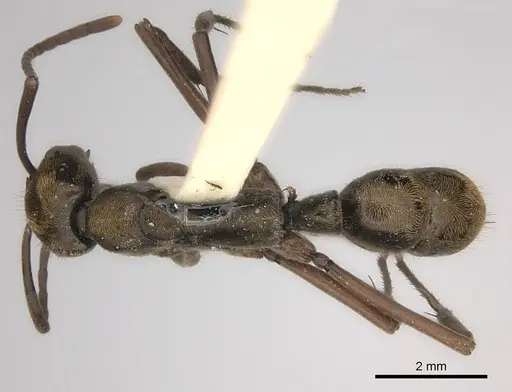
CASENT0649895
View on AntWeb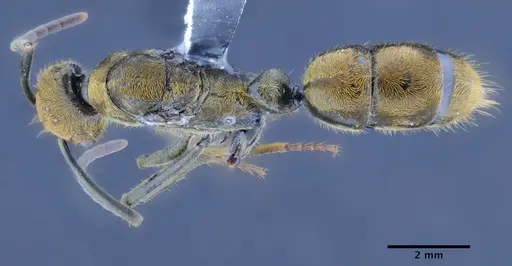
CASENT0907279
View on AntWeb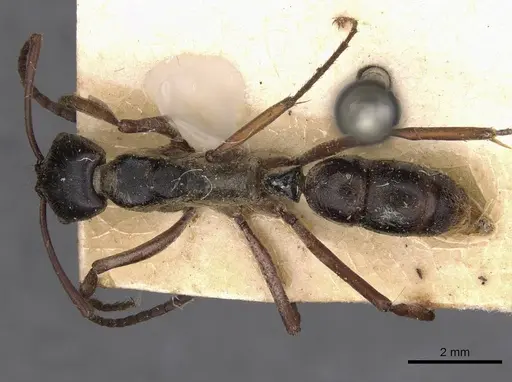
MEPNINV30157
View on AntWeb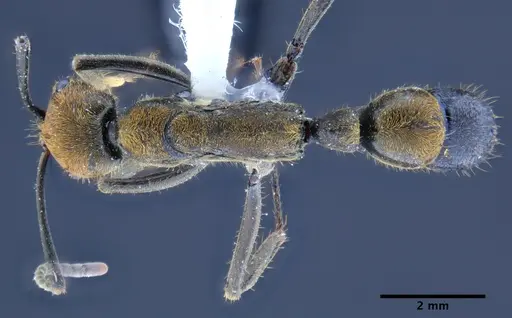
Literature
Loading...Loading products...