

Neoponera dismarginata
- Scientific Name
- Neoponera dismarginata
- Tribe
- Ponerini
- Subfamily
- Ponerinae
- Author
- MacKay & MacKay, 2010
- Distribution
- Found in 1 countries
Neoponera dismarginata Overview
Neoponera dismarginata is an ant species of the genus Neoponera. It is primarily documented in 1 countries , including Costa Rica. Detailed taxonomic data and occurrence records can be further explored via authoritative databases such as AntWeb or the Global Biodiversity Information Facility (GBIF).
Neoponera dismarginata
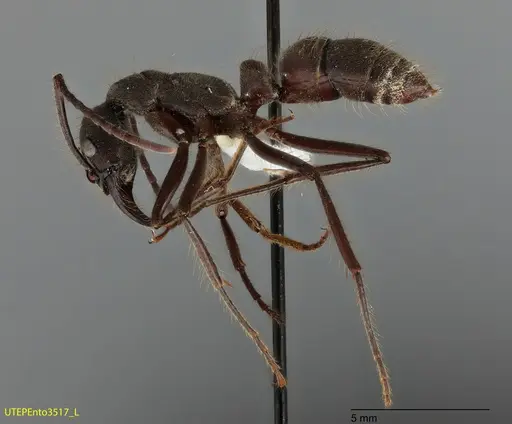
Neoponera dismarginata is a moderately large ant species native to Costa Rica, measuring around 14mm in total length. Workers are entirely black with dark legs and have distinctive golden pubescence covering much of their body. The species is identified by its poorly developed malar carina (a ridge near the eye that doesn't quite reach the eye itself) and longitudinal striae (grooves) running down the center of the clypeus (the face plate above the mandibles). These ants inhabit wet tropical forests at elevations between 500-1050 meters, where they nest in soft plant stems, rotten wood, and occasionally in the ant-plant Cecropia insignis. Colonies remain small, typically containing fewer than 24 workers. Workers are nocturnal, actively foraging on vegetation at night [1][2].
Quick Summary
- Difficulty: Medium
- Origin & Habitat: Costa Rica, wet forest elevations 500-1050 meters [1]
- Colony Type: Small colonies with up to approximately 24 workers. Colony structure is not directly documented but small colony size suggests single-queen organization [1]
- Size & Growth:
- Queen: Not described in available literature, estimated based on worker size (14mm total length) [1]
- Worker: 14mm total length, head width 2.2mm, head length 2.9mm, scape 3.4mm [1]
- Colony: Up to approximately 24 workers [1]
- Growth: Unknown, small colony size suggests slow to moderate growth
- Development: Unconfirmed, no direct development data exists for this species. Based on typical Ponerinae patterns, expect 2-4 months at warm tropical temperatures. (Development timeline is unconfirmed. Ponerine ants typically have longer development than many common ant genera.)
- Antkeeping:
- Temperature: Keep at 24-28°C. These are lowland tropical ants from Costa Rica, so warmth is essential. A heating cable on one side of the nest creates a gradient allowing workers to self-regulate [1]
- Humidity: High humidity is critical. This species comes from wet forest habitats and nests in rotting wood and plant stems. Keep nest substrate consistently moist but not waterlogged. Provide a water reservoir and mist occasionally, but allow some drier areas for workers to escape excess moisture [1]
- Diapause: No true diapause required. As a tropical species from Costa Rica, they do not experience cold winters. However, a slight reduction in temperature during the dry season may be beneficial if the colony shows reduced activity [1]
- Nesting: Provide a naturalistic setup with rotting soft wood, cork, or a Y-tong/plaster nest. They naturally nest in soft dead plant stems, rotten stumps, and hollow branches. The nest should have tight chambers and passages scaled to their moderate size. Avoid overly dry or hard materials, they prefer soft, damp nesting media that can be excavated [1]
- Behavior: Workers are nocturnal, becoming active after dark to forage on vegetation. They are predatory like most Ponerinae ants, using their sting for subdue prey. They are not aggressive toward keepers but can deliver a painful sting if handled roughly. Escape risk is moderate, their 14mm size makes them easy to contain with standard barriers, but they are strong climbers. Ensure all connections are secure and consider using fluon on tube openings [1]
- Common Issues: small colony size means these ants are sensitive to disturbance, handle gently and minimize nest inspections, high humidity requirements can lead to mold problems if ventilation is poor, balance moisture with airflow, no documented development timeline makes timing uncertain, patience is required, tropical species may struggle in air-conditioned rooms or cool climates, use heating if room temperature falls below 24°C, predatory diet means they need regular protein input, dead prey may not be accepted, offer live or freshly killed insects
Housing and Nest Setup
Neoponera dismarginata does well in naturalistic setups that mimic their natural nesting preferences. They naturally nest in soft, rotting plant material including dead Piper stems, rotten stumps, Cecropia trunks, and chambers left by wood-boring beetle larvae. For captivity, a Y-tong (acrylic) nest with soft substrate or a plaster nest works well. You can also use cork or soft wood inserts to simulate their natural dead plant stem habitat. The nest chambers should be appropriately sized, not too large for such small colonies. Keep the nest humid and provide a water reservoir. Since workers are nocturnal, ensure the setup allows for dark periods during their active hours. An outworld with natural decorations like leaves, twigs, and soil will encourage natural foraging behavior [1].
Feeding and Diet
As a Ponerinae ant, N. dismarginata is predatory and needs a protein-rich diet. Workers forage on vegetation at night and likely hunt small invertebrates in the wild. Offer live or freshly killed insects such as fruit flies, small crickets, mealworms, and other appropriately sized arthropods. They may also accept protein jelly or frozen insects. Sugar sources like honey or sugar water can be offered occasionally but protein should be the primary food. Feed every 2-3 days, adjusting based on colony size and consumption. Remove uneaten prey after 24-48 hours to prevent mold. Since colonies remain small (under 24 workers), even a single small cricket is substantial, adjust portion sizes accordingly [1]
Temperature and Humidity
These Costa Rican wet forest ants require warm, humid conditions. Maintain temperatures between 24-28°C year-round. A heating cable placed on one side of the nest creates a temperature gradient so workers can regulate their own exposure. Avoid temperatures below 22°C as this species is adapted to stable tropical conditions. Humidity should be high, think damp forest floor. Keep the nest substrate consistently moist but not saturated with standing water. Mist the nest occasionally and provide a water reservoir. Good ventilation is essential to prevent mold while maintaining humidity. If you see condensation constantly pooling, increase ventilation, if the substrate dries quickly between mistings, increase humidity [1]
Behavior and Activity Patterns
Workers are strictly nocturnal, becoming active after dark to forage on vegetation. This is an important care consideration, you won't see much activity during daylight hours. The colony will likely remain quiet during the day and become active in the evening and night. They are predatory hunters using their sting to subdue prey, not scavengers. Workers are moderately large (14mm) and can deliver a painful sting if threatened, though they are not aggressive toward humans and will flee rather than attack when given the chance. Handle gently and avoid disturbing the nest unnecessarily. Their small colony size means the colony is sensitive to stress, large disturbances can cause workers to abandon brood or even abandon the queen [1]
Colony Growth and Expectations
Wild colonies contain approximately 24 workers, making this a small-colony species. This means your captive colony will likely never grow large, do not expect hundreds or thousands of workers. Growth is likely slow, with each new worker taking considerable time to develop. Be patient with founding colonies and do not expect rapid expansion. The small colony size also means these ants are more sensitive to environmental changes than species that form large colonies with many workers. Minimize nest disturbances, maintain stable conditions, and avoid overfeeding which can lead to mold in small, enclosed spaces. A well-established colony of 15-20 workers represents a mature, healthy colony for this species [1]
Frequently Asked Questions
How long does it take for Neoponera dismarginata to produce first workers?
The development timeline is unconfirmed for this species. Based on typical Ponerinae development patterns, expect 2-4 months from egg to worker at optimal temperatures (24-28°C). However, without specific research on this species, this is an estimate and actual timing may vary.
Can I keep Neoponera dismarginata in a test tube?
A test tube can work for a founding colony, but these ants prefer humid conditions and soft nesting material. Once the colony reaches 5-10 workers, consider moving to a more naturalistic setup with cork, soft wood, or a plaster nest that can be kept consistently humid.
How big do Neoponera dismarginata colonies get?
Colonies remain small in the wild, with approximately 24 workers being typical. In captivity, expect similar sizes, this is not a species that will produce massive colonies. A colony of 15-20 workers represents a mature, healthy colony.
Are Neoponera dismarginata good for beginners?
This species is rated as medium difficulty. While not the most challenging ant species, the lack of documented care information, small colony size, high humidity requirements, and nocturnal activity pattern make it better suited for keepers with some experience who can provide stable tropical conditions.
What do Neoponera dismarginata eat?
They are predatory ants that need protein-rich food. Offer live or freshly killed insects such as fruit flies, small crickets, mealworms, and other small arthropods. They may occasionally accept sugar sources like honey, but protein should be the primary diet.
Do Neoponera dismarginata need hibernation?
No, they do not require hibernation. As a tropical species from Costa Rica, they are adapted to year-round warm conditions. A slight temperature reduction during the dry season may be natural but is not required for captive care.
When should I move my colony to a formicarium?
Move from a founding setup (test tube) to a naturalistic nest once the colony reaches 5-10 workers. The colony will need more space and a setup that can maintain high humidity while providing good ventilation. A Y-tong or plaster nest with soft substrate works well.
Why are my Neoponera dismarginata not active during the day?
This is normal, workers are nocturnal and forage at night. Expect little to no activity during daylight hours. The colony will become active in the evening and night.
Can I keep multiple queens together?
Colony structure is not documented for this species. Given the small colony size observed in the wild (around 24 workers), single-queen colonies are likely. Combining unrelated queens is not recommended without documented evidence of pleometrosis in this species.
References

This caresheet is licensed under CC BY-SA 4.0 .
CASENT0217557
View on AntWeb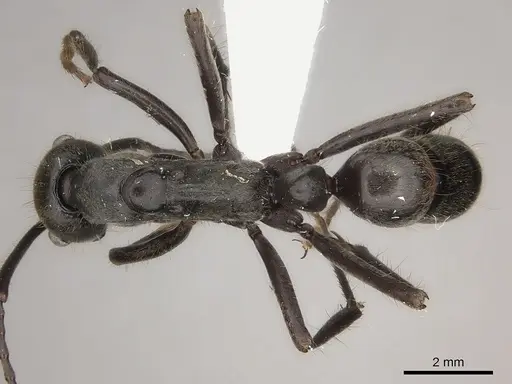
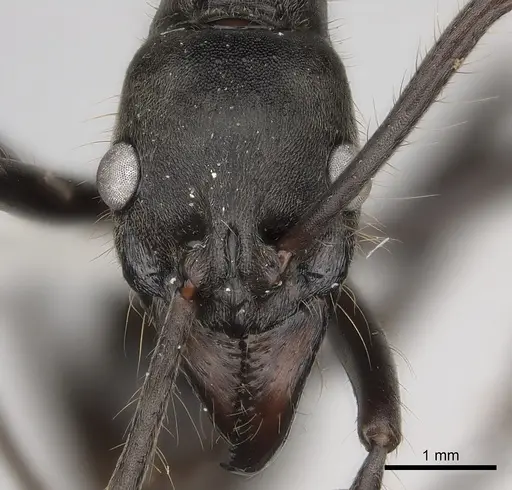
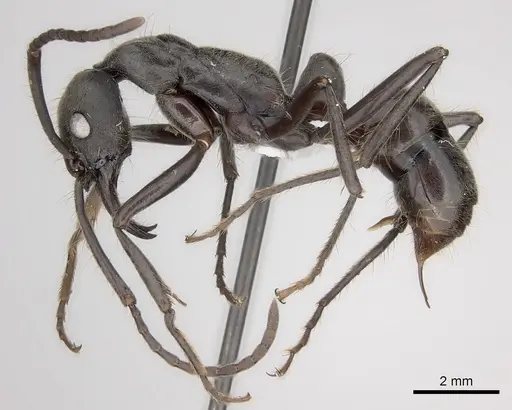
UTEPENTO3517
View on AntWeb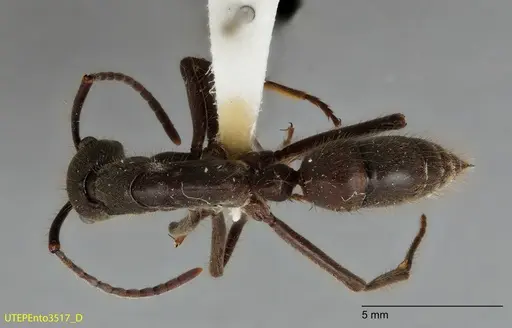
Literature
Loading...Loading products...