

Neoponera cooki
- Scientific Name
- Neoponera cooki
- Tribe
- Ponerini
- Subfamily
- Ponerinae
- Author
- MacKay & MacKay, 2010
- Distribution
- Found in 2 countries
Neoponera cooki Overview
Neoponera cooki is an ant species of the genus Neoponera. It is primarily documented in 2 countries , including Brazil, French Guiana. Detailed taxonomic data and occurrence records can be further explored via authoritative databases such as AntWeb or the Global Biodiversity Information Facility (GBIF).
Neoponera cooki
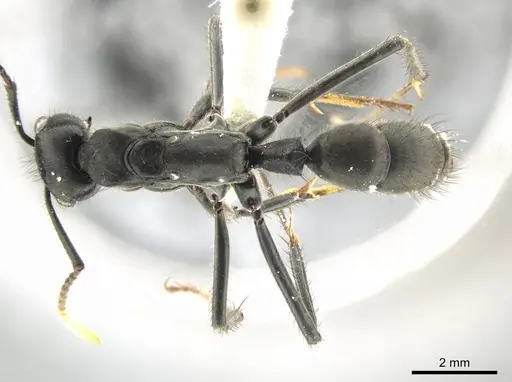
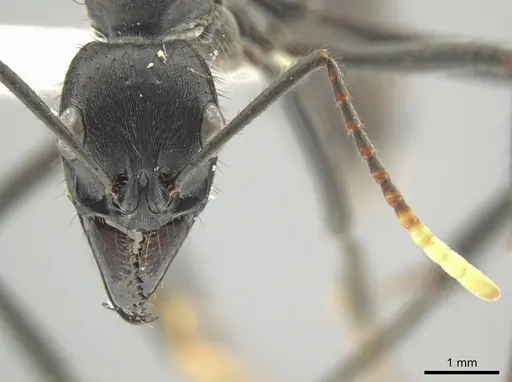
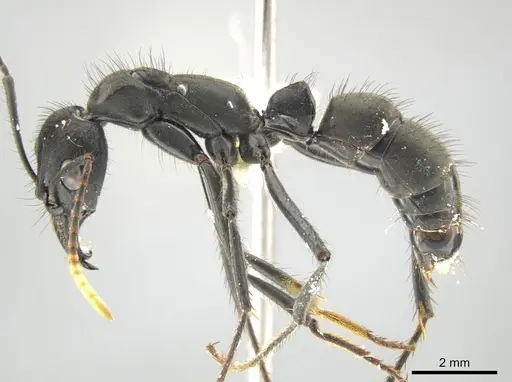
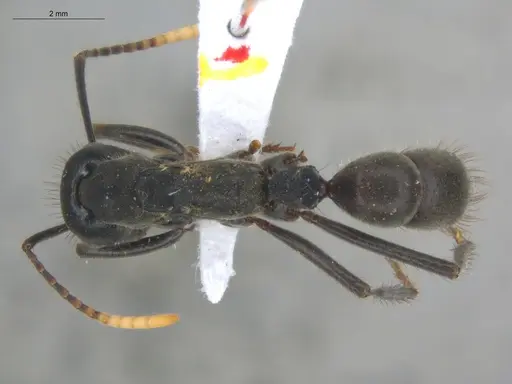
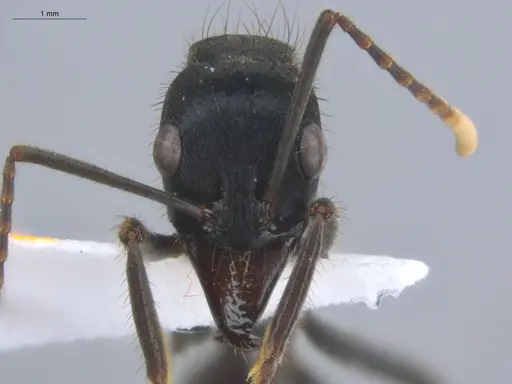
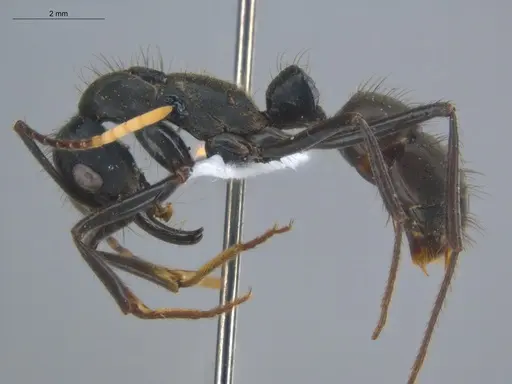
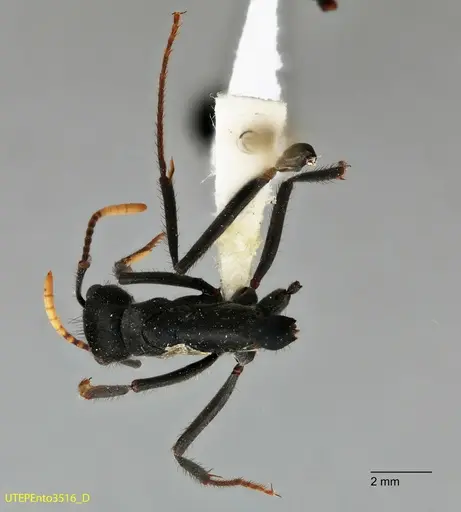
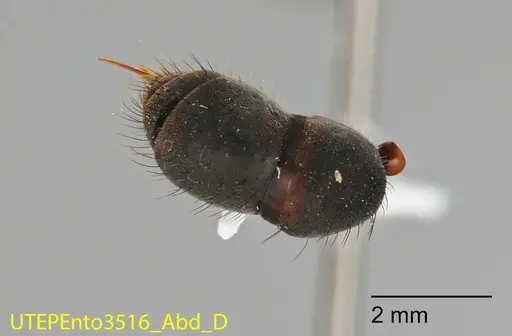
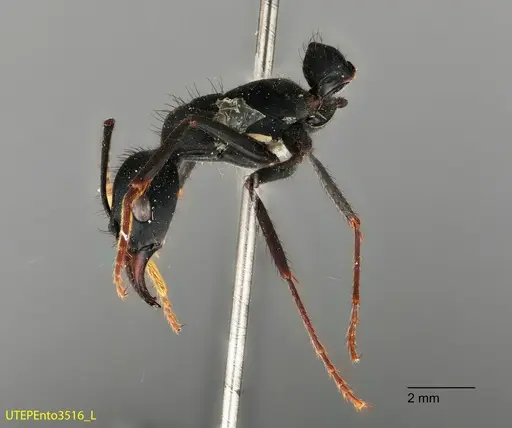
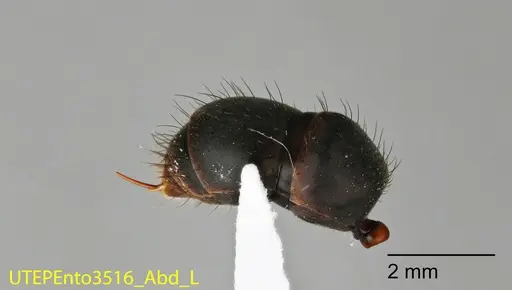
Neoponera cooki is a moderate-sized black ant measuring around 13mm in total length. Workers are distinctive for their yellow-tipped funiculus (antennae tips) and are covered in long erect hairs. The species has fine longitudinal striae on the head, which helps distinguish it from similar species like Neoponera apicalis and Neoponera fauveli. This ant is found in the Neotropical region of South America, specifically Colombia, Ecuador, Brazil, and French Guiana, where it forages on the leaf litter surface of rainforest floors. The species was named in honor of myrmecologist Jerry Cook. Queens and males have not been described for this species, making captive breeding challenging as there are no established breeding protocols.
Quick Summary
- Difficulty: Expert
- Origin & Habitat: Neotropical rainforest of Colombia, Ecuador, Brazil, and French Guiana. Specimens collected between 215-200 meters elevation in leaf litter habitats [1][2][3].
- Colony Type: Unknown, queens have not been described. Based on related Neoponera species, likely single-queen colonies.
- Size & Growth:
- Queen: Unknown, queens have not been described
- Worker: 13mm total length
- Colony: Unknown, only a few specimens have ever been recorded, making this one of the rarest Neoponera species [4]
- Growth: Unknown
- Development: Unknown, no development data exists for this species. Based on related Neoponera species, estimate 6-10 weeks at optimal temperature. (No direct data available. Estimates based on genus-level patterns for Ponerine ants.)
- Antkeeping:
- Temperature: Keep warm, around 24-28°C. This species comes from tropical rainforest habitats in the Amazon basin, so it needs consistently warm temperatures similar to other Neotropical Ponerines.
- Humidity: High humidity required, aim for 70-85%. These are leaf-litter ants from tropical rainforests, so they need damp substrate conditions. Keep the nest substrate consistently moist but not waterlogged.
- Diapause: Unlikely, being a tropical species, they probably do not require a diapause period. However, a slight reduction in temperature during the dry season may be beneficial.
- Nesting: In the wild, they nest in leaf litter and soil. In captivity, a naturalistic setup with moist substrate or a Y-tong/plaster nest works well. Provide deep soil or multiple chambers for them to forage and brood-rear.
- Behavior: Workers forage on the leaf litter surface, hunting for small prey. Like other Ponerine ants, they are likely predatory and have a functional sting. They are probably moderately aggressive when defending the colony. Escape prevention should be good, at 13mm, they are large enough that standard barriers work well, but they can climb smooth surfaces. Their large size and potent sting mean they should be handled with care.
- Common Issues: This is an extremely rare species with almost no data, finding a mated queen for sale is nearly impossible, Queens have never been described, making captive breeding from wild-caught queens extremely difficult, Only a handful of specimens have ever been recorded in the wild, indicating very low population densities, No established care protocols exist, keepers must experiment based on genus-level knowledge, As a tropical species, temperature control is critical, cold temperatures will likely kill the colony
Species Overview and Identification
Neoponera cooki is a striking black ant measuring approximately 13mm in total length. The workers are most easily recognized by their yellow-tipped funiculus (the final segments of the antennae) and the distinctive long erect hairs that cover their body. The head has fine longitudinal striae that diverge toward the back, and the pronotum shows very fine transverse striations. These morphological features help distinguish N. cooki from related species like N. apicalis, N. fauveli, N. verenae, and N. obscuricornis. The species was originally described as Neoponera cooki in 2010 by Mackay and Mackay before being reclassified to Neoponera in 2014. The name honors Jerry Cook, a fellow myrmecologist and close friend of the describers.
Distribution and Habitat
This species is known from the Amazon basin region of South America, with confirmed records from Colombia (Amazonas and Meta departments), Ecuador, Brazil (Amazonas state near Manaus), and French Guiana. Specimens have been collected at elevations between 200-215 meters, which corresponds to lowland tropical rainforest habitat. In French Guiana, N. cooki has been recorded in plateau forest environments. The species appears to be a rare leaf-litter ant, only a single individual was recorded during extensive surveys at the PDBFF (Programa de Biodiversidade da Floresta Federal) site in Brazil, making it one of the rarest Neoponera species documented [4]. The preference for leaf-litter microhabitats suggests this species, like many Ponerines, forages on the forest floor where humidity remains high and temperatures are stable.
Housing and Nesting
Because this species has never been kept in captivity (as far as documented), housing recommendations must be based on what we know about related Neoponera species and its natural history. Workers have been collected foraging on leaf litter surfaces, suggesting they are ground-dwelling predators. A naturalistic setup with deep, moist substrate (a mixture of soil and organic matter like coco fiber or leaf litter) works well for simulating their natural environment. Alternatively, a Y-tong or plaster nest with multiple chambers provides a more controlled option. The nest should have a water reservoir to maintain humidity, and the outworld should be simple with a foraging area. Given their size (13mm), standard formicarium dimensions are suitable, but ensure the chambers are not too small. Escape prevention is important, while large ants cannot squeeze through tiny gaps, they can climb smooth surfaces, so a barrier like fluon on the rim of the nest works well.
Feeding and Diet
Neoponera cooki is almost certainly predatory, like other members of the genus. In the wild, Ponerine ants like this one hunt small invertebrates on the forest floor, including springtails, mites, small insects, and other leaf-litter arthropods. In captivity, offer a variety of small live prey such as fruit flies, small crickets, mealworms, and other appropriately-sized insects. Pre-killed prey may be accepted if moved in front of workers, but live prey is more likely to trigger hunting behavior. Sugar sources like honey or sugar water may be accepted but should not be the primary food, these ants are protein-focused predators. Feed every 2-3 days, adjusting based on colony consumption. Remove uneaten prey after 24 hours to prevent mold.
Temperature and Humidity Requirements
As a tropical Amazonian species, Neoponera cooki requires warm and humid conditions. Keep the nest area at 24-28°C (75-82°F), with a slight gradient allowing workers to choose their preferred temperature. A heating cable or mat on one side of the nest can create this gradient, place it on top of the nest rather than underneath to avoid excessive drying. Humidity should be high, around 70-85%, which can be maintained through a water reservoir connected to the nest or by misting the substrate regularly. The substrate should feel consistently moist but never waterlogged. Good ventilation is essential to prevent mold while maintaining humidity. Unlike temperate species, this ant likely does not require a diapause period, though a slight seasonal temperature fluctuation mimicking wet and dry seasons may be beneficial.
Challenges and Conservation Status
Neoponera cooki presents significant challenges for antkeepers. This is one of the rarest Neoponera species known, only a handful of specimens have ever been collected in the wild, and queens have never been described. This means there are no established captive breeding protocols, and obtaining a mated queen is essentially impossible through normal channels. The species is not available in the antkeeping hobby, and any attempt to keep it would require scientifically collecting a founding queen (which may not even be described). Additionally, because so little is known about its biology, keepers would be essentially experimenting with every aspect of care. For these reasons, Neoponera cooki is best appreciated as a species to learn about rather than one to keep. Related and more commonly kept species like other Neoponera or Pachycondyla would provide similar keeping experiences with more available information. [4]
Frequently Asked Questions
Can I keep Neoponera cooki as a pet ant?
No. This species is extremely rare in the wild with only a handful of specimens ever recorded, and queens have never been described. The species is not available in the antkeeping hobby, and there are no established care protocols. It would be nearly impossible to obtain a colony.
What does Neoponera cooki look like?
Workers are about 13mm long, entirely black with a distinctive yellow-tipped funiculus (antennae tips). They are covered in long erect hairs and have fine striations on the head. The combination of yellow antennae tips and head striations helps identify this species.
Where does Neoponera cooki live?
This species is found in the Amazon basin of South America: Colombia, Ecuador, Brazil, and French Guiana. It lives in lowland tropical rainforest at elevations around 200-215 meters, where it forages in leaf litter.
What do Neoponera cooki ants eat?
Like other Ponerine ants, they are predatory and hunt small invertebrates on the forest floor. In captivity, they would likely accept small live insects like fruit flies, small crickets, and mealworms. Sugar sources may be occasionally accepted but protein prey should be the primary food.
How big do Neoponera cooki colonies get?
Unknown. Only single workers have ever been recorded in the wild, making this one of the rarest Neoponera species. Colony size data does not exist because the species has never been studied in depth.
What temperature do Neoponera cooki ants need?
As a tropical Amazonian species, keep them warm at 24-28°C (75-82°F). A temperature gradient allowing workers to choose their preferred spot is ideal. Cold temperatures will likely be fatal.
Do Neoponera cooki queens have wings?
Unknown. Queens have never been described for this species, so we do not know if they are winged, ergatoid (wingless), or what their reproductive morphology looks like. This is one of the many gaps in our knowledge about this species.
Is Neoponera cooki a good species for beginners?
No. This species is not available in the antkeeping hobby, and even if it were, it would be extremely difficult to keep due to the complete lack of established care protocols. Additionally, obtaining a queen or colony would be essentially impossible.
Why is Neoponera cooki so rare?
We do not know exactly why this species is so rarely encountered. It may have naturally low population densities, be very cryptic in its behavior, or have a limited geographic range. Extensive ant surveys in the Amazon have only recorded a handful of specimens, suggesting genuinely low abundance in the wild.
References

This caresheet is licensed under CC BY-SA 4.0 .
Literature
Loading...Loading products...