

Neoponera carbonaria
- Scientific Name
- Neoponera carbonaria
- Tribe
- Ponerini
- Subfamily
- Ponerinae
- Author
- Smith, 1858
- Distribution
- Found in 2 countries
Neoponera carbonaria Overview
Neoponera carbonaria is an ant species of the genus Neoponera. It is primarily documented in 2 countries , including Colombia, Ecuador. Detailed taxonomic data and occurrence records can be further explored via authoritative databases such as AntWeb or the Global Biodiversity Information Facility (GBIF).
Neoponera carbonaria
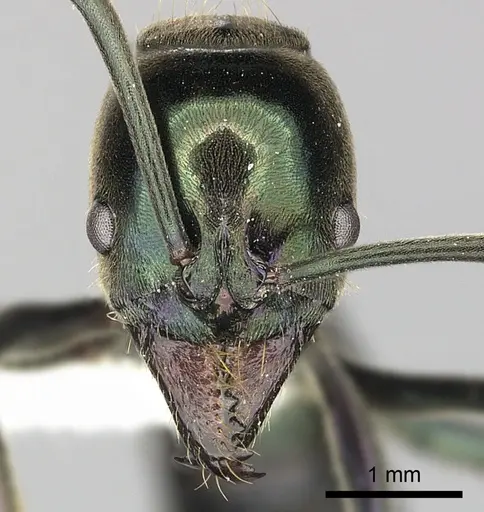
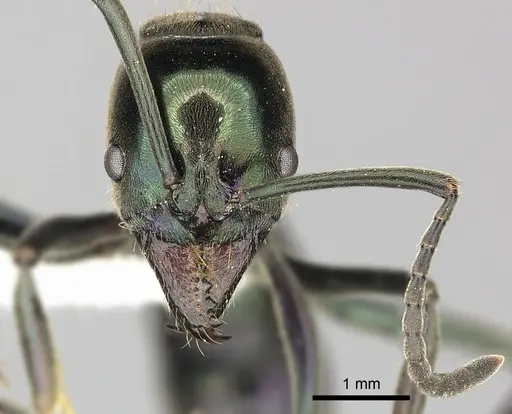
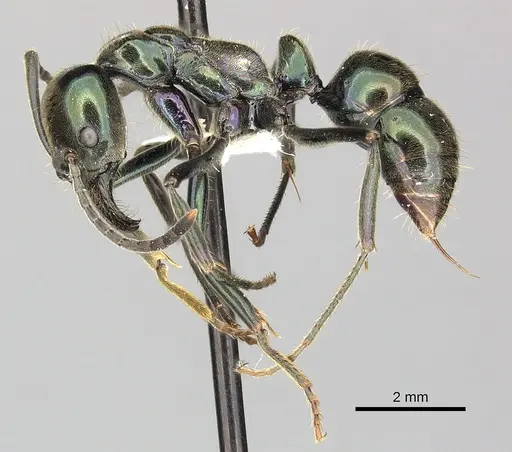
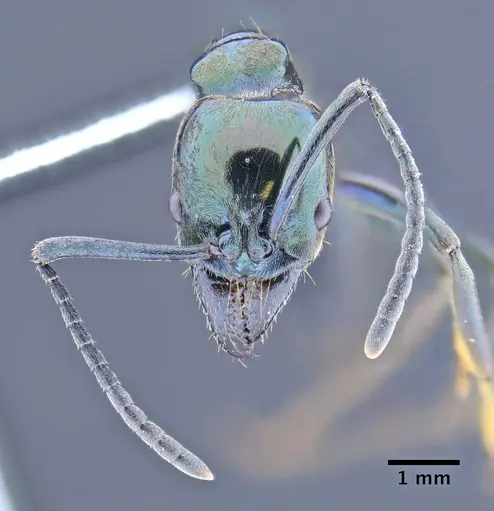
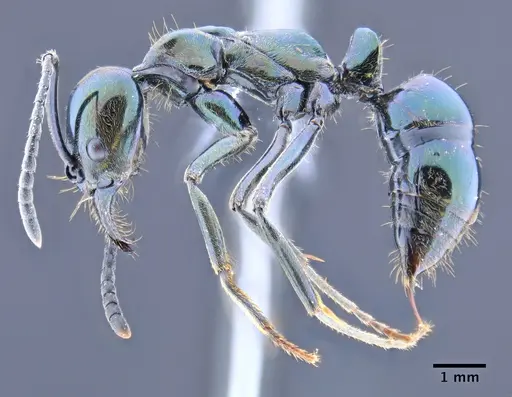
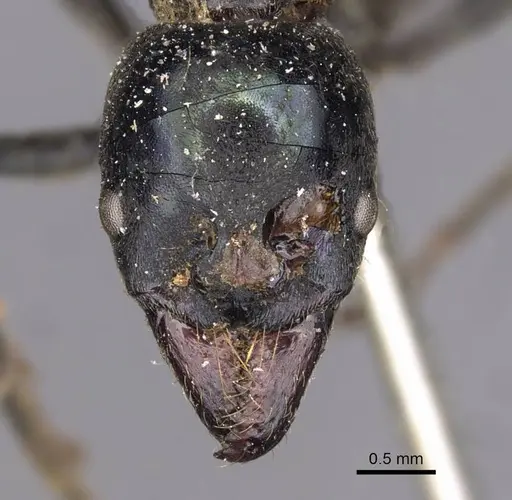
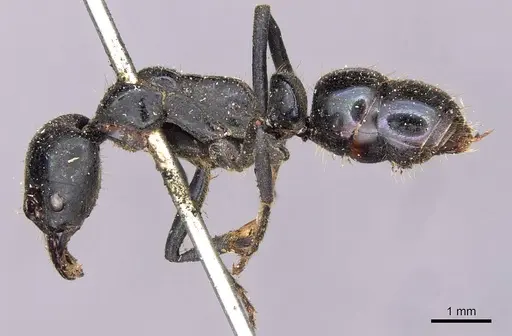
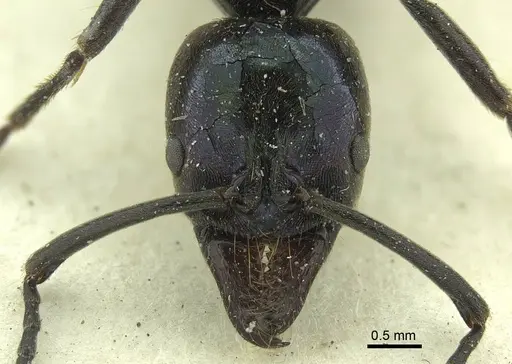
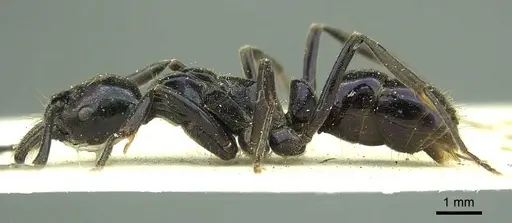
Neoponera carbonaria is a large, striking ponerine ant native to the Neotropical region of South America. Workers reach about 10mm in total length, while queens are even more impressive at 13mm. These ants are predominantly black but display a stunning feature: their cuticle has metallic green and blue iridescent reflections that catch the light beautifully, making them one of the more visually striking ants in the hobby [1][2]. The species was formerly classified as Neoponera carbonaria before being reclassified to Neoponera.
In the wild, these ants inhabit high-elevation cloud forests between 2250-2800 meters, though they have been recorded at altitudes ranging from 10m to nearly 3000m [3][4]. They nest in rotting stumps and under bark, typically within the top 15cm of decaying wood. This is a predatory ponerine species, so it hunts and captures prey rather than simply foraging for seeds or honeydew.
Quick Summary
- Difficulty: Medium
- Origin & Habitat: Native to the Neotropical region: Colombia, Ecuador, Nicaragua, and Venezuela. Inhabits wet cloud forests at high elevations (2250-2800m), though records span from 10m to 2950m. Found in forest remnants and coffee plantations [4][5][3].
- Colony Type: Colony structure is unconfirmed. No published data on whether they are single-queen (monogyne) or multi-queen (polygyne) colonies. A colony was documented with brood and sexuals present in January, suggesting year-round brood production in their tropical habitat [6].
- Size & Growth:
- Queen: 13mm total length [6]
- Worker: 10mm total length [7][6]
- Colony: Unknown, no published colony size data
- Growth: Unknown, no development studies available
- Development: Unknown, no direct studies. Based on typical Ponerine patterns, estimate 8-12 weeks at warm temperatures. (Ponerines typically have longer development times than many common ant genera. Related species suggest several months from egg to worker.)
- Antkeeping:
- Temperature: Keep warm, around 24-28°C. As a high-elevation cloud forest species, they prefer stable temperatures in the warm range without extreme heat. A heating cable on one side of the nest creates a gradient allowing workers to self-regulate.
- Humidity: High humidity is essential. These ants come from wet cloud forest habitats. Keep the nest substrate consistently moist but not waterlogged. Provide a water tube for drinking access. Mist the outworld regularly and ensure the nest area maintains humidity around 70-80%.
- Diapause: Unlikely required. As a tropical/high-elevation species from near the equator, they likely do not enter true diapause. However, a slight reduction in temperature during winter months (dropping to around 20-22°C) may be beneficial to simulate seasonal slowdown.
- Nesting: In captivity, they do well in naturalistic setups with rotting wood or cork bark, as this mimics their natural nesting in decaying stumps. A Y-tong (AAC) nest with moist substrate also works well. Provide a deep soil layer (at least 5-10cm) for tunneling if using a naturalistic setup. They prefer dark, humid nest chambers.
- Behavior: These are active, predatory ants with a potent sting. Workers are aggressive defenders of the nest and will readily attack intruders. They are primarily nocturnal foragers in the wild. As predators, they hunt small invertebrates and will accept a variety of protein foods including mealworms, crickets, and other small insects. Their large size and powerful sting mean escape prevention is important, they can defend themselves effectively. They are not escape artists in the same way as tiny ants, but their strong mandibles allow them to grip surfaces well.
- Common Issues: high humidity requirements can lead to mold problems if ventilation is inadequate, their potent sting makes them a genuine pain risk, handle with care and use protective equipment when servicing the colony, slow growth compared to many common ants means keepers may lose patience and overfeed or disturb the colony, wild-caught colonies may carry parasites that can devastate captive populations, as a lesser-kept species, established husbandry protocols are less refined than for common genera
Housing and Nest Setup
Neoponera carbonaria does well in naturalistic terrarium-style setups that mimic their natural rotting wood habitat. Use a deep container (at least 15-20cm tall) filled with a moist soil mixture. Add pieces of rotting wood, cork bark, or leaf litter for them to nest in and explore. The substrate should remain consistently moist but never waterlogged, squeeze a handful and it should hold together without dripping. A Y-tong (acrylic) nest with a water reservoir also works, but provide a moist soil chamber or foam insert to maintain humidity. Cover the nest area to create dark, secure conditions, these ants prefer dark nesting sites. The outworld should include a shallow water dish and protein food offerings. [1][4]
Feeding and Diet
As a Ponerine ant, N. carbonaria is a predator that hunts live prey. In captivity, offer a variety of small invertebrates such as mealworms, fruit flies, small crickets, and other feeder insects appropriate to their size. They have powerful mandibles and can tackle prey nearly as large as themselves. Feed protein-rich foods 2-3 times per week, removing any uneaten prey after 24 hours to prevent mold. While their primary diet is live prey, they may occasionally accept sugar water or honey as an energy source, though this should not be their main food. Always provide a fresh water source.
Temperature and Seasonal Care
Maintain temperatures between 24-28°C for optimal colony health and development. A slight temperature gradient (warm on one side, cooler on the other) allows the ants to regulate their body temperature. Use a low-wattage heating cable or mat placed on or near one side of the nest, never place heating directly under the nest as it can dry out the substrate too quickly. Since they come from high-elevation cloud forests, they prefer humid conditions over extreme heat. During winter months in temperate climates, a slight reduction to around 20-22°C is acceptable, but avoid true cold exposure as this species is not cold-hardy. [4]
Handling and Safety
Neoponera carbonaria has a potent sting and should be handled with extreme caution. These are not suitable for handling by curious children or anyone with insect allergies. When working with the colony, use long forceps or catch sticks rather than bare hands. If threatened, they will grip firmly with their mandibles and deliver a painful sting. The sting is medically significant for some individuals, seek medical attention if allergic reactions occur. Always use excellent escape prevention and work in a contained area away from the colony when the outworld is open.
Colony Development
Little is known about the specific development timeline of N. carbonaria. Queens are substantial at 13mm and likely lay eggs year-round in tropical conditions. The first workers (nanitics) will be smaller than mature workers but should still be impressive at around 8mm. Growth is likely slower than many common ant genera, expect several months from founding to first workers. Colonies probably remain relatively small compared to species like Camponotus or Formica, potentially reaching a few hundred workers at maturity. Be patient with founding colonies and avoid disturbing them during the vulnerable early stages.
Frequently Asked Questions
How long does it take for Neoponera carbonaria to produce first workers?
The exact timeline is unknown, but based on typical Ponerine development, expect 8-12 months from founding to first workers. They have longer development times than many common ant genera, so patience is essential.
What do Neoponera carbonaria eat?
They are predators that need live protein prey. Offer small insects like mealworms, fruit flies, and small crickets. They may occasionally accept sugar water or honey but protein should be their primary food source.
Are Neoponera carbonaria good for beginners?
No. This species is recommended for intermediate to experienced antkeepers. They require high humidity, have specific temperature needs, have a potent sting, and are slower-growing than easier species.
What humidity do Neoponera carbonaria need?
High humidity, around 70-80%. Keep the nest substrate consistently moist but not waterlogged. Their native cloud forest habitat is very humid, so dry conditions will stress the colony.
What temperature should I keep Neoponera carbonaria at?
Keep them warm, around 24-28°C. Avoid temperatures below 20°C or above 30°C. A gentle temperature gradient allows self-regulation.
Can I keep multiple queens together?
It is unknown whether they are monogyne (single queen) or polygyne (multiple queens). Unless you have experience with Ponerine colonies, it is safest to start with a single queen colony.
What size colony do Neoponera carbonaria reach?
Colony size is not well documented, but based on related species, they likely reach a few hundred workers at maturity rather than the thousands seen in some genera.
Do Neoponera carbonaria need hibernation?
No. As a tropical/high-elevation species from near the equator, they do not require true hibernation. A slight seasonal temperature reduction (to around 20-22°C in winter) may be beneficial but is not required.
What kind of nest should I use for Neoponera carbonaria?
A naturalistic setup with moist soil and rotting wood or cork bark works best, as this mimics their natural nesting in decaying stumps. A Y-tong nest with a moist substrate chamber is also suitable.
References

This caresheet is licensed under CC BY-SA 4.0 .
CASENT0249132
View on AntWeb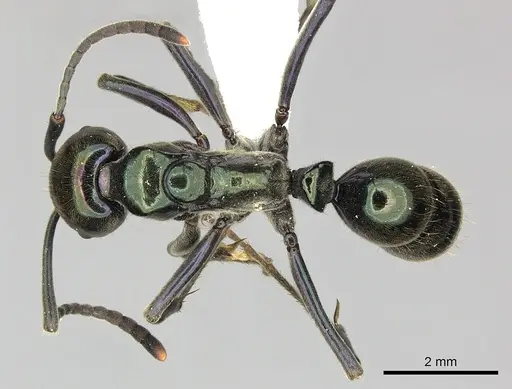
CASENT0649889
View on AntWeb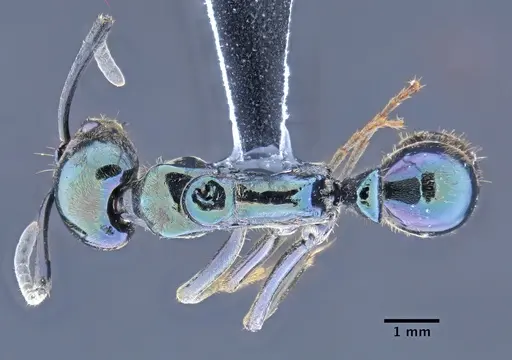
CASENT0649898
View on AntWeb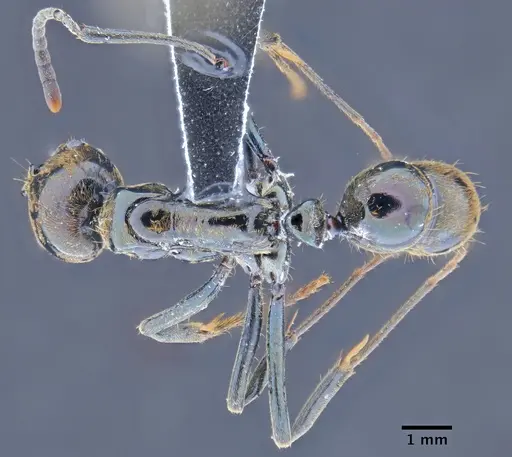
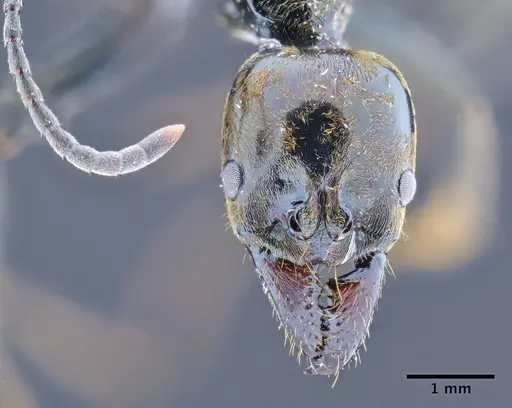
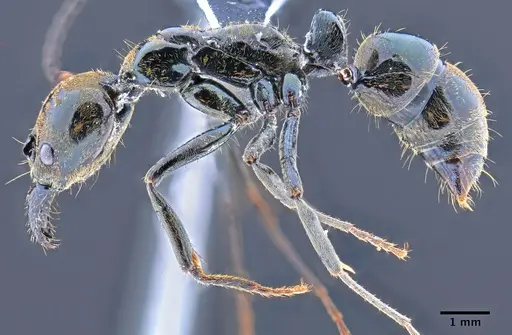
CASENT0902517
View on AntWeb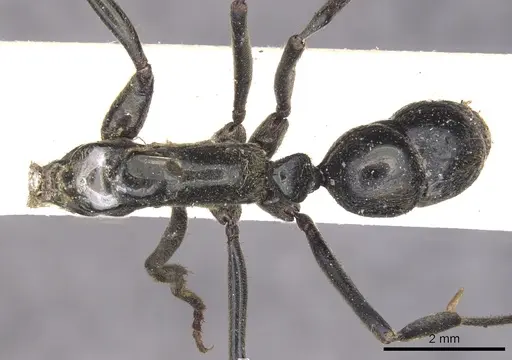
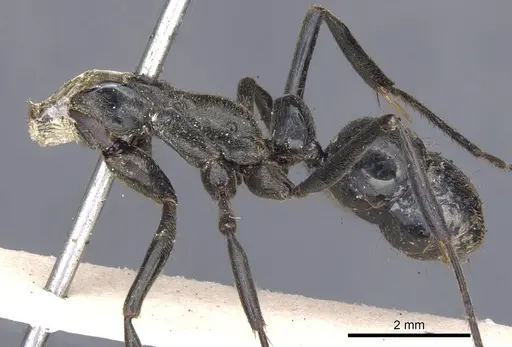
CASENT0907277
View on AntWeb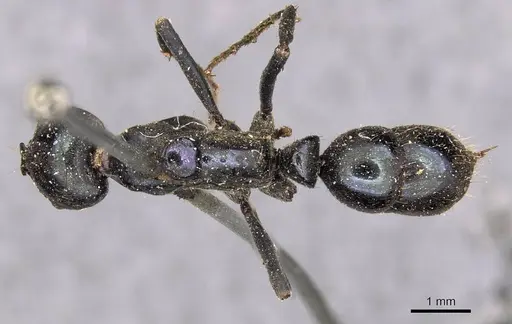
CASENT0915655
View on AntWeb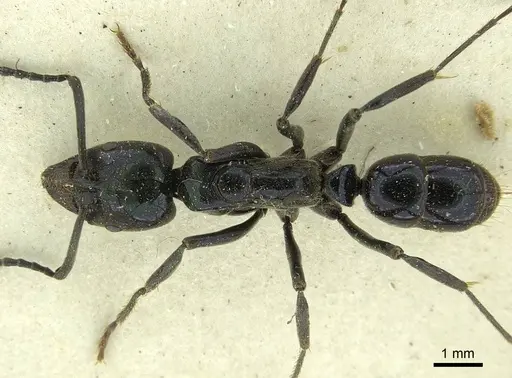
Literature
Loading...Loading products...