

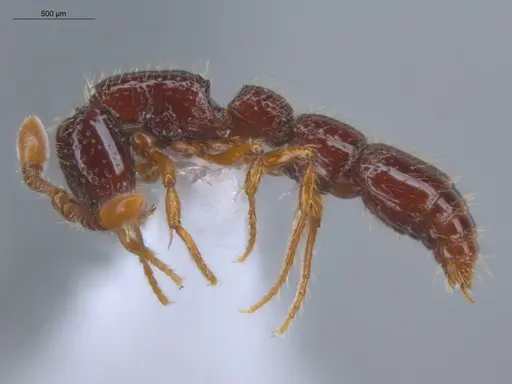
Neocerapachys splendens
- Scientific Name
- Neocerapachys splendens
- Subfamily
- Dorylinae
- Author
- Borgmeier, 1957
- Distribution
- Found in 4 countries
Neocerapachys splendens Overview
Neocerapachys splendens is an ant species of the genus Neocerapachys. It is primarily documented in 4 countries , including Brazil, Colombia, Ecuador. Detailed taxonomic data and occurrence records can be further explored via authoritative databases such as AntWeb or the Global Biodiversity Information Facility (GBIF).
Neocerapachys splendens
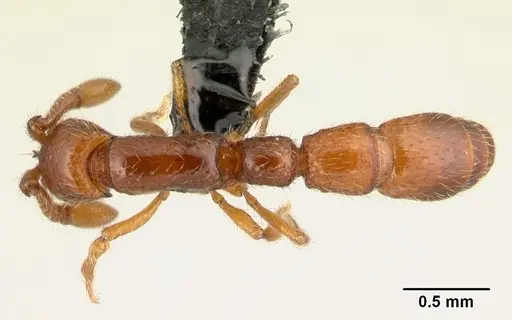
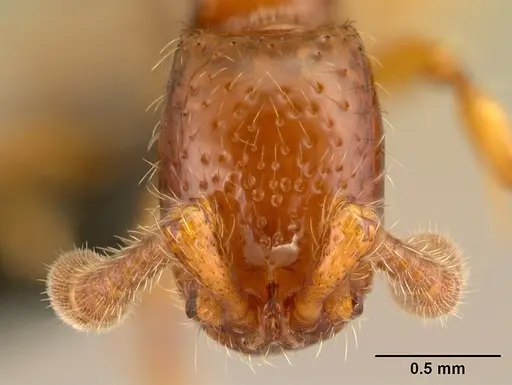
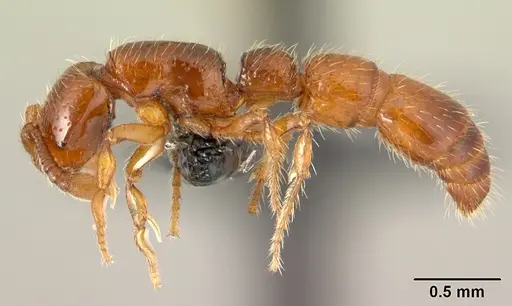
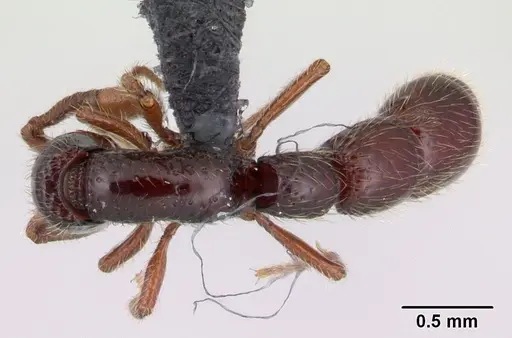
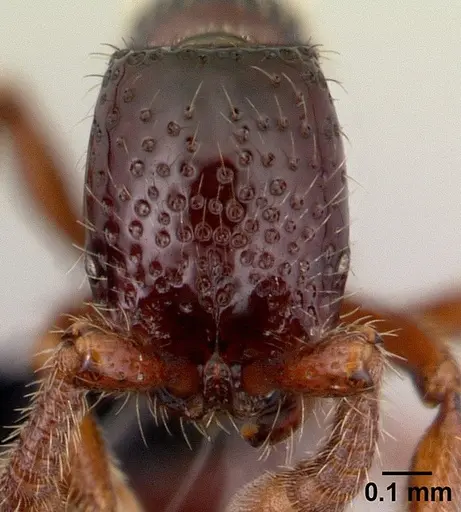
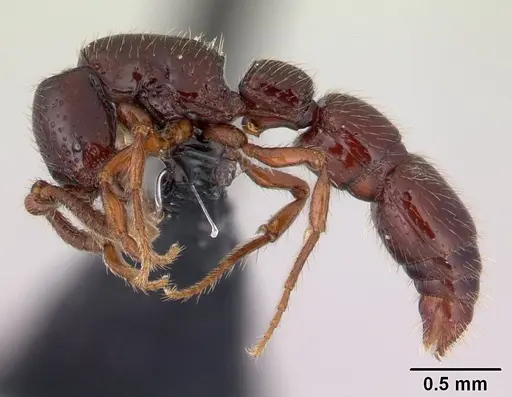
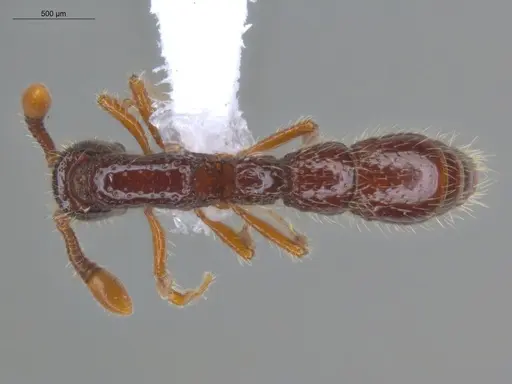
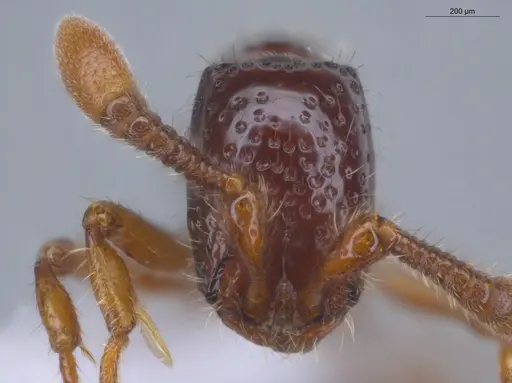
Neocerapachys splendens is a tiny, subterranean ant species native to the Neotropical region, found in Brazil, Colombia, Ecuador, and French Guiana. Workers are among the smallest ants you'll encounter, measuring just under 1mm in length with a distinctive dark reddish-brown coloration. These ants belong to the Dorylinae subfamily, which includes army ants and their relatives, and they are specialized predators that hunt other ants in the leaf-litter and soil layers [1][2]. What makes N. splendens particularly interesting is its extreme habitat specialization, it is almost exclusively found in primary forest environments and is rarely encountered in disturbed areas or secondary growth [3][4].
Quick Summary
- Difficulty: Expert
- Origin & Habitat: Native to the Neotropical region of South America, specifically Brazil, Colombia, Ecuador, and French Guiana. This species is a habitat specialist restricted to primary forest environments, found in the leaf-litter and soil layers [1][3].
- Colony Type: Colony structure is not well documented in scientific literature. Based on related Dorylinae patterns, likely forms small colonies. Ergatoid (wingless) queen replacement reproductives may be present as in many Dorylinae species.
- Size & Growth:
- Queen: Estimated 3-4mm based on genus patterns, not directly measured in available literature
- Worker: Approximately 0.9mm Weber's length, with head width around 0.7mm [5]
- Colony: Likely small, estimated under 100 workers based on similar subterranean Dorylinae species
- Growth: Unknown, likely slow given subterranean lifestyle
- Development: Unknown, no direct development data available (Development timeline has not been studied. Related Dorylinae species typically take 2-4 months at warm temperatures.)
- Antkeeping:
- Temperature: Keep at 22-26°C, mimicking warm tropical forest floor conditions. A gentle temperature gradient allows ants to regulate their own exposure to heat.
- Humidity: High humidity is essential, these ants live in the soil and leaf-litter layer of humid forests. Keep substrate consistently moist but not waterlogged. Provide a humid outworld area.
- Diapause: Unlikely, as a tropical species, they probably do not require a true hibernation period. However, they may show reduced activity during cooler seasons in their native range.
- Nesting: These are subterranean ants that live in soil and leaf-litter. In captivity, they do well in naturalistic setups with deep, moist substrate (at least 5-8cm) or in modified test tube setups with soil chambers. They need tight, humid chambers scaled to their tiny size. Avoid dry, open setups.
- Behavior: This species is a specialized predator of other ground-dwelling ants, particularly dominant generalist species [6]. They are likely nocturnal or crepuscular foragers that hunt through the soil and leaf-litter. Workers are extremely small and will likely escape through any gap larger than 0.5mm, escape prevention must be excellent. They are probably shy and non-aggressive toward humans, though their predatory nature means they will attack other ant colonies.
- Common Issues: escape prevention is critical due to their tiny size, they can squeeze through the tiniest gaps, specialized diet makes feeding challenging, they need live ant prey, not standard insect feeders, primary forest habitat specialist means they likely do poorly in modified or dry enclosures, slow colony growth may frustrate keepers expecting rapid development, wild-caught colonies may have difficulty adjusting to captive conditions
Housing and Nest Setup
Neocerapachys splendens requires a setup that mimics their natural subterranean habitat. These tiny ants live in the soil and leaf-litter layer of primary forests, so a naturalistic setup with deep, moist substrate works best. Use at least 5-8cm of mixed soil and organic material to create a humid environment they can tunnel through. Alternatively, you can use a modified test tube setup with a small soil chamber attached. The key is maintaining high humidity while allowing for some ventilation to prevent mold. Because they are so small, any gaps in your setup must be extremely tight, these ants can escape through openings that seem impossibly small. Use petroleum jelly or fluon barriers on smooth surfaces, and ensure all lid seams are sealed. [7][3]
Feeding and Diet
This species is a specialized predator of other ground-dwelling ants [6]. In captivity, you will need to provide live ant prey, this is not a species that will readily accept standard feeder insects like fruit flies or mealworms. Offer small ant workers from other species (avoid providing ants from the same colony or potentially harmful species). You can collect workers from safe ant species found in your area, or culture small ant colonies specifically as prey. Sugar sources are unlikely to be accepted, this is a pure predator. Some keepers have had success offering tiny pieces of dead insects, but live ant prey should form the bulk of their diet. Feed small amounts of prey every few days, removing any uneaten remains promptly to prevent mold.
Temperature and Humidity
Keep your colony at 22-26°C, which mimics the warm, stable conditions of the tropical forest floor where they naturally live. A temperature gradient is beneficial, allow one side of the setup to be slightly warmer so ants can choose their preferred zone. Humidity is critical for this species. The substrate should feel consistently moist but never waterlogged. Mist the outworld regularly and consider using a water reservoir in your nest setup to maintain humidity over time. These ants are adapted to the humid understory of primary forests and will struggle in dry conditions. However, balance humidity with adequate ventilation to prevent mold growth, which can quickly kill a small colony. [7][3]
Behavior and Temperament
Neocerapachys splendens is a specialized predator that hunts other ants in the soil and leaf-litter layer [6]. Workers are extremely small and forage individually or in small groups, unlike many Dorylinae that form raiding columns. They are likely nocturnal or crepuscular, avoiding the heat of the day. Their tiny size and subterranean lifestyle mean they are not aggressive toward humans, you are far too large to be seen as prey or threat. The main concern for keepers is their escape risk: at under 1mm in length, they can squeeze through gaps that seem impossibly small. Excellent escape prevention is non-negotiable. They are also habitat specialists restricted to primary forest [3][4], meaning they may be sensitive to environmental changes and may not adapt well to captive conditions.
Finding and Acquiring Colonies
This species is rarely collected and is not commonly available in the antkeeping hobby. It is typically found only in primary forest environments using specialized collection methods like TSBF (Tullgren soil bulk funnel) extraction from soil samples [7]. If you encounter a wild colony, it will likely be small, perhaps only a few dozen workers in a shallow nest in the soil or under a rock in primary forest. Due to their specialized habitat requirements and diet, this species is best suited for experienced keepers who can provide the specific conditions they need. Captive breeding is challenging given their specialized diet and small colony sizes. Always check local regulations before collecting from the wild, and never release captive colonies outdoors.
Growth and Development
Specific development timelines for Neocerapachys splendens have not been documented in scientific literature. Based on related Dorylinae species, expect development from egg to worker to take approximately 2-4 months at optimal temperatures. Colony growth is likely slow, these are not fast-growing ants. The first workers (nanitics) will be very small, even by the standards of this already tiny species. Colonies probably remain small even at maturity, with perhaps 50-100 workers being typical. This slow growth and small colony size means keepers need patience. Do not expect rapid expansion even with ideal conditions, this is simply their natural growth pattern.
Frequently Asked Questions
Can I keep Neocerapachys splendens in a test tube?
A standard test tube setup is not ideal for this species. They are subterranean ants that need deep, moist soil to tunnel through. A modified test tube with a small soil chamber attached may work, but a naturalistic setup with 5-8cm of moist substrate is better. The key is maintaining high humidity while allowing for some ventilation.
What do Neocerapachys splendens eat?
They are specialized predators of other ants. You must provide live ant workers as their primary food source. They will not thrive on standard feeder insects. Collect small ant workers from safe local species or culture a separate ant colony specifically as prey. Sugar sources are unlikely to be accepted.
How long until first workers appear?
The exact development timeline is unknown for this species. Based on related Dorylinae, expect 2-4 months from egg to worker at optimal temperatures (22-26°C). Colony growth is slow, so patience is essential.
Are Neocerapachys splendens good for beginners?
No. This is an expert-level species due to their specialized diet (requiring live ant prey), tiny size (extreme escape risk), specific humidity requirements, and status as a primary forest specialist. They are not recommended for beginners.
Do Neocerapachys splendens need hibernation?
No. As a tropical species from the Neotropics, they do not require a true hibernation period. However, they may show reduced activity during cooler periods. Keep them at stable warm temperatures (22-26°C) year-round.
How big do colonies get?
Colony size is not well documented, but based on similar subterranean Dorylinae species, colonies likely remain small, probably under 100 workers even at maturity. Do not expect large colonies.
Why are my Neocerapachys splendens dying?
Common causes include: too dry conditions (they need consistently moist substrate), escape through tiny gaps, lack of live ant prey (they cannot survive on other foods), and stress from inappropriate temperature. They are also primary forest specialists that may struggle in modified captive environments.
Can I keep multiple queens together?
Colony structure has not been documented for this species. Combining unrelated queens is not recommended given the lack of information on their founding behavior. Do not attempt pleometrosis without documented success.
When should I move them to a formicarium?
Given their small size and need for moist soil, a naturalistic setup with deep substrate is more appropriate than a traditional formicarium. If you must use a formicarium, choose one with very small chambers and excellent humidity control. They do not need large spaces, tight, humid chambers suit them better.
Are Neocerapachys splendens invasive anywhere?
This species is native to the Neotropical region (Brazil, Colombia, Ecuador, French Guiana). There is no documentation of it being invasive in other regions. Never release captive colonies outdoors regardless.
What makes Neocerapachys splendens unique?
They are one of the smallest ant species kept in captivity, are specialized ant predators, and are extreme habitat specialists restricted to primary forests. Their phylogenetic position has been difficult to determine, making them a 'wildcard' taxon in ant evolution studies [8][9].
References

This caresheet is licensed under CC BY-SA 4.0 .
Literature
Loading...Loading products...