

Neivamyrmex texanus
- Scientific Name
- Neivamyrmex texanus
- Subfamily
- Dorylinae
- Author
- Watkins, 1972
- Common Name
- Texas Legionary Ant
- Distribution
- Found in 2 countries
Neivamyrmex texanus Overview
Neivamyrmex texanus (commonly known as the Texas Legionary Ant) is an ant species of the genus Neivamyrmex. It is primarily documented in 2 countries , including Mexico, United States of America. Detailed taxonomic data and occurrence records can be further explored via authoritative databases such as AntWeb or the Global Biodiversity Information Facility (GBIF).
Neivamyrmex texanus - "Texas Legionary Ant"
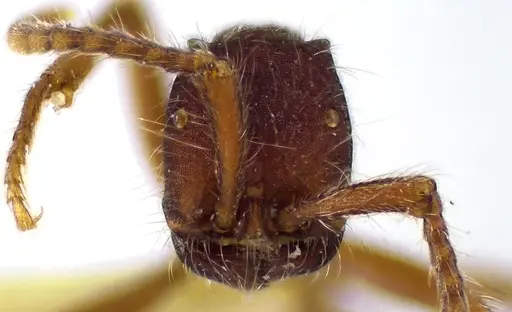
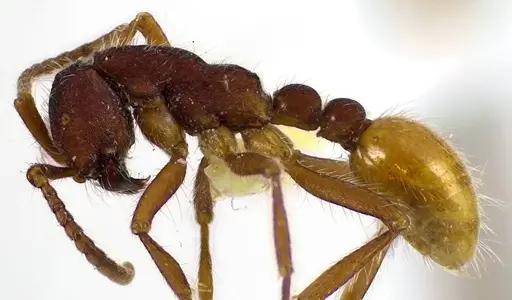
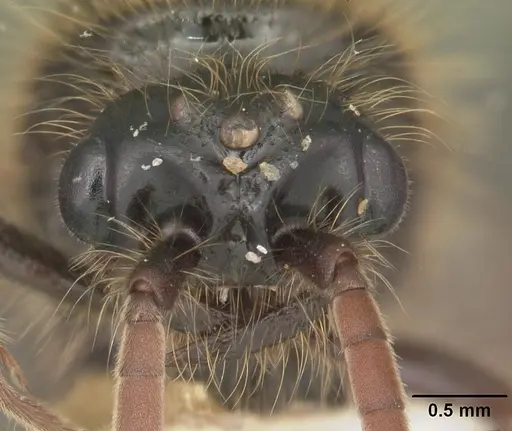
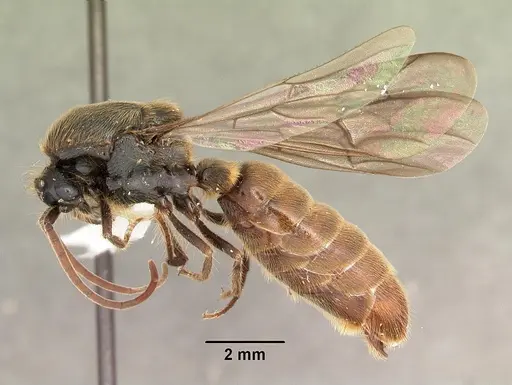
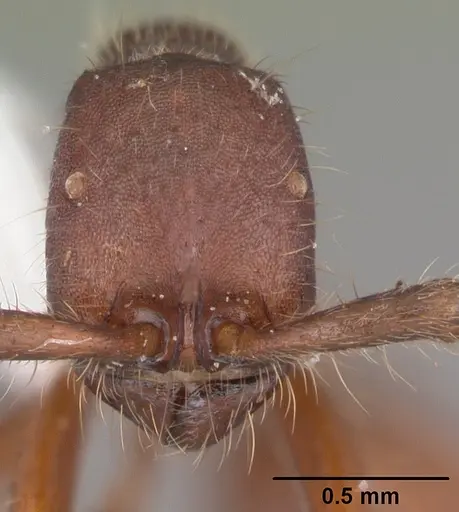
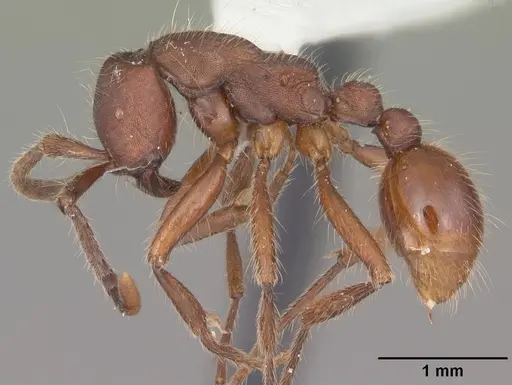
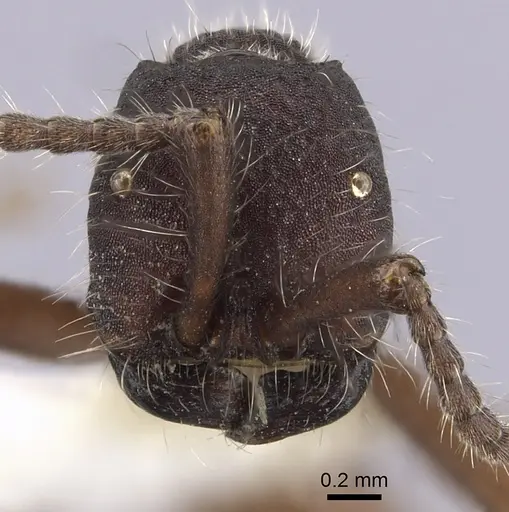
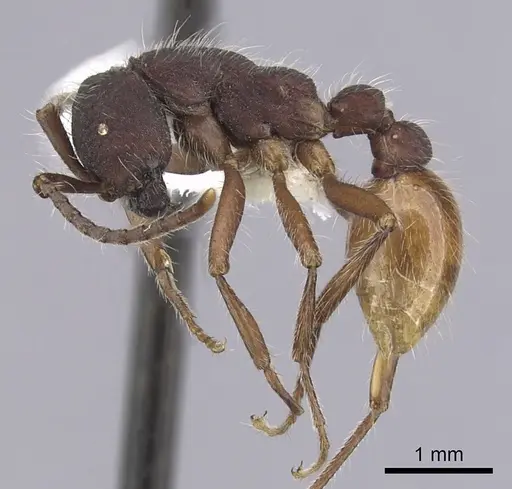
Neivamyrmex texanus is a predatory army ant found across the southern United States and into Mexico. Workers measure 2.5-5.1mm and are dark reddish-brown to blackish-brown with a distinctive granulated texture on the head, alitrunk, and petiole [1]. Queens are substantially larger at 9.5-10.8mm [2]. This species is known for its dramatic raiding columns that can stretch over 100 yards across desert landscapes, making them one of the more conspicuous army ant species in North America [1]. They are specialized predators that raid colonies of other ants, particularly Trachymyrmex species [2].
Quick Summary
- Difficulty: Expert
- Origin & Habitat: Southern United States (Virginia to Florida, west to Colorado and Arizona) and Mexico. Found in many habitat types including upland pine forest, deciduous forests, and desert areas [1][3]. Open habitat specialist that prefers warmer climates [4].
- Colony Type: Single-queen colonies with ergatoid (wingless) replacement reproductives documented [2]. Colonies are nomadic, regularly moving their bivouac nests in response to prey availability [5].
- Colony: Monogyne
- Founding: Claustral
- Size & Growth:
- Queen: 9.5-10.8 mm [2]
- Worker: 2.5-5.1 mm [2]
- Colony: Unknown, army ant colonies can reach thousands of workers but specific data for N. texanus is unconfirmed
- Growth: Moderate, inferred from army ant biology
- Development: Unknown, typical army ant development takes 3-6 weeks at warm temperatures based on related species (Direct development data unavailable for this species, estimates based on typical Dorylinae patterns)
- Antkeeping:
- Temperature: Keep at 24-28°C. They are warmth-loving and found in open, warm habitats [4]. A heating cable on one side of the nest creates the gradient they prefer.
- Humidity: Moderate to high humidity (60-80%). Native to varied habitats from desert to forest, aim for substrate that holds moisture without becoming waterlogged.
- Diapause: Likely reduced activity in winter months but not a true hibernator. In their range, they remain active year-round with reduced winter foraging.
- Nesting: Nomadic bivouac nesters, they do not maintain permanent nests. In captivity, this is extremely challenging. Provide a expandable outworld space and multiple test tube water reservoirs that can be moved between.
- Behavior: Highly aggressive predatory behavior with coordinated raiding swarms. Workers are active day and night during raids [1]. They form prominent immigration columns when relocating [1]. Nonground-foraging, they raid above-ground ant colonies rather than foraging on the ground surface [6]. Escape risk is moderate due to worker size (2.5-5.1mm), standard barriers should contain them but vigilance is needed.
- Common Issues: nomadic lifestyle makes captive housing extremely difficult, they constantly relocate and abandon enclosed spaces, predatory specialized diet, they refuse sugar and standard ant foods, requiring live ant colonies or constant small prey, colonies may fail without constant prey availability, they need to raid frequently to sustain the colony, stress from confinement can cause colony abandonment or die-off, temperature maintenance is critical, they are adapted to warm climates and may become sluggish below 22°C
Housing and Nest Setup
Housing Neivamyrmex texanus in captivity is exceptionally difficult due to their nomadic nature. Unlike most ants that settle into a permanent nest, army ants continuously relocate their bivouac (temporary nest) as they exhaust prey in an area. This means traditional formicariums are largely unsuitable, they will simply abandon enclosed spaces. The best approach is a large, open outworld with multiple water-filled test tubes positioned around the perimeter. Place the test tubes in different locations and allow the colony to choose where to form their bivouac. The outworld should be spacious enough to accommodate their raiding columns and allow you to introduce prey items. Use a escape-proof barrier like fluon on the rim since workers can climb smooth surfaces when motivated. Avoid any tight corners or dead ends where the colony might become trapped. [5][1]
Feeding and Diet
Neivamyrmex texanus is a specialized predator that raids colonies of other ants, particularly Trachymyrmex species in the wild [2]. They do not collect honeydew or seeds, research confirms they do not remove seeds. In captivity, you must provide live prey regularly. The ideal food source is small live insects and, crucially, other ant colonies (brood and workers). You can culture small ant colonies (like Monomorium or Brachymyrmex) specifically as prey. Feed small live insects (fruit flies, small crickets, mealworms) 2-3 times per week. The colony needs to raid frequently, a lack of prey opportunities will cause the colony to decline. Sugar water is NOT typically accepted. Some keepers report success offering honey occasionally, but this should never be a primary food source. The key to success is providing enough prey to sustain the colony through multiple raids.
Temperature and Seasonal Care
These ants are adapted to warm, open habitats and require temperatures in the 24-28°C range to remain active [4]. A heating cable or heat mat under one section of the outworld creates a thermal gradient they can regulate themselves. At temperatures below 22°C, colony activity significantly decreases and they may become sluggish. They do not undergo true hibernation but may reduce activity during winter months in their northern range. In captivity, maintain warm temperatures year-round. Room temperature (20-22°C) is likely too cold, supplemental heating is almost always necessary. Monitor colony behavior: if workers cluster together and show reduced foraging, increase temperature slightly.
Behavior and Foraging
Neivamyrmex texanus exhibits classic army ant behavior including coordinated raiding swarms and prominent immigration columns [1]. Workers forage in organized groups that can number in the thousands, sweeping across an area and attacking any ant colonies they encounter. One documented column near Tucson stretched over 100 yards across desert sand [1]. They are primarily nocturnal or crepuscular in their foraging, though they may raid during daylight hours in cooler weather. The colony operates as a nomadic unit, once they exhaust prey in one area, they relocate their bivouac to new territory. This constant movement is intrinsic to their biology and cannot be prevented in captivity. Workers are not particularly aggressive toward humans but will defend the colony if threatened. They do not have a painful sting.
Colony Lifecycle
Army ant colonies reproduce through a process of colony fission. When a colony reaches sufficient size, it produces new queens (and males) that mate during a nuptial flight. The new queens then establish their own colonies, typically through claustral founding where the queen seals herself in a chamber and raises the first workers on stored body fat [2]. Ergatoid (wingless) replacement queens have been documented in this species, allowing for queen replacement if the primary queen dies [2]. Colonies grow through continuous raiding, the more prey they capture, the faster they produce new workers. A healthy colony should show consistent worker production over time. The nomadic phase alternates with stationary phases as the colony breeds and consolidates.
Frequently Asked Questions
Can I keep Neivamyrmex texanus in a test tube nest?
No, test tube nests are not suitable. Army ants are nomadic and constantly relocate their bivouac nests. They will abandon any enclosed space. Use a large, open outworld with multiple water tubes positioned around the perimeter, allowing the colony to form temporary bivouacs where they choose.
What do Neivamyrmex texanus eat?
They are specialized predators that need live prey. Feed small live insects (fruit flies, crickets, mealworms) 2-3 times per week. Ideally, provide access to small ant colonies (brood and workers) that they can raid. They do not accept sugar water or seed-based foods.
How long until first workers in a newly founded colony?
Unknown for this specific species. Based on typical army ant development, expect 3-6 weeks from egg to first worker at optimal temperature (around 26°C). claustral founding means the queen seals herself in and raises the first brood alone.
Are Neivamyrmex texanus good for beginners?
No, this species is considered expert-level due to their nomadic lifestyle, specialized predatory diet, and specific temperature requirements. Most antkeepers struggle to maintain army ant colonies long-term. They are not recommended for anyone below intermediate antkeeping experience.
How big do Neivamyrmex texanus colonies get?
Exact colony size data is unavailable for this species, but army ant colonies typically reach thousands of workers. They are nomadic precisely because they exhaust prey in an area, large colonies require vast amounts of prey to sustain.
Can I keep multiple queens together?
No, combining unrelated queens is not recommended. While ergatoid replacement reproductives exist within established colonies, introducing multiple founding queens will likely result in fighting. Army ant colonies are typically single-queen (monogyne) structures.
Do Neivamyrmex texanus need hibernation?
No true hibernation is required. They are warm-climate ants that remain active year-round in their range. Maintain temperatures of 24-28°C throughout the year. Reduced winter activity may occur in northern parts of their range but supplemental heating is recommended.
Why is my colony dying?
The most common causes are: lack of constant prey (they need to raid frequently), temperatures below 22°C, stress from confinement, and inability to relocate their bivouac. Ensure warm temperatures, regular live prey availability, and open space for colony movement.
When should I move them to a formicarium?
Never, traditional formicariums are unsuitable for this species. They are nomadic bivouac nesters that do not excavate or settle into permanent nests. A spacious outworld with multiple water tube options is the only viable captive setup.
References

This caresheet is licensed under CC BY-SA 4.0 .
ANTWEB1041587
View on AntWeb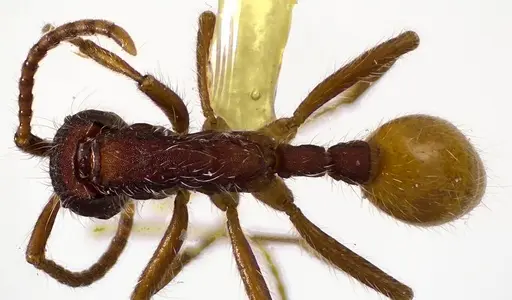
CASENT0104145
View on AntWeb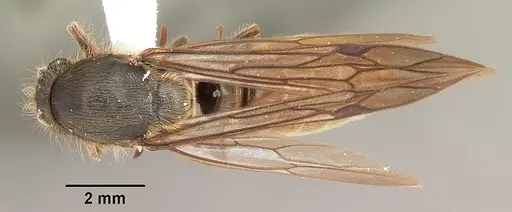
CASENT0104150
View on AntWeb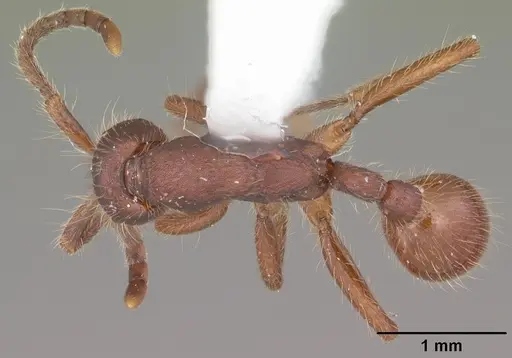
CASENT0249509
View on AntWeb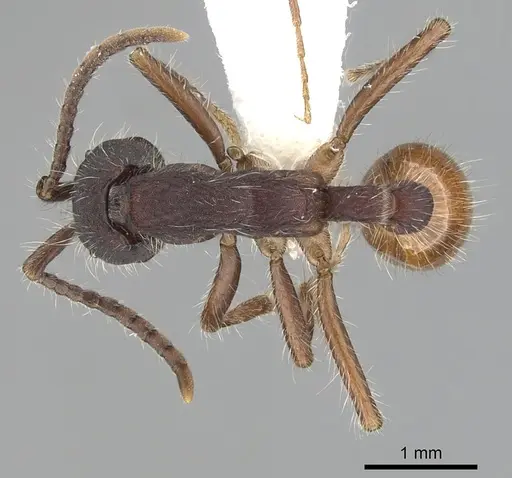
Literature
Loading...Loading products...