

Neivamyrmex sumichrasti
- Scientific Name
- Neivamyrmex sumichrasti
- Subfamily
- Dorylinae
- Author
- Norton, 1868
- Distribution
- Found in 6 countries
Neivamyrmex sumichrasti Overview
Neivamyrmex sumichrasti is an ant species of the genus Neivamyrmex. It is primarily documented in 6 countries , including Costa Rica, Guatemala, Honduras. Detailed taxonomic data and occurrence records can be further explored via authoritative databases such as AntWeb or the Global Biodiversity Information Facility (GBIF).
Neivamyrmex sumichrasti
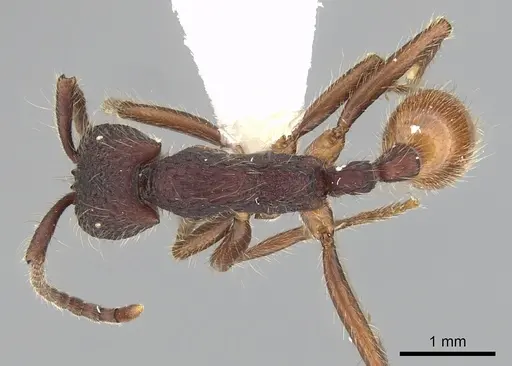
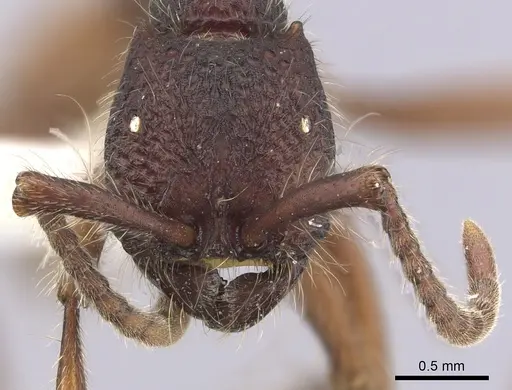
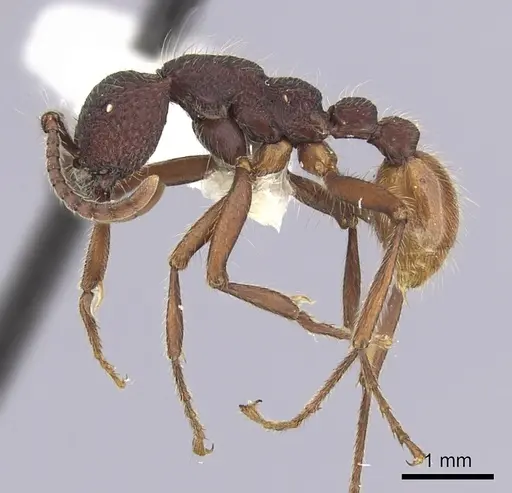
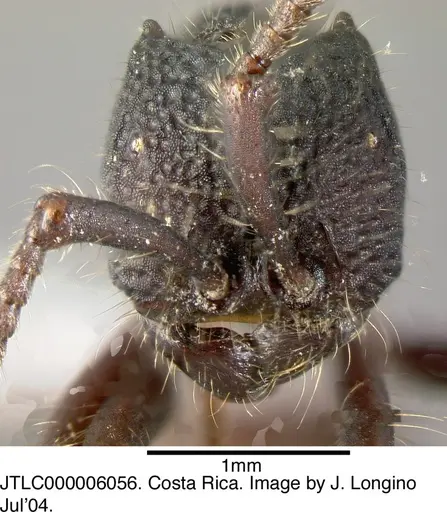
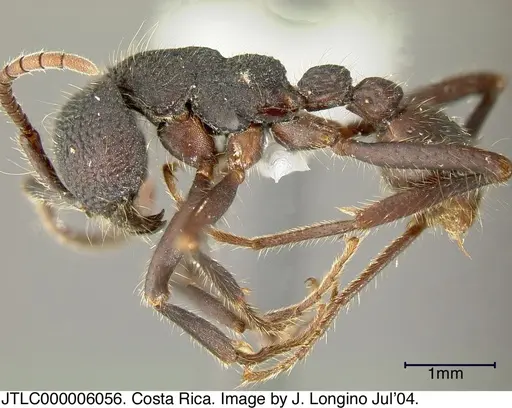
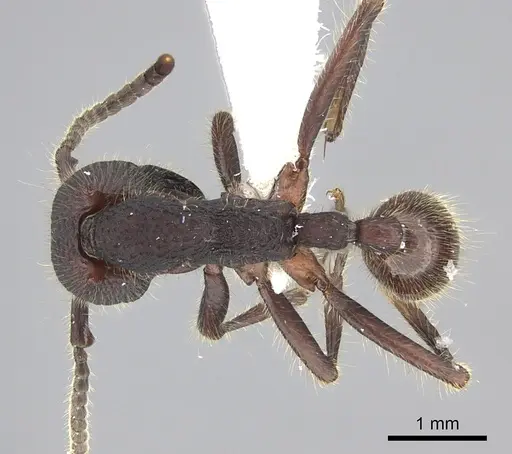
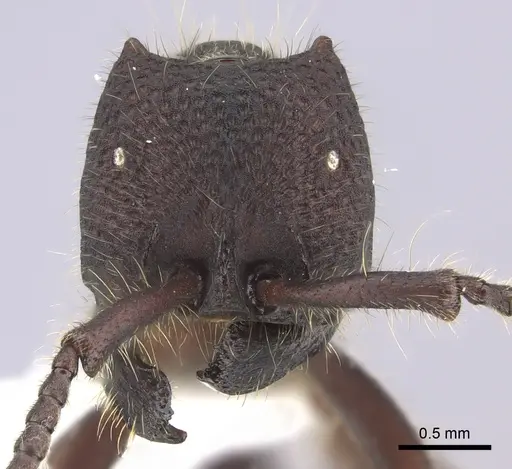
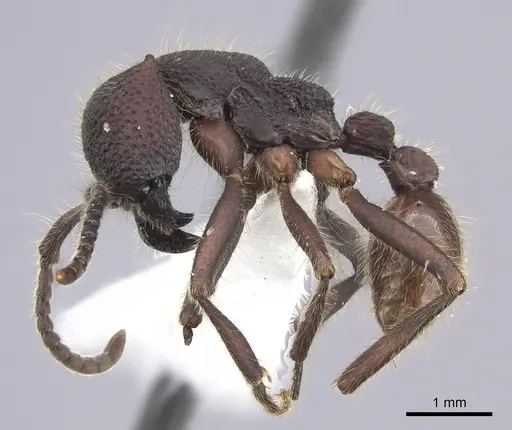
Neivamyrmex sumichrasti is a Neotropical army ant found across Central America from Mexico to Costa Rica. Workers are dark reddish-brown to black, measuring around 4-6mm, with a distinctive foveolate (pitted) texture on the head and body. Queens are large at 11.5mm and lack eyes and ocelli, adapted for their underground lifestyle. This is a montane cloud forest specialist, occurring at elevations between 900-1500m in areas like Monteverde, Costa Rica [1][2].
Unlike many ant species, these army ants are primarily diurnal foragers, with raiding columns visible during the day. They are classic army ants in the subfamily Dorylinae, known for their nomadic lifestyle and coordinated hunting raids. Unlike stationary ant colonies, army ants form temporary bivouacs by linking their bodies together and move to new locations regularly [2].
Quick Summary
- Difficulty: Expert
- Origin & Habitat: Cloud forest and montane habitats in Central America, Mexico, Guatemala, Honduras, Nicaragua, and Costa Rica at elevations 900-1500m [1][2].
- Colony Type: Army ant colonies are typically polygynous (multiple queens) with ergatoid (wingless) replacement queens. Colonies can reach thousands of workers [2].
- Colony: Optionally polygyne
- Founding: Claustral
- Size & Growth:
- Queen: 11.5mm [1]
- Worker: 4-6mm (estimated from related army ants)
- Colony: Likely thousands of workers based on typical army ant colony sizes
- Growth: Moderate to fast
- Development: Estimated 4-6 weeks at warm temperatures based on related Ecitoninae (Development timeline is inferred from related army ant species, specific data for N. sumichrasti is unavailable)
- Antkeeping:
- Temperature: Keep at 22-26°C. As a cloud forest species, they prefer cooler temperatures than tropical lowland ants. Avoid overheating, they are sensitive to high temperatures [3].
- Humidity: High humidity required, aim for 70-85%. Cloud forest habitat means they need consistent moisture. Keep the outworld misted regularly and ensure the nest area stays damp but not waterlogged.
- Diapause: No, as a Neotropical species from montane cloud forests, they do not require hibernation. Maintain warm temperatures year-round.
- Nesting: Army ants do not build permanent nests. In captivity, they need a formicarium with multiple connected chambers that can be abandoned for fresh ones. Provide a dark, humid nesting area with easy access to a protein-rich outworld for hunting. Y-tong or plaster nests work well for maintaining humidity.
- Behavior: Army ants are aggressive predators that raid in columns. Workers have a functional sting and can deliver painful bites. They are diurnal foragers, unlike many army ant species that raid at night. Colonies are highly mobile within the nest and will relocate frequently. Escape prevention is essential, they are excellent climbers and will exploit any gap. Their small worker size means they can squeeze through surprisingly small openings [1].
- Common Issues: colonies may fail if prey is not provided frequently enough, army ants need constant protein, overheating is a serious risk, keep away from direct heat sources and monitor temperatures, escape prevention must be excellent due to small worker size and climbing ability, stress from relocation can cause colony decline, minimize nest changes once established, lack of live prey acceptance may lead to starvation, they are obligate predators
Housing and Nest Setup
Neivamyrmex sumichrasti requires a setup that accommodates their nomadic nature. Unlike typical ants that stay in one nest, army ants will regularly abandon their bivouac and relocate. Provide a formicarium with multiple connected chambers, a Y-tong or plaster nest works well for maintaining the high humidity they need. The nest area should be dark and humid, while the outworld should be accessible for hunting. Use a test tube setup for founding colonies, but be prepared to upgrade as the colony grows. Escape prevention is critical, these small ants can squeeze through tiny gaps. Apply fluon or use fine mesh on all openings [2].
Feeding and Diet
Army ants are obligate predators and require a constant supply of live protein. Feed small insects like fruit flies, pinhead crickets, mealworms, and other small arthropods. They will not accept sugar water or honey as a primary food source, their hunting instinct drives them to chase and capture live prey. Feed every 2-3 days, removing uneaten prey to prevent mold. The colony should have access to a hunting area in the outworld where they can raid. Unlike many ants, army ants do not store food, they consume prey immediately and feed the colony through trophallaxis. A well-fed colony will show active raiding behavior with workers returning with captured prey [2].
Temperature and Humidity
As a cloud forest species, N. sumichrasti prefers cooler temperatures than typical tropical ants. Keep the nest at 22-26°C, avoiding temperatures above 30°C which can be lethal. A heating cable on one side of the nest can create a gradient, but monitor carefully. High humidity is essential, aim for 70-85% relative humidity. Mist the outworld regularly and ensure the nest substrate stays damp. Unlike desert ants, these cloud forest inhabitants will suffer in dry conditions. Place the setup away from air conditioning vents, heaters, and direct sunlight that could cause temperature fluctuations [3][2].
Colony Behavior and Dynamics
Army ant colonies have a complex social structure with multiple queens. Unlike single-queen ant species, army ant colonies can contain several reproductive queens that work together. When a queen dies or the colony needs to split, ergatoid (wingless) queens can replace her. Colonies go through nomadic and stationary phases, during nomadic phases, they raid aggressively and move frequently, while during stationary phases they remain in one bivouac while the queen lays eggs. Workers are polymorphic, with different sizes performing different tasks. The diurnal raiding behavior of this species is notable, most army ants are nocturnal, but N. sumichrasti hunts during the day [2].
Seasonal Care
As a Neotropical montane species, N. sumichrasti does not require hibernation or diapause. Maintain consistent warm temperatures and humidity year-round. The cloud forest environment they come from has relatively stable conditions, so avoid seasonal temperature changes. However, monitor for signs of stress during dry seasons or if your home's humidity drops. The colony's activity levels may fluctuate slightly with seasons even without diapause, they may be more active during warmer months. Keep monitoring prey consumption and adjust feeding frequency accordingly [2].
Frequently Asked Questions
Can I keep Neivamyrmex sumichrasti in a test tube?
A test tube can work for a small founding colony, but army ants need more space than typical ants. They require an outworld for hunting and will need to relocate their bivouac regularly. Plan to upgrade to a formicarium within a few months as the colony grows.
What do Neivamyrmex sumichrasti ants eat?
They are obligate predators that require live protein. Feed small insects like fruit flies, pinhead crickets, small mealworms, and other tiny arthropods. They will not accept sugar water or honey, they must hunt and capture live prey.
How long until first workers in Neivamyrmex sumichrasti?
Estimated 4-6 weeks from egg to worker at optimal temperatures. This is based on related army ant species, as specific development data for this species is not available.
Do Neivamyrmex sumichrasti ants sting?
Yes, army ants have a functional sting and can deliver painful bites. They are aggressive defenders of their colony. Handle with care and use proper escape prevention.
Are Neivamyrmex sumichrasti good for beginners?
No, this is an expert-level species. Army ants have complex care requirements including constant live prey, high humidity, resistance to overheating, and need for space to raid. They also require escape prevention and regular colony relocation. They are not recommended for beginners.
Do Neivamyrmex sumichrasti need hibernation?
No. As a Neotropical cloud forest species from Central America, they do not require hibernation. Keep them warm year-round at 22-26°C.
How big do Neivamyrmex sumichrasti colonies get?
Army ant colonies typically reach thousands of workers. N. sumichrasti colonies likely grow to several thousand individuals based on typical army ant colony sizes.
When to move Neivamyrmex sumichrasti to a formicarium?
Move from a test tube setup to a formicarium once the colony reaches several hundred workers, typically within 6-12 months. Army ants need space for hunting in the outworld and will relocate their bivouac within the formicarium.
Can I keep multiple queens together in Neivamyrmex sumichrasti?
Yes, army ant colonies are naturally polygynous (multiple queens). Unlike many ant species where multiple queens will fight, army ants have multiple reproductive queens working together in the same colony.
Why are my Neivamyrmex sumichrasti dying?
Common causes include: lack of sufficient live prey (they need constant protein), overheating (keep below 30°C), low humidity (below 70%), stress from too frequent relocation, or escape/collection failure. Review temperature, humidity, and feeding schedules.
References

This caresheet is licensed under CC BY-SA 4.0 .
Literature
Loading...Loading products...