

Neivamyrmex sulcatus
- Scientific Name
- Neivamyrmex sulcatus
- Subfamily
- Dorylinae
- Author
- Mayr, 1868
- Distribution
- Found in 1 countries
Neivamyrmex sulcatus Overview
Neivamyrmex sulcatus is an ant species of the genus Neivamyrmex. It is primarily documented in 1 countries , including Argentina. Detailed taxonomic data and occurrence records can be further explored via authoritative databases such as AntWeb or the Global Biodiversity Information Facility (GBIF).
Neivamyrmex sulcatus
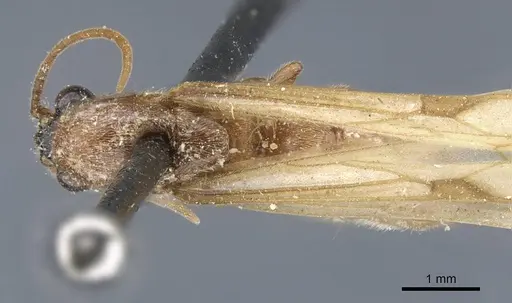
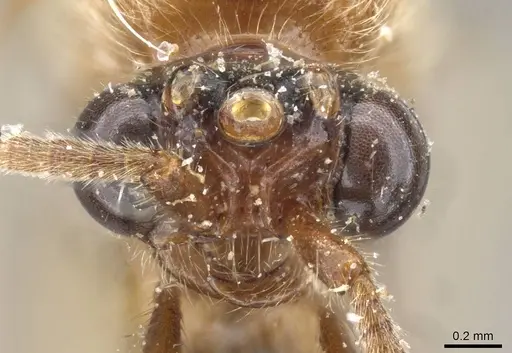
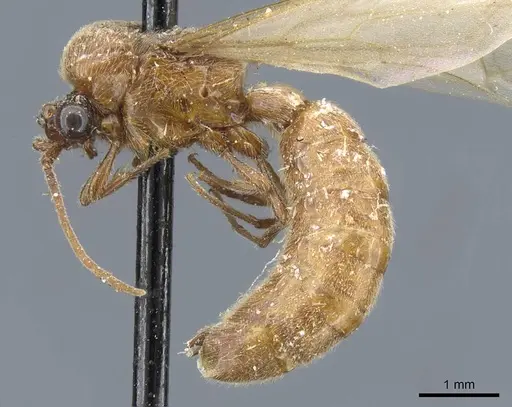
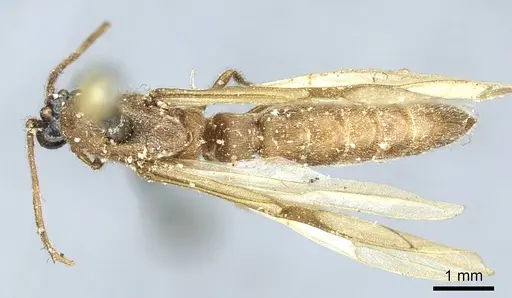
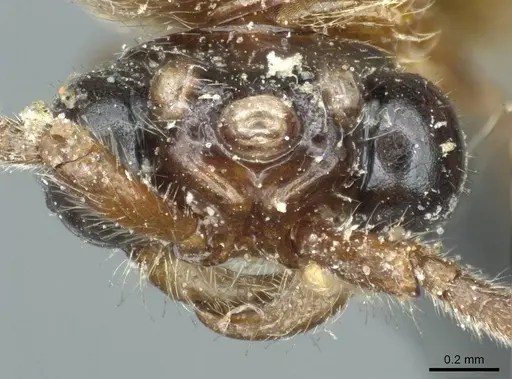
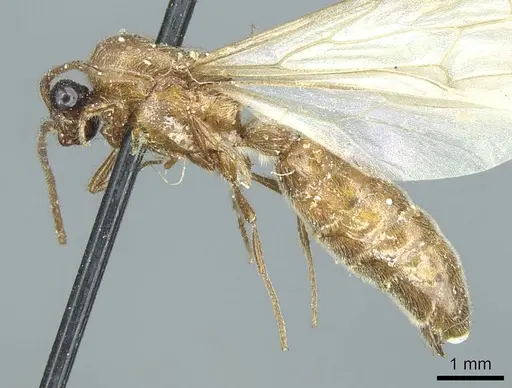
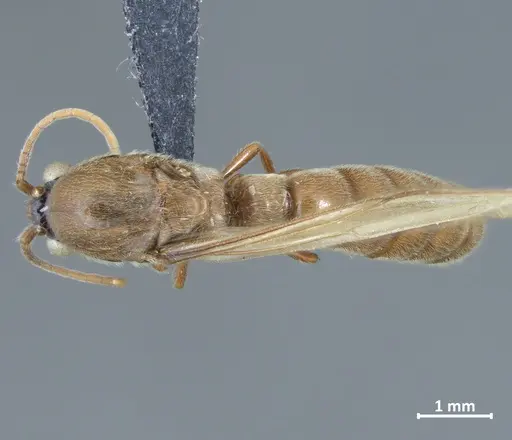
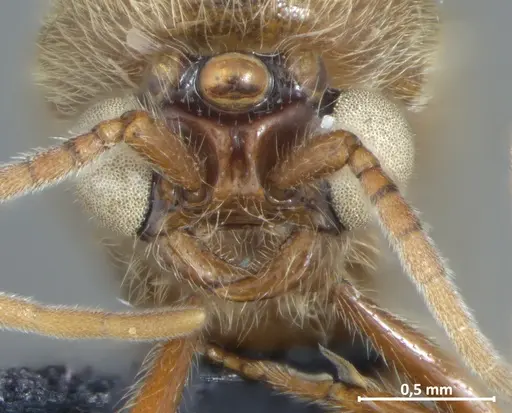
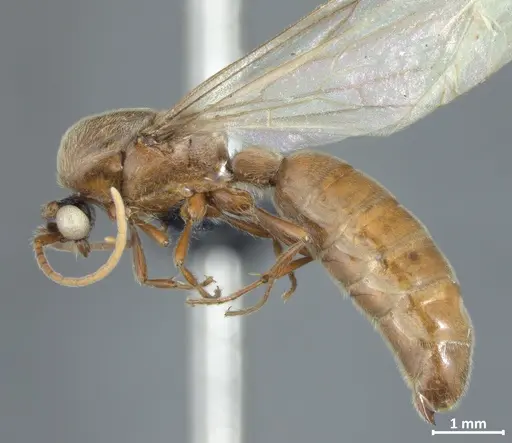
Neivamyrmex sulcatus is a predatory army ant native to the Neotropical region of South America, found across Argentina, Bolivia, Brazil, Paraguay, and Uruguay [1][2]. These ants belong to the Dorylinae subfamily, commonly known as army ants, which are famous for their nomadic hunting behavior and massive colony raids. Workers are aggressive predators that form raiding columns to capture invertebrate prey, making them fascinating but challenging to keep. Males of this species can be identified by their lateral ocelli being separated from eyes by at least 1.2 times the diameter of the median ocellus, with a yellowish brown to reddish mesosoma [2]. This species was originally described as Neivamyrmex sulcatus in 1868 and later moved through several genera before being placed in Neivamyrmex [3].
Quick Summary
- Difficulty: Expert
- Origin & Habitat: Native to the Neotropical region, Argentina, Bolivia, Brazil, Colombia, Paraguay, and Uruguay. Found in tropical and subtropical climates, typically in forest habitats where they raid as nomadic predators [1][2].
- Colony Type: Colony structure is unconfirmed for this species. Army ant colonies (Dorylinae) typically reach massive sizes with single queens, but Neivamyrmex species can vary. Further research needed on queen number and colony organization.
- Size & Growth:
- Queen: Unknown, not documented in available literature
- Worker: Unknown, worker measurements not available in primary research
- Colony: Unknown, colony size data not available
- Growth: Unknown, development timeline not studied
- Development: Unknown, no direct measurements available. Based on typical Dorylinae patterns, expect 4-8 weeks at optimal temperature (Development time is unconfirmed for this species. Related army ant species typically develop faster than many other ants due to their predatory lifestyle and warm tropical habitats.)
- Antkeeping:
- Temperature: Keep at 24-28°C based on their tropical origin. Use a heating cable on one side of the nest to create a gradient, allowing workers to self-regulate
- Humidity: Maintain high humidity, aim for 70-80% relative humidity. Keep the nest substrate consistently moist but not waterlogged. Army ants naturally live in damp forest floor environments
- Diapause: Unknown for this species. Tropical army ants may reduce activity during cooler/drier seasons but typically do not undergo true hibernation. Monitor colony behavior and reduce feeding if they become less active
- Nesting: Use a naturalistic setup with multiple connected chambers or a Y-tong style formicarium. Provide moist substrate (soil or sand) that can hold humidity. Army ants prefer enclosed dark spaces and will expand their nest into available substrate. Ensure the setup allows for colony relocation since they are nomadic
- Behavior: This is an aggressive predatory species. Workers form raiding columns to hunt invertebrate prey, primarily other insects and arthropods. They are highly active and will attack anything that moves near their trails. Escape prevention is critical, they are excellent climbers and will exploit any gap. They do not store food like some ants and require constant protein input. Colony activity follows a nomadic-sedentary cycle typical of army ants: periods of stationary brood development followed by relocation to new hunting grounds.
- Common Issues: limited data makes care requirements uncertain, much is inferred from related species, colonies can become stressed if prey is not available frequently enough, escape prevention must be excellent, army ants are skilled climbers, high humidity needs can lead to mold problems if ventilation is poor, nomadic behavior means colonies may frequently relocate, requiring adaptable setups
Understanding Army Ants
Neivamyrmex sulcatus belongs to the Dorylinae subfamily, commonly known as army ants. Unlike most ant species that have permanent nests, army ants are nomadic predators that constantly move their colonies in search of prey. They form massive raiding columns that can overwhelm insects and other small invertebrates. This nomadic lifestyle is driven by their need for protein, they do not collect honeydew or tend aphids like many other ants. Instead, they are obligate predators that must hunt to feed their colony. In the wild, these ants play an important ecological role as predators that help control insect populations. For keepers, this means you must be prepared to provide a constant supply of live prey. The colony will not thrive on sugar water alone, protein is essential.
Housing and Nest Setup
Housing army ants requires a setup that accommodates their nomadic behavior and high humidity needs. A naturalistic setup with a formicarium containing moist soil or sand works well, allowing the colony to dig and expand their tunnels. Y-tong style nests are also suitable, providing dark chambers that the ants can reorganize. The key is to provide enough space for the colony to grow and allow for relocation. Connect the nest to an outworld (foraging area) where you can offer prey. Use a water reservoir system to maintain humidity without flooding. Escape prevention is critical, army ants are excellent climbers and will find any gap. Apply fluon or use tight-fitting lids on all connections. The outworld should be smooth-sided and tall enough to prevent escapes. Provide darkness in the nest area by covering it, as army ants prefer dark enclosed spaces.
Feeding Requirements
Neivamyrmex sulcatus is an obligate predator that requires live invertebrate prey. Feed small insects such as fruit flies, small crickets, mealworms, waxworms, and other small arthropods. Offer prey 2-3 times per week, adjusting based on colony size and activity. The amount should match what the colony can consume within 24-48 hours, remove uneaten prey to prevent mold. Unlike many ants, they are unlikely to accept sugar water or honey as a primary food source, though they may occasionally take sweet liquids. The colony's nomadic cycle affects feeding, they may be more voracious during active hunting phases. Always ensure prey is appropriately sized for the worker ants. For smaller colonies, offer very small prey items. As the colony grows, larger prey can be provided.
Temperature and Humidity
As a tropical species from the Neotropical region, Neivamyrmex sulcatus requires warm and humid conditions. Maintain temperatures between 24-28°C in the nest area. A heating cable placed on one side of the nest creates a gradient that allows ants to self-regulate their temperature by moving between warmer and cooler areas. Place the heating on top of the nest to avoid drying out the substrate. Humidity should be kept high at 70-80% relative humidity. The nest substrate should feel consistently moist but never waterlogged. Monitor condensation levels, some condensation is normal and indicates good humidity, but excessive moisture can lead to mold and mite problems. Good ventilation is essential to prevent stagnant air while maintaining humidity. If mold appears, reduce humidity slightly and improve airflow.
Colony Development
The colony lifecycle of army ants differs significantly from typical ants. Queens are fully claustral, they seal themselves in a chamber and raise the first brood using stored fat reserves without foraging. Once workers emerge, the colony begins its characteristic nomadic phase, raiding for prey to feed subsequent broods. The development timeline for N. sulcatus specifically is unknown, but related Neivamyrmex species suggest eggs develop into workers within 4-8 weeks under optimal conditions. Colony growth can be rapid once established, as the large number of workers allows for intensive raiding. Army ant colonies can reach thousands of workers in the wild. In captivity, growth rate depends heavily on consistent feeding and proper conditions. The first workers (nanitics) are typically smaller than mature workers and the colony will gradually produce larger workers as it grows.
Behavior and Temperament
Neivamyrmex sulcatus is an aggressive predator with a well-developed raiding behavior. Workers form organized columns that sweep through their territory, capturing any invertebrate prey they encounter. They have good vision compared to many ants and will respond to movement and vibrations. When threatened, workers may bite and can secrete defensive chemicals. They are not typically aggressive toward humans but will defend their colony vigorously. The colony operates on a nomadic-sedentary cycle: during sedentary phases, the queen lays eggs and the brood develops in one location. Once brood emerge, the colony enters a nomadic phase, moving to new hunting grounds. This cycle continues throughout the year in tropical conditions. Workers are active primarily at night or during cooler parts of the day in the wild, but in captivity they will adjust to your feeding schedule.
Frequently Asked Questions
How long does it take for Neivamyrmex sulcatus to produce first workers?
The exact development time is unknown for this species. Based on related army ant species, expect 4-8 weeks from egg to first worker at optimal temperature (24-28°C). The first workers will be smaller (nanitics) and the colony will gradually produce larger workers as it grows.
What do Neivamyrmex sulcatus ants eat?
They are obligate predators that require live invertebrate prey. Feed small insects such as fruit flies, small crickets, mealworms, and other small arthropods. Offer prey 2-3 times per week. They are unlikely to accept sugar water or honey as primary food, protein is essential for their survival.
Are Neivamyrmex sulcatus good for beginners?
No. This species is rated as Expert difficulty. They have very specific requirements including constant live prey, high humidity, warm temperatures, and escape prevention. Limited species-specific data means keepers must rely on general army ant knowledge. They are not recommended for beginners.
How big do Neivamyrmex sulcatus colonies get?
Colony size data is not available for this specific species. In the wild, army ant colonies can reach thousands of workers. In captivity, expect the colony to grow significantly if provided with proper care and consistent feeding. Growth rate depends heavily on feeding frequency and environmental conditions.
Can I keep multiple queens together?
Colony structure is unconfirmed for this species. Most Dorylinae are single-queen (monogyne) colonies. Combining unrelated queens has not been documented and is not recommended. If you acquire a queen, house her alone until workers emerge, then maintain as a single-queen colony.
Do Neivamyrmex sulcatus need hibernation?
True hibernation is unlikely as they are tropical ants. However, they may reduce activity during cooler or drier seasons in the wild. In captivity, maintain consistent warm temperatures year-round. If the colony becomes less active, reduce feeding rather than lower temperature, as tropical ants can be stressed by cold.
When should I move my colony to a formicarium?
Keep new queens in a simple test tube setup until the first workers (at least 10-20 workers) have emerged. Once the colony is established and actively foraging, you can connect them to a formicarium or naturalistic setup. Ensure the setup can accommodate their nomadic behavior and provides both foraging space and humid nest chambers.
Why are my Neivamyrmex sulcatus dying?
Common causes include: insufficient prey (they need constant protein), improper humidity (too dry causes desiccation, too wet causes mold), temperature stress (too cold or temperature fluctuations), and escape-related losses. Also check for stress from excessive disturbance. Review each parameter and adjust accordingly. Limited species-specific data means troubleshooting requires understanding general army ant biology.
What is the best nest type for Neivamyrmex sulcatus?
A naturalistic setup with moist substrate (soil/sand mix) works best, allowing the colony to dig and reorganize their tunnels. Y-tong style formicariums with multiple connected chambers are also suitable. The key is providing dark, humid enclosed spaces with enough room for colony growth and easy access to prey in the foraging area.
References

This caresheet is licensed under CC BY-SA 4.0 .
Literature
Loading...Loading products...