

Neivamyrmex romandii
- Scientific Name
- Neivamyrmex romandii
- Subfamily
- Dorylinae
- Author
- Shuckard, 1840
- Distribution
- Found in 1 countries
Neivamyrmex romandii Overview
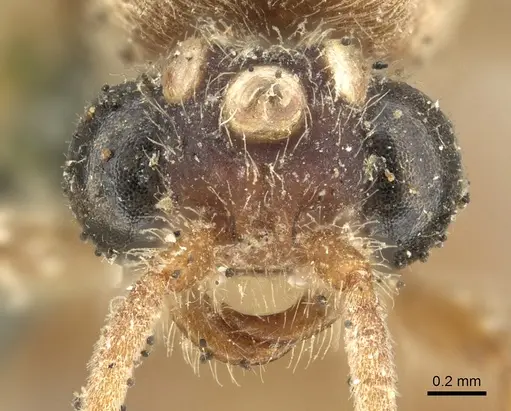
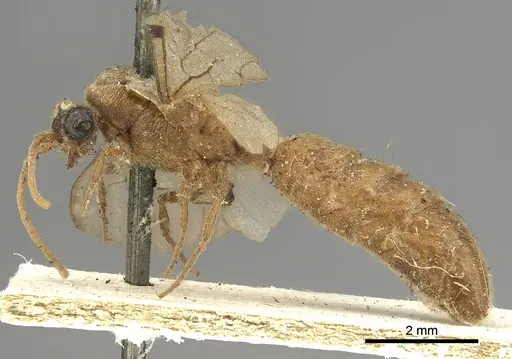
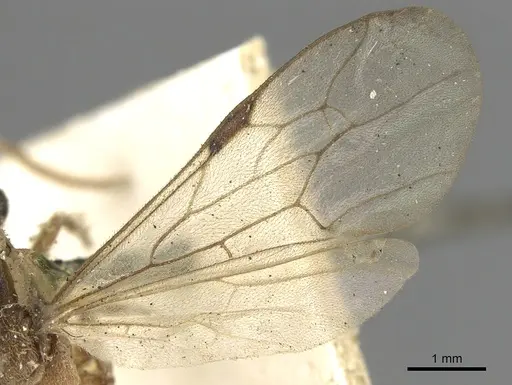
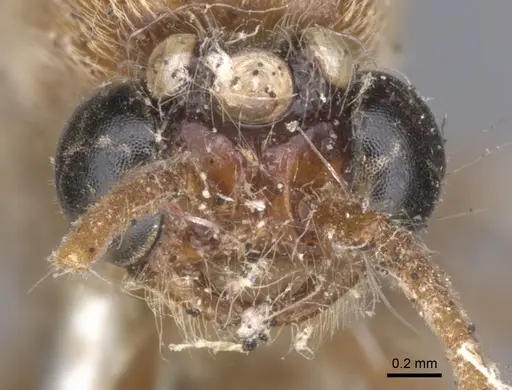
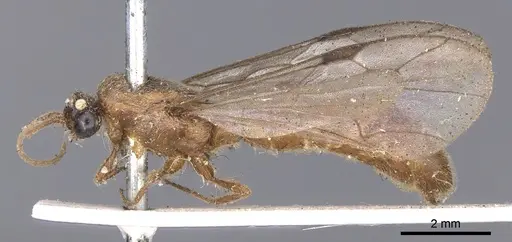
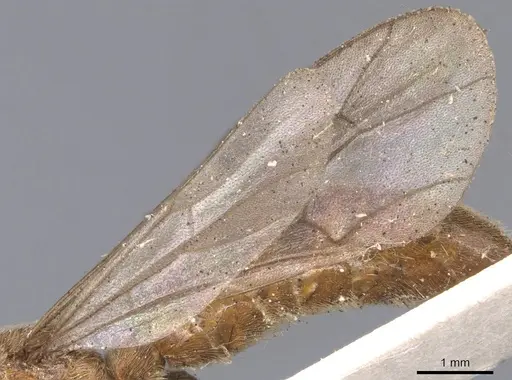
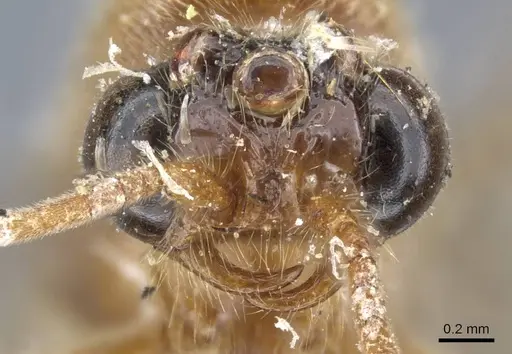
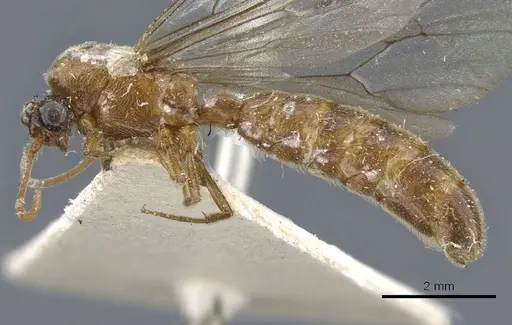
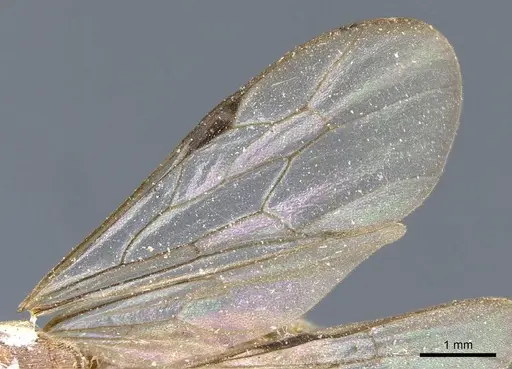
Neivamyrmex romandii is an ant species of the genus Neivamyrmex. It is primarily documented in 1 countries , including Brazil. Detailed taxonomic data and occurrence records can be further explored via authoritative databases such as AntWeb or the Global Biodiversity Information Facility (GBIF).
Neivamyrmex romandii
Neivamyrmex romandii is a Neotropical army ant species native to South America, found across Argentina, Bolivia, Brazil, and Paraguay [1]. As a member of the Dorylinae subfamily, these are true army ants known for their aggressive predatory raids and nomadic lifestyle. Workers are typically small to medium-sized ants adapted for raiding behavior, with the species showing the characteristic army ant syndrome of coordinated swarming raids on other ant colonies and arthropod prey [2]. This species occupies tropical and subtropical habitats in the Neotropical region, with recent records expanding our understanding of its distribution in the Amazon basin of Brazil [3].
Quick Summary
- Difficulty: Expert
- Origin & Habitat: Neotropical South America, Argentina, Bolivia, Brazil, and Paraguay. Found in tropical and subtropical forest habitats, with records from the Amazon basin (Pará) and the Argentine Mesopotamia region [1][3][4].
- Colony Type: Army ant colony structure, multi-queen colonies with nomadic bivouacs. The species exhibits the characteristic army ant syndrome including coordinated raiding behavior and permanent polygynous colony structure [2].
- Colony: Monogyne
- Founding: Pleometrosis
- Size & Growth:
- Queen: Estimated 12-15mm based on genus patterns, direct measurements not available
- Worker: Estimated 3-7mm based on genus patterns, direct measurements not available
- Colony: Likely reaches several hundred to over 1000 workers based on typical army ant colony sizes
- Growth: Fast, army ant colonies grow rapidly once established
- Development: Estimated 4-6 weeks at tropical temperatures based on related Ecitoninae species (Development is typically rapid in army ants to support their nomadic lifestyle)
- Antkeeping:
- Temperature: Keep at 24-28°C, these are tropical ants requiring warm, stable temperatures. Use a heating cable on one side of the nest to create a gentle gradient.
- Humidity: Maintain moderate to high humidity (60-80%). Army ants prefer humid conditions similar to their tropical forest floor habitat. Keep substrate consistently moist but not waterlogged.
- Diapause: Likely minimal or no true diapause, as tropical army ants, they probably remain active year-round with possible seasonal slowdowns. Exact requirements unconfirmed.
- Nesting: Army ants do not build permanent nests, they form bivouacs (temporary nests made from living workers). In captivity, this means providing a large outworld space for raiding behavior. Test tubes work only for founding colonies, established colonies need spacious formicaria or custom setups.
- Behavior: Extremely aggressive predatory behavior, these are raid-focused army ants that coordinate swarming attacks on other ant colonies and arthropod prey. They do not forage individually but march in organized columns. Workers are highly active and will attack anything that enters their territory. Escape prevention is critical, they are excellent climbers and will exploit any gap. Army ants are diurnal/nocturnal raiders depending on the species, with most Neotropical army ants conducting raids during cooler hours. They have functional stingers and can deliver painful stings to defend against threats [2].
- Common Issues: colonies often fail because keepers don't understand army ant nomadic behavior, they need space to raid, not a static nest, escape prevention must be excellent, army ants are excellent climbers and will escape through any gap, specialized diet requirements, they need live prey (other ants, insects) and won't survive on sugar water alone, multi-queen colonies can be difficult to establish in captivity, queen dynamics are complex, rapid colony decline if prey is insufficient, army ants consume enormous amounts of protein
Understanding Army Ant Biology
Neivamyrmex romandii belongs to the Dorylinae subfamily, making it a true army ant. Unlike most ant species that build permanent nests, army ants form temporary nests called bivouacs, living structures made from thousands of workers linked together. These colonies are permanently polygynous, meaning they have multiple queens that all reproduce simultaneously. This allows for massive colony growth and the ability to sustain continuous raiding activity. The colony moves location every few weeks (nomadic phase) to access new hunting grounds. In the wild, these ants conduct coordinated raids that can involve thousands of workers sweeping through the forest floor and vegetation, overwhelming prey colonies and capturing brood, adults, and other arthropods [2].
Housing and Setup Requirements
Keeping army ants in captivity requires specialized setups that accommodate their unique biology. Foundress colonies (queen with initial workers) can be started in test tube setups, but established colonies quickly need much more space. A large outworld is essential, think plastic bins or custom-built formicaria with multiple feeding stations. The key requirement is space for raiding behavior. Nest areas should be minimal and simple, army ants don't use traditional nest chambers. Escape prevention must be excellent, these ants are excellent climbers and will find any gap or crack. Apply fluon to all edges and use tight-fitting lids. Provide a water source via moist cotton or a small water tube. Temperature should be maintained at 24-28°C using heating cables or mats. Humidity should be moderate to high (60-80%) to mimic their tropical forest floor habitat.
Feeding and Diet
Army ants are obligate predators and cannot survive without regular protein input. They do not collect honeydew or tend aphids, their entire nutrition comes from raiding other ant colonies and capturing insects. In captivity, you must provide live prey regularly. Suitable foods include: other ant colonies (their preferred natural prey), mealworms, crickets, roaches, and other small insects. Feed generously, a hungry army ant colony will rapidly decline. Feed multiple times per week with prey items equivalent to a significant portion of the colony's mass. Unlike many ants, they typically ignore sugar water and honey. Some keepers report success with occasional protein jellies, but live prey remains the staple. The raiding behavior is triggered by prey presence, so seeing columns march toward food is a sign of a healthy, hungry colony.
Colony Dynamics and Growth
Army ant colonies grow differently from typical ant species. A mature Neivamyrmex colony can contain multiple functional queens (polygynous), with each queen capable of laying thousands of eggs daily during peak periods. Colonies can reach several hundred to over a thousand workers. The colony cycle alternates between nomadic phases (when the colony moves frequently and raids intensively) and statary phases (when they remain in one location while the queen lays eggs). During nomadic phases, the bivouac is more compact and raiding intensity increases. Understanding this cycle helps keepers know when to expect increased activity versus relative quiet. Queens are not replaceable in the typical sense, when a queen dies in a polygynous colony, the remaining queens compensate. This makes army ant colonies more resilient than single-queen species but also more complex to maintain long-term. [2]
Behavior and Temperament
Neivamyrmex romandii exhibits classic army ant behavior: coordinated raiding columns, bivouac formation, and aggressive predation. Workers are highly aggressive and will attack any perceived threat. They have functional stingers and can deliver painful stings, this is a species to handle with caution. The raiding behavior is spectacular to observe, columns of workers marching in organized formation, sweeping through territory and overwhelming prey. They are primarily nocturnal or crepuscular raiders in the wild, though captive colonies may adjust their activity patterns to feeding schedules. Unlike many ants, they do not have established foraging trails to food sources, instead, they raid in different directions each time. This makes them exciting to watch but challenging to feed compared to species that will come to a consistent food station.
Frequently Asked Questions
Can I keep Neivamyrmex romandii in a test tube?
Only for founding colonies. Once the colony reaches 50+ workers, they need a spacious outworld for raiding behavior. Test tubes are too restrictive for army ant colonies, they need space to move and hunt.
What do Neivamyrmex romandii ants eat?
They are obligate predators that need live prey. Feed them other ant colonies, mealworms, crickets, roaches, and small insects. They do not typically accept sugar water or honey. Feed generously multiple times per week.
How long until first workers in Neivamyrmex romandii?
Estimated 4-6 weeks from egg to worker at tropical temperatures (24-28°C), based on related Ecitoninae species. Development is typically rapid in army ants.
Do Neivamyrmex romandii ants sting?
Yes, they have functional stingers and will sting to defend the colony. The sting is reportedly painful, handle with caution and use proper protection when working with established colonies.
Are Neivamyrmex romandii good for beginners?
No, this is an expert-level species. Army ants have specialized requirements including massive space needs, constant live prey, and complex colony dynamics. They are not recommended for beginners.
Do Neivamyrmex romandii need hibernation?
Unlikely, as tropical ants from South America, they probably remain active year-round with possible seasonal slowdowns. No true diapause is expected.
How big do Neivamyrmex romandii colonies get?
Likely several hundred to over 1000 workers based on typical army ant colony sizes. Polygynous colonies with multiple queens can grow quite large.
Can I keep multiple queens together in Neivamyrmex romandii?
Yes, army ant colonies are naturally polygynous (multi-queen). Multiple queens coexist and reproduce simultaneously in established colonies.
Why do my army ants keep escaping?
Army ants are excellent climbers and will exploit any gap. Apply fluon to all edges, use tight-fitting lids, and check for any cracks in your setup. Escape prevention must be excellent with this species.
When should I move my colony to a formicarium?
Army ants don't use traditional formicaria well. Instead, provide a large plastic bin or custom outworld with multiple feeding stations. The key is space for raiding, not nest structures.
References

This caresheet is licensed under CC BY-SA 4.0 .
CASENT0249504
View on AntWeb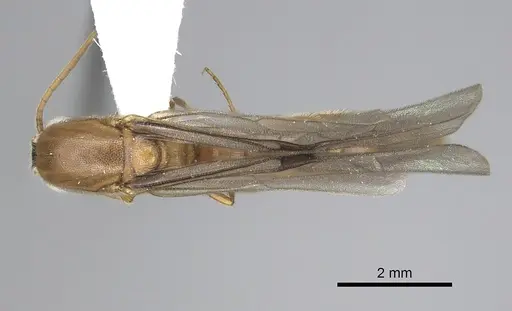
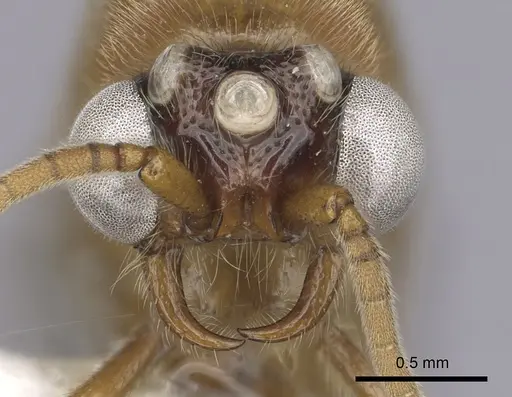
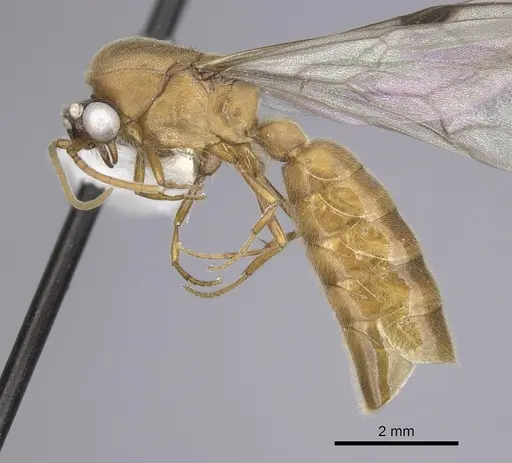
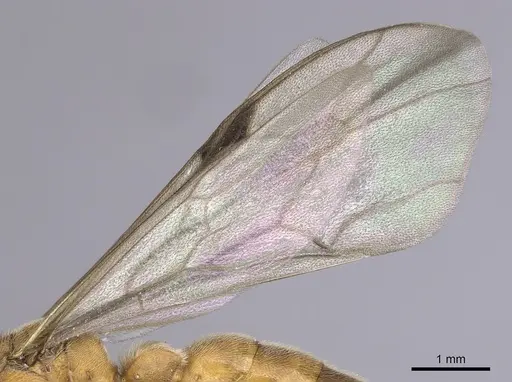
CASENT0901946
View on AntWeb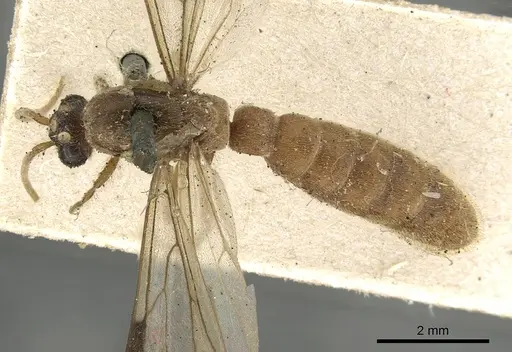
CASENT0902652
View on AntWeb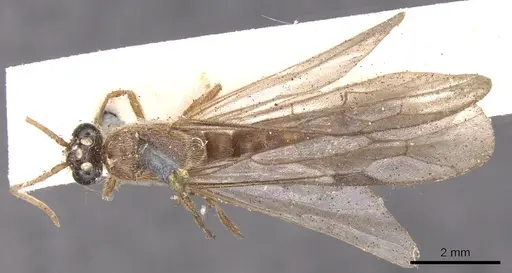
CASENT0905968
View on AntWeb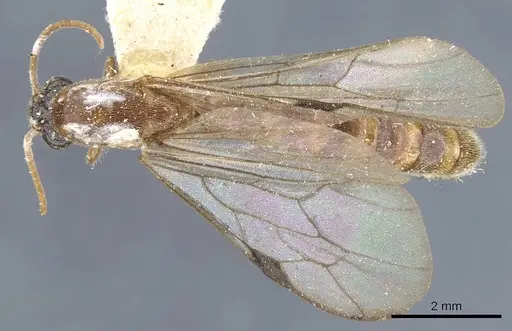
Literature
Loading...Loading products...